
Temporal Technologies
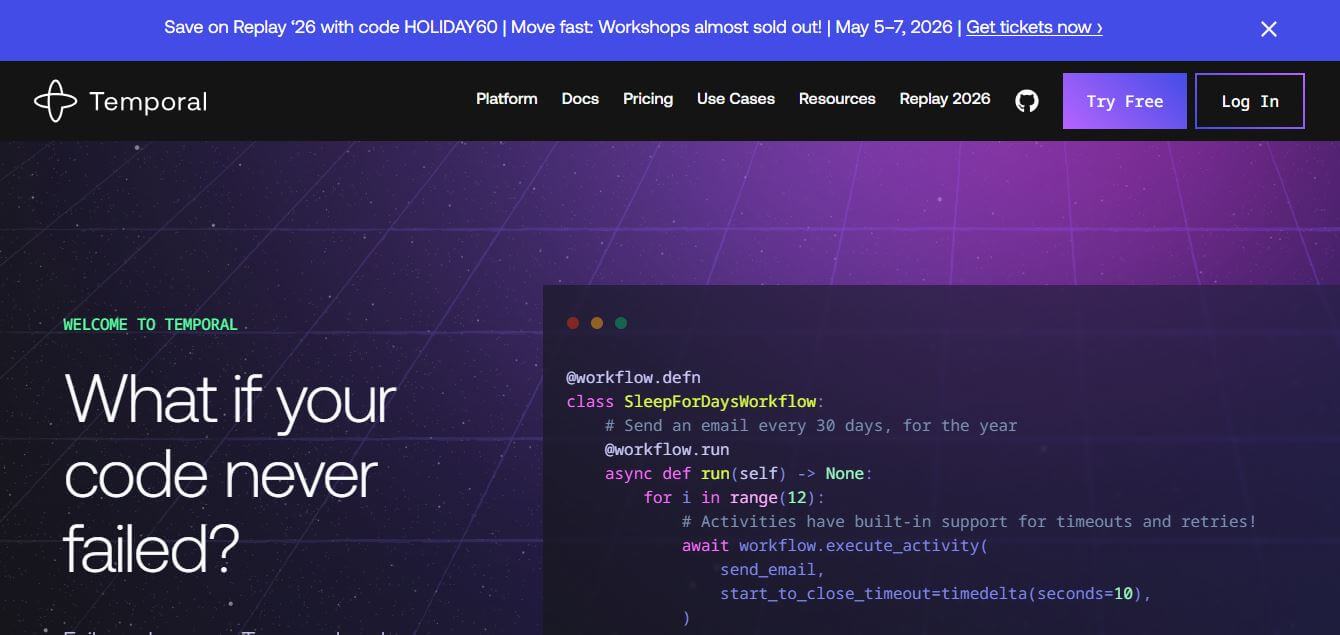
Temporal is an AI-powered platform that ensures reliable execution of code, enabling developers to build fault-tolerant, long-running applications with durable state management.
What is Temporal?
- Founders: Founded by the creators of Uber Cadence (Maxim Fateev and Samar Abbas)
- Launch: Temporal Technologies launched in 2019
-
Use Cases:
- Microservices orchestration
- Long-running business processes
- Payment and order processing
- Data pipelines and integrations
-
Technology:
- Event-driven architecture
- Durable execution engine
- Supports Go, Java, TypeScript, Python, and PHP
Temporal is an AI-powered workflows platform on a quest to help developers create and operate distributed applications through workflow orchestration and automatic application state management. It makes retries, failures, timeouts, and long-running processes in microservices architecture an implementation detail. Temporal enables developers to code their workflows in the language they know, while the platform takes care of durability and consistency in its own way. By removing all infrastructure-level concerns, Temporal improves developer productivity, lowers operational risk, and keeps applications resilient at scale. Engineering teams that build important systems needing high reliability, scalability, and visibility in distributed environments often choose Temporal.
Key Features
Temporal key features are
- Durable Workflows: Automatically retains workflow states even in crash situations or when restarted.
- Code-First Development: Define workflows using standard programming languages without DSLs.
- Automatic Retries & errors Multiplicity: retry policies and timeouts, as well as failure recovery, are built in.
- Scalability: Millions of concurrent workflows, always performing the same.
- Observability: a view into workflow execution, historical data, and state transitions.
- Versioning Support: Workflows may be evolved with complete safety and without breaking running executions.
- Cloud & Self-Hosted Options: Deploy on Temporal Cloud or manage your own infrastructure.
Pricing
Temporal has designed a managed cloud-based pricing model depending on the number of executions, storage, and usage. In addition to this, Temporal offers open-source self-hosting, which can be run at no cost, excluding infrastructure expenses.
Disclaimer: For the latest and most accurate pricing information, please visit the official Temporal website.
Who is using Temporal?
A wide range of users and organizations are using Temporal
- Large enterprises with distributed systems
- SaaS and cloud-native startups are the primary users.
- The list also includes fintech and payment platforms.
- These encompass e-commerce and logistics enterprises.
- Engineering teams specialize in microservices architecture.
Alternatives
Some Temporal alternatives are
- Apache Airflow
- AWS Step Functions
- Netflix Conductor
- Camunda
- Perfect
Conclusion
Temporal is a compelling workflow orchestration platform for modern distributed applications, dealing with failures, state management, and retries behind the scenes. Therefore, developers can focus on business logic rather than infrastructural complexity. Its scalability, reliability, and developer-friendly nature make it an excellent platform for organizations creating mission-critical systems.
People are also reading:
FAQ
What programming languages does Temporal support?
Temporal supports Go, Java, Python, TypeScript, and more through its official SDKs.
Can Temporal be self-hosted?
Yes, Temporal is open-source and can be self-hosted on your infrastructure or used as a managed cloud service.
What industries use Temporal?
It is widely used in finance, e-commerce, SaaS, and AI automation sectors for building reliable, long-running workflows.
How does Temporal differ from Airflow or Step Functions?
Unlike Airflow or Step Functions, Temporal focuses on durable execution, ensuring workflows resume exactly where they left off after any failure.
Is there a free version of Temporal?
Yes, the open-source version is completely free to use, while the managed Temporal Cloud offers paid plans with added reliability and support.
User Reviews
No reviews yet for Temporal Technologies.
Featured Tools
Featured AI tools from TechShark
Melody Genie
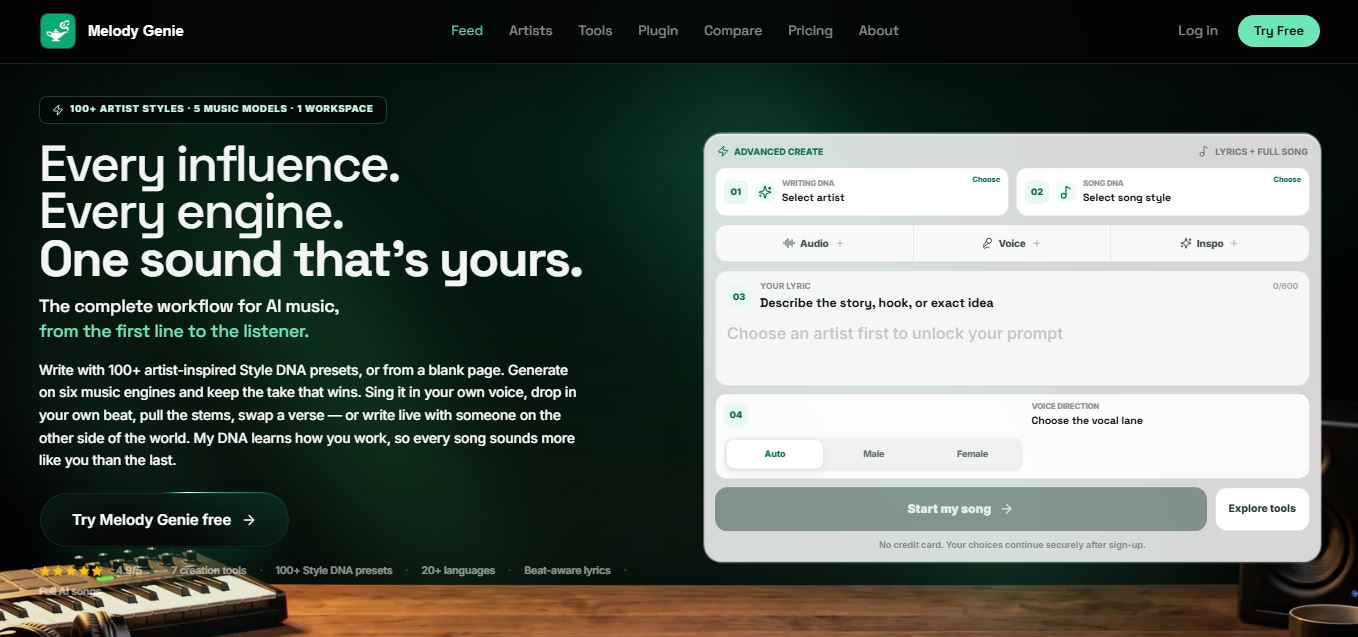
MelodyGenie is an AI-powered music generator that creates original songs from simple text prompts. Users can choose styles, moods, and genres, then instantly generate melodies and full tracks, making it easy for creators, marketers, and hobbyists to produce custom music without musical expertise.
Freemium
Kimi AI
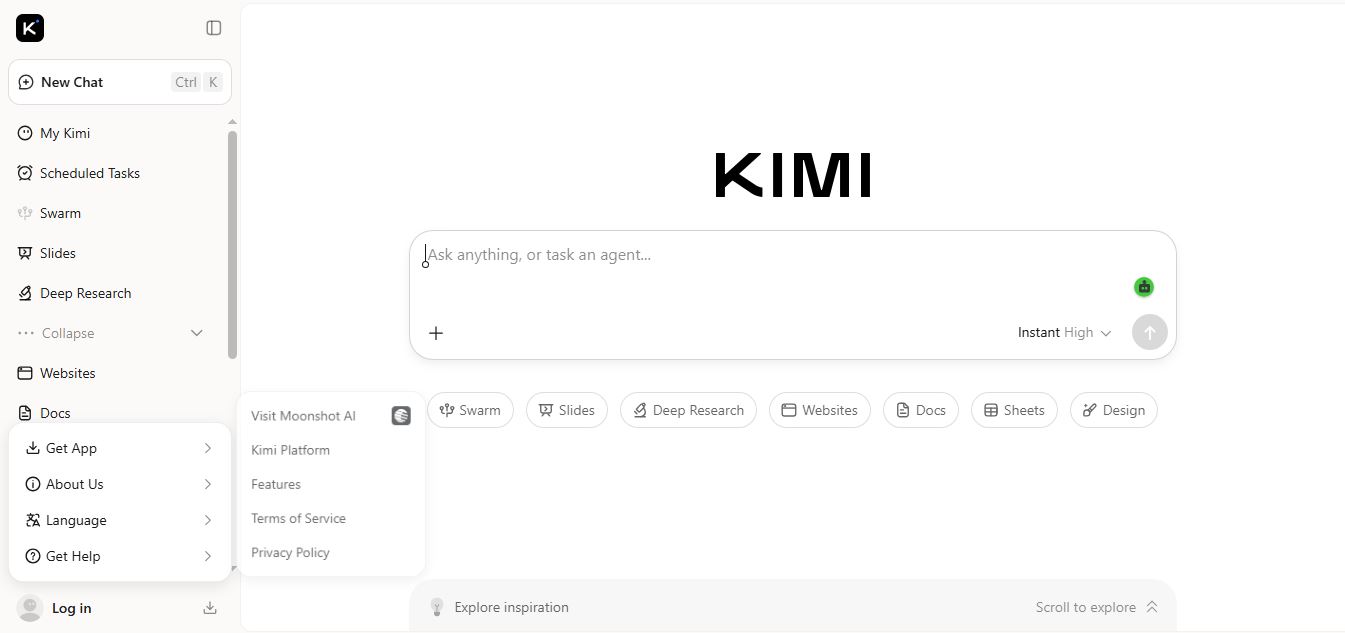
Kimi AI is an advanced AI assistant developed by Moonshot AI that helps you chat, research, write, code, and automate tasks in one place. It supports web search, file analysis, and multimodal inputs, and can even run autonomous “agent” workflows to complete complex tasks end-to-end.
Freemium
Fashion Diffusion AI
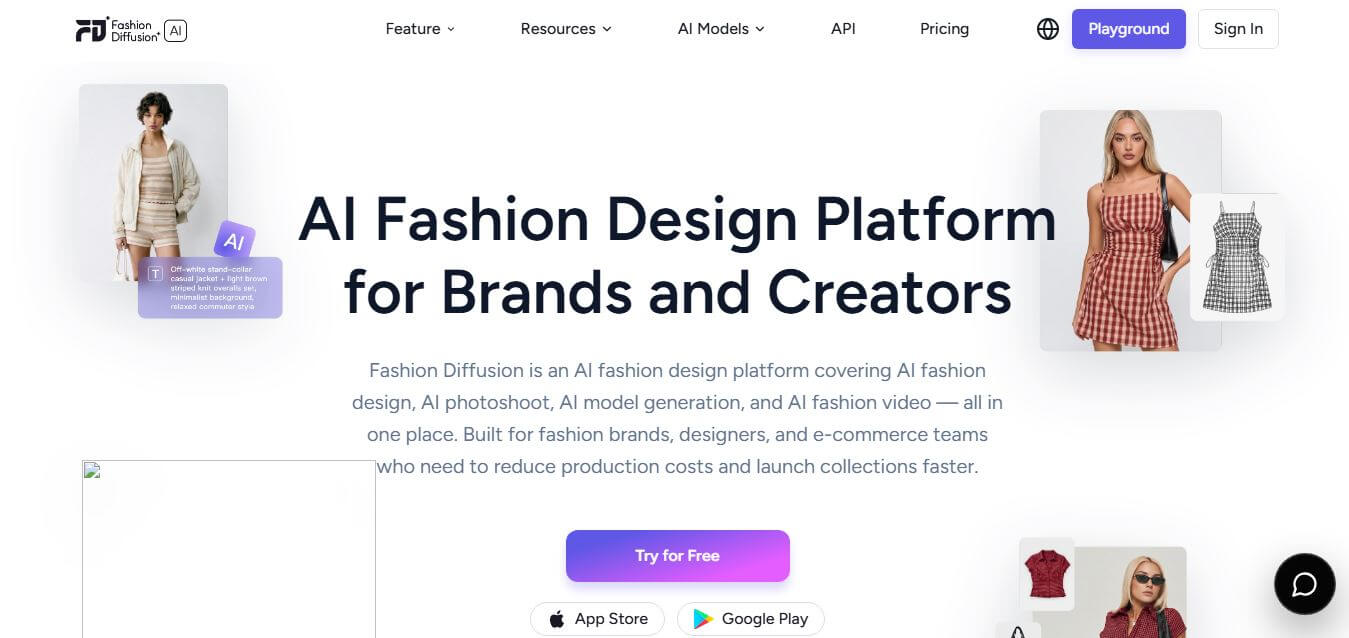
Fashion Diffusion is an AI-powered fashion design platform that helps brands and designers create clothing designs, virtual try-ons, AI models, product photos, and marketing visuals faster and cost-effectively.
Paid
Veo 4
Veo 4 AI is an AI video creation platform that generates dramatic videos from text, images, audio, and video prompts using realistic motion and synchronized sound.
Paid
Alternatives
Alternatives to Temporal Technologies
Temporal is an AI-powered workflow-as-code platform that simplifies the creation of reliable, distributed applications. It handles retries, state persistence, and failures automatically, letting developers focus on business logic instead of managing complex orchestration.
 4.9
4.9Elasticsearch
E-commerce
Elasticsearch is an open-source, distributed search and analytics engine that helps teams store, search, and analyze structured, unstructured, and vector data in real time. It powers full-text search, AI-driven applications, and large-scale analytics with high speed, relevance, and scalability across cloud or on-prem environments.
 4.9
4.9Bloomreach
E-commerce
Bloomreach is an AI-powered ecommerce experience platform that helps businesses deliver personalized marketing, search, and shopping experiences across channels. It unifies customer and product data, uses Loomi AI for real-time decisioning, and automates campaigns, enabling brands to increase conversions, engagement, and revenue.
 4.9
4.9Coveo
E-commerce
Coveo is an AI-powered relevance and search platform that helps enterprises deliver personalized search, recommendations, and generative answers across websites, ecommerce, service, and workplace apps. It unifies data into a single index and uses machine learning to match user intent with the most relevant content and experiences.
 4.9
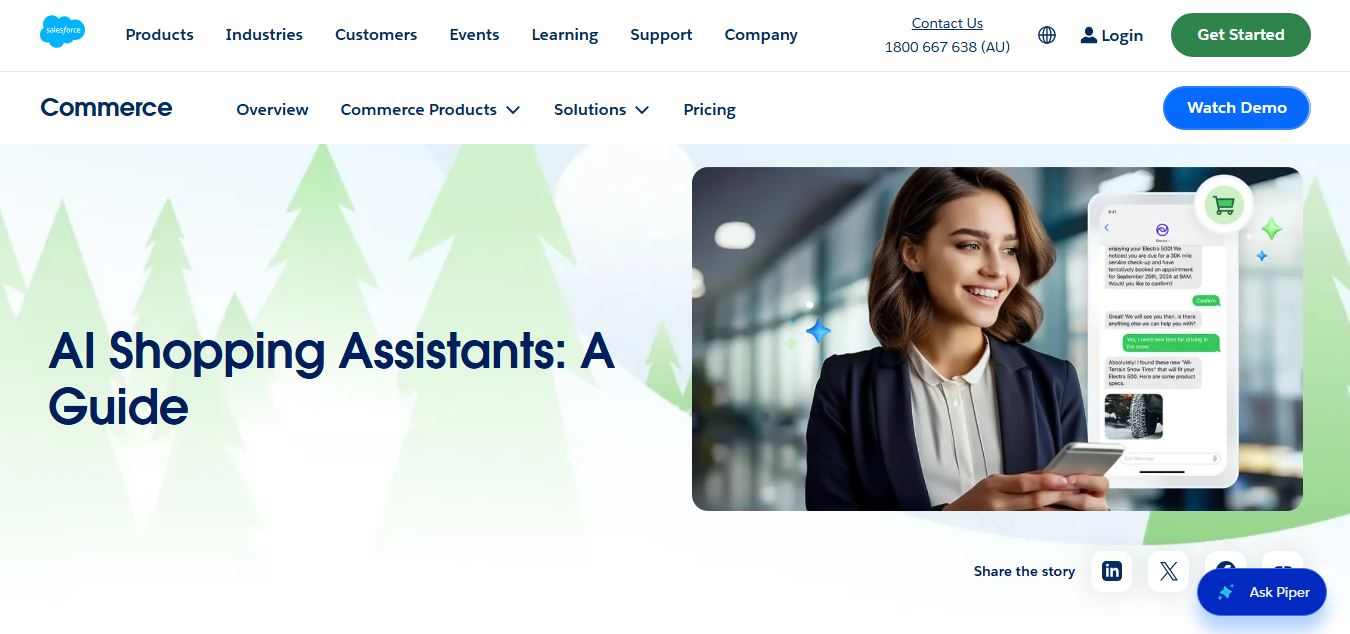
4.9Salesforce AI Shopping Assistants
E-commerce
Salesforce AI Shopping Assistants are AI-powered conversational agents that help customers discover, compare, and purchase products using natural language. They use real-time product, customer, and inventory data to deliver personalized recommendations, automate checkout tasks, and improve conversions through guided, end-to-end shopping experiences.
 4.9
4.9Zoovu
E-commerce
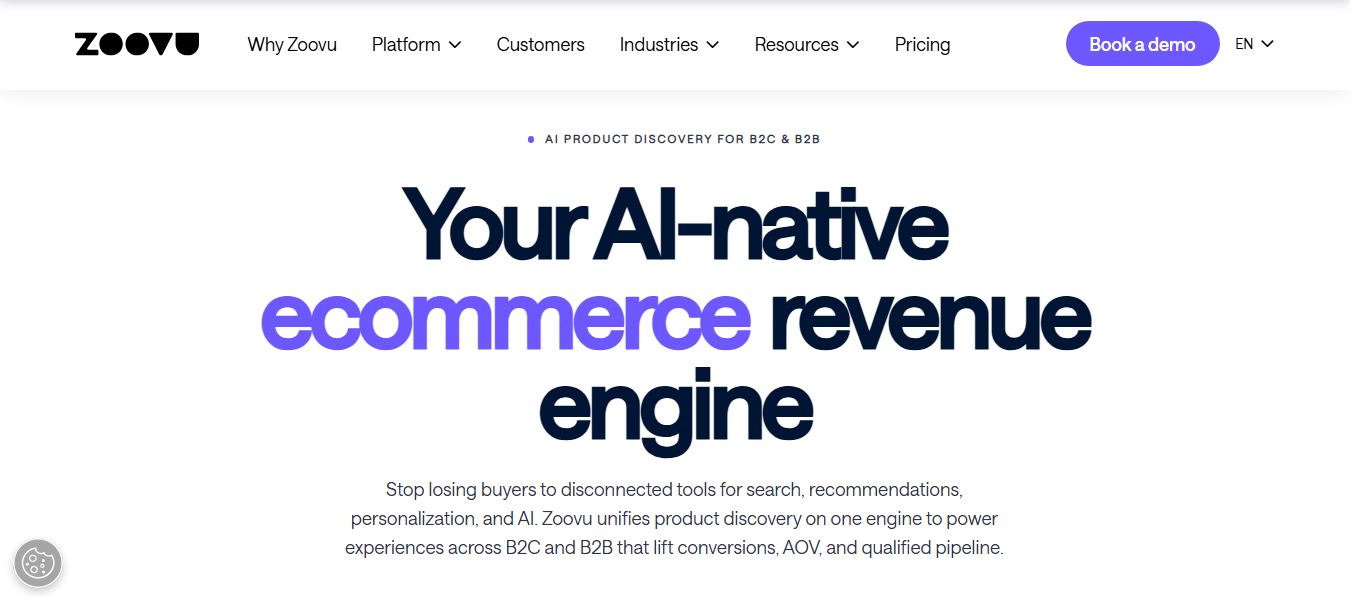
Zoovu is an AI-powered product discovery platform that helps ecommerce and B2B companies guide customers to the right products using AI search, personalization, and recommendations. It unifies data, conversational assistants, and guided selling to increase conversions, average order value, and overall customer experience.
 4.9
4.9GitFluence
Code Assistant
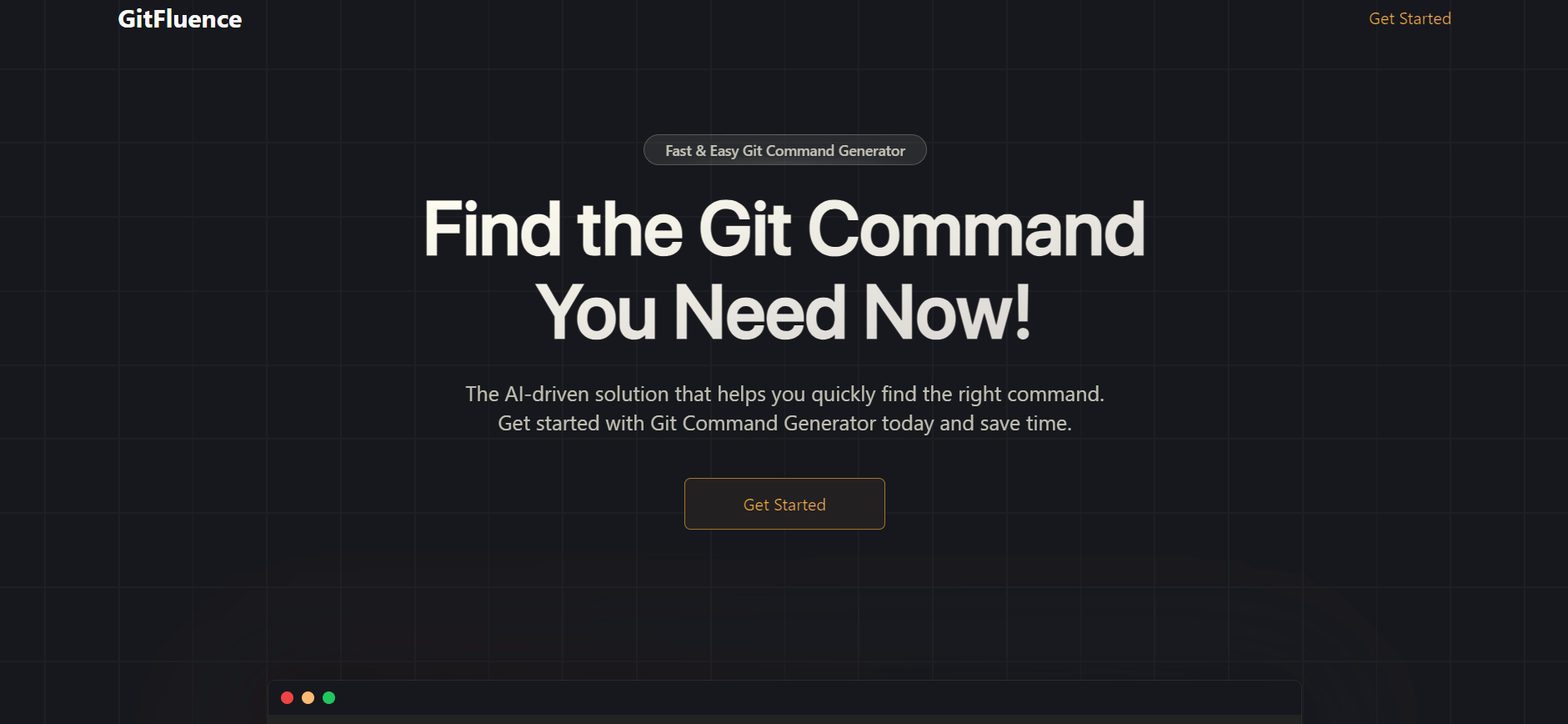
GitFluence is an AI-powered Git command generator that helps developers turn plain-English instructions into exact Git commands. It eliminates the need to memorize syntax, speeds up version control workflows, and lets users quickly copy accurate commands for tasks like branching, merging, and fixing commits.
 4.9
4.9Kiro
Vibe Coding
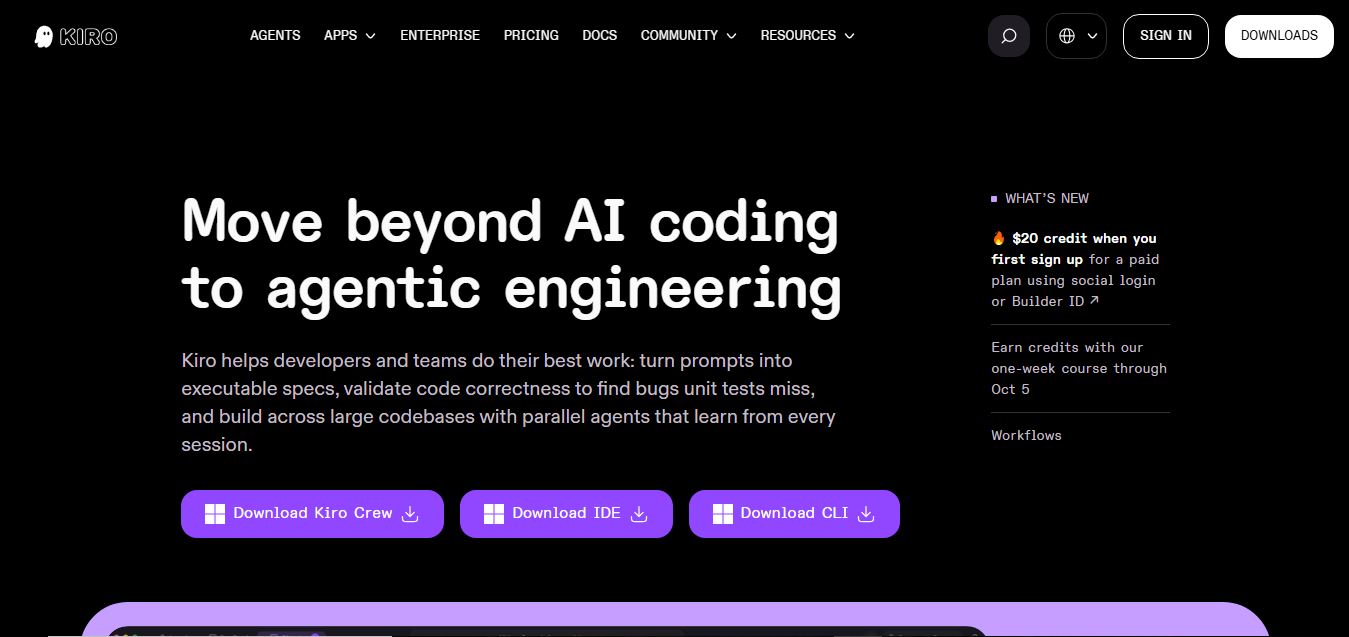
Kiro is an AI-powered developer platform that helps teams plan, build, and ship software using autonomous agents. It turns prompts into structured specs, writes and tests code, and automates workflows across IDE, CLI, and cloud, enabling faster, reliable development from prototype to production.
 4.8
4.8Emergent
Vibe Coding
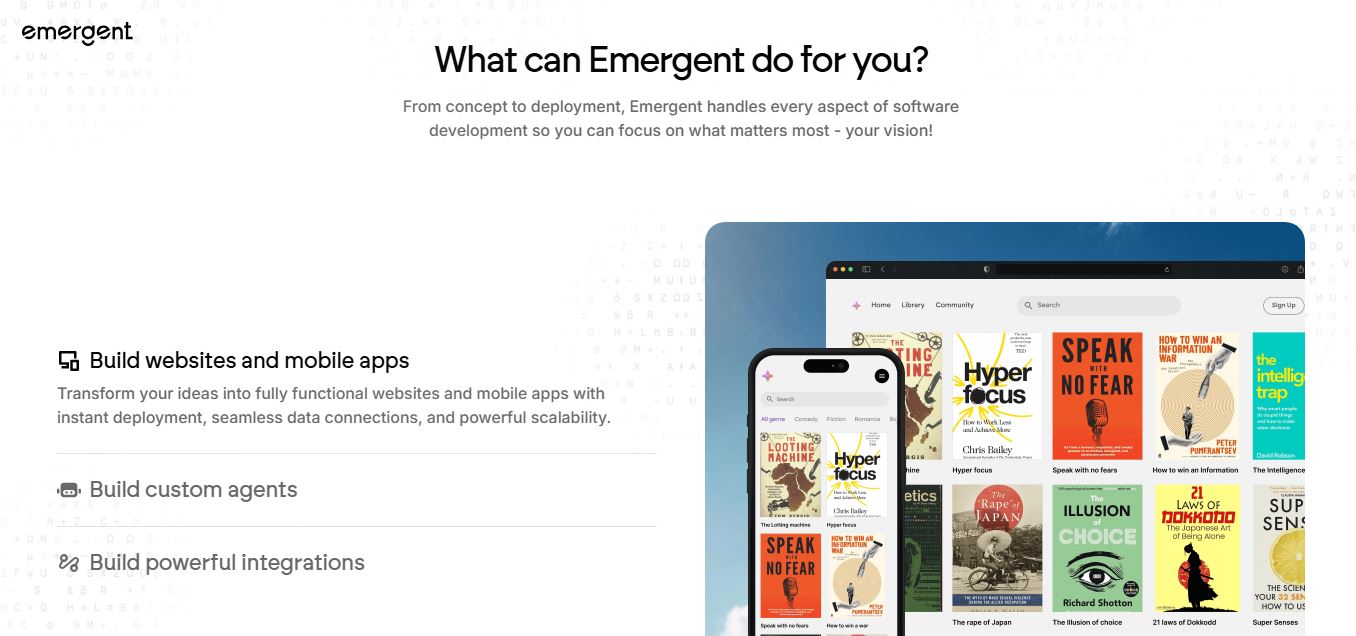
Emergent is an AI-powered app builder that lets users create full-stack web and mobile applications by simply describing their idea. It uses autonomous agents to plan, code, test, and deploy apps, handling everything from backend to hosting without requiring traditional programming skills.
 4.7
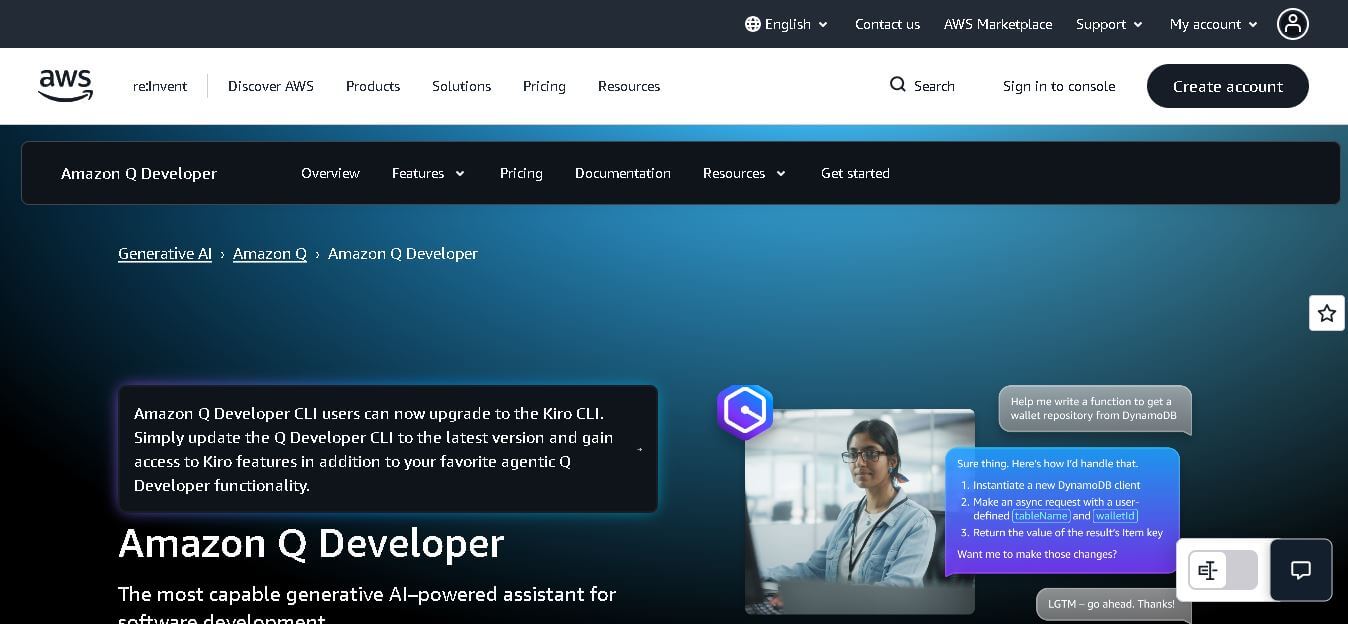
4.7Amazon Q Developer
Code Assistant
Amazon Q Developer helps developers write, explain, test, refactor, secure, and troubleshoot code while working with AWS services. It provides conversational assistance, inline suggestions, agentic coding, and cloud guidance across supported IDEs, command-line environments, and AWS interfaces. Its goal is to reduce repetitive work and help teams move from ideas to deployable software.