
Lily AI
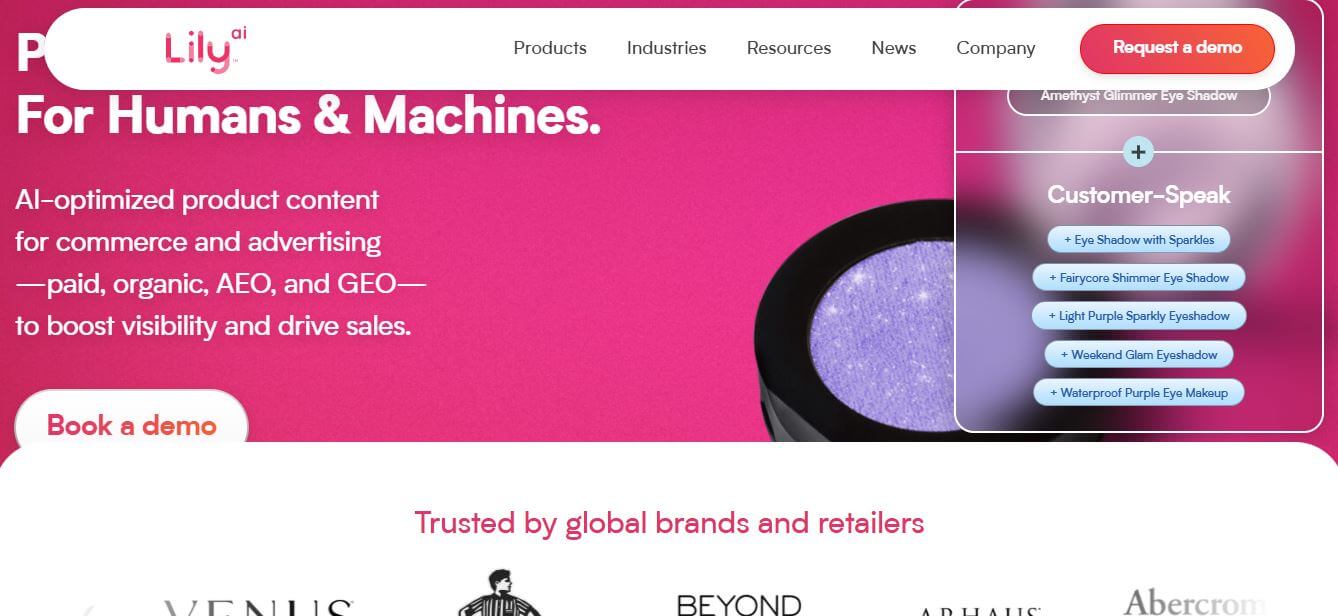
Lily AI is an AI-powered commerce platform that enriches product data into shopper-friendly content, improving search visibility, discovery, customer experience, and conversion rates for retailers.
What is Lily AI?
- Founders: Purva Gupta and Sowmiya Chocka Narayanan
- Launch: 2015
-
Use Cases:
- Product catalog enrichment
- On-site search and product discovery optimization
- SEO and advertising performance improvements
- Marketplace and multi-seller product normalization
-
Technology:
- Artificial intelligence and machine learning
- Natural language processing
- Visual AI and proprietary retail datasets
Lily AI is an AI-powered e-commerce platform that helps retailers connect the dots between how they describe products and how consumers search for them. By converting all merchant-centric product information into views and attributes that are friendly to shoppers, Lily AI enhances product visibility and relevance across digital platforms. It uses advanced artificial intelligence to upgrade product catalogs with detailed descriptors, enabling better on-site search, SEO, and merchandising. Retailers get improved discoverability, more engagement, and higher conversion rates, while shoppers receive a more intuitive and personalized shopping experience across categories and touchpoints.
Key Features
Lily AI key features are
- AI-enabled product attribute enhancement.
- Write the product description to attract customers.
- Improved customer-friendly onsite search and merchandising.
- The metadata and structured attributes have been enhanced for SEO purposes.
- Tagging based on trends, styles, and occasions.
- The catalog architecture is massively scalable to accommodate large inventories.
- Continuous learning and improving performance.
Pricing
- Free trial available
- Subscription-based pricing
- Custom plans offered
- Enterprise pricing available
Disclaimer: For the latest and most accurate pricing information, please visit the official Lily AI website.
Who's Using it?
A wide range of users and organizations are using Lily AI
- Bloomingdale’s
- Macy’s
- Gap
- thredUP
- Marks & Spencer
- J. Crew Group
- Bridge Furniture & Props
- Fabletics
Alternatives
Some Lily AI alternatives are
- PIMs powered by AI
- Search and merchandising engines are mainly for commerce.
- Catalog enrichment & optimization.
- Digital merchandising and analytics in retail
Conclusion
Lily AI liberates retailers from modernizing product content in style to be in line with consumer behavior, finding meaning in complex product data, and molding it into shopper-centric insights with optimized search performance and an improved customer experience that leads to real, measurable revenue growth. This application would be of enormous benefit to those brands with scalable e-commerce success plans.
People are also reading
FAQ
What is Lily AI used for?
Lily AI is used to enrich product catalogs with shopper-friendly attributes, improving search, discovery, SEO, and conversion performance.
Who founded Lily AI?
Lily AI was founded by Purva Gupta and Sowmiya Chocka Narayanan.
Is Lily AI suitable for large retailers?
Yes, the platform is designed to scale efficiently for large and complex product catalogs.
Does Lily AI improve SEO?
Yes, it enhances SEO by generating optimized metadata, attributes, and product descriptions.
Which industries benefit most from Lily AI?
Retail sectors such as fashion, beauty, home, and lifestyle gain the most value from Lily AI’s capabilities.
User Reviews
No reviews yet for Lily AI.
Featured Tools
Featured AI tools from TechShark
Melody Genie
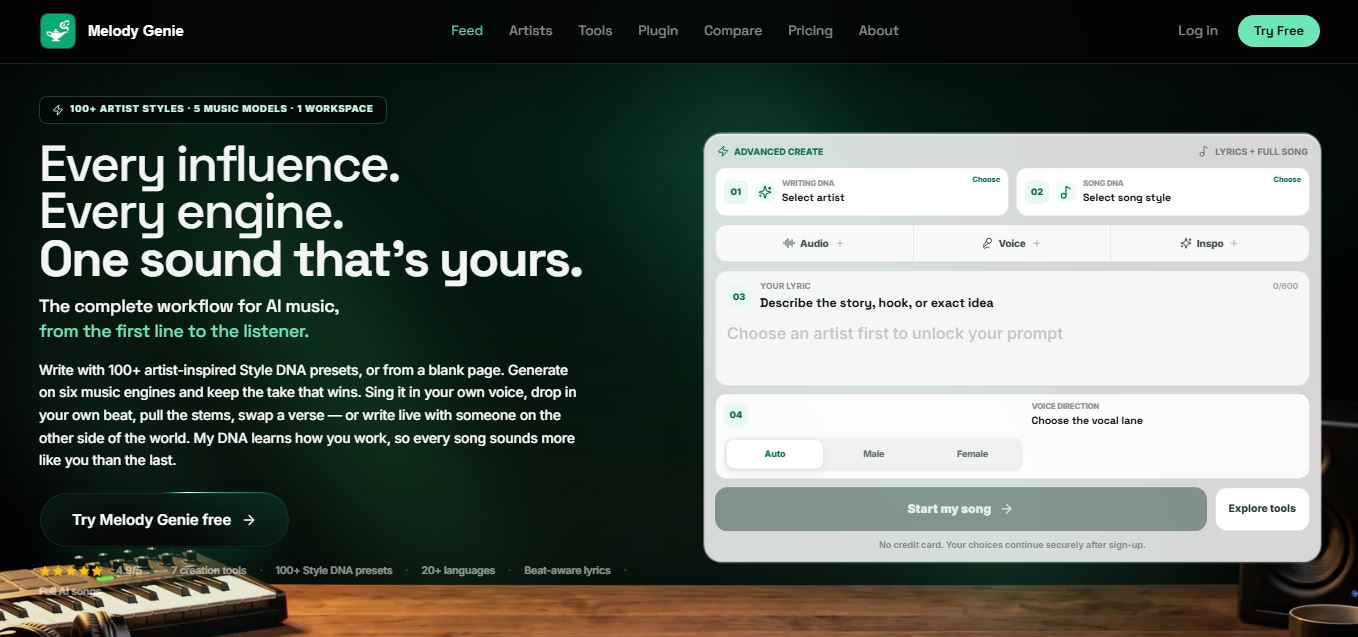
MelodyGenie is an AI-powered music generator that creates original songs from simple text prompts. Users can choose styles, moods, and genres, then instantly generate melodies and full tracks, making it easy for creators, marketers, and hobbyists to produce custom music without musical expertise.
Freemium
Kimi AI
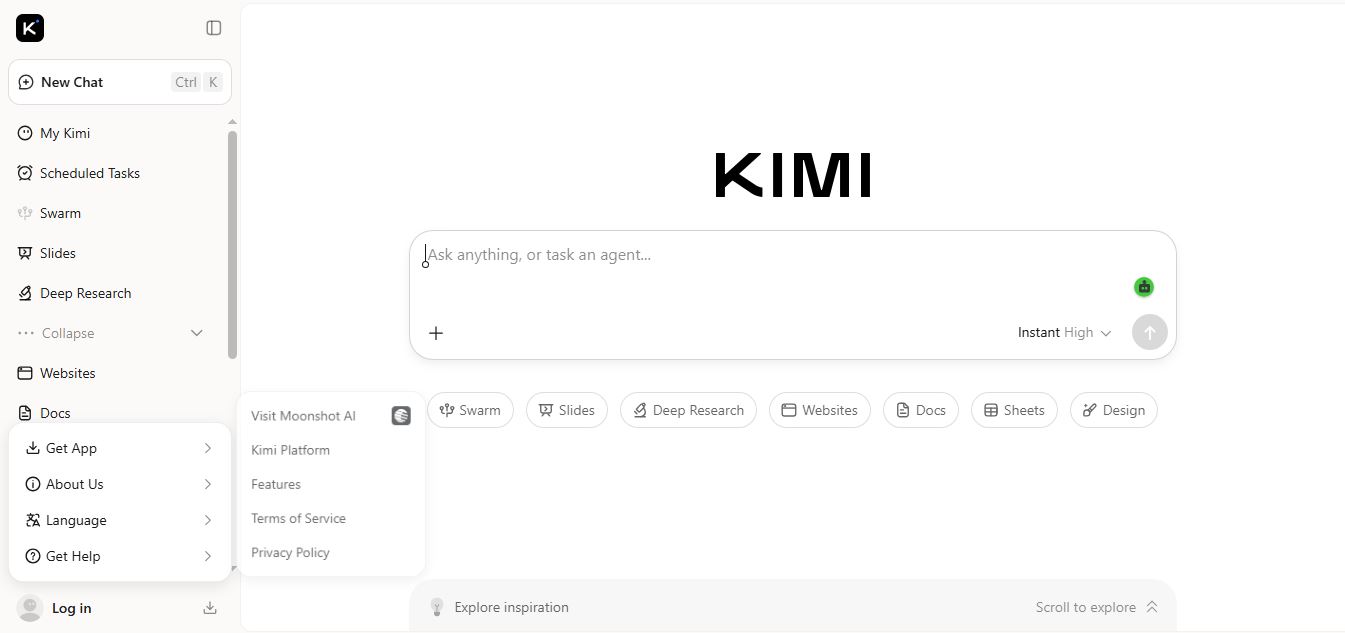
Kimi AI is an advanced AI assistant developed by Moonshot AI that helps you chat, research, write, code, and automate tasks in one place. It supports web search, file analysis, and multimodal inputs, and can even run autonomous “agent” workflows to complete complex tasks end-to-end.
Freemium
Fashion Diffusion AI
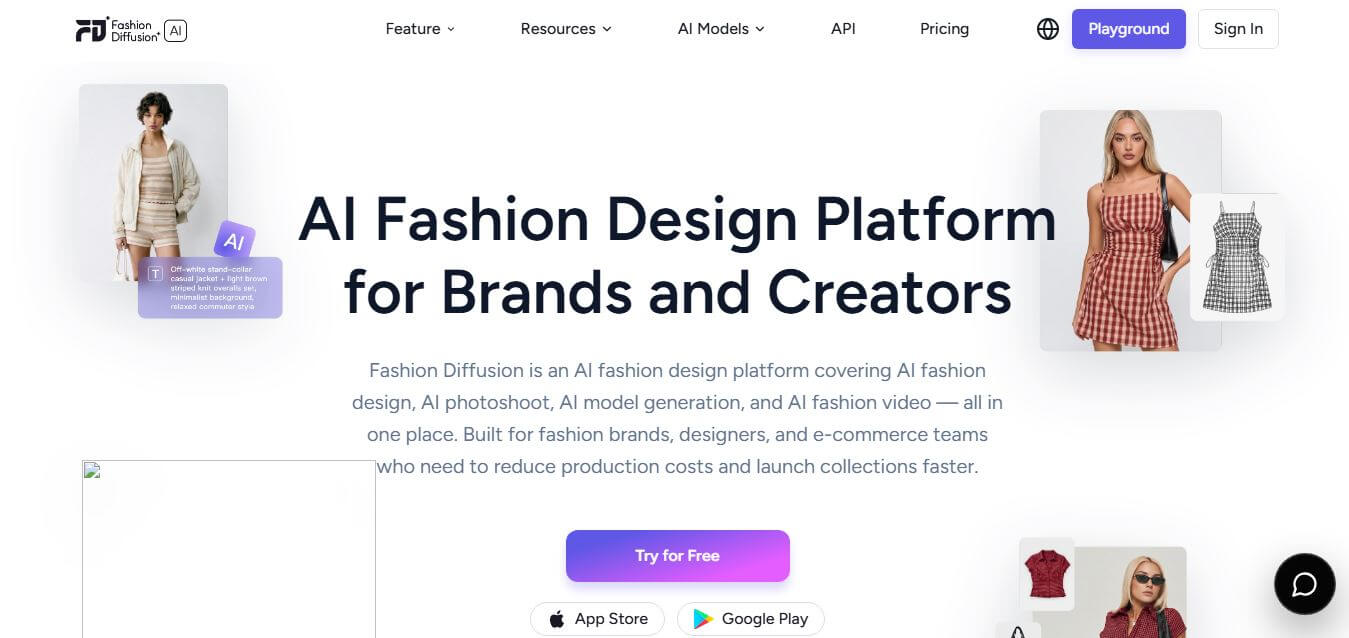
Fashion Diffusion is an AI-powered fashion design platform that helps brands and designers create clothing designs, virtual try-ons, AI models, product photos, and marketing visuals faster and cost-effectively.
Paid
Veo 4
Veo 4 AI is an AI video creation platform that generates dramatic videos from text, images, audio, and video prompts using realistic motion and synchronized sound.
Paid
Alternatives
Alternatives to Lily AI
Lily AI is an AI-driven retail intelligence platform that translates merchant product data into customer-centric attributes and descriptions, enhancing on-site search, SEO performance, product discovery, and marketing effectiveness across eCommerce channels.
 4.9
4.9Elasticsearch
E-commerce
Elasticsearch is an open-source, distributed search and analytics engine that helps teams store, search, and analyze structured, unstructured, and vector data in real time. It powers full-text search, AI-driven applications, and large-scale analytics with high speed, relevance, and scalability across cloud or on-prem environments.
 4.9
4.9Bloomreach
E-commerce
Bloomreach is an AI-powered ecommerce experience platform that helps businesses deliver personalized marketing, search, and shopping experiences across channels. It unifies customer and product data, uses Loomi AI for real-time decisioning, and automates campaigns, enabling brands to increase conversions, engagement, and revenue.
 4.9
4.9Coveo
E-commerce
Coveo is an AI-powered relevance and search platform that helps enterprises deliver personalized search, recommendations, and generative answers across websites, ecommerce, service, and workplace apps. It unifies data into a single index and uses machine learning to match user intent with the most relevant content and experiences.
 4.9
4.9Salesforce AI Shopping Assistants
E-commerce
Salesforce AI Shopping Assistants are AI-powered conversational agents that help customers discover, compare, and purchase products using natural language. They use real-time product, customer, and inventory data to deliver personalized recommendations, automate checkout tasks, and improve conversions through guided, end-to-end shopping experiences.
 4.9
4.9Zoovu
E-commerce
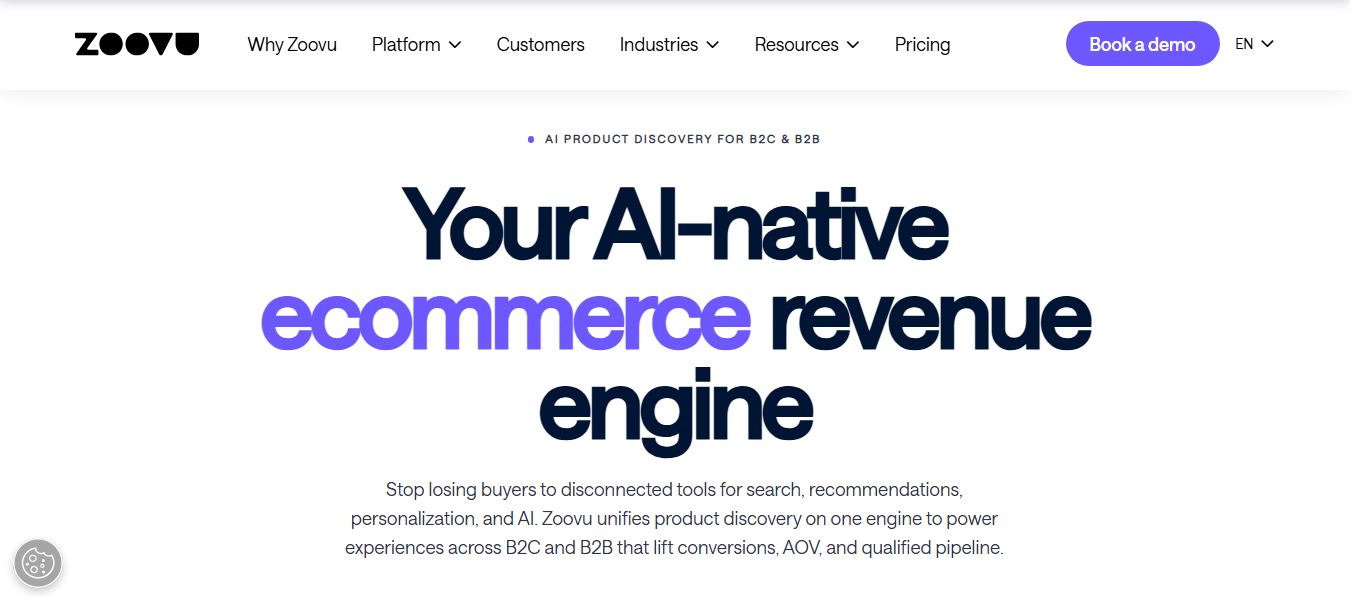
Zoovu is an AI-powered product discovery platform that helps ecommerce and B2B companies guide customers to the right products using AI search, personalization, and recommendations. It unifies data, conversational assistants, and guided selling to increase conversions, average order value, and overall customer experience.
 4.8
4.8Minicart
E-commerce
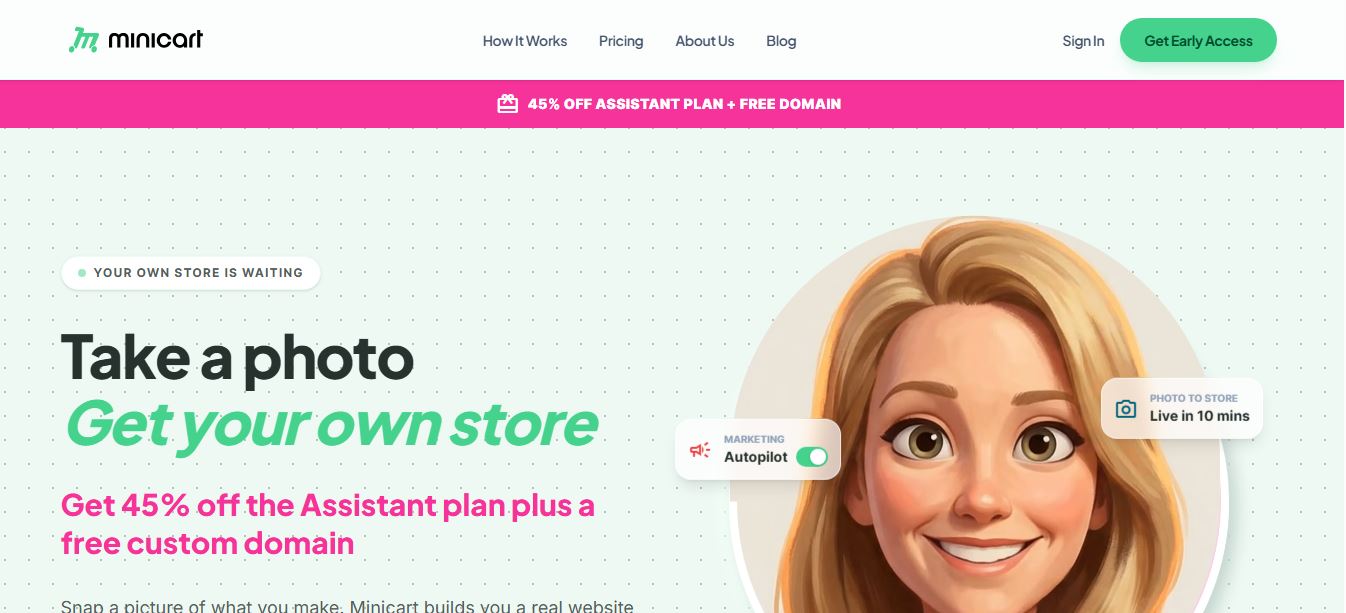
Minicart is an AI-native ecommerce platform and conversational store builder co-founded by Chris Nguyen that allows makers, creators, and merchants to launch, manage, and scale online storefronts purely by chatting with autonomous AI teammates—Sloane (Storefront), Milo (Marketing), and Logan (Logistics).
 4.8
4.8Oxolo
E-commerce
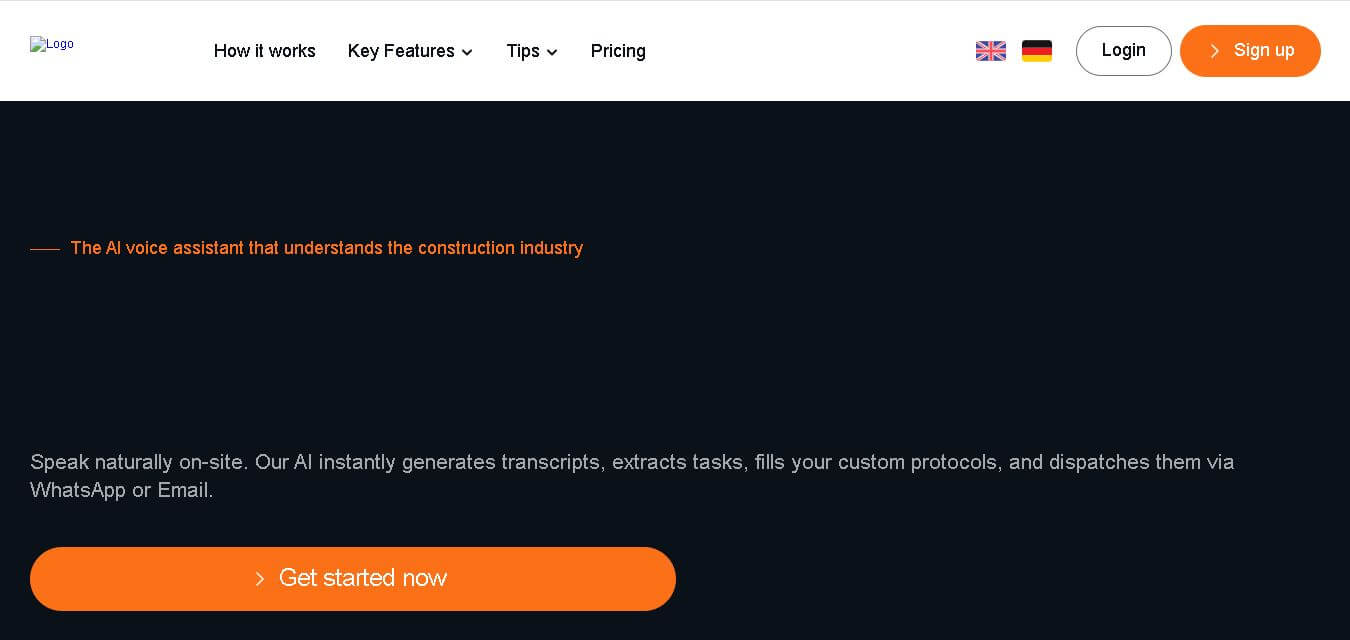
Oxolo helps construction teams document site activity without relying on extensive manual paperwork. Users can record what happens during walkthroughs, then use AI-generated transcripts, tasks, reports, translations, and template-based documents to organize the information. Offline recording, project collaboration, evidence capture, and WhatsApp or email delivery make it practical for busy field teams.
Richpanel
Customer Support
Richpanel is an AI-native customer support helpdesk and self-service platform designed specifically for e-commerce and DTC brands that combines an omnichannel shared inbox with autonomous AI agents, automated return/exchange portals, and round-the-clock comment moderation.
 4.8
4.8Gorgias
Customer Support
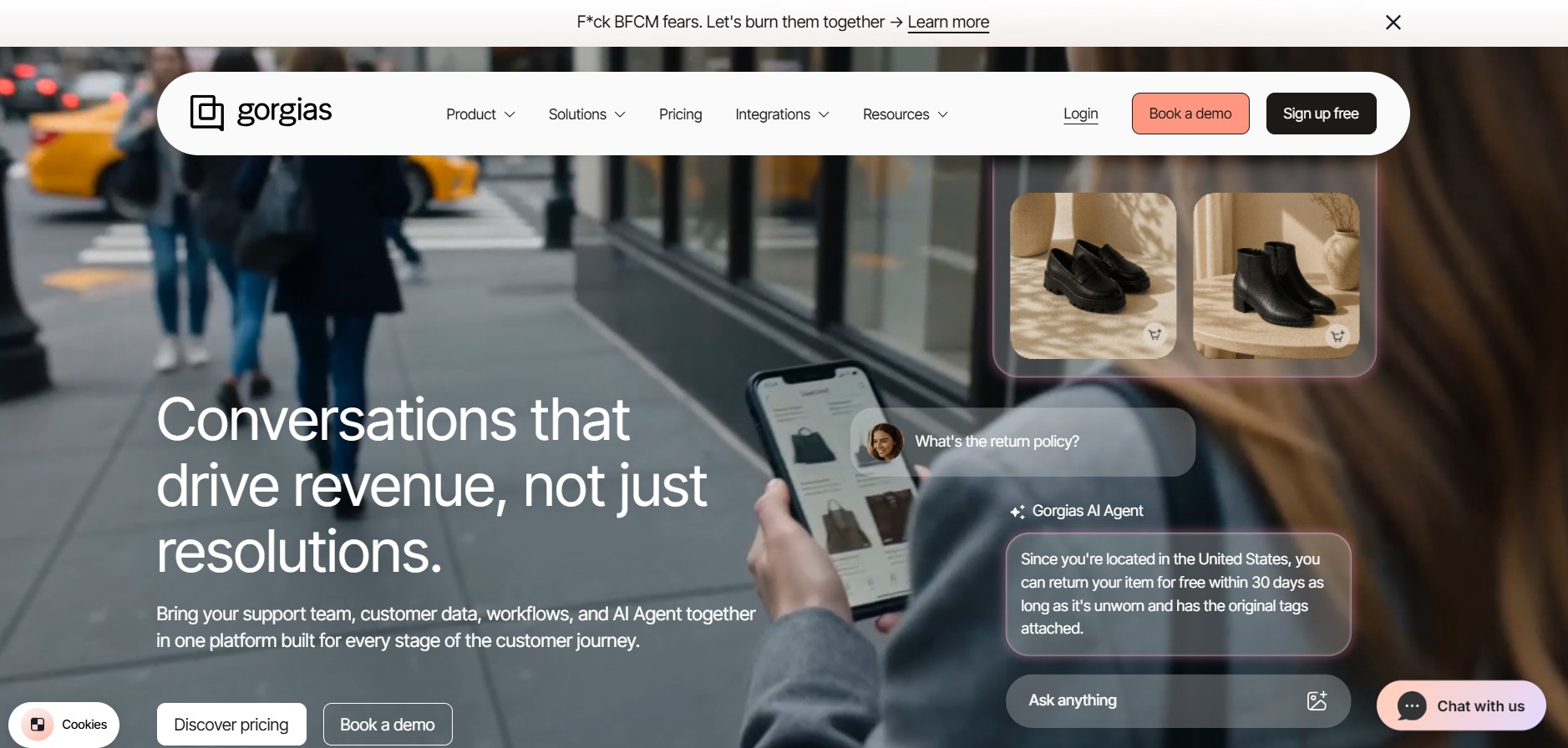
Gorgias is an e-commerce-specialized customer support helpdesk and AI customer service platform that centralizes omnichannel conversations across email, live chat, social comments, SMS, and WhatsApp with deep native Shopify, BigCommerce, and Magento integrations.