
Minicart
Minicart is an AI-native ecommerce platform and conversational store builder co-founded by Chris Nguyen that allows makers, creators, and merchants to launch, manage, and scale online storefronts purely by chatting with autonomous AI teammates—Sloane (Storefront), Milo (Marketing), and Logan (Logistics).
What is Minicart?
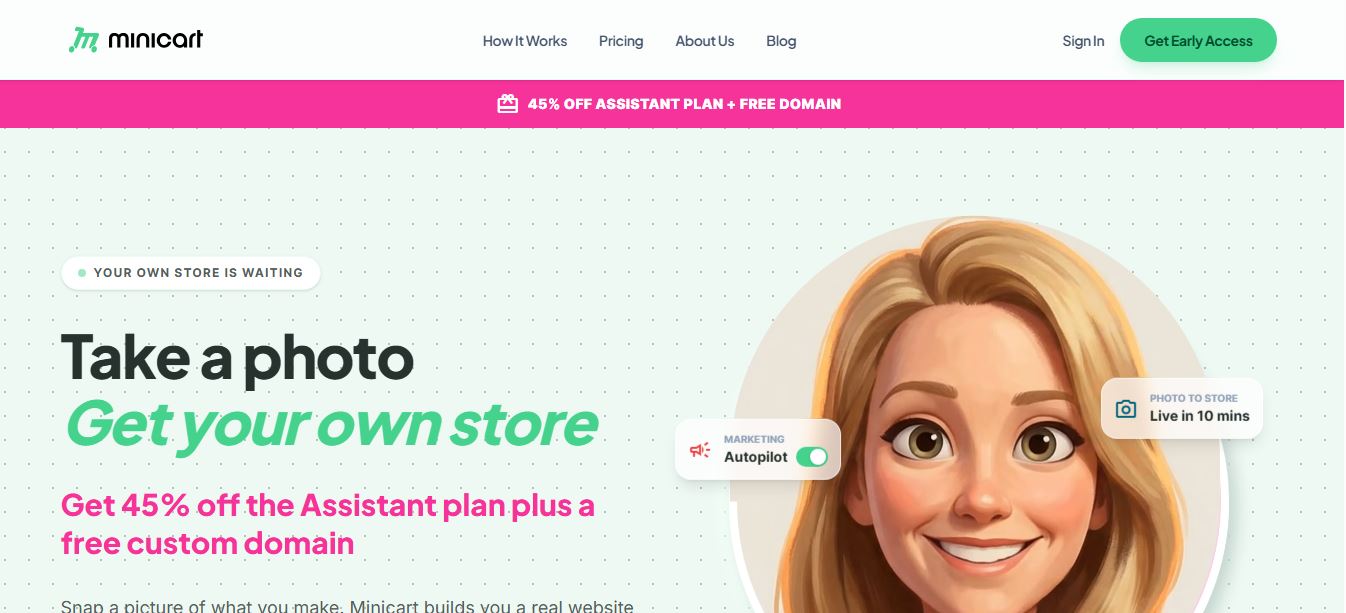
Minicart is an AI-powered eCommerce platform that lets you create and run your own online store simply by chatting with AI. Instead of using complex tools, you describe what you want, and AI teammates help build your storefront, manage products, handle marketing, and process orders. It’s designed for creators and small businesses who want a simple way to sell online. Unlike marketplaces, you own your store, brand, and customer relationships, while the platform automates most operations.
Built around the philosophy of “Launch and run your ecommerce store by chatting with AI,” Minicart replaces complex administrative dashboards with a dedicated trio of specialized AI teammates: Sloane for storefront design and product cataloging, Milo for marketing and social content, and Logan for shipping labels and customer care. Sellers can snap a photo of an item, state their price, and have an active, customized storefront live in under ten minutes.
- Platform Role: Conversational AI Ecommerce Builder, Autonomous Merchant Assistant & Storefront Hub
- Founders & Organization: Chris Nguyen and Team (Minicart Inc.)
- Cross-Platform Compatibility: Web application accessible on all modern desktop and mobile browsers, optimized for mobile camera photo-to-store creation
Use Cases:
- Launching full-featured online shops in minutes simply by uploading photos of physical goods, apparel, collectibles, or crafts
- Importing complete product catalogs, photos, pricing, and variants seamlessly from Etsy, eBay, or Shopify in a single click
- Drafting high-converting Instagram posts, promo codes, and seasonal sale campaigns through conversational prompts
- Fulfilling orders, calculating dynamic shipping rates, generating postage labels, and managing inventory levels effortlessly
- Drafting contextual, human-sounding customer support answers and handling return requests with merchant review and approval
Technology:
- Proprietary multi-agent orchestration architecture delegating store operations across specialized task models (Sloane, Milo, Logan)
- Computer vision pipelines converting raw smartphone product photos into studio-grade staged product imagery and listings
- Automated sales tax and merchant payment integration powered by Stripe and modern compliance infrastructure
- High-performance cloud storefront rendering with custom domain support and SSL security
Target Users:
- Independent artisans, crafters, ceramicists, and candle makers who want to sell online without managing complex software
- Resellers of trading cards, vintage apparel, sneakers, and boutique gifts escaping marketplace commissions
- Etsy and eBay merchants seeking an independent branded storefront while retaining direct ownership of customer emails and data
- Solo entrepreneurs seeking an AI co-pilot to handle marketing copy, shipping logistics, and customer service
Acquisition: Independent conversational e-commerce platform developed by Minicart Inc.
What are the key features of Minicart?
Minicart's key platform features are
- Photo-to-Store Generation: Snap or upload a photo of your product, tell the AI your price, and receive studio-quality mockups, title copy, and checkout listings automatically.
- Three Specialized AI Teammates: Features Sloane (manages site setup and inventory), Milo (crafts promotional campaigns and Instagram posts), and Logan (prepares shipping labels and drafts customer service replies).
- One-Click Marketplace Migration: Directly imports complete product catalogs, titles, descriptions, and variations from Etsy, eBay, and Shopify without disrupting existing shops.
- Conversational Chat Management: Manage inventory, trigger discounts, and update banners using natural conversational text prompts rather than complex back-end menus.
- Total Customer Ownership: Own your customer email and phone lists directly, free from third-party marketplace restrictions or cross-promotions.
- Zero Upfront Listing Fees: Publish unlimited products without recurring insertion or listing renewal charges.
- Integrated Shipping & Automated Sales Tax: Streamlines order fulfillment with built-in discount shipping labels and automated sales tax remittance.
- Custom Domain Support: Run on a branded Minicart subdomain or seamlessly connect your custom domain for complete brand identity.
How much does Minicart cost?
Minicart operates on a flexible model combining a permanent $0 monthly fee tier with scalable subscription tiers that offer reduced transaction rates for payment processing.
Subscription & Transaction Tiers:
- Free Plan ($0 / month): $0 monthly subscription fee and zero listing fees; includes full access to all three AI teammates (Sloane, Milo, Logan), unlimited product listings, and a standard transaction rate of 6% + 30¢ per sale.
- Assistant Plan (approx. $19 / month or promotional discounts): Designed for growing sellers; includes custom domain connection, priority compute, and reduced card rates at 2.9% + 30¢ per sale.
- Manager & Director Plans (from $49 / month): High-volume plans for scaling merchants featuring dedicated support and lower payment rates scaling down to 2.5% + 30¢ per sale.
Disclaimer: Minicart does not charge listing or renewal fees. Credit card processing rates depend on the active plan tier. Check minicart.com for active promotional discounts and terms.
Who should use Minicart?
Minicart is designed for independent creators, resellers, and small businesses, including
- Handmade Artisans & Crafters: Creators who want to spend their time making goods rather than configuring complex e-commerce software and theme code.
- Marketplace Sellers (Etsy / eBay): Merchants who want to escape high platform fees and algorithm dependencies while owning their customer relationships.
- Resellers & Collectibles Dealers: Fast-turnover sellers dealing in sneakers, cards, and vintage items who need to catalog and list items in seconds on their phone.
- Solo Founders: Micro-business owners who need the equivalent of a store manager, copywriter, and support rep without hiring staff.
What are the best alternatives to Minicart?
Some of the strongest Minicart alternatives include
- Shopify
- Etsy
- Gumroad
- Squarespace Commerce
- Big Cartel
- Marketsy.ai
What are the pros and cons of Minicart?
What are the pros of Minicart?
- Extremely fast setup—launch an operational, branded web storefront in under 10 minutes from a smartphone photo
- Conversational multi-agent interface eliminates dashboard fatigue and technical learning curves
- Generous free plan with zero monthly subscription fees and no listing insertion fees
- Full ownership over your customer list and brand communications without marketplace interference
- 1-click import functionality smoothly bridges existing Etsy, eBay, or Shopify stores
What are the cons of Minicart?
- Transaction card rate on the free plan is higher than traditional standalone merchant gateways
- Less granular custom CSS and developer code control compared to self-hosted platforms like WooCommerce or Shopify Liquid
- Does not offer built-in marketplace search discovery; sellers must drive their own customer traffic
Why should you choose Minicart?
Building an online storefront traditionally forces sellers into a difficult compromise: spend weeks learning intricate platforms like Shopify or accept the high fees, arbitrary algorithm changes, and lack of customer ownership on marketplaces like Etsy. Minicart eliminates this friction by giving merchants their own standalone store alongside an autonomous AI workforce. By handling product copy, image styling, social promotion, and logistics through straightforward conversational prompts, Minicart makes running an independent business accessible to everyone.
- Launch a live, mobile-responsive storefront simply by texting and uploading product snapshots
- Automate marketing campaigns, Instagram drafts, and customer support with AI co-pilots
- Retain 100% ownership over your brand, pricing, domain, and customer contact lists
- Migrate inventory instantly from existing marketplace shops without manual data entry
How does Minicart compare to competitors?
The core differences between Minicart, Shopify, Etsy, and Gumroad center on administrative overhead, autonomy, and ownership. While Shopify requires hands-on configuration and app stack management, and Etsy locks merchants inside a closed marketplace algorithm with listing fees, Minicart combines independent store ownership with automated AI teammates that run day-to-day operations via chat.
| Feature / Platform | Minicart | Shopify | Etsy | Gumroad |
|---|---|---|---|---|
| Core Focus | Conversational AI Store Builder & Autonomous Ops | Comprehensive Enterprise & SMB Ecommerce Suite | Handmade & Vintage Discovery Marketplace | Creator Digital & Physical Product Checkout |
| Interface | Conversational Chat Interface (AI Teammates) | Admin Dashboard & App Ecosystem | Seller Portal Dashboard | Minimalist Dashboard |
| Store Launch Time | Under 10 minutes (from a single photo) | Several hours to weeks | 30 to 60 minutes | 15 to 30 minutes |
| Listing Fees | $0 (Zero listing or renewal fees) | $0 (Included in monthly subscription) | $0.20 per listing / 4-month renewal | $0 (Flat transaction fee) |
| Customer Ownership | Full ownership (direct email/phone list access) | Full ownership | Restricted (marketplace-owned buyer relationship) | Full ownership |
| Pricing Structure | Free tier (6% + 30¢) / Paid from $19/mo (2.9% + 30¢) | From $39/mo + 2.9% + 30¢ | 6.5% transaction fee + payment processing + listing fees | 10% flat fee + processing |
| Best For | Makers and resellers wanting an AI team to run operations | Scaling merchants needing custom logic and complex app stacks | Artisans relying purely on marketplace search traffic | Creators selling simple digital downloads and merchandise |
How do we rate Minicart?
| Parameter | Rating (out of 5) |
|---|---|
| Ease of Setup & Photo-to-Store Flow | 5.0 |
| Conversational AI Teammates (Sloane, Milo, Logan) | 4.9 |
| Marketplace Catalog Migration | 4.8 |
| Storefront Customization & Independence | 4.6 |
| Value for Money | 4.8 |
| Overall Score | 4.82 |
What is our review and verdict on Minicart?
Minicart is one of the most innovative and creator-friendly applications of generative AI in commerce today. By shifting the e-commerce workflow from manual administrative dashboards to collaborative conversational agents, Minicart lowers the barrier to digital entrepreneurship. Its 10-minute setup, frictionless marketplace catalog import, and zero-listing-fee structure make it an outstanding choice for independent makers and resellers ready to own their customer relationships.
Conclusion
MiniCart simplifies online selling by providing a lightweight and flexible way to manage products, carts, and checkout experiences. Instead of building a full eCommerce system from scratch, users can quickly integrate and customize a streamlined shopping flow. This makes it useful for small businesses and creators looking for a simple setup. Overall, MiniCart reduces complexity, helping users launch and manage online sales efficiently while keeping the experience fast and user-friendly.
FAQ
What is Minicart and how does it work?
Minicart is an AI-powered ecommerce platform that lets you create and run an online store using simple chat commands. Instead of manually building a website, you describe what you want, and AI teammates generate your storefront, products, and operations for you. It simplifies store management by automating tasks like setup, marketing, and order handling.
Is Minicart a marketplace like Etsy or Amazon?
No, Minicart is not a marketplace. It gives you your own independent online store with your own branding and customer relationships. You control your audience and traffic, unlike marketplaces where products compete in shared listings.
Is Minicart free to use?
Yes, Minicart offers a free plan where you can build and run a full store with no monthly fee. Instead, it charges a transaction fee per sale. Paid plans reduce this fee and unlock advanced features like custom domains and higher limits.
What products can I sell on Minicart?
You can sell a wide range of products including handmade goods, art, clothing, digital downloads, collectibles, and small-batch items. However, restricted products (like illegal or regulated goods) are not allowed based on payment provider policies.
How does Minicart handle payments and fees?
Minicart charges a percentage per transaction instead of listing fees. The free plan has higher transaction rates, while paid plans offer lower fees. Payments, taxes, and payouts are handled automatically, simplifying financial management for sellers.
Is Minicart available worldwide?
Currently, selling on Minicart is limited to users based in the United States. However, the platform may expand to other regions in the future as it grows.
User Reviews
No reviews yet for Minicart.
Featured Tools
Featured AI tools from TechShark
Melody Genie
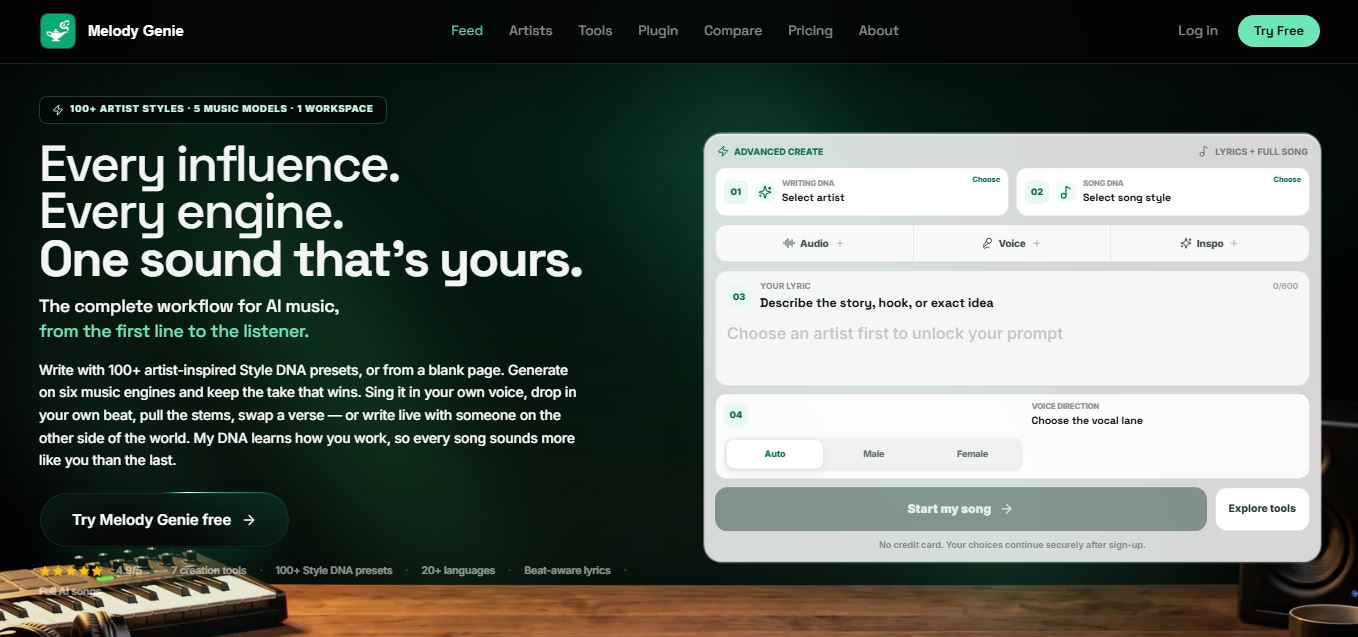
MelodyGenie is an AI-powered music generator that creates original songs from simple text prompts. Users can choose styles, moods, and genres, then instantly generate melodies and full tracks, making it easy for creators, marketers, and hobbyists to produce custom music without musical expertise.
Freemium
Kimi AI
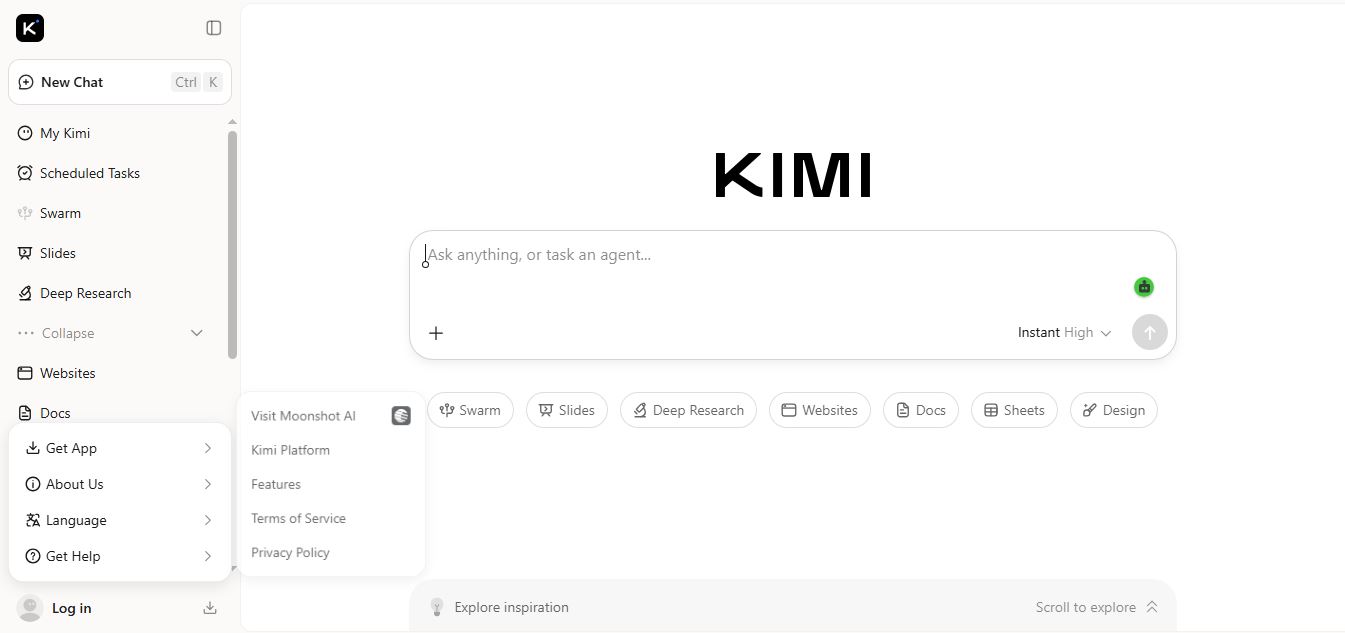
Kimi AI is an advanced AI assistant developed by Moonshot AI that helps you chat, research, write, code, and automate tasks in one place. It supports web search, file analysis, and multimodal inputs, and can even run autonomous “agent” workflows to complete complex tasks end-to-end.
Freemium

Fashion Diffusion AI
Fashion Diffusion is an AI-powered fashion design platform that helps brands and designers create clothing designs, virtual try-ons, AI models, product photos, and marketing visuals faster and cost-effectively.
Paid

Veo 4
Veo 4 AI is an AI video creation platform that generates dramatic videos from text, images, audio, and video prompts using realistic motion and synchronized sound.
Paid
Alternatives
Alternatives to Minicart
The best Minicart alternatives include Shopify, Etsy, Gumroad, Squarespace Commerce, and Big Cartel. While Minicart uniquely provides a conversational multi-agent workflow with zero listing fees and 10-minute photo-to-store launches, alternatives like Shopify cater to custom enterprise architectures and Etsy offers built-in marketplace search discovery.
 4.9
4.9Elasticsearch
E-commerce
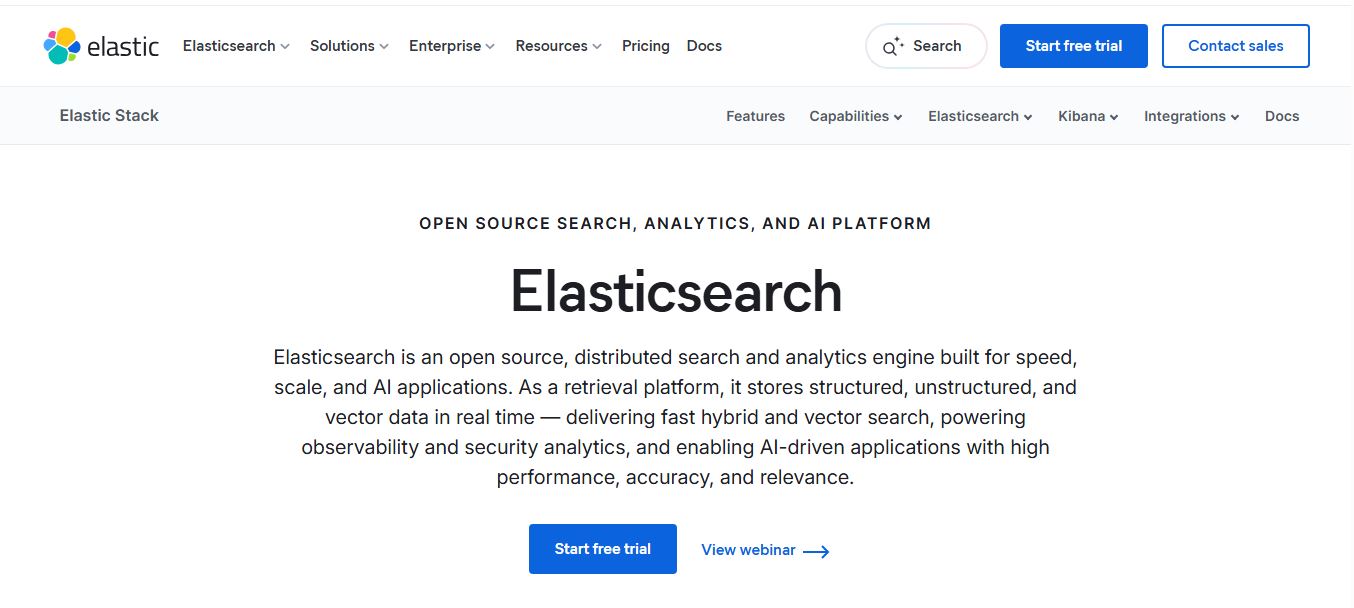
Elasticsearch is an open-source, distributed search and analytics engine that helps teams store, search, and analyze structured, unstructured, and vector data in real time. It powers full-text search, AI-driven applications, and large-scale analytics with high speed, relevance, and scalability across cloud or on-prem environments.
 4.9
4.9Bloomreach
E-commerce
Bloomreach is an AI-powered ecommerce experience platform that helps businesses deliver personalized marketing, search, and shopping experiences across channels. It unifies customer and product data, uses Loomi AI for real-time decisioning, and automates campaigns, enabling brands to increase conversions, engagement, and revenue.
 4.9
4.9Coveo
E-commerce
Coveo is an AI-powered relevance and search platform that helps enterprises deliver personalized search, recommendations, and generative answers across websites, ecommerce, service, and workplace apps. It unifies data into a single index and uses machine learning to match user intent with the most relevant content and experiences.
 4.9
4.9Salesforce AI Shopping Assistants
E-commerce
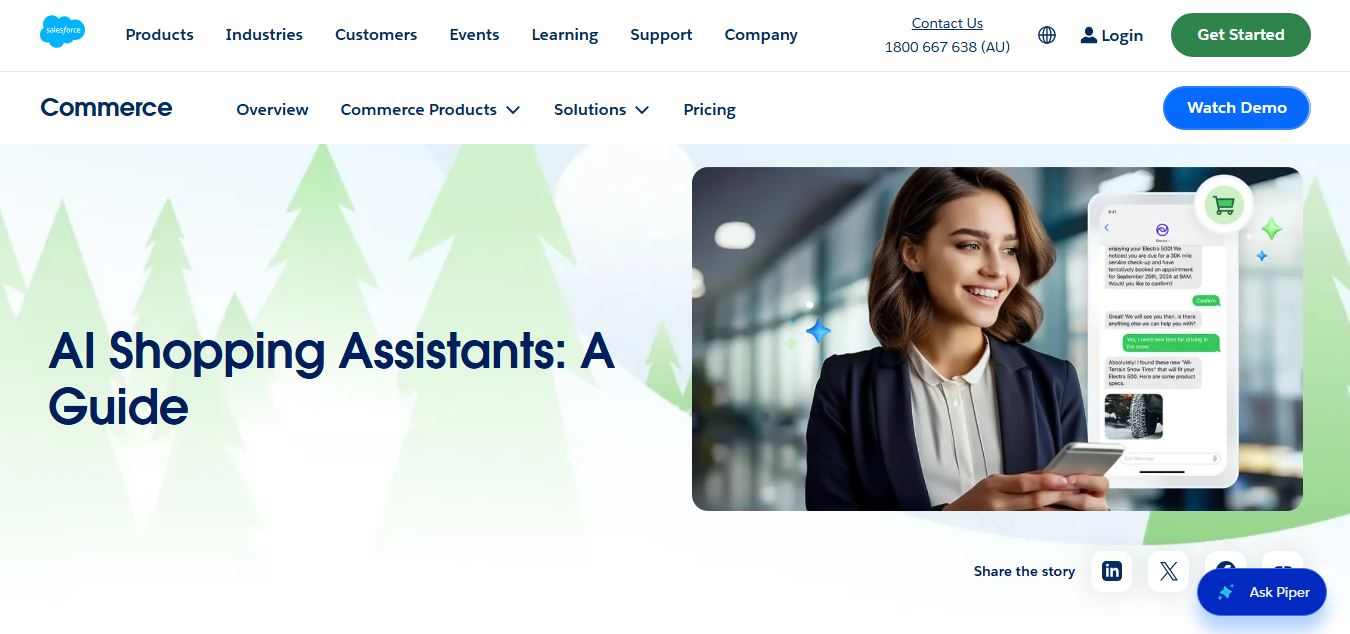
Salesforce AI Shopping Assistants are AI-powered conversational agents that help customers discover, compare, and purchase products using natural language. They use real-time product, customer, and inventory data to deliver personalized recommendations, automate checkout tasks, and improve conversions through guided, end-to-end shopping experiences.
 4.9
4.9Zoovu
E-commerce
Zoovu is an AI-powered product discovery platform that helps ecommerce and B2B companies guide customers to the right products using AI search, personalization, and recommendations. It unifies data, conversational assistants, and guided selling to increase conversions, average order value, and overall customer experience.
 4.8
4.8Oxolo
E-commerce
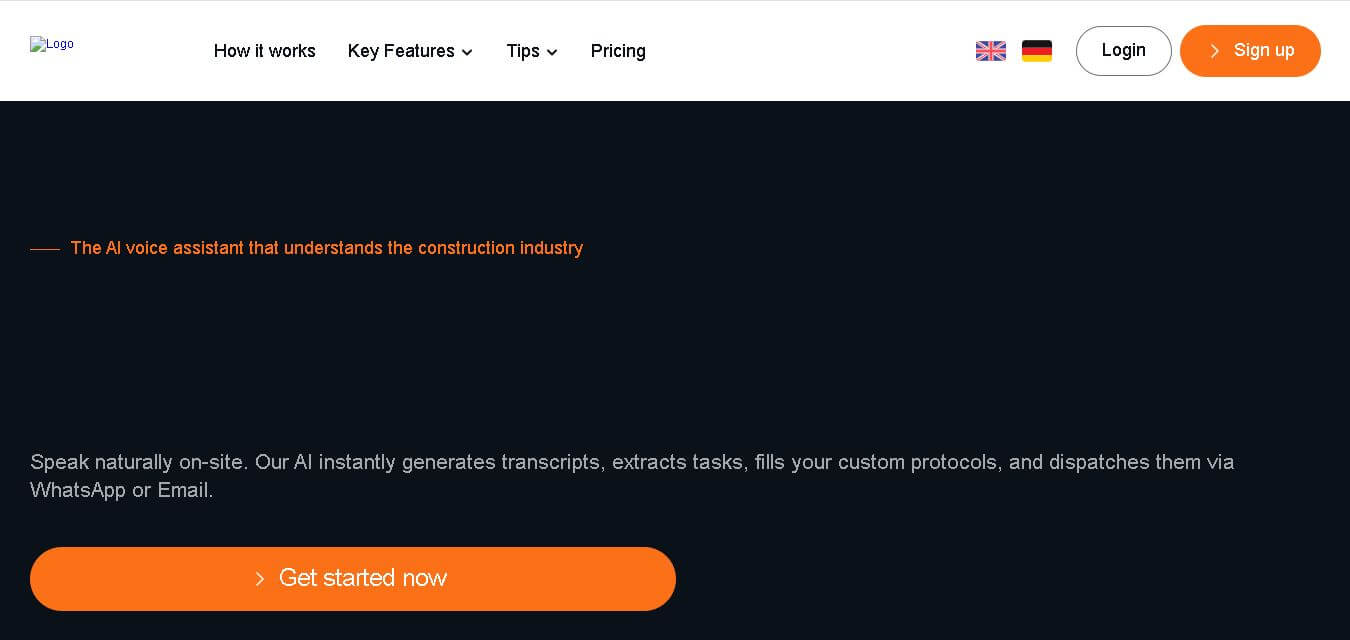
Oxolo helps construction teams document site activity without relying on extensive manual paperwork. Users can record what happens during walkthroughs, then use AI-generated transcripts, tasks, reports, translations, and template-based documents to organize the information. Offline recording, project collaboration, evidence capture, and WhatsApp or email delivery make it practical for busy field teams.
Richpanel
Customer Support
Richpanel is an AI-native customer support helpdesk and self-service platform designed specifically for e-commerce and DTC brands that combines an omnichannel shared inbox with autonomous AI agents, automated return/exchange portals, and round-the-clock comment moderation.
 4.8
4.8Gorgias
Customer Support
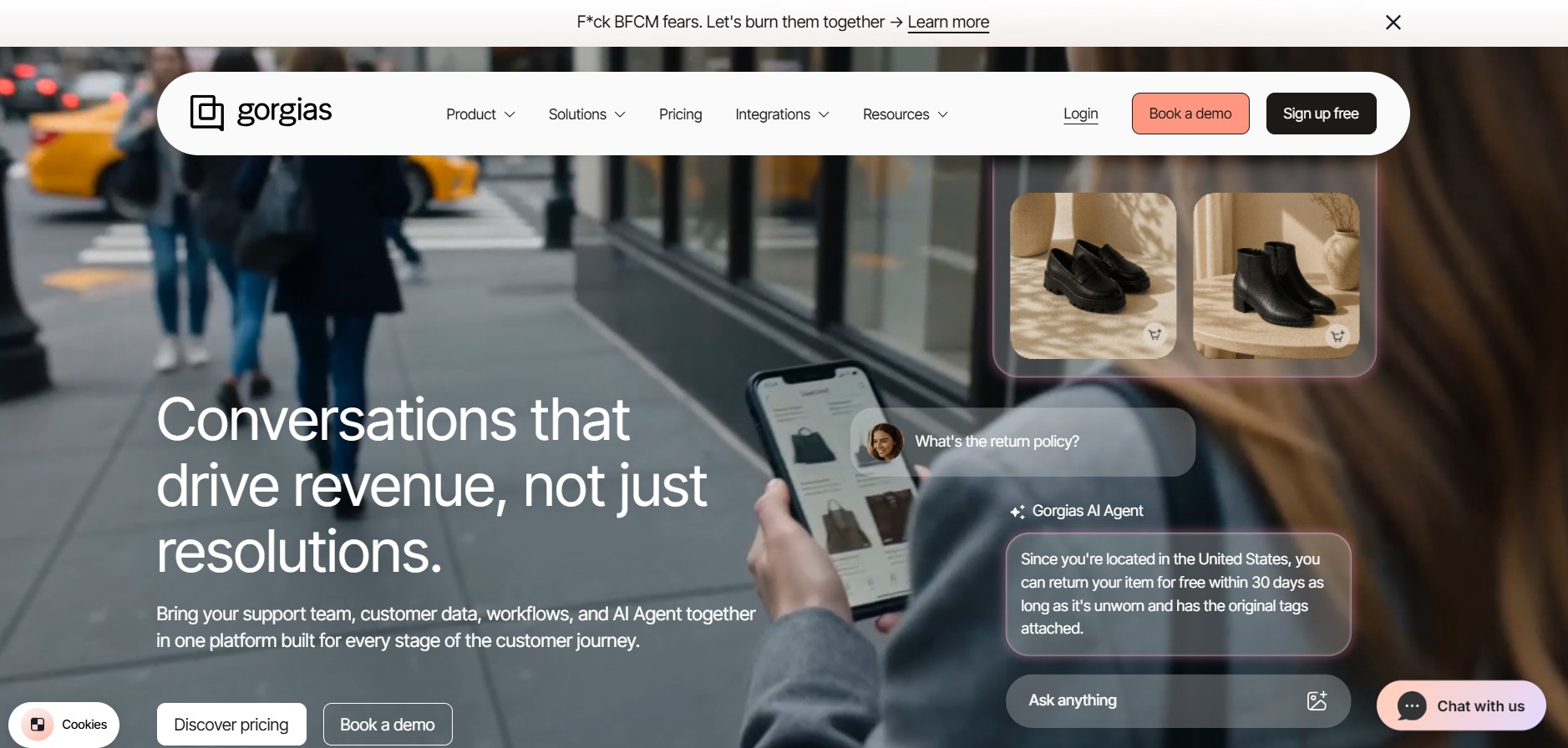
Gorgias is an e-commerce-specialized customer support helpdesk and AI customer service platform that centralizes omnichannel conversations across email, live chat, social comments, SMS, and WhatsApp with deep native Shopify, BigCommerce, and Magento integrations.
 4.9
4.9Neonjelly
Marketing
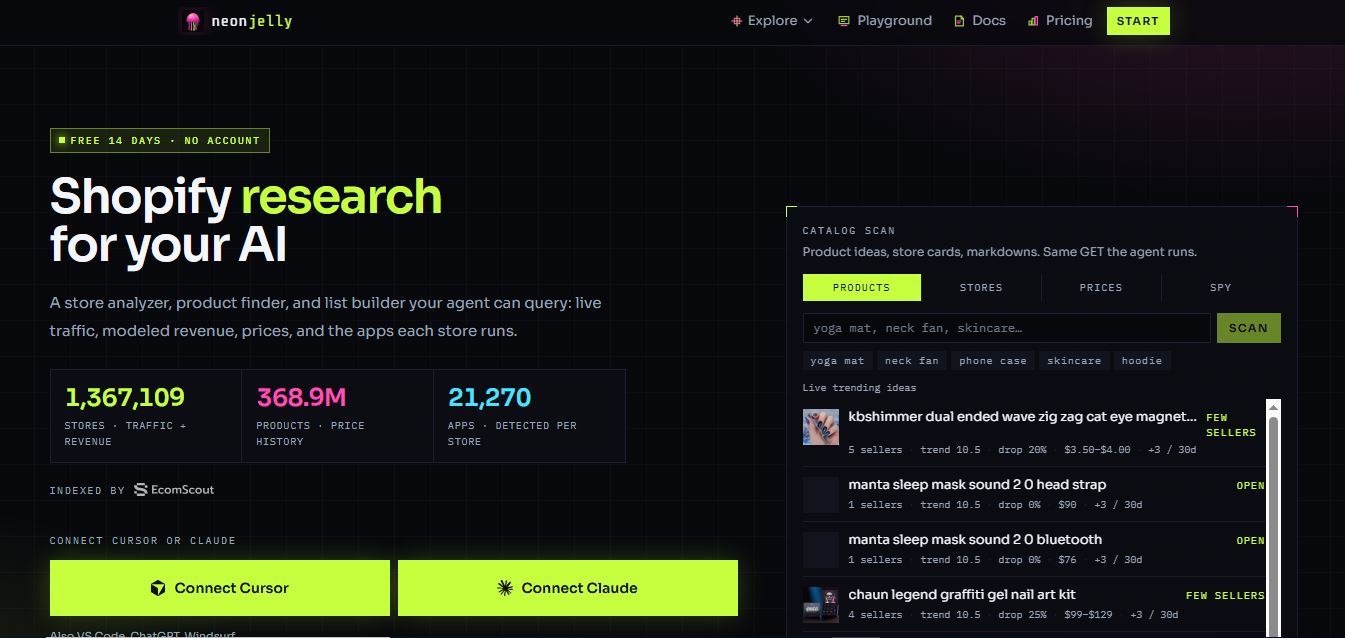
Neonjelly is an AI-powered Shopify competitor research, store tracking, and e-commerce intelligence platform that provides access to data across 1.37 million Shopify stores—including estimated traffic, revenue, catalog price shifts, saturation verdicts, and contact emails—via 59 native Model Context Protocol (MCP) tools for Cursor, Claude, and ChatGPT.