
Abridge
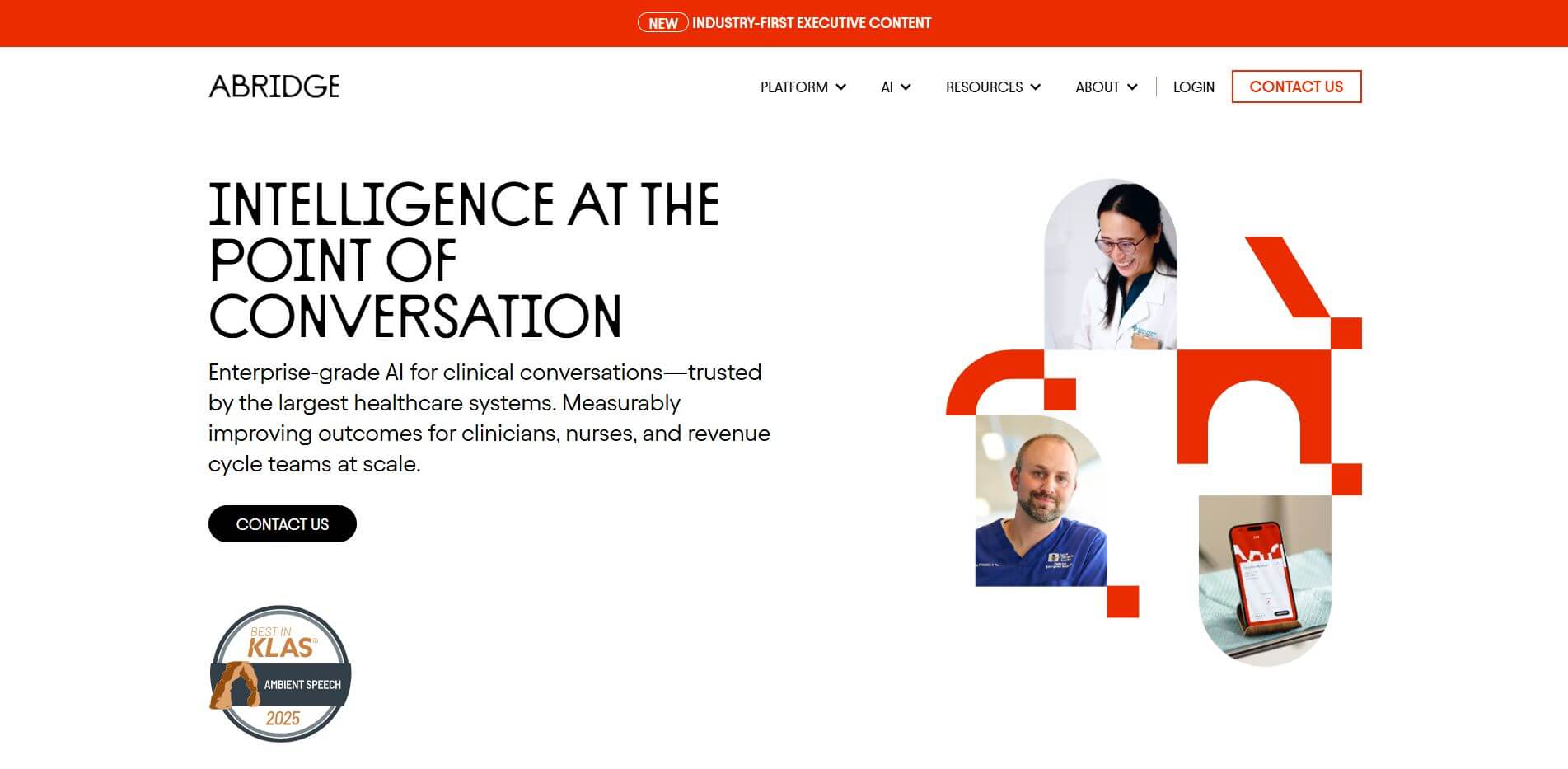
Abridge is a healthcare-focused AI platform that helps doctors turn patient conversations into accurate clinical notes in real time. It reduces paperwork, saves time, and allows clinicians to focus more on patient care instead of documentation tasks.
What is Abridge?
Abridge is an AI-powered healthcare platform designed to help doctors and clinicians automatically convert patient conversations into structured clinical notes. Instead of spending hours on documentation, healthcare professionals can focus more on patient care while Abridge handles the note-taking in real time. It listens to medical conversations, identifies key details, and organizes them into accurate, easy-to-review summaries. This not only reduces administrative workload but also improves efficiency and accuracy in medical records. Abridge acts like a smart assistant for clinicians, making their daily workflow smoother and allowing them to spend more time with patients.
- Founder: Dr. Shiv Rao
- Launch: 2018
- Use Cases: Clinical documentation, revenue cycle management, nursing workflows, patient education
- Technology: Generative AI with the Abridge Contextual Reasoning Engine, integrated into EHR systems like Epic, athenahealth, and Cerner
Abridge, founded in 2018, is a rapidly growing AI healthcare platform used by thousands of clinicians worldwide. It processes over 100 million patient conversations annually and supports 40+ medical specialties and 25+ languages. The platform helps reduce documentation effort by up to 80% and saves clinicians around 30 minutes daily. Studies show it can lower cognitive load by nearly 70%, improving overall efficiency. Abridge is adopted by hundreds of healthcare systems and continues to scale quickly, with strong user retention and increasing demand for AI-driven clinical documentation solutions across the global healthcare industry.
Key Features of Abridge
Abridge offers several powerful features that make clinical documentation faster and more efficient for healthcare professionals. It focuses on reducing manual work while improving accuracy and patient care.
- AI-Powered Note Generation: Automatically converts patient conversations into structured clinical notes
- Real-Time Transcription: Captures and processes doctor-patient conversations instantly
- Medical Context Understanding: Identifies key medical terms, diagnoses, and treatment details accurately
- EHR Integration: Seamlessly integrates with electronic health record systems
- Multilingual Support: Works across multiple languages for diverse patient interactions
- Summarization & Insights: Provides clear, organized summaries for quick review
- HIPAA-Compliant Security: Ensures patient data privacy and security
- Workflow Automation: Reduces administrative burden and improves efficiency
Abridge Pricing
Abridge follows a tailored pricing model for enterprises, which means you won’t find fixed plans or public pricing on its website. It is mainly designed for hospitals and large healthcare organizations, so pricing depends on factors like the number of clinicians, integrations, and overall usage. Organizations usually need to contact the sales team to get a tailored quote based on their requirements.
- Custom Pricing Model: No fixed plans; pricing is based on organization size and needs
- Estimated Cost: Around $200 to $800+ per provider per month
- Annual Pricing: Roughly $2,500 to $7,000+ per clinician per year
- Enterprise Focus: Built for hospitals and large healthcare systems
- Integration Costs: May vary depending on EHR systems like Epic
- No Free Plan: Does not offer a free trial or individual subscription
Is Abridge Worth It?
Abridge is definitely worth it if you are part of a healthcare organization that deals with heavy documentation and wants to improve efficiency. It helps clinicians save time by automatically converting patient conversations into structured notes, allowing them to focus more on patient care instead of paperwork.
- Worth it for: Hospitals, clinics, and healthcare systems with high patient volume
- Saves Time: Reduces manual documentation and daily workload
- Improves Accuracy: Captures important medical details effectively
- Reduces Burnout: Less administrative work for clinicians
- Not ideal for: Individual users or small practices due to enterprise pricing.
Disclaimer: For the latest and most accurate pricing information, please visit the official Abridge website.
How Does Abridge Work?
Abridge works by using AI to listen to and understand conversations between doctors and patients, then automatically turning them into structured clinical notes. It acts like a smart assistant that handles documentation in real time, reducing the need for manual note-taking.
- Step 1: Capture Conversation: Abridge records the conversation between the clinician and patient during the visit
- Step 2: AI Processing: The AI analyzes the conversation and identifies key medical details like symptoms, diagnosis, and treatment
- Step 3: Note Generation: It converts the conversation into structured, easy-to-read clinical notes
- Step 4: Review & Edit: Clinicians can quickly review and make small edits if needed
- Step 5: EHR Integration: The final notes are automatically added to the Electronic Health Record (EHR) system

Why Did Abridge Become Popular?
Abridge became popular because it solved a major problem in healthcare—time-consuming documentation. Doctors often spend hours writing notes after patient visits, which leads to burnout and less time for actual patient care. Abridge changed this by using AI to automatically convert conversations into structured medical notes in real time.
- Saves Time: Reduces hours spent on manual documentation
- Reduces Burnout: Less paperwork means less stress for clinicians
- High Accuracy: Captures important medical details reliably
- Real-Time Documentation: Notes are ready immediately after consultations
- Seamless Integration: Works smoothly with existing EHR systems
- Focus on Patient Care: Allows doctors to spend more time with patients
Who Is Using Abridge?
Abridge is mainly used by healthcare professionals and organizations that deal with a high volume of patient interactions and documentation. It is designed to make clinical workflows easier by reducing the time spent on note-taking and improving overall efficiency.
- Doctors & Clinicians: Use Abridge to automatically generate clinical notes from patient conversations
- Hospitals & Health Systems: Adopt it to streamline documentation across departments
- Nurses & Care Teams: Benefit from accurate and quick patient summaries
- Medical Practices: Use it to reduce administrative workload and improve productivity
- Telehealth Providers: Leverage it for virtual consultations and real-time documentation
- Healthcare Enterprises: Implement it at scale for better workflow automation and data management
Best Abridge Alternatives
If you’re looking for alternatives to Abridge, there are several strong options depending on your use case—whether you’re a large hospital, small clinic, or independent practitioner. Most alternatives focus on AI-powered clinical documentation, medical scribing, and workflow automation. Abridge mainly competes in the AI medical scribe and clinical documentation space, where tools like DeepScribe, Suki, and Nabla are the most direct alternatives.
- DeepScribe – One of the closest competitors, known for automating clinical documentation, especially for complex specialties
- Suki AI – Popular for voice-based documentation and strong EHR integration
- Nabla – AI assistant for generating clinical notes and improving workflow efficiency
- Ambience Healthcare – Advanced platform for documentation, coding, and automation
- Freed AI – Affordable option for small practices with simple setup and transparent pricing
- Heidi Health – Real-time AI documentation tool with structured medical records
- Microsoft Dragon Copilot – Enterprise-grade solution for large healthcare systems
Abridge Use Cases
Abridge is used in real-world healthcare scenarios where documentation and time management are critical. It helps streamline workflows by automating note-taking and improving efficiency across different medical environments. Abridge is best used in environments where accurate, fast, and scalable medical documentation is essential.
- Clinical Documentation: Doctors use Abridge to automatically convert patient conversations into structured medical notes
- Hospital Workflows: Health systems use it to standardize documentation across departments and reduce administrative burden
- Telehealth Consultations: Enables real-time note generation during virtual patient visits
- Specialty Care (e.g., cardiology, pediatrics): Helps capture detailed, specialty-specific medical information accurately
- Medical Coding Support: Assists in organizing notes that can be used for billing and coding processes
- Patient Summaries: Generates easy-to-understand summaries that can be shared with patients
- Care Coordination: Improves communication between care teams with clear and structured records
- Reducing Clinician Burnout: Minimizes manual paperwork, allowing clinicians to focus more on patient care
Abridge Pros and Cons
Abridge is a powerful AI tool for healthcare documentation, but it comes with both advantages and limitations depending on your needs and scale. it is highly valuable for large healthcare setups looking to improve efficiency, but it may not be the best fit for smaller practices with limited budgets.
Pros
- Saves Time: Automatically creates clinical notes, reducing manual work
- Improves Efficiency: Speeds up documentation and daily workflows
- Accurate Note Generation: Captures key medical details effectively
- Reduces Burnout: Less paperwork means more focus on patient care
- Real-Time Processing: Notes are generated during or right after consultations
- EHR Integration: Works seamlessly with existing healthcare systems
- Multilingual Support: Useful for diverse patient interactions
Cons
- Enterprise Pricing: Can be expensive for small clinics or individual users
- Limited Availability: Mainly designed for large healthcare organizations
- Learning Curve: Initial setup and adaptation may take time
- Dependence on Audio Quality: Accuracy depends on clear conversations
- Customization Limits: Less flexibility compared to manual documentation
Abridge vs Competitors
When comparing Abridge with its competitors, the main difference is its enterprise focus, documentation quality, pricing model, and flexibility. Abridge is considered one of the top AI medical scribe platforms, especially for large healthcare systems, but other tools can be better depending on your needs and budget.
| Feature / Tool | Abridge | Suki AI | DeepScribe | Nabla |
|---|---|---|---|---|
| Core Focus | Enterprise AI medical scribe | Voice + AI assistant | Clinical documentation | AI assistant with free tier |
| Best For | Large health systems | Mid-size practices | Specialty clinics | Individual clinicians |
| Pricing | Custom (enterprise) | Per-user pricing | Mid-range pricing | Free + paid plans |
| EHR Integration | Deep Epic integration | Multi-EHR support | Broad compatibility | Wide EHR support |
| Ease of Use | High (automated) | Moderate (voice commands) | Moderate | High (simple setup) |
| Unique Strength | Linked evidence + high accuracy | Voice interaction | Specialty support | Free plan + strong compliance |
How We Rate Abridge?
We rate Abridge based on key factors that matter most in healthcare tools, such as accuracy, efficiency, ease of use, and overall value. Our evaluation focuses on real-world performance—how well the platform reduces documentation time and improves clinician workflow.
| Parameter | Rating (Out of 5) |
|---|---|
| Ease of Use | 4.6 |
| Accuracy & Note Quality | 4.8 |
| Features & Capabilities | 4.5 |
| Speed & Efficiency | 4.7 |
| Integration (EHR) | 4.8 |
| Pricing Value | 4.2 |
| Overall Rating | 4.6 |
Abridge Review
If you’re a doctor or part of a healthcare team, you probably know how exhausting documentation can get. That’s exactly where Abridge makes a real difference. It feels less like a tool and more like a silent assistant sitting beside you, listening to patient conversations and turning them into structured notes without you having to type everything out.
What I really like about Abridge is how much time it saves. Instead of spending extra hours after consultations, you get your notes almost instantly. It also does a solid job of picking up important medical details, which makes your workflow smoother and less stressful. Over time, this can genuinely reduce burnout and help you focus more on your patients. That said, it’s not something you can just sign up for and start using right away. It’s built mainly for hospitals and large healthcare systems, so access and pricing can be a barrier for smaller practices. Also, like any AI, you still need to quickly review the notes to ensure everything is accurate.
Overall, if you’re working in a large healthcare setup and want to reduce your daily workload, Abridge is a very practical and reliable solution.
Conclusion
If you’re someone working in healthcare, you already know how much time goes into documentation—it’s tiring and often takes away from actual patient care. Abridge feels like a practical solution to that problem. It quietly handles note-taking in the background, giving you more time to focus on what really matters—your patients. From my perspective, it’s not about replacing your work but making your day smoother and less stressful. You still stay in control, but with far less manual effort. The only downside is that it’s not easily accessible for everyone, especially smaller practices.
People are also reading:
FAQ
Is Abridge easy to use for doctors?
Yes, once it’s set up, it actually feels very natural. You don’t have to learn complex features—it just listens to your conversation and creates notes. If you’re already busy, this simplicity makes a big difference.
Will Abridge really save my time?
In most cases, yes. Instead of spending extra time after patient visits writing notes, you get them almost instantly. Over time, this can free up a good portion of your day.
Is Abridge suitable for small clinics?
Not always. From what I’ve seen, it’s mainly designed for large healthcare systems. Smaller clinics might find it harder to access or afford compared to other tools.
Can Abridge handle different medical specialties?
Yes, it works across multiple specialties. Whether you’re in general practice or a specific field, it can capture relevant details quite effectively.
Does it work with existing hospital systems?
Yes, that’s actually one of its strengths. It integrates with EHR systems, which means you don’t have to change your existing workflow much.
User Reviews
No reviews yet for Abridge.
Featured Tools
Featured AI tools from TechShark
Melody Genie
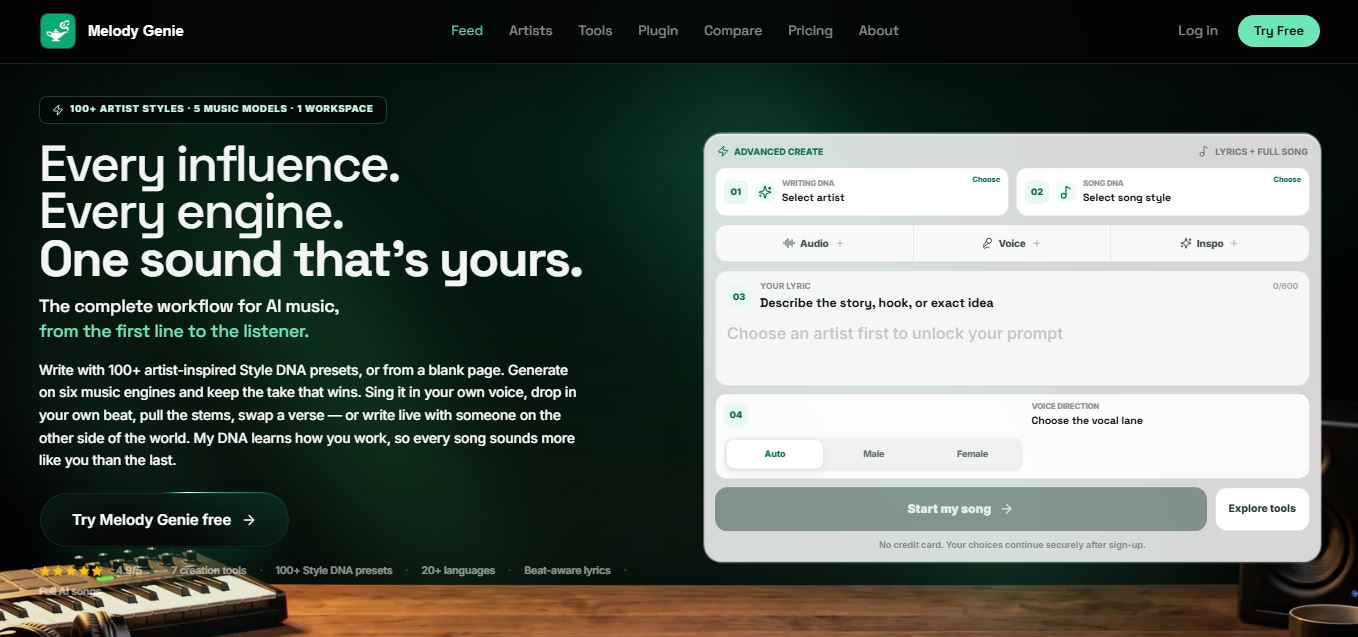
MelodyGenie is an AI-powered music generator that creates original songs from simple text prompts. Users can choose styles, moods, and genres, then instantly generate melodies and full tracks, making it easy for creators, marketers, and hobbyists to produce custom music without musical expertise.
Freemium
Kimi AI
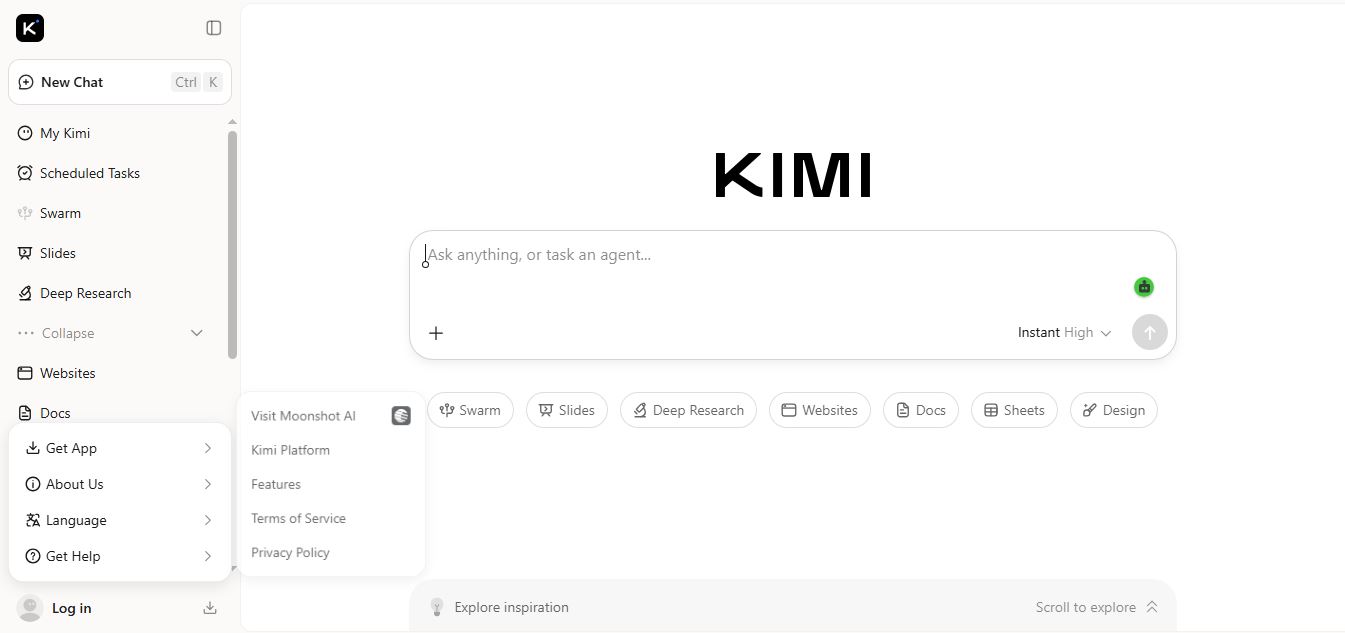
Kimi AI is an advanced AI assistant developed by Moonshot AI that helps you chat, research, write, code, and automate tasks in one place. It supports web search, file analysis, and multimodal inputs, and can even run autonomous “agent” workflows to complete complex tasks end-to-end.
Freemium

Fashion Diffusion AI
Fashion Diffusion is an AI-powered fashion design platform that helps brands and designers create clothing designs, virtual try-ons, AI models, product photos, and marketing visuals faster and cost-effectively.
Paid
Veo 4
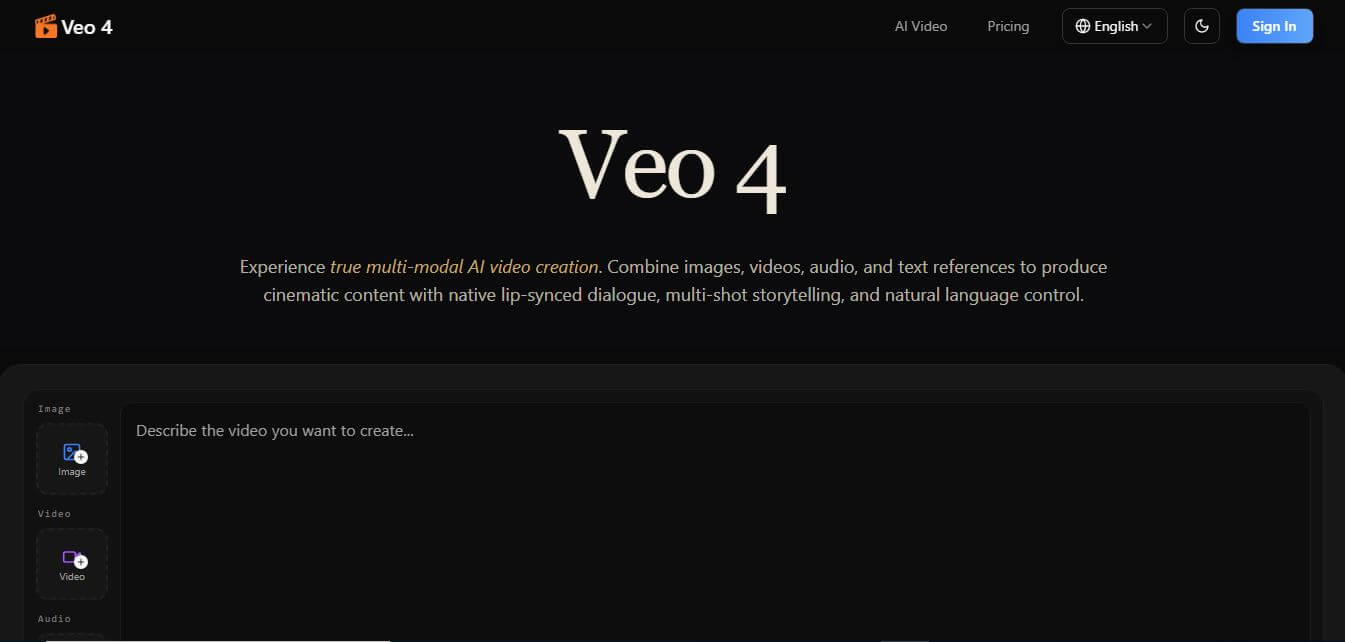
Veo 4 AI is an AI video creation platform that generates dramatic videos from text, images, audio, and video prompts using realistic motion and synchronized sound.
Paid
Alternatives
Alternatives to Abridge
Abridge alternatives include tools like DeepScribe, Suki AI, and Nabla, which offer AI-powered clinical documentation and medical scribing features. Platforms like Ambience Healthcare and Freed AI also help automate note-taking and workflows. These tools vary in pricing, integrations, and ease of use, making them suitable for different healthcare setups and needs.
 5.0
5.0Rayyan
Research
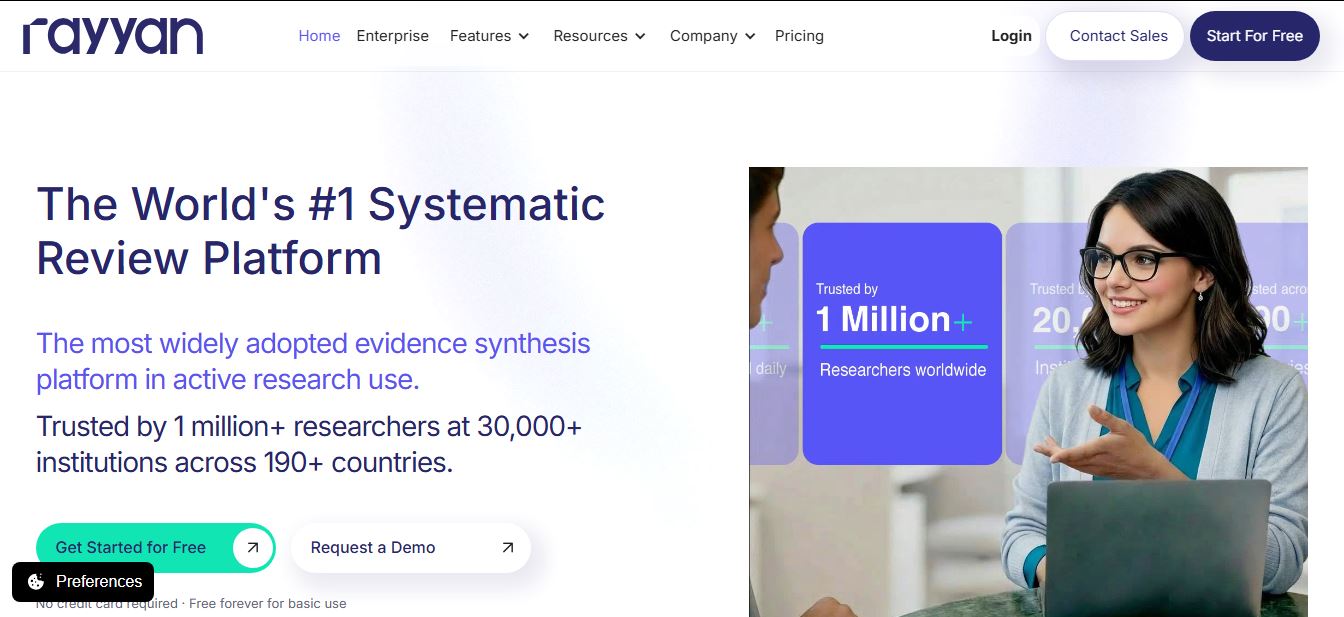
Rayyan is an AI-powered systematic review and literature review platform that helps researchers organize references, remove duplicates, screen studies, extract data, assess risk of bias, and generate PRISMA reports. Its AI features assist with relevance ranking, article screening, and structured data extraction while keeping researchers in control.
 4.9
4.9EvidenceHunt
Research
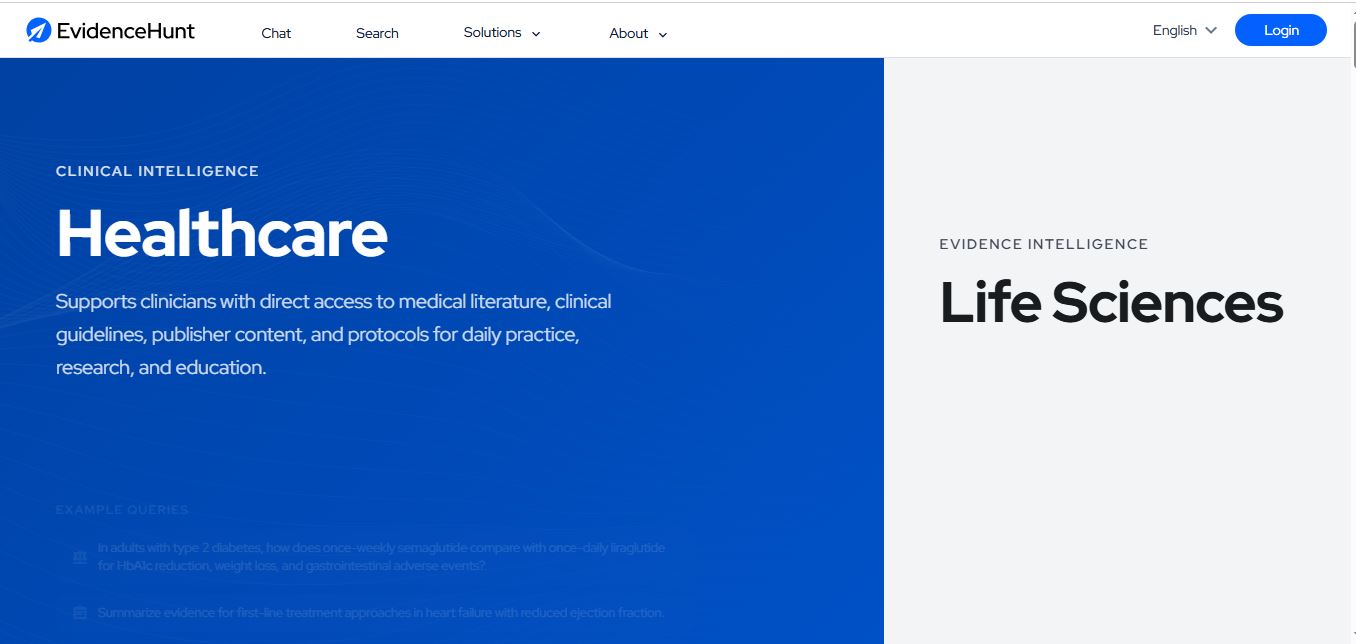
EvidenceHunt is an AI-powered medical research platform that helps clinicians, researchers, and life science teams find and analyze scientific evidence. It searches medical literature, guidelines, and internal documents, then generates citation-grounded answers, evidence tables, systematic reviews, and traceable insights for faster, evidence-based research.
 4.7
4.7WHOOP
Health
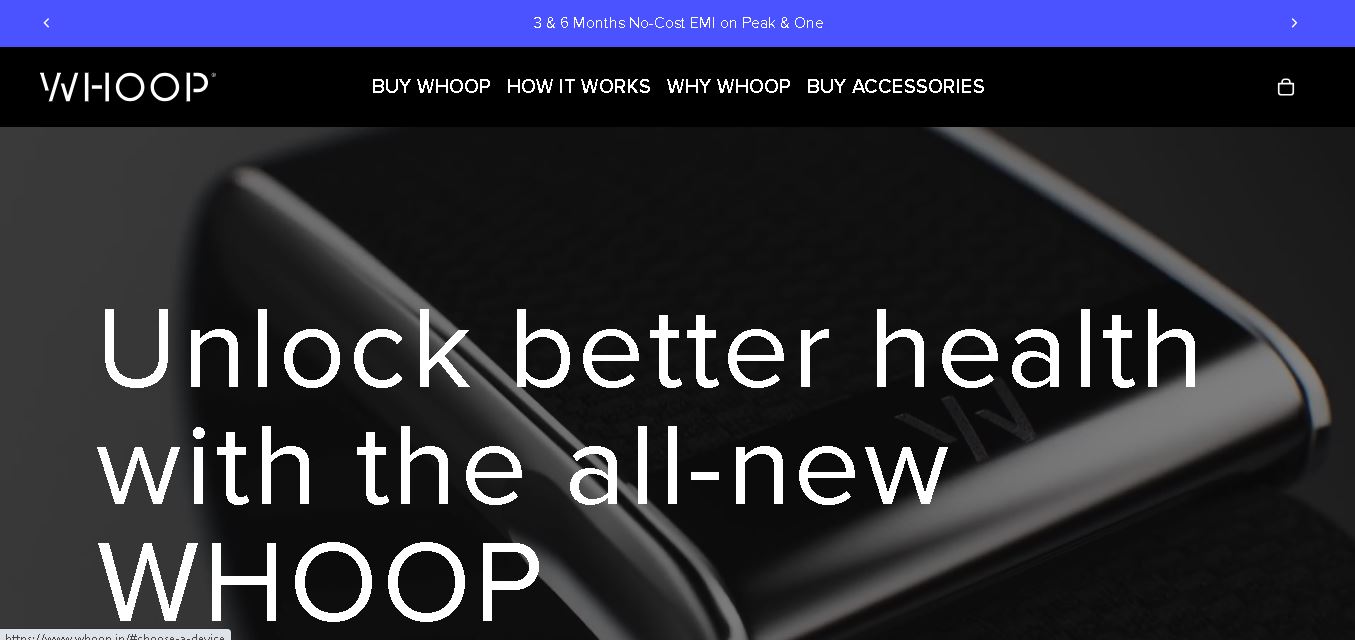
WHOOP is a wearable fitness and health tracker focused on recovery, sleep, strain, stress, and daily performance. Its app turns continuous body data into personalized insights, scores, coaching, and recommendations. In India, WHOOP 5.0 memberships include the device, subscription, charger, and selected band, depending on the plan you choose today.
 4.8
4.8Lindy
AI Agent
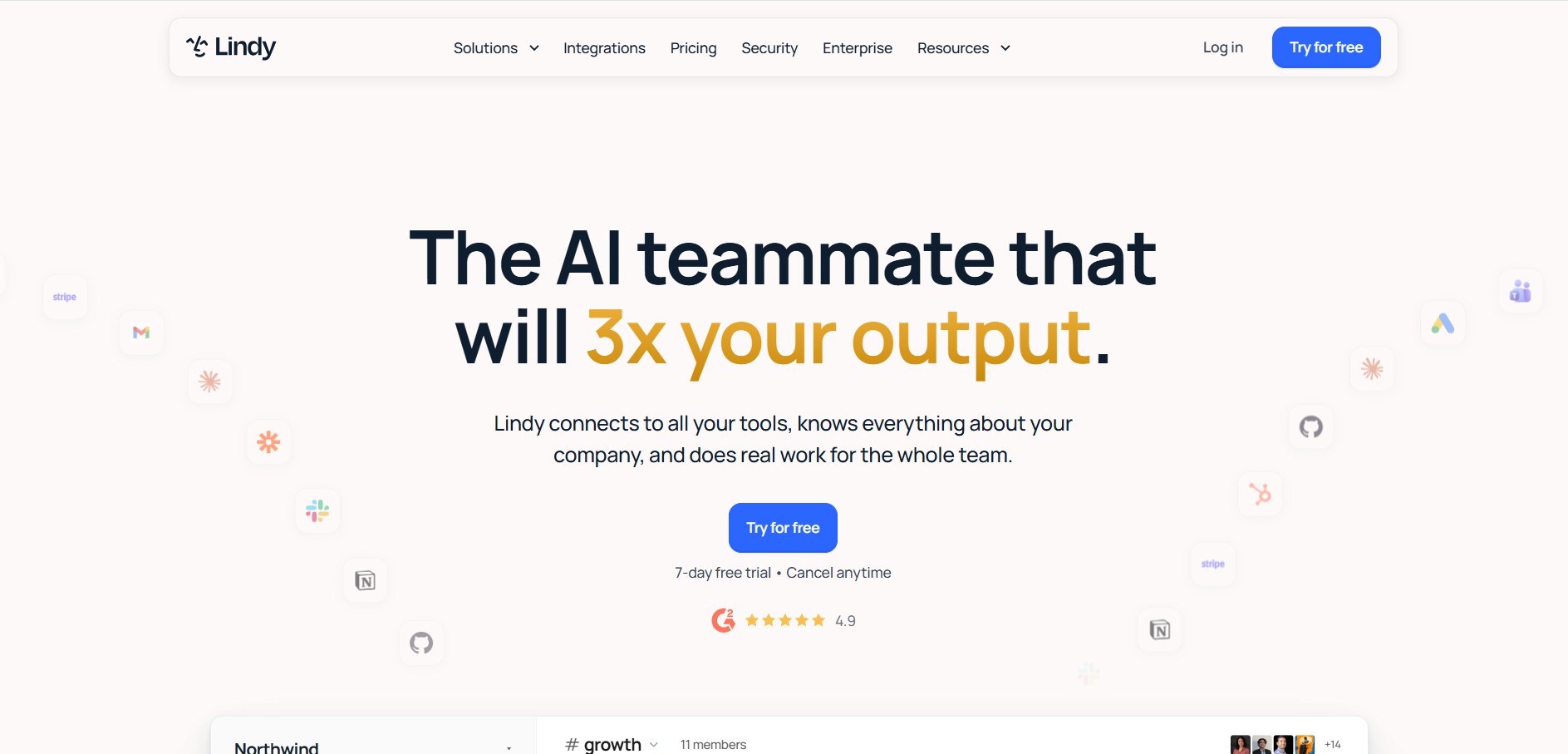
Lindy is an AI medical and business workflow automation platform that builds autonomous AI agents ('Lindys') capable of handling inbox management, customer support, lead qualification, medical scribing, and voice operations.
 4.8
4.8Bioscript
Health
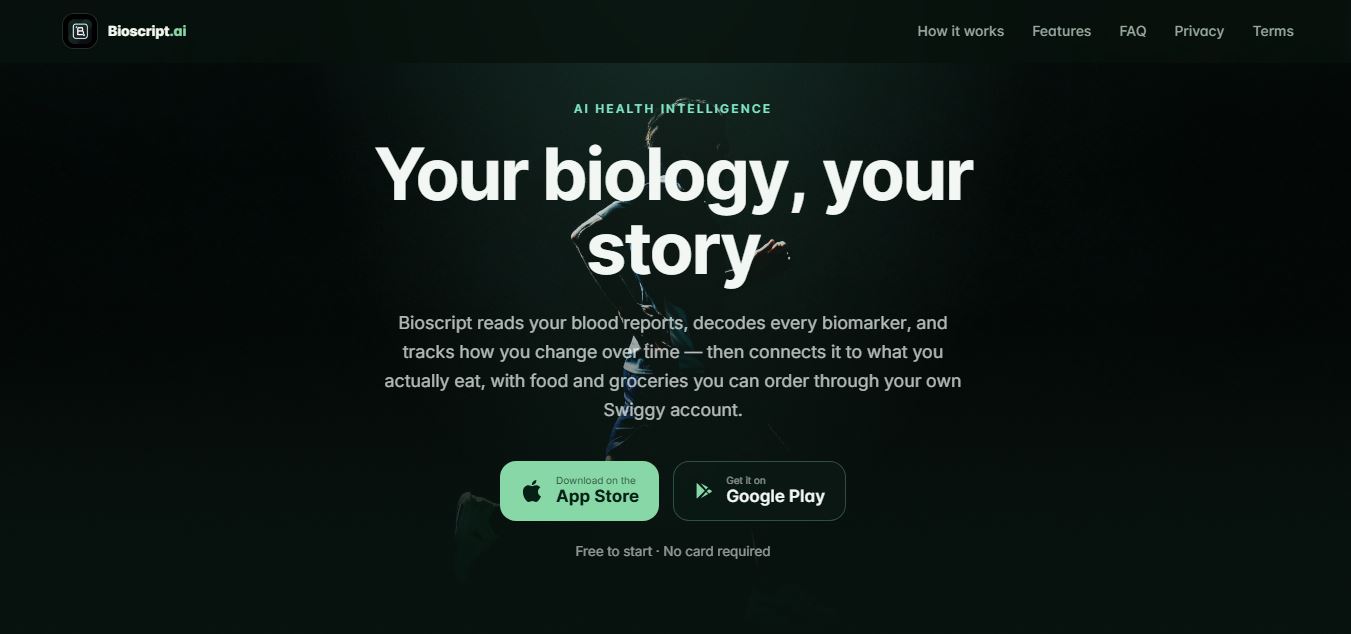
Bioscript is an AI-powered personal health intelligence platform that decodes blood lab reports, tracks over 2,000 biomarkers over time, provides nutrition analytics from photos, and delivers grounded answers via an interactive chat assistant.
 4.8
4.8Dr. Muscle
Health
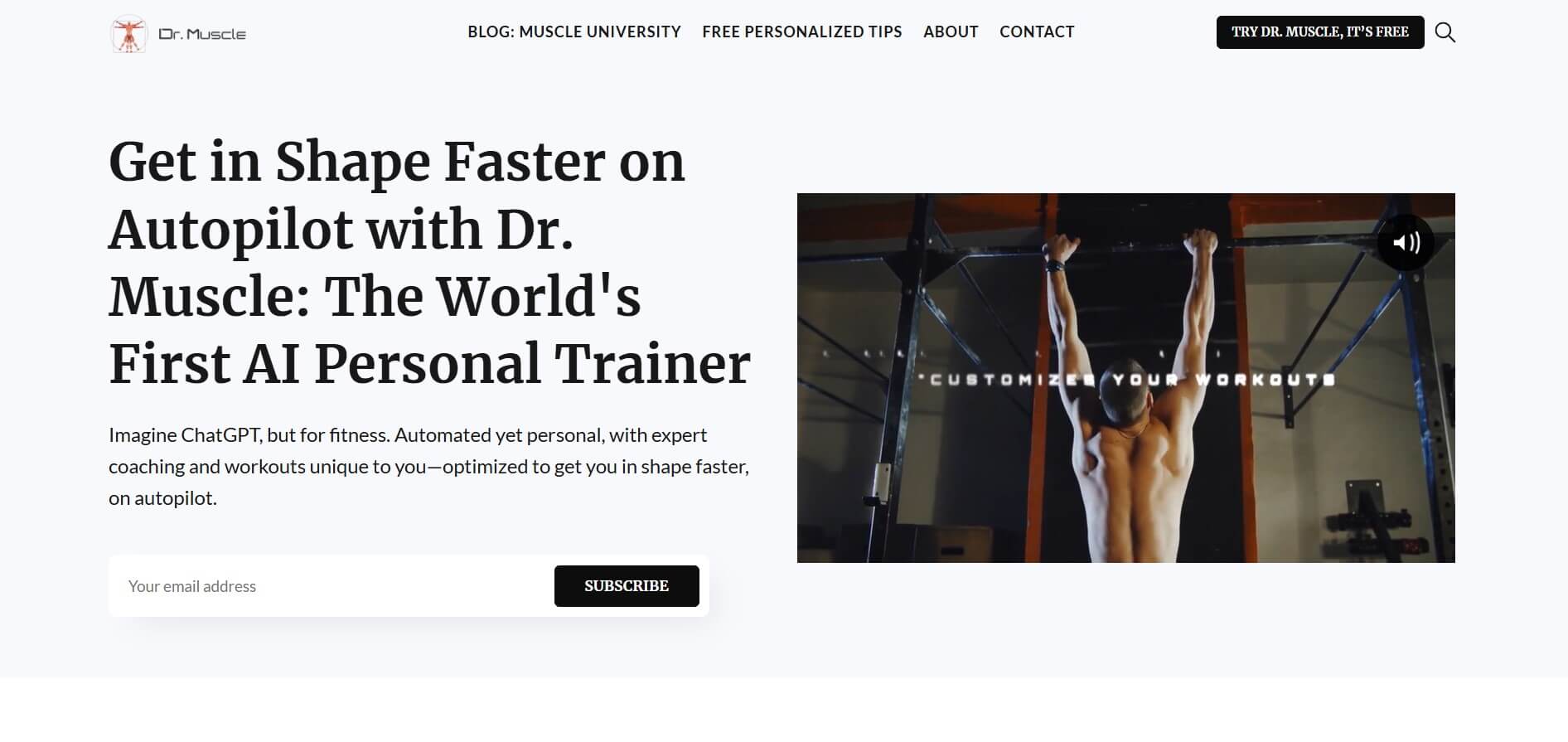
Dr. Muscle is a science-based AI workout and bodybuilding app that automatically applies progressive overload, daily undulating periodization (DUP), and real-time fatigue management to build muscle and strength on autopilot.
 4.9
4.9Heidi Health
Health
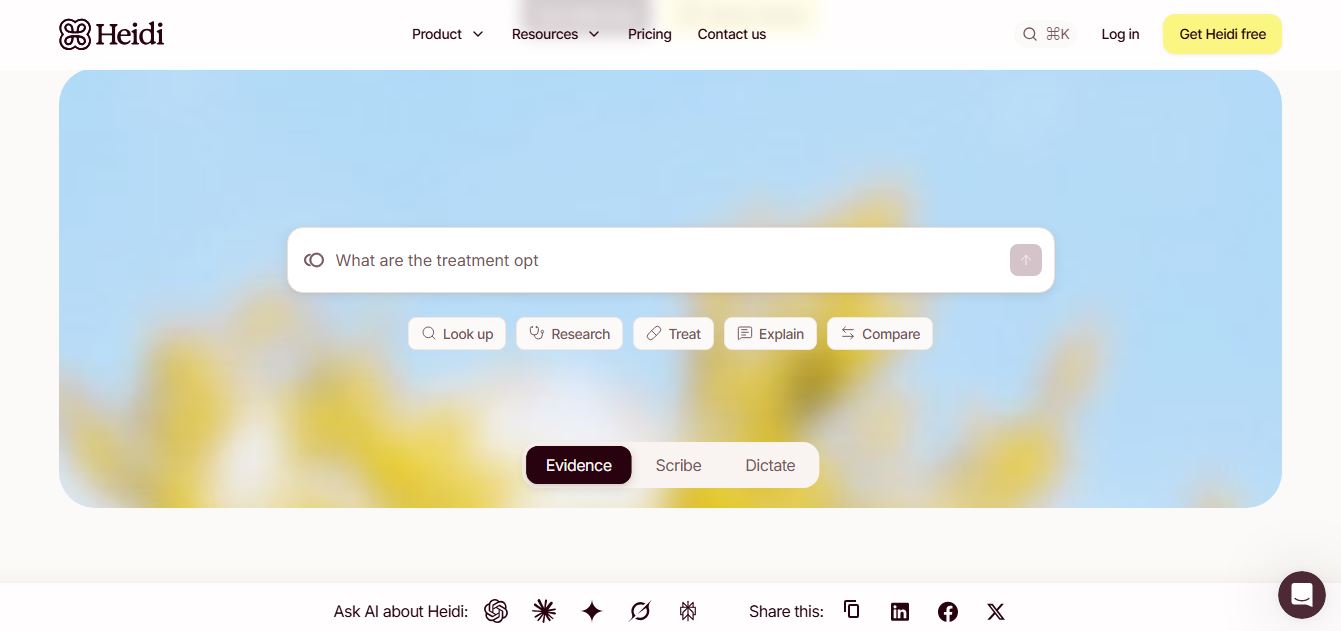
Heidi Health is an AI-powered clinical assistant that automates medical documentation by transcribing patient conversations and generating structured notes, reports, and referrals. It also provides evidence-based insights and workflow support, helping clinicians reduce admin work and focus more on patient care.
 4.9
4.9OpenCall AI
Health
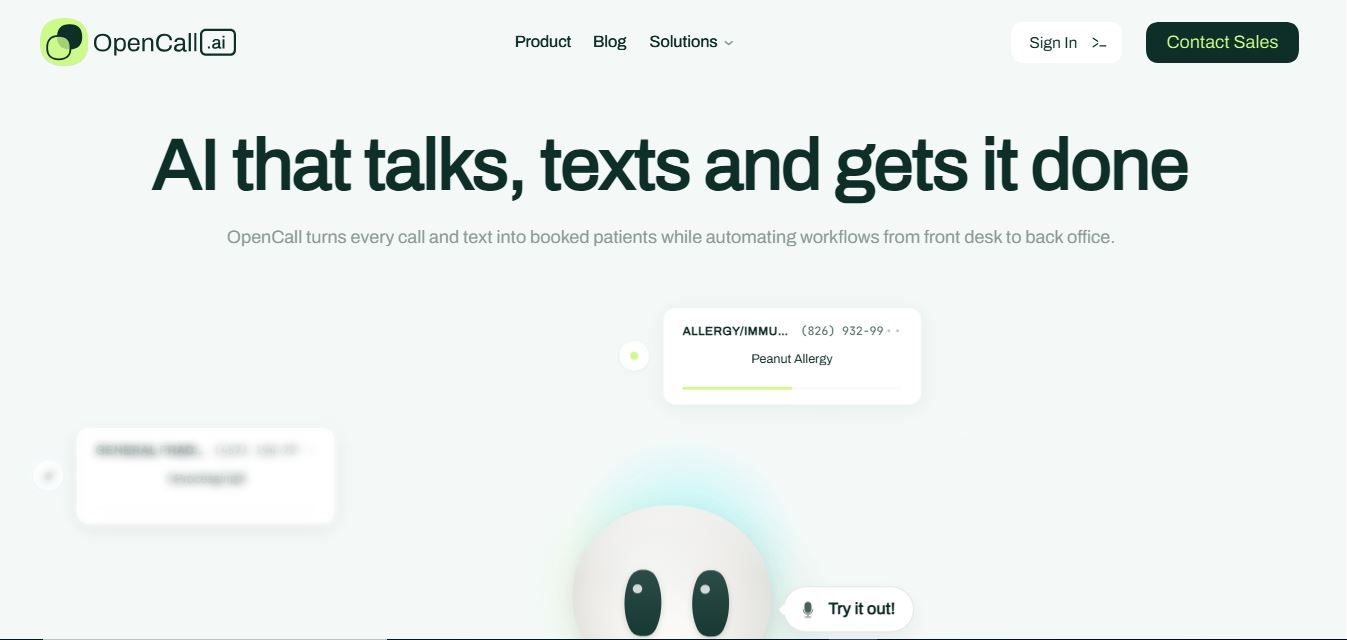
OpenCall AI is an AI-powered call center platform that handles phone calls, texts, and scheduling automatically, helping businesses capture leads, book appointments, and manage workflows without manual effort. It works 24/7, reduces missed calls, and integrates with existing systems to improve efficiency and revenue.
 4.9
4.9Carepatron
Health
Carepatron is an all-in-one healthcare practice management platform that helps clinicians manage scheduling, telehealth, clinical notes, billing, and client communication in one place. It includes AI-powered documentation tools to automate admin work, allowing healthcare professionals to save time and focus more on patient care.