
Vendo
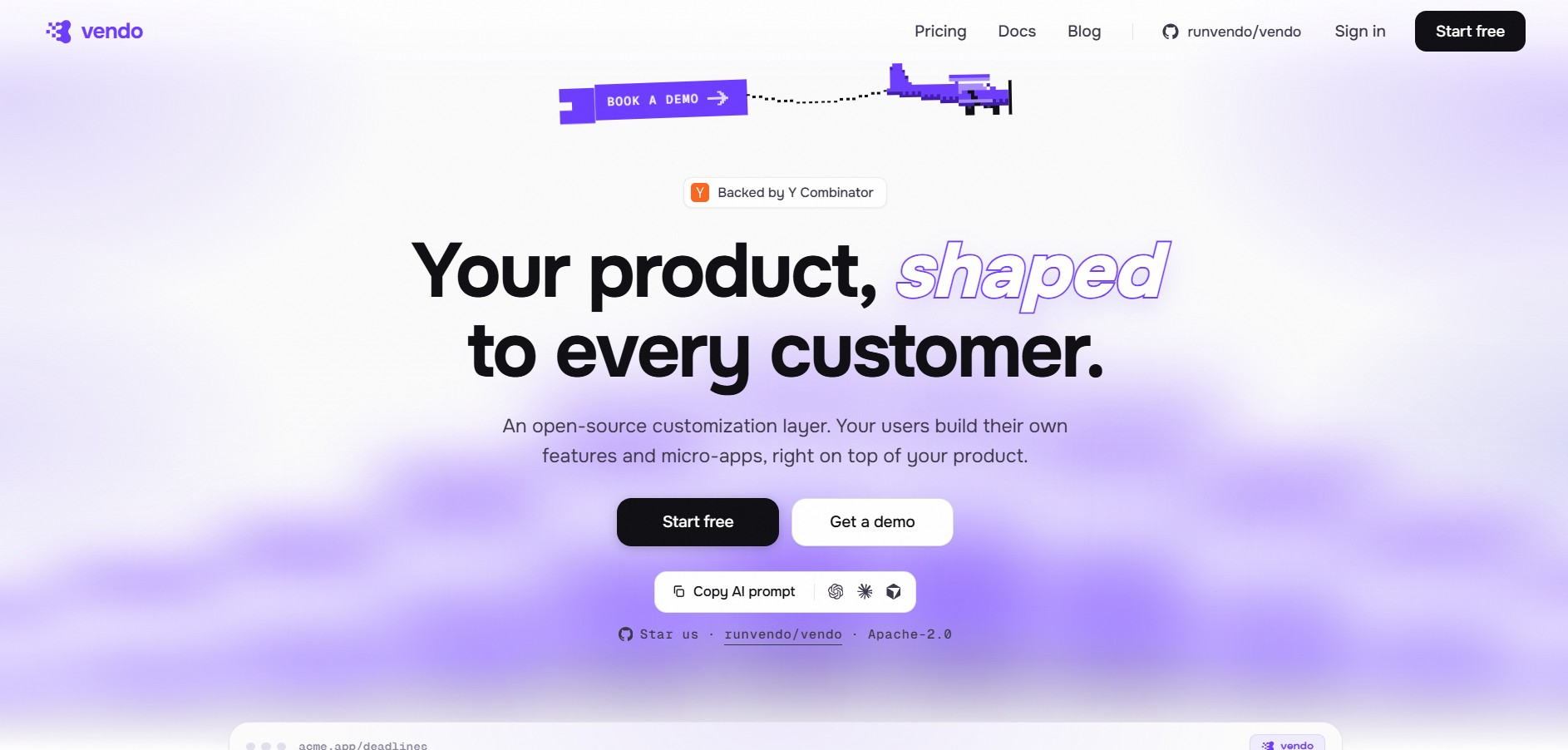
Vendo is an open-source AI customization layer that lets users build their own features, dashboards, and micro-apps directly inside a product using simple prompts. It works on top of your existing API, runs securely, and helps teams eliminate feature backlogs by letting customers create what they need themselves.
What is Vendo?
Vendo is an open-source product customization layer, embedded AI agent framework, and user-facing micro-app runtime engineered for SaaS product teams, engineering leads, founders, and customer success organizations. Vendo is based in San Francisco and supported by Y Combinator (YC S26) and Founders, Inc. It solves a major problem in modern software development: the endless feature request backlog, where many enterprise customers need custom views, automated workflows, and third-party tool connections that product teams cannot build one by one.
Built around the principle of “Let your users build their own features on top of your product,” Vendo replaces passive chat sidebars with an active customization layer. Rather than simply answering questions, Vendo embeds an autonomous agent directly inside your web application that interprets natural-language requests and generates functioning interfaces, dashboards, automated actions, and micro-apps in real time. Installed via a single CLI command, Vendo learns your design system, UI components, APIs, and authorization rules—rendering native components that match your brand while executing strictly within the logged-in user's security permissions. Vendo offers an open-source single-player tier alongside managed cloud plans for teams requiring governance, collaboration, and usage analytics.
- Founders & Leadership: Nour Zahzah (Founder & CEO, YC S26)
- Platform Role: Open-Source Product Customization Layer, Embedded Agent Runtime & In-App Micro-App Builder
- Deployment Surfaces: In-app overlays, sidebars, integrated view components, and external LLMs (Claude & ChatGPT)
Use Cases:
- Empowering end-users to generate bespoke dashboards, analytical views, and reporting widgets inside your SaaS product on demand
- Automating recurring multi-step workflows (e.g., “Every Monday at 9 AM, export newly tagged accounts and ping Slack”) without engineering roadmaps
- Connecting SaaS workflows to hundreds of external tools—including Gmail, Slack, GitHub, Notion, and HubSpot—without custom integration code
- Eliminating long enterprise feature backlogs by letting high-value accounts personalize layouts to match their unique internal operating procedures
- Giving conversational AI agents (Claude, ChatGPT) a secure, sandboxed execution runtime to interact with your SaaS product using existing user credentials
Technology:
- CLI code-analysis engine scanning existing frontend themes, UI design tokens, component libraries, and OpenAPI schemas
- Sandboxed client-side runtime isolating user-generated micro-apps and automations within the user's active session
- Strict permission-inheritance model preventing AI agents from accessing data or executing API mutations beyond the signed-in user's role
Target Users:
- B2B SaaS product managers and CTOs looking to make their applications agent-native without re-architecting core codebases
- Software engineers overwhelmed by custom enterprise feature requests and one-off client integration demands
- Customer success and solutions engineering teams configuring bespoke workspaces for high-touch enterprise accounts
- Developers seeking an open-source, production-ready framework to embed action-taking AI agents directly into web apps
Acquisition: Operates as an independent developer infrastructure company backed by Y Combinator

Key features of Vendo
Vendo's key platform features are
- In-Product Generative UI: Translates end-user natural language prompts into live, interactive views and components that render seamlessly using your product's existing design system and CSS tokens.
- Single-Command Installation: Inspects your repository, theme, and API surface with a single CLI command, setting up an embedded agent ready for action without restructuring backend code.
- Zero Source Code Modification: Operates as an external customization layer on top of your public and internal APIs, ensuring your proprietary application code remains untouched and clean.
- Strict Permission Sandboxing: User-created micro-apps use the same security boundaries and role-based access controls (RBAC) as the authenticated user, preventing unauthorized data exfiltration.
- Scheduled Action Automations: Enables users to schedule time-based or event-triggered actions directly inside the product (e.g., cron jobs, alert triggers, data syncs).
- 100+ External Tool Connectors: Bridges your application to external services like Slack, Gmail, Google Sheets, GitHub, and Jira, extending product utility beyond its native boundary.
- Open-Source Core Architecture: Built transparently as open source, allowing engineering teams to audit security guardrails, inspect sandboxes, and self-host runtimes.
- External LLM Interoperability: Exposes standardized agent endpoints, enabling end-users to invoke and control their in-product micro-apps and workflows directly from Claude or ChatGPT.
Vendo Pricing
Vendo operates on an open-source freemium model offering a self-hosted single-player tier alongside managed cloud plans designed for growing SaaS products and enterprise deployments.
Open-Source / Community Tier:
- $0 / Open Source (Free Forever): Complete access to the open-source Vendo customization core, CLI installation tool, local sandbox runtime, and standard component mapping
Managed Cloud & Team Tiers:
- Cloud Team Plan: Managed backend infrastructure for multi-tenant SaaS products, user micro-app synchronization, persistent state storage, and shared automation triggers
- Enterprise Tier: Dedicated compliance sandboxing, tenant-level administrative audit logs, custom SLAs, SOC 2 compliance support, and hands-on integration engineering from the Vendo core team
Disclaimer: Vendo works closely with selected SaaS engineering teams to assist with initial onboarding and component mapping. For live demos, open-source repositories, and enterprise cloud pricing, visit vendo.run or contact founders via Y Combinator.
Who is using Vendo?
Vendo is used by SaaS companies, product teams, and software engineers, including
- B2B SaaS Engineering Teams: Enabling enterprise accounts to build custom filtering tables, data dashboards, and audit logs without committing dev sprints
- Vertical SaaS Companies: Allowing niche industry customers (logistics, healthcare, legal) to adapt core software interfaces to their bespoke internal operating requirements
- Customer Success & Solutions Engineers: Rapidly configuring custom proof-of-concept views and automated client workflows during enterprise sales pilots
- AI Product Builders: Moving beyond simple chat dialogs to deploy agentic software that takes real product actions and modifies its own user interface
Best Vendo Alternatives
Some of the strongest Vendo alternatives include
- CopilotKit (Open-Source AI Copilots & In-App Chat for React)
- Superagent (Agentic Framework & LLM Tool Orchestration)
- LangChain / LangGraph (Multi-Agent State Orchestration)
- Appsmith (Open-Source Internal Tool Builder)
- Retool (Low-Code Enterprise Application Development)
- V0 by Vercel (Generative Frontend UI Studio)
Pros and Cons of Vendo
Pros
- Empowers software users to solve their own feature needs without clogging the engineering backlog
- Generates native-looking UI elements that match the product's exact brand design system and theme tokens
- Inherits the logged-in user's existing permissions, preventing unauthorized data access or security breaches
- Installs via a single CLI command without touching or rewriting core application source code
- Open-source architecture ensures full code transparency and eliminates proprietary vendor lock-in
Cons
- Early-stage product ecosystem (YC S26) with rapidly evolving documentation and API surfaces
- Requires clean, well-documented existing APIs and component systems to maximize generative UI quality
- Complex multi-tenant state storage across distributed enterprise apps requires upgrading to managed cloud tiers
Why Choose Vendo?
Building an agentic product from scratch requires months of dedicated engineering: handling generative UI rendering, securing API sandboxes, managing tool calls, and maintaining user permissions. Most teams end up shipping a superficial chat widget that cannot actually take actions. Vendo provides the complete agentic customization infrastructure out of the box.
- Turns any existing web application into an agent-native product in minutes with one CLI command
- Eliminates customer churn caused by unresolved feature requests by letting users build their own solutions
- Protects core application integrity by sandboxing all generated actions inside existing user access controls
- Maintains brand consistency by generating interfaces using your own design system rather than generic components
Vendo vs. Competitors
The main difference between Vendo, CopilotKit, Retool, and V0 lies in execution context and user agency. While Retool builds internal tools for developers and V0 creates one-off UI mockups, and CopilotKit primarily embeds conversational chatbots and text assistants into React applications, Vendo is a complete runtime customization layer that lets end-users generate real, persistent micro-apps, views, and automations directly on top of your production SaaS product.
| Feature / Platform | Vendo (vendo.run) | CopilotKit | Retool | V0 by Vercel |
|---|---|---|---|---|
| Core Focus | End-User Product Customization Layer & Micro-Apps | In-App AI Copilots & Chat Sidebars | Internal Tool & Business App Builder | Generative UI Code Canvas |
| Target Builder | End-users building inside your app | Engineers building in-app chat | Internal developers building tools | Frontend developers prototyping |
| UI Integration | Native (Inherits product theme/components) | Chat widgets & custom React hooks | Retool component library canvas | Shadcn/UI & Tailwind code snippets |
| Security & Permissions | Inherits active user RBAC & sandboxed APIs | Custom backend endpoint auth | Retool permission groups & SSO | N/A (Code generator only) |
| Open Source | Yes (Open-source core) | Yes (Open source) | No (Proprietary cloud/self-hosted) | No (Proprietary platform) |
| Starting Price | Free open-source / Cloud tiers | Free tier / Paid developer plans | Free basic / From $10/user/mo | Free tier / Premium from $20/mo |
| Best For | SaaS teams letting customers build custom features & micro-apps | Developers adding AI sidebars & text completion to React | Enterprise ops teams building internal back-office dashboards | Designers generating frontend component code |
How do we rate Vendo?
| Parameter | Rating (out of 5) |
|---|---|
| Product Vision & Generative UI Concept | 5.0 |
| Developer Ergonomics & CLI Installation Speed | 4.9 |
| Security Guardrails & User RBAC Sandboxing | 4.9 |
| External Tool Interoperability (100+ Tools & LLMs) | 4.8 |
| Value for Money & Open-Source Accessibility | 5.0 |
| Overall Score | 4.92 |
Vendo Review
Vendo represents a fundamental shift in how SaaS products handle feature requests and user customization. By replacing the traditional backlog spiral with an embedded, agentic customization layer, it transforms software from a rigid one-size-fits-all product into a dynamic, adaptive workspace. It can create working micro-apps and views that follow your design system and respect existing user permissions, addressing both UI consistency and security issues that have limited generative interfaces. For product teams looking to build agent-native software without rebuilding their applications from scratch, Vendo is an innovative, highly practical solution.
Conclusion
Vendo redefines software personalization by allowing SaaS users to build their own features directly on top of your product. Vendo is backed by Y Combinator (YC S26) and offers a single-command CLI setup, open-source transparency, strict permission inheritance, and native component theming, giving product teams the infrastructure to deploy agentic software that empowers every customer to tailor their workflow.
FAQ
What is Vendo and how does it work?
Vendo is an open-source AI customization layer that lets users build features directly inside a SaaS product. It reads your API, components, and theme, then generates working micro-apps, automations, and dashboards from simple natural language inputs.
Who should use Vendo?
Vendo is built for B2B SaaS teams, product managers, and developers dealing with endless feature requests. It’s especially useful for companies that want to let customers customize workflows without adding engineering overhead or expanding product backlogs.
What features does Vendo offer?
Vendo offers embedded AI agents, micro-app generation, workflow automation, API-based actions, and integrations with tools like Slack or Gmail. It also includes dashboards, scheduled automations, and real-time UI generation within your product environment.
How is Vendo different from traditional AI chatbots?
Unlike chatbots that only generate answers, Vendo creates functional software inside your product. Users get working tools, dashboards, or automations instead of static responses, enabling real task execution rather than just conversational assistance.
Can Vendo build features without coding?
Yes, Vendo allows end users to describe features in plain English, and it builds them automatically. These features run on your existing API and UI system, meaning no additional coding is required for most customization tasks.
Is Vendo free or paid?
Vendo offers a free plan with limited usage and open-source access for solo use. Paid plans like Pro and Teams add collaboration, governance, and higher usage limits, typically starting around $49 per month for production use.
User Reviews
No reviews yet for Vendo.
Featured Tools
Featured AI tools from TechShark
Melody Genie
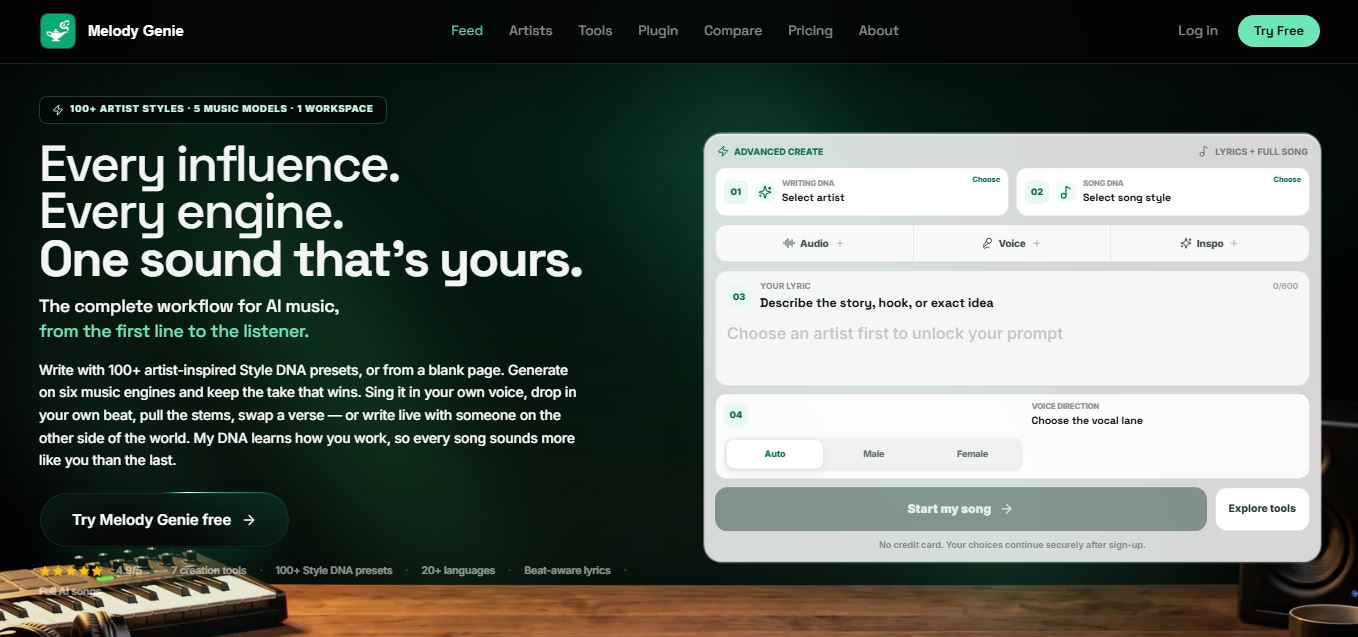
MelodyGenie is an AI-powered music generator that creates original songs from simple text prompts. Users can choose styles, moods, and genres, then instantly generate melodies and full tracks, making it easy for creators, marketers, and hobbyists to produce custom music without musical expertise.
Freemium
Kimi AI
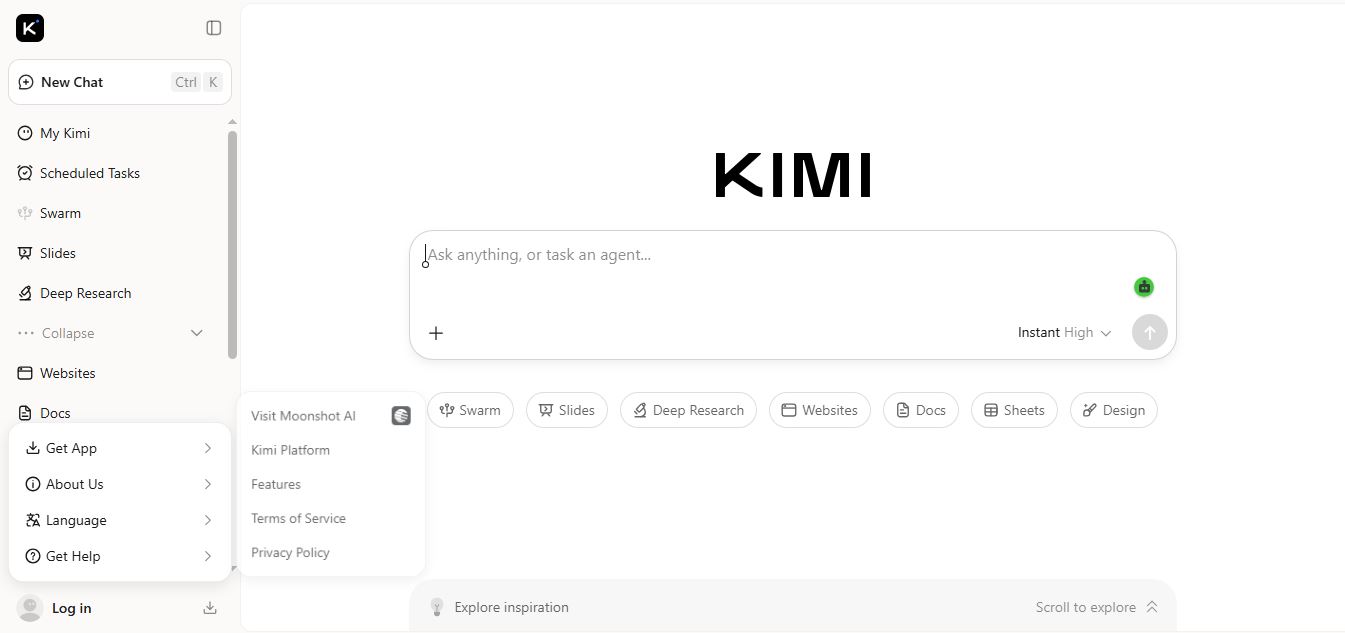
Kimi AI is an advanced AI assistant developed by Moonshot AI that helps you chat, research, write, code, and automate tasks in one place. It supports web search, file analysis, and multimodal inputs, and can even run autonomous “agent” workflows to complete complex tasks end-to-end.
Freemium
Fashion Diffusion AI
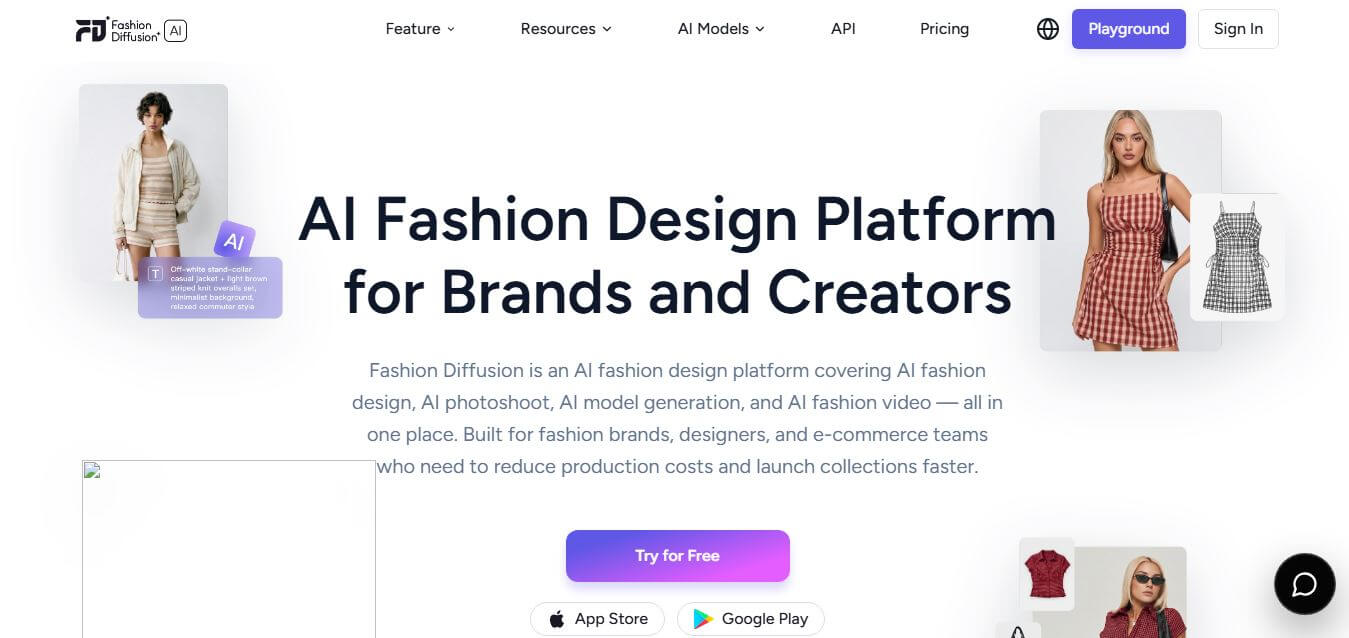
Fashion Diffusion is an AI-powered fashion design platform that helps brands and designers create clothing designs, virtual try-ons, AI models, product photos, and marketing visuals faster and cost-effectively.
Paid
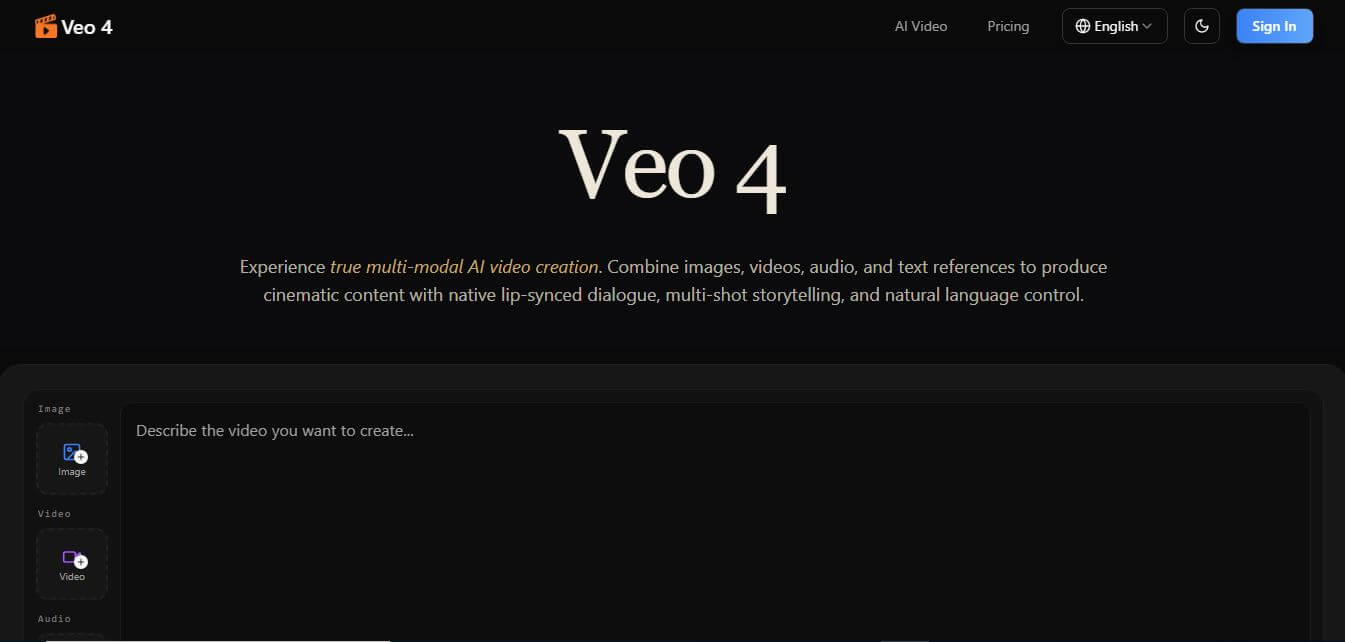
Veo 4
Veo 4 AI is an AI video creation platform that generates dramatic videos from text, images, audio, and video prompts using realistic motion and synchronized sound.
Paid
Alternatives
Alternatives to Vendo
The best Vendo alternatives include CopilotKit, Superagent, LangChain / LangGraph, Appsmith, Retool, and V0 by Vercel. These frameworks provide AI copilot integrations, agent runtimes, and low-code app construction. While Vendo specializes in an open-source product customization layer that embeds an AI agent inside SaaS applications to let end-users build custom views, automated workflows, and micro-apps in their own design system within existing permissions, alternatives like CopilotKit focus on embedding conversational chat sidebars in React, and Retool operates as a dedicated internal tool builder for developer teams.
 4.9
4.9Talkwalker
AI Agent
Talkwalker is a consumer intelligence and social listening solution that helps brands track online mentions, analyze audience sentiment, monitor competitors, and discover emerging trends. It combines social media analytics, media monitoring, customer feedback, and AI-powered insights to support marketing, public relations, reputation management, and data-driven business decisions across global markets.
 5.0
5.0AI4K12
AI Agent
AI4K12 is an educational initiative focused on bringing artificial intelligence into K–12 classrooms. It provides grade-level learning guidelines, curated teaching resources, and the Five Big Ideas framework. Designed for educators and curriculum developers, AI4K12 supports age-appropriate AI instruction and helps students understand how intelligent technologies work and affect society.
Kommunicate
AI Agent
Kommunicate (kommunicate.io) is an AI-powered customer service automation and live chat platform that unites no-code generative AI agents, Kompose chatbot builder, seamless human escalation, voice AI, and omnichannel messaging across WhatsApp, web, and mobile apps.
Text
AI Agent
Text is an AI-powered customer service platform that combines live chat, help desk ticketing, AI agents, and workflow automation. It helps businesses manage customer conversations, automate repetitive support tasks, answer questions, engage website visitors, and turn customer interactions into sales opportunities through a unified communication workspace.
DocsBot AI
AI Agent
DocsBot AI is an AI chatbot and agent platform that turns websites, documents, knowledge bases, and support tickets into conversational assistants. Businesses can use it to automate customer support, answer questions, share internal knowledge, connect workflows, and provide information through website widgets and supported integrations.
SiteGPT AI
AI Agent
SiteGPT is an AI chatbot platform that helps businesses automate customer support using their website content, documents, and knowledge sources. It answers visitor questions, supports lead generation, and integrates into websites, allowing teams to handle repetitive inquiries, improve customer experiences, and provide assistance around the clock.
 4.7
4.7Halcyon
AI Agent
Halcyon is an AI energy intelligence platform that helps professionals search regulatory filings, analyze energy-market information, monitor developments, and access structured datasets. It combines document search, natural-language queries, AI-powered alerts, and specialized data subscriptions to turn fragmented energy information into actionable intelligence for research, monitoring, planning, and faster decision-making.
 4.5
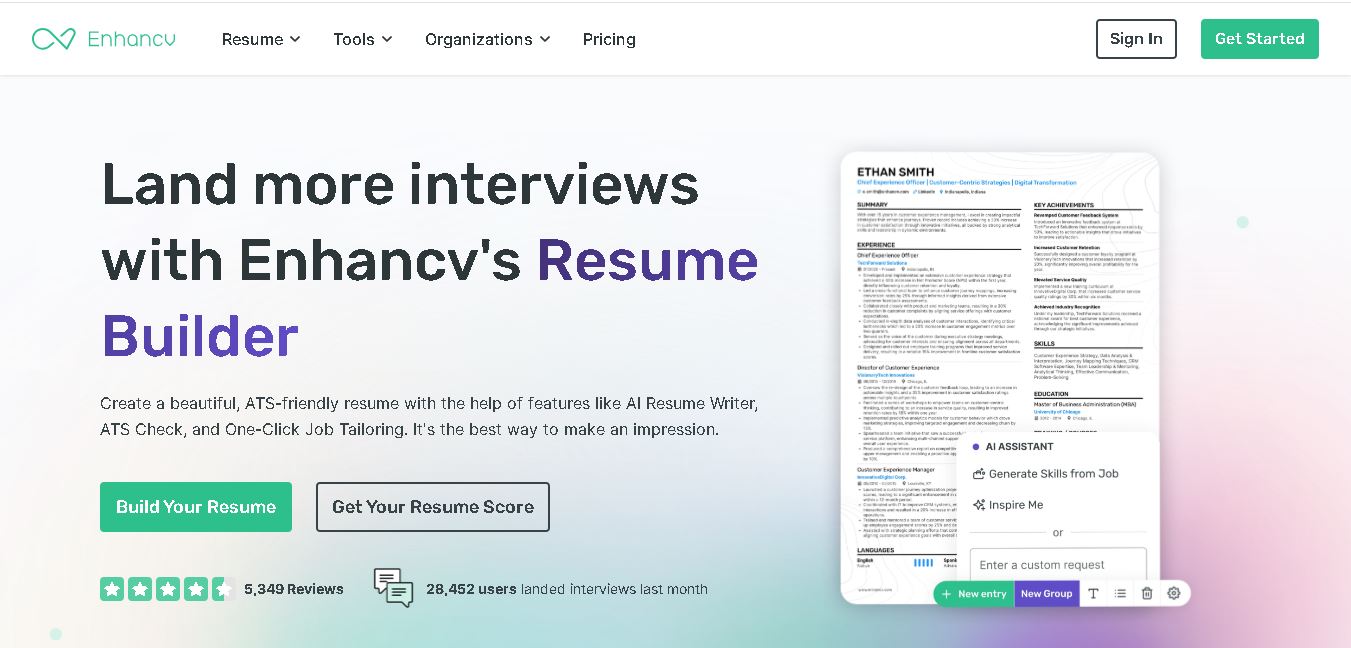
4.5Enhancv
AI Agent
Enhancv helps job seekers build ATS-friendly resumes using customizable templates, AI writing assistance, resume checking, and job-specific tailoring. It also supports cover letters, application tracking, interview preparation, and resume translation. The platform is designed for candidates who want a polished application while keeping control over their experience, wording, and presentation.
 4.9
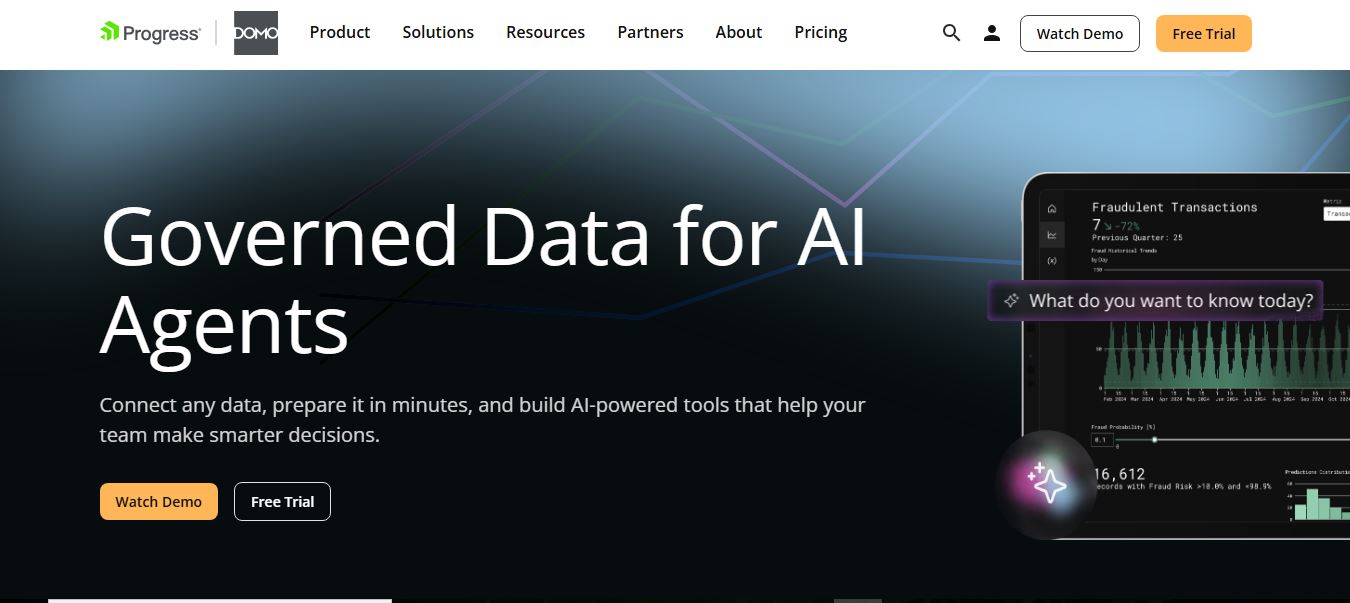
4.9Domo
AI Agent
Domo is an AI-powered data and analytics platform that helps businesses connect, visualize, and act on data from multiple sources in one place. It combines dashboards, automation, and AI insights to turn raw data into decisions, enabling teams to monitor performance and drive better outcomes in real time.