Vectra AI
Vectra AI is an AI-powered cybersecurity platform that helps businesses detect, investigate, and stop attacks across network, identity, and cloud environments. It uses behavioral analytics to identify real attacker activity, reduce alert noise, and provide clear, real-time insights so security teams can respond faster and prevent breaches.
What is Vectra AI?
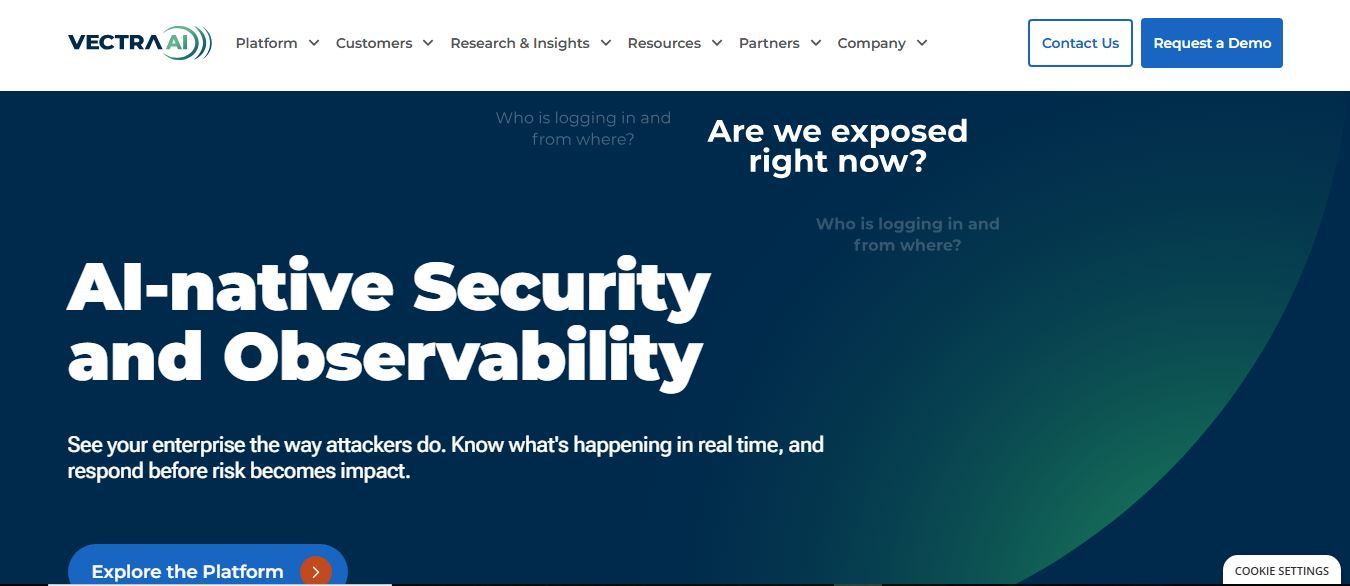
Vectra AI is an AI-native cybersecurity and network detection platform that helps organizations detect, investigate, and respond to cyber threats across networks, cloud environments, and identities in real time. It uses behavioral AI and machine learning to analyze how users, devices, and systems interact, allowing it to identify attacker behavior instead of relying on traditional signature-based detection. The platform correlates signals across multiple environments, prioritizes real threats, and automates response actions, helping security teams reduce noise, respond faster, and stop advanced attacks before they cause impact.
Founded in 2011 (originally as TraceVector) by cybersecurity researchers Mark Abene, James Harlacher, Marc Rogers, and Ivan Wick and led by President and CEO Hitesh Sheth in San Jose, California, Vectra AI has raised over $425 million in total funding, achieving a valuation of $1.2 billion. Backed by top-tier growth investors including Blackstone Growth, Accel, Khosla Ventures, TCV, and IA Ventures, Vectra AI is recognized as a recurring Leader in the Gartner Magic Quadrant for Network Detection and Response (NDR). Protecting global organizations, financial institutions, and government agencies, Vectra AI analyzes trillions of network and cloud interactions weekly, reducing alert noise by over 80% and accelerating threat containment.
- Founder / Leadership: Mark Abene & James Harlacher (Founders); Hitesh Sheth (President & CEO)
- Launch Year: 2011 / 2012 (Unicorn valuation achieved in 2021; enterprise multi-cloud NDR expansion through 2024–2026)
Use Cases:
- Detecting lateral movement, remote command execution, and living-off-the-land techniques (LOLBins) across corporate networks
- Stopping cloud credential theft, token abuse, and privilege escalation across Microsoft Entra ID, M365, and AWS environments
- Eliminating SOC alert fatigue by prioritizing high-urgency, multi-stage attacks using Threat and Certainty scoring
- Investigating forensic network sessions and protocol anomalies using enriched metadata streams via Vectra Recall and Stream
Technology:
- Attack Signal Intelligence engine combining supervised, unsupervised, and deep learning models tuned directly to the MITRE ATT&CK framework
- Passive wire-speed packet capture sensors converting raw packet payloads into lightweight Zeek-compatible metadata without decrypting data
- AI-driven Urgent Prioritization Quadrant correlating distinct host and identity events into unified, prioritized incident narratives
Target Users:
- Enterprise CISOs and SOC managers looking to eliminate alert fatigue and automate Tier-1/Tier-2 analyst triage workflows
- Threat hunters and Tier-3 forensic analysts conducting deep protocol inspections and retrospective incident investigations
- Cloud security engineers securing hybrid infrastructure across AWS, Microsoft Azure, Google Cloud, and SaaS environments
- Content creators using writing tools to draft incident response playbooks, executive risk briefings, and SOC architecture whitepapers
Corporate Entity: Operates as Vectra AI, Inc. (San Jose, CA & Global)

Key features of Vectra AI
Vectra AI's key features are
- Patented Attack Signal Intelligence: Evaluates network behavior against real-world attacker tradecraft rather than generic anomalies, eliminating false positives and mapping actions directly to MITRE ATT&CK.
- Threat & Certainty Scoring: Automatically scores every tracked host and account on dynamic Threat and Certainty axes, instantly highlighting critical compromised entities that require immediate intervention.
- Cross-Domain Coverage (Network, Identity, Cloud): Single unified console correlating threat signals across on-premises physical data centers, Microsoft Entra ID (Azure AD), Microsoft 365, AWS, and enterprise SaaS apps.
- Automated AI Triage: Distinguishes benign network anomalies from true malicious attacker maneuvers, reducing manual tier-1 triage alerts by over 80%.
- Vectra Recall (Security Forensics): Stores, searches, and visualizes enriched network transaction metadata indefinitely, giving incident responders deep forensic visibility for root-cause discovery.
- Vectra Match (Signature + Behavioral Convergence): Blends signature-based intrusion detection (Suricata IDS) directly with behavioral AI inside a single sensor footprint.
- Automated & Targeted Response: Natively integrates with EDR leaders (CrowdStrike, SentinelOne, Microsoft Defender) and firewalls to isolate infected endpoints and disable compromised user credentials automatically.
- Zero Decryption Dependency: Extracts high-fidelity behavioral metadata from TLS/SSL encrypted traffic without breaking cryptographic tunnels or violating user data privacy.
Vectra AI Pricing
Vectra AI operates on an enterprise annual subscription model scaled by the number of monitored IP addresses, cloud workloads, user accounts, and data ingestion throughput, distributed through authorized channel partners.
Enterprise Licensing Structure:
- Network Detection (Vectra Detect): Billed annually based on active IP address tiers across monitored on-premises and virtual subnets (typically ranges from $15 to $35 per monitored IP/year based on scale)
- Identity & Cloud Detection (Vectra for M365 / Entra ID / AWS): Billed per monitored user account or cloud workload (typically ranges from $2.50 to $5.50 per user/month)
- Mid-Market Entry Bundles: Deployments typically start from approximately $25,000 to $45,000 per year for combined network sensors and identity defense
- Enterprise Fleet Suites: Scalable annual contracts ranging from $60,000 to over $150,000+ per year for global multi-site enterprises and hybrid multi-cloud environments
Evaluation & Proof of Concept:
- Vectra AI offers a structured 30-day proof-of-concept (POC) deploying virtual or physical tap sensors into live production traffic to demonstrate threat detection efficacy
Disclaimer: Vectra AI products are sold through certified enterprise cybersecurity resellers and distributors. Pricing depends heavily on network throughput, sensor count, and multi-year licensing terms. Visit vectra.ai for official enterprise scoping.
Who is using Vectra AI?
Vectra AI is designed for Security Operations Centers (SOCs) and enterprise IT teams, including
- Commercial Banks & Financial Institutions: Detecting lateral movement, privilege escalations, and rogue administrative scripts across critical payment backbones
- Healthcare Networks & Regional Hospitals: Monitoring unmanaged medical devices (IoMT) and preventing ransomware operators from encrypting patient care systems
- Multi-Cloud Enterprises: Correlating stealthy adversary pivot techniques across AWS VPCs, Microsoft 365, and corporate Active Directory domains
- Government & Defense Organizations: Identifying advanced persistent threats (APTs) and zero-day command-and-control communications without decrypting traffic
- Content Creators: Using writing tools to draft incident response playbooks, executive risk briefings, and SOC architecture whitepapers
- Enterprise SOC Teams: Overcoming alert fatigue by relying on Attack Signal Intelligence to prioritize the top 1% of truly critical threats
Best Vectra AI Alternatives
Some of the strongest Vectra AI alternatives include
- Darktrace
- ExtraHop Reveal(x)
- CrowdStrike Falcon
- SentinelOne
- Corelight
- Palo Alto Networks Cortex XDR
Pros and Cons of Vectra AI
Pros
- Attack Signal Intelligence focuses strictly on attacker tradecraft, cutting alert noise by 80%+ compared to generic anomaly detectors
- Threat and Certainty quadrant provides immediate, visual clarity on which compromised devices and accounts require urgent response
- Passive metadata inspection analyzes encrypted network flows without requiring intrusive SSL/TLS decryption appliances
- Seamless native integration with leading EDR platforms (CrowdStrike, SentinelOne, Microsoft Defender) enables automated machine isolation
- Comprehensive hybrid visibility bridging legacy on-prem networks, Microsoft Entra ID, M365, and AWS under one control pane
Cons
- Enterprise subscription models and hardware/virtual sensor footprints are designed for mid-market and enterprise budgets, not small businesses
- Does not execute autonomous direct host blocking independently; relies on third-party EDR, firewalls, or SOAR to isolate devices
- Deploying network TAP, SPAN ports, or packet brokers across large campus environments requires initial physical and network planning
- Retrospective forensic search (Vectra Recall) and Suricata signature ingestion (Vectra Match) require additional modular licensing
Why Choose Vectra AI?
Vectra AI is the premier choice for organizations that want high-fidelity, high-certainty threat detection that focuses on real attacker behavior rather than drowning security analysts in false alarms.
- Eliminates alert fatigue by surfacing only high-severity, active attacker movements
- Maps every detected behavior directly to the MITRE ATT&CK matrix for clear forensic context
- Protects on-premises networks, cloud workloads, and SaaS identities from a single platform
- Inspects encrypted traffic without breaking data privacy or deploying complex decryption hardware
- Recognized as a leading NDR innovator, backed by $425M in top-tier venture capital, and trusted by global enterprises
Vectra AI vs. Competitors
The main difference between Vectra AI, Darktrace, ExtraHop Reveal(x), and CrowdStrike Falcon is that Vectra AI uses security-led AI purpose-built around attacker tradecraft (Attack Signal Intelligence) across network and identity domains, whereas Darktrace relies on unsupervised machine learning to model baseline 'patterns of life' with native autonomous response, ExtraHop specializes in wire data network performance and packet analytics, and CrowdStrike Falcon is an endpoint-first EDR/XDR platform powered by centralized adversary intelligence. Vectra AI stands out for its high signal-to-noise ratio, Threat and Certainty prioritization, and seamless EDR ecosystem integration.
| Feature / Tool | Vectra AI (vectra.ai) | Darktrace | ExtraHop Reveal(x) | CrowdStrike Falcon |
|---|---|---|---|---|
| Core Focus | Attack Signal Intelligence & Hybrid NDR | Self-Learning AI & Autonomous Response | Wire Data NDR & Network Analytics | Endpoint EDR, XDR & Threat Intelligence |
| AI Methodology | Attacker Behavior Models (MITRE Mapped) | Unsupervised Learning ('Pattern of Life') | Machine Learning on Wire Data Telemetry | Threat Graph Correlation & ML |
| Response Execution | Triggers EDR / Firewall / SOAR Isolation | Native Autonomous Actions (RESPOND) | Third-Party Integration Push / EDR | Native Host Containment & Real Time |
| Encrypted Traffic Inspection | Metadata Analysis (Zero Decryption) | Behavioral Anomaly Analysis | Line-Rate SSL/TLS Decryption | Kernel-Level Process Interception |
| Starting Price Range | Annual Enterprise (~$25k–$50k+ base) | Annual Enterprise (~$20k–$60k+ base) | Annual Enterprise (~$25k+ base) | $59.99/device/yr (Falcon Go) |
| Best For | High-Fidelity NDR with Low False Positives | Autonomous Zero-Day & Cross-Domain AI | High-Throughput Network Wire Decryption | Global Enterprise Endpoint Breaches |
How do we rate Vectra AI?
| Parameter | Rating (out of 5) |
|---|---|
| Attack Signal Intelligence & Triage Precision | 5.0 |
| Threat & Certainty Prioritization UX | 5.0 |
| Hybrid Network, Identity & Cloud Coverage | 4.9 |
| EDR & SIEM Ecosystem Integration | 4.9 |
| Value for Money | 4.7 |
| Overall Score | 4.90 |
Vectra AI Review
Vectra AI solves one of the most persistent operational crises in enterprise cybersecurity: the alert overload that overwhelms modern security operations centers. While conventional anomaly detection tools flag any unusual network spike or configuration change—resulting in thousands of meaningless alerts—Vectra AI applies AI directly to attacker tradecraft. By training models specifically on adversarial behaviors such as lateral movement, command-and-control beacons, and credential dumping, Vectra ensures that when an alert is fired, it represents genuine malicious risk. Its Threat and Certainty matrix gives analysts instant clarity, showing which compromised hosts and cloud accounts need immediate containment. When paired with leading EDR agents for push-button host isolation, Vectra AI delivers one of the highest-signal, most actionable network defense platforms in the industry.
Conclusion
Vectra AI is an industry-leading cybersecurity platform that redefines Network Detection and Response (NDR) and hybrid threat defense. By combining patented Attack Signal Intelligence, Threat and Certainty scoring, zero-decryption encrypted traffic inspection, and native cloud identity coverage into a unified platform, it cuts through the noise to neutralize active attackers. While enterprise licensing and sensor placement require structured deployment planning, Vectra AI’s signal fidelity, MITRE ATT&CK alignment, and proven reduction of SOC burnout make it an indispensable cybersecurity platform.
FAQ
What is Vectra AI and how does it work?
Vectra AI is an AI-native cybersecurity platform focused on detecting and stopping advanced cyberattacks across network, identity, and cloud environments. It works by continuously monitoring network activity and behavioral patterns, using machine learning to identify attacker behavior in real time rather than relying on signatures. The platform correlates signals across different systems to provide a unified view of threats and enables security teams to detect, investigate, and respond to attacks before they cause damage.
What problems does Vectra AI solve?
Vectra AI helps organizations solve challenges such as hidden threats, alert overload, and lack of visibility across hybrid environments. Traditional tools often generate too many low-quality alerts or miss sophisticated attacks, but Vectra focuses on identifying real attacker behavior across multiple attack surfaces, including cloud, identity systems, and networks. This reduces blind spots and allows teams to focus on high-risk threats instead of chasing noise.
What features does Vectra AI offer?
Vectra AI offers capabilities such as network detection and response (NDR), identity threat detection, cloud security monitoring, AI-driven threat investigation, and automated response. Its platform includes real-time observability across hybrid environments, AI assistants for triaging and prioritizing threats, and advanced analytics that connect attack signals into a complete attack story. These features help security teams understand, prioritize, and act on threats faster.
How is Vectra AI different from traditional cybersecurity tools?
Vectra AI differs from traditional tools by focusing on behavioral detection and AI-driven signal clarity rather than rule-based or signature-based detection. Instead of flagging every anomaly, it identifies actual attacker behaviors and correlates them across domains to provide high-confidence alerts. This significantly reduces alert fatigue and gives security teams a clearer understanding of real threats in complex environments.
How does Vectra AI use AI in cybersecurity?
Vectra AI uses advanced machine learning models trained on real attacker behavior to detect threats such as lateral movement, credential misuse, and command-and-control activity. Its AI agents automatically triage, correlate, and prioritize events, reducing thousands of alerts into a small number of actionable signals. This approach enables faster detection, investigation, and response while minimizing false positives.
How much does Vectra AI cost?
Vectra AI follows a subscription-based pricing model that depends on usage, deployment size, and contract terms. Example marketplace pricing shows plans starting around $499 per month for standard packages and going up to $1,299 per month for advanced plans with additional features and support, but enterprise pricing is typically customized based on the environment and scale.
Is Vectra AI suitable for small and mid-sized businesses?
Vectra AI is primarily designed for mid-sized and enterprise organizations with complex, hybrid environments, but it can also be used by SMBs that require advanced threat detection without building a large security operations team. Its automated detection and response capabilities make it especially useful for organizations looking to reduce manual workload and improve security efficiency.
Who should use Vectra AI?
Vectra AI is ideal for enterprises, SaaS companies, financial institutions, and organizations operating in hybrid or multi-cloud environments. It is particularly valuable for security teams that need deep visibility across network, identity, and cloud systems and want to detect sophisticated, AI-driven cyberattacks in real time with minimal noise
User Reviews
No reviews yet for Vectra AI.
Featured Tools
Featured AI tools from TechShark

Melody Genie
MelodyGenie is an AI-powered music generator that creates original songs from simple text prompts. Users can choose styles, moods, and genres, then instantly generate melodies and full tracks, making it easy for creators, marketers, and hobbyists to produce custom music without musical expertise.
Freemium
Kimi AI
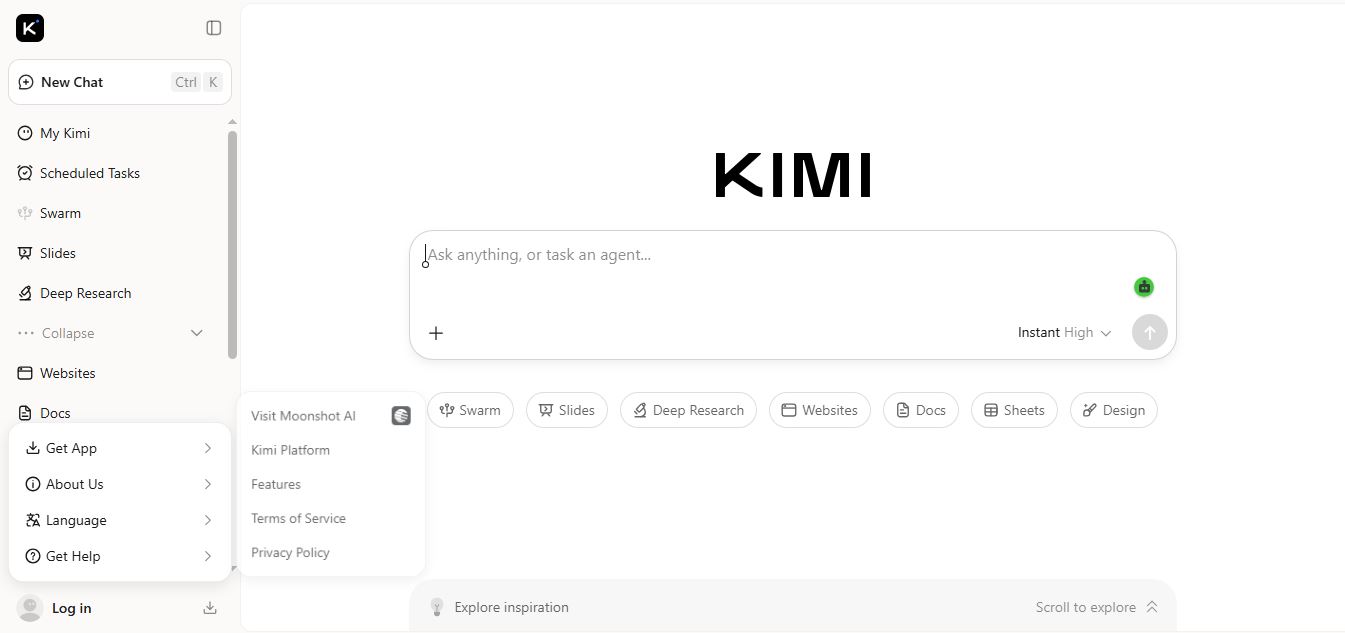
Kimi AI is an advanced AI assistant developed by Moonshot AI that helps you chat, research, write, code, and automate tasks in one place. It supports web search, file analysis, and multimodal inputs, and can even run autonomous “agent” workflows to complete complex tasks end-to-end.
Freemium
Fashion Diffusion AI
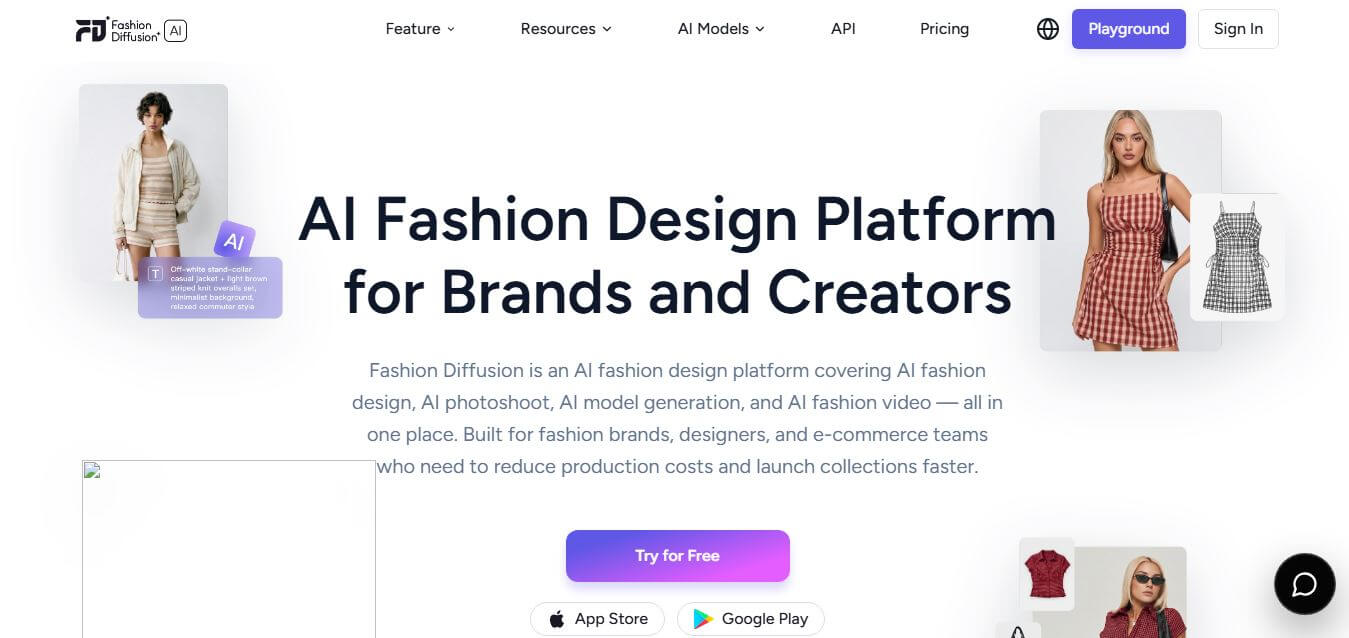
Fashion Diffusion is an AI-powered fashion design platform that helps brands and designers create clothing designs, virtual try-ons, AI models, product photos, and marketing visuals faster and cost-effectively.
Paid
Veo 4
Veo 4 AI is an AI video creation platform that generates dramatic videos from text, images, audio, and video prompts using realistic motion and synchronized sound.
Paid
Alternatives
Alternatives to Vectra AI
The best Vectra AI alternatives include Darktrace, ExtraHop Reveal(x), CrowdStrike Falcon, SentinelOne, Corelight, and Palo Alto Networks Cortex XDR. These platforms provide network detection and response (NDR), extended detection and response (XDR), and hybrid threat hunting software. While Vectra AI specializes in attacker tradecraft modeling through patented Attack Signal Intelligence and Threat/Certainty scoring across network, identity, and cloud, alternatives like Darktrace focus on unsupervised baseline learning with native autonomous response, and ExtraHop emphasizes wire data stream decryption. Choosing the right tool depends on whether you require high-certainty attacker signal prioritization, self-learning autonomous containment, or deep packet-level decryption.
 4.8
4.8Varonis Systems
Cybersecurity
Varonis is a data security platform built to help organizations protect sensitive information across cloud, SaaS, and on-premises environments. It discovers and classifies data, analyzes permissions and activity, detects threats, and automates remediation. Security teams can use Varonis to reduce data exposure, strengthen compliance, investigate incidents, and improve security posture.
 4.9
4.9GitGuardian
Cybersecurity
GitGuardian is an AI-powered code security platform that helps developers and security teams detect, prevent, and fix exposed secrets like API keys and credentials across code, CI/CD, and collaboration tools. It provides real-time alerts, automated remediation, and full visibility to reduce breach risks
 4.9
4.9Darktrace
Cybersecurity
Darktrace is an AI-powered cybersecurity platform that helps businesses detect, investigate, and respond to cyber threats in real time. It uses self-learning AI to understand normal behavior across networks, cloud, and users, identifying anomalies and stopping advanced attacks before they cause damage.
 4.9
4.9Cisco
Cybersecurity
Cisco is a global networking and cybersecurity platform that helps businesses connect, secure, and manage applications, users, and data across cloud and on-prem environments. It combines networking, security, and observability solutions to deliver reliable infrastructure, improve performance, and protect modern digital operations at scale.
 4.9
4.9IRONSCALES
Cybersecurity
IRONSCALES is an AI-powered email security platform that helps businesses detect, prevent, and respond to phishing, business email compromise, and account takeover attacks. It combines adaptive AI with human insights to automatically analyze, remediate threats, and protect inboxes in real time across Microsoft 365 and Google Workspace.
 4.9
4.9Abnormal Security
Cybersecurity
Abnormal AI is an AI-powered behavioral cybersecurity platform that helps businesses detect and stop advanced threats like phishing, account takeovers, and social engineering. It learns normal user behavior across email, identity, and cloud systems, then automatically identifies anomalies and responds in real time to prevent attacks.
 4.9
4.9Proofpoint
Cybersecurity
Proofpoint is an AI-powered cybersecurity and compliance platform that helps businesses protect people, data, and communications from threats like phishing, email attacks, and data breaches. It uses advanced threat intelligence and automation to detect risks, prevent data loss, and secure interactions across email, cloud, and collaboration tools.
 4.9
4.9Zscaler
Cybersecurity
Zscaler is an AI-powered cloud security platform that uses zero trust architecture to protect users, applications, and data across the internet and cloud. It replaces traditional VPNs and firewalls, enabling secure access, real-time threat protection, and simplified security operations for modern, distributed businesses.
 5.0
5.0Fortinet
Cybersecurity
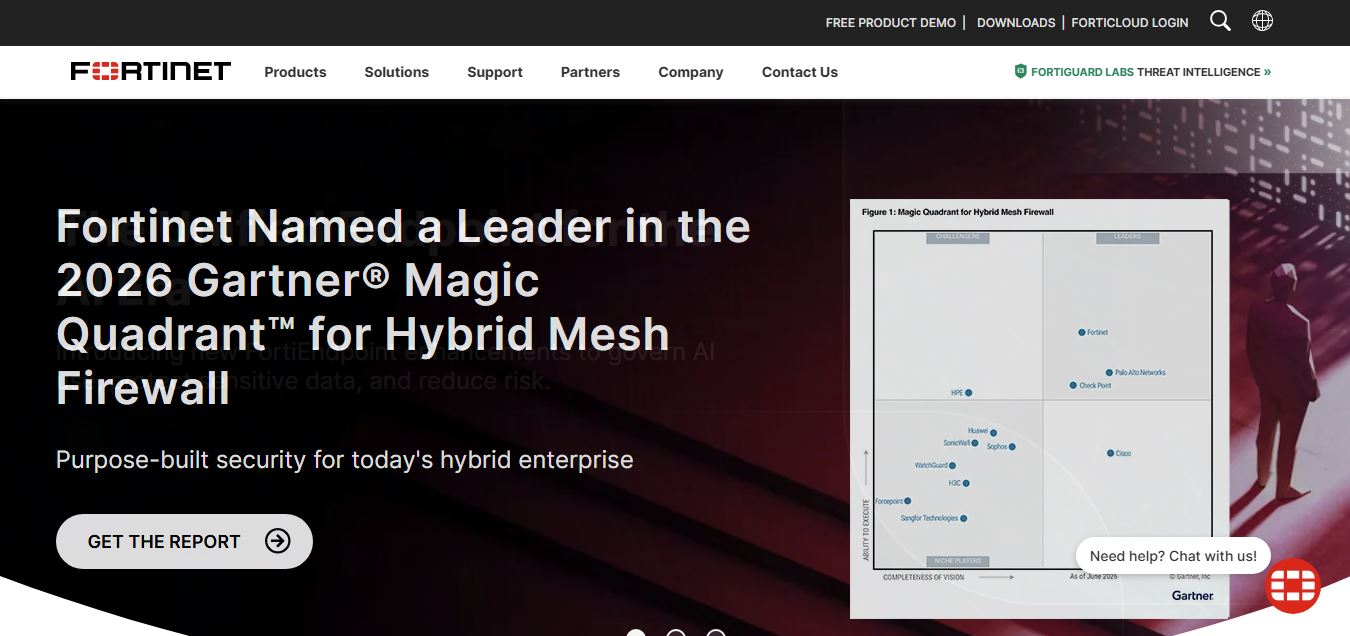
Fortinet is an AI-powered cybersecurity platform that helps businesses protect networks, cloud systems, endpoints, and data through a unified security approach. Its Security Fabric integrates threat detection, response, and automation, giving organizations real-time visibility and protection while simplifying security operations across complex digital environments.