
Userlens
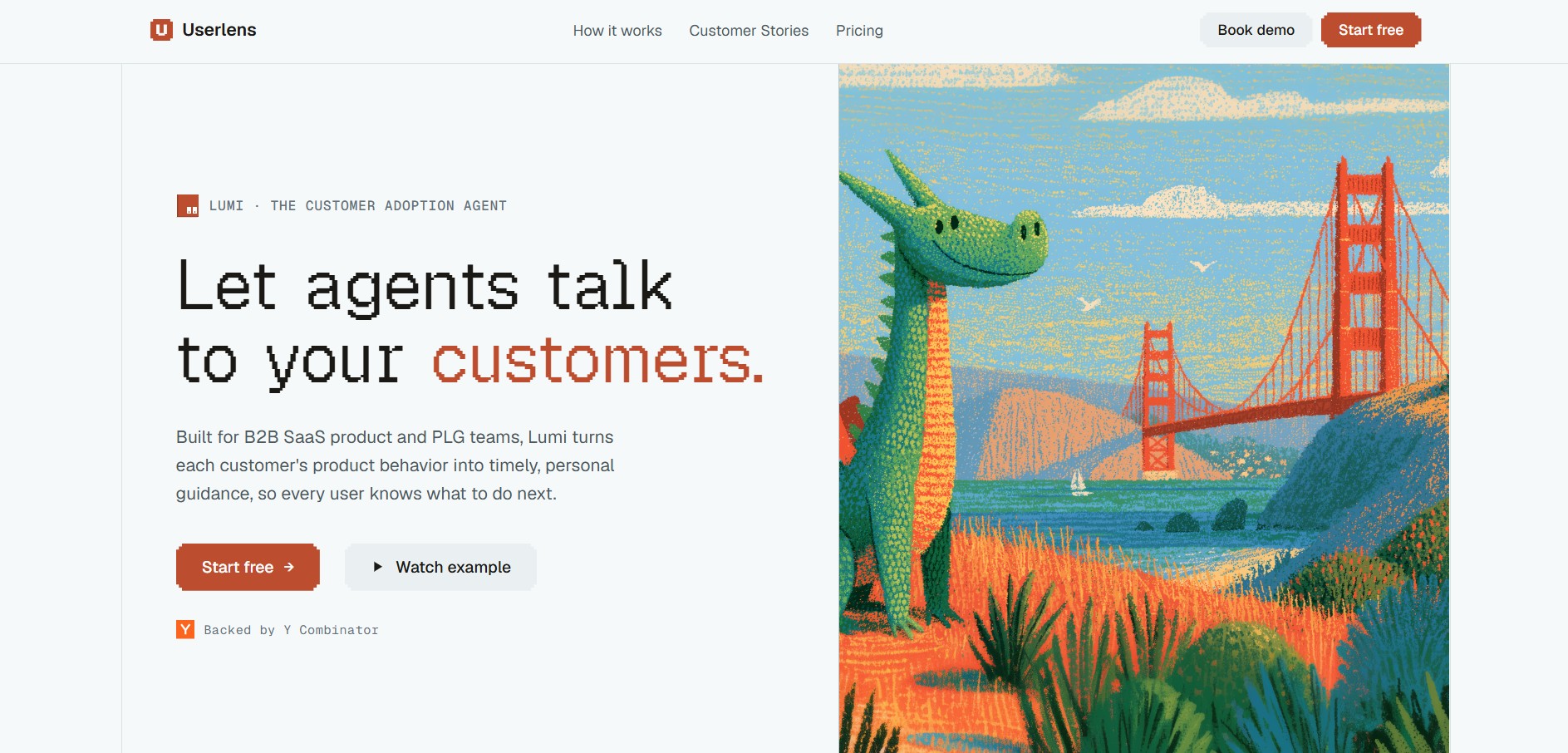
Userlens is an AI-native customer success platform that acts like a virtual Customer Success Manager for every account. It analyzes product usage, CRM data, and customer interactions to predict churn, score account health, and suggest actions to improve retention and upsells.
What is Userlens?
Userlens is an AI-native customer success platform built for B2B SaaS teams that want to prevent churn, improve retention, and scale customer relationships without increasing headcount. Instead of relying on dashboards and manual analysis, it uses autonomous AI agents that continuously monitor product usage, CRM data, support tickets, and customer interactions to understand account health in real time. The platform then surfaces actionable insights—like churn risks, expansion opportunities, and renewal preparation—directly inside tools teams already use. By acting like a dedicated AI customer success manager for every account, Userlens helps teams move from reactive support to proactive, data-driven growth.
Backed by Y Combinator (W26) and originally developed by the Helsinki-based team behind Wudpecker, Userlens addresses the chronic blind spots that lead to surprise software cancellations. By analyzing account-level telemetry, seat utilization trends, and feature adoption gaps, Userlens catches churn signals 3 to 6 months before contract renewal, builds automated QBR decks, and deploys intelligent adoption agents (such as Lumi) to deliver personalized nudges directly to users, offering transparent growth-stage plans starting from $500 per month.
- Platform Model: AI Customer Success Manager, Churn Prediction & Product Adoption Engine
- Backing & Origin: Y Combinator (W26), Pioneer Fund, Sofokus Ventures; Helsinki, Finland
Use Cases:
- Predicting enterprise customer churn months in advance by detecting negative shifts in multi-seat utilization and core workflow drop-offs
- Deploying automated adoption agents (Lumi) to send timely in-app and email nudges that drive feature activation
- Automating Quarterly Business Review (QBR) presentation generation with account-specific ROI and adoption proof points
- Identifying expansion and cross-sell opportunities across accounts exhibiting sustained usage ceiling pressure
- Replacing complex custom SQL queries and data-team reliance with a no-code customer intelligence view built directly for CS leads
Technology:
- Autonomous agentic monitoring engine tracking multi-tenant event streams, seat logins, and feature interaction velocity
- Bi-directional integrations with product analytics (PostHog, Mixpanel, Amplitude), CRMs (Salesforce, HubSpot), and data warehouses (Snowflake)
- Enterprise-ready compliance layer featuring SOC 2 Type 2 readiness, GDPR adherence, role-based access control (RBAC), and SSO
Target Users:
- Customer Success Managers (CSMs) and Heads of CS managing large books of enterprise business
- Product-led growth (PLG) founders seeking automated customer onboarding and adoption acceleration
- Chief Revenue Officers (CROs) looking to protect Net Revenue Retention (NRR) and reduce gross churn
- Product managers tracking feature-level retention curves without relying on custom data engineering pipelines
Acquisition: Operates as an independent Y Combinator-backed software company (Userlens / Wudpecker Oy)
Key features of Userlens
Userlens's key features are
- AI CSM Account Monitoring: Watches 100% of your customer accounts 24/7, proactively surfacing negative health anomalies and uncharacteristic usage drops.
- Long-Horizon Churn Forecasting: Identifies at-risk accounts up to 6 months before renewal dates, giving CS teams sufficient runway to intervene and remediate issues.
- Lumi Adoption Agent: Converts raw product telemetry into personalized, contextual nudges that guide unengaged users toward power-user feature workflows.
- Automated QBR Deck Builder: Compiles comprehensive, client-ready Quarterly Business Review slide decks detailing account adoption milestones and measurable value realized.
- Unified Account-Level Analytics: Consolidates seat utilization, license allocation, individual user frequency, and feature adoption into a single scannable view.
- No-Code KPI & Metric Tracking: Empowers non-technical customer success reps to configure custom health scores, cohort tags, and alerts without data engineering tickets.
- Pre-Built Data Connectors: Connects out of the box with major analytics suites (PostHog, Mixpanel, Amplitude), CRMs (Salesforce, HubSpot), and modern data lakes (Snowflake).
- Expansion Opportunity Detection: Flags high-velocity customer accounts that have maxed out seat licenses or heavily adopted advanced modules for immediate upsell.
Userlens Pricing
Userlens offers transparent monthly SaaS subscription packages structured around tracked account volume, accompanied by white-glove onboarding support.
Growth Plan:
- Starting at $500 / month: Designed for high-velocity B2B SaaS and PLG teams
- Includes full 24/7 autonomous account monitoring, churn prediction alerts, Lumi adoption nudges, and standard CRM/analytics integrations
Scale & Enterprise Tiers:
- Custom Enterprise Pricing: Expanded account volumes, custom data warehouse synchronization (Snowflake, BigQuery), dedicated account strategist, bespoke SLA guarantees, and enterprise SSO/SCIM security
Disclaimer: For live pricing tiers, customized volume quotes, and product demonstration scheduling, please visit the official Userlens website at userlens.io.
Who is using Userlens?
Userlens is used by modern SaaS organizations and customer success teams, including
- B2B Enterprise SaaS Companies: Protecting six- and seven-figure contract renewals across distributed global client portfolios
- Product-Led Growth (PLG) Scaleups: Automating user onboarding and nudging free-to-paid conversions based on actual feature engagement
- Customer Success Operations: Eliminating weekly hours spent manually compiling usage spreadsheets and preparing executive QBR decks
- Revenue Operations Leaders: Maintaining strict visibility over Net Retention Rate (NRR) and pipeline renewal risks
Best Userlens Alternatives
Some of the strongest Userlens alternatives include
- Gainsight
- Totango
- ChurnZero
- Planhat
- Vitally
- Custify
Pros and Cons of Userlens
Pros
- Scales enterprise-grade CS attention across every tier-two and tier-three account without expanding headcount
- Surfaces churn risks months ahead of contract renewals rather than catching drops days before invoice dispatch
- Requires zero data team or custom SQL pipeline maintenance to configure and operate
- Lumi agent actively takes action to fix lagging adoption via automated user nudges
- Automates tedious slide deck creation for customer QBRs and business reviews
Cons
- Starting price point ($500/mo) is tailored for established post-revenue SaaS companies rather than pre-revenue bootstrappers
- Requires rich, active product event telemetry (Mixpanel, PostHog, or Segment) to deliver maximum predictive accuracy
- A fast-moving, newly launched platform in the YC W26 batch compared to decades-old incumbents like Gainsight
Why Choose Userlens?
Traditional Customer Success platforms (CSP) act as passive digital rolodexes that require human reps to spend hours manually inspecting dashboards and updating status colors. Userlens transforms customer success into an active, autonomous engine.
- Monitors every customer account with the same dedication previously reserved for top enterprise logos
- Gives your team actionable months of lead time to address disengagement before cancellation conversations start
- Bridges the gap between raw product analytics and frontline customer communication
- Saves dozens of hours per representative every quarter through automated QBR presentation generation
Userlens vs. Competitors
The main difference between Userlens, Gainsight, ChurnZero, and Vitally lies in agentic autonomy and ease of deployment. While legacy enterprise platforms like Gainsight require months-long consulting implementations and act as static databases, Userlens utilizes autonomous AI agents that immediately ingest existing product telemetry (Mixpanel, PostHog), predict churn months in advance, and autonomously execute adoption nudges without dedicated data engineering overhead.
| Feature / Tool | Userlens (userlens.io) | Gainsight | ChurnZero | Vitally |
|---|---|---|---|---|
| Core Focus | Autonomous AI CSM & Adoption Engine | Enterprise Customer Success Suite | Customer Success Platform | Collaborative CS & Account Workspace |
| Autonomous Adoption Agent | Yes (Lumi adoption agent) | No (Manual playbooks) | Workflow playbooks | Automated workflows |
| Implementation Friction | Fast (Plug & play analytics sync) | Heavy (Months of setup) | Moderate (Weeks of onboarding) | Moderate (Self-serve/Guided) |
| Automated QBR Generation | Yes (One-click slides) | Template reporting | Report builder | Doc templates |
| Starting Price | From $500 / month | Enterprise Annual Quotes | Enterprise Annual Quotes | Custom Annual Tiers |
| Best For | PLG & SaaS teams wanting automated AI CSMs | Large legacy enterprise corporations | Mid-market customer success squads | Modern agile customer success teams |
How do we rate Userlens?
| Parameter | Rating (out of 5) |
|---|---|
| Autonomous Account Monitoring & Churn Prediction | 4.9 |
| Lumi Adoption Nudges & Intervention Quality | 4.8 |
| Integration Breadth (PostHog, Mixpanel, CRMs) | 4.9 |
| Automated QBR Generation Polish | 4.8 |
| Value for Money | 4.8 |
| Overall Score | 4.84 |
Userlens Review
Userlens delivers a necessary evolution for customer success in an era of leaner software organizations. By replacing cumbersome manual tracking with an autonomous AI CSM that continuously monitors every account, Userlens helps teams protect retention metrics and identify silent disengagement well before renewal dates. Userlens provides an indispensable intelligence layer for modern SaaS and product-led growth companies through Lumi adoption nudges, seamless product analytics sync, and an automated QBR slide builder.
Conclusion
Userlens is a powerful AI-native customer success platform that transforms how SaaS companies manage retention, adoption, and revenue growth by replacing passive dashboards with active AI agents. Instead of forcing teams to analyze scattered data, it continuously monitors product usage, CRM activity, and engagement signals to detect churn risks, identify expansion opportunities, and guide Customer Success Managers with actionable insights. Its biggest strength lies in automation and context—agents not only surface insights but also personalize outreach and recommend next steps based on real user behavior, helping teams act proactively rather than reactively. While it requires integration with existing data sources and workflows, the efficiency gains are significant.
FAQ
What is Userlens?
Userlens is an AI-powered user research platform that helps teams understand customer behavior by analyzing product usage data, session recordings, and feedback. It turns raw user interactions into clear insights you can act on.
How does Userlens work?
Userlens connects to your product or analytics tools, tracks how users interact with your app, and uses AI to highlight patterns, friction points, and opportunities for improvement. It then presents insights in simple dashboards and reports.
What can you do with Userlens?
You can analyze user journeys, identify drop-offs, improve UX, validate product decisions, and understand what features users actually engage with—without manually digging through data.
Does Userlens record user sessions?
Yes, it can capture session replays and user behavior, allowing you to visually see how users navigate your product and where they face issues.
Can Userlens help improve conversion rates?
Yes, by identifying friction points and user drop-offs, it helps teams optimize onboarding flows, funnels, and features to increase conversions and retention.
Does Userlens use AI for insights?
Yes, it uses AI to automatically surface trends, anomalies, and key user behaviors, saving time compared to manual analysis.
Is Userlens free to use?
Userlens may offer a free trial or limited plan, with paid tiers based on usage, features, and team size.
Who should use Userlens?
Userlens is ideal for product teams, UX designers, marketers, and SaaS companies that want to understand user behavior, improve experience, and make data-driven decisions.
User Reviews
No reviews yet for Userlens.
Featured Tools
Featured AI tools from TechShark
Melody Genie
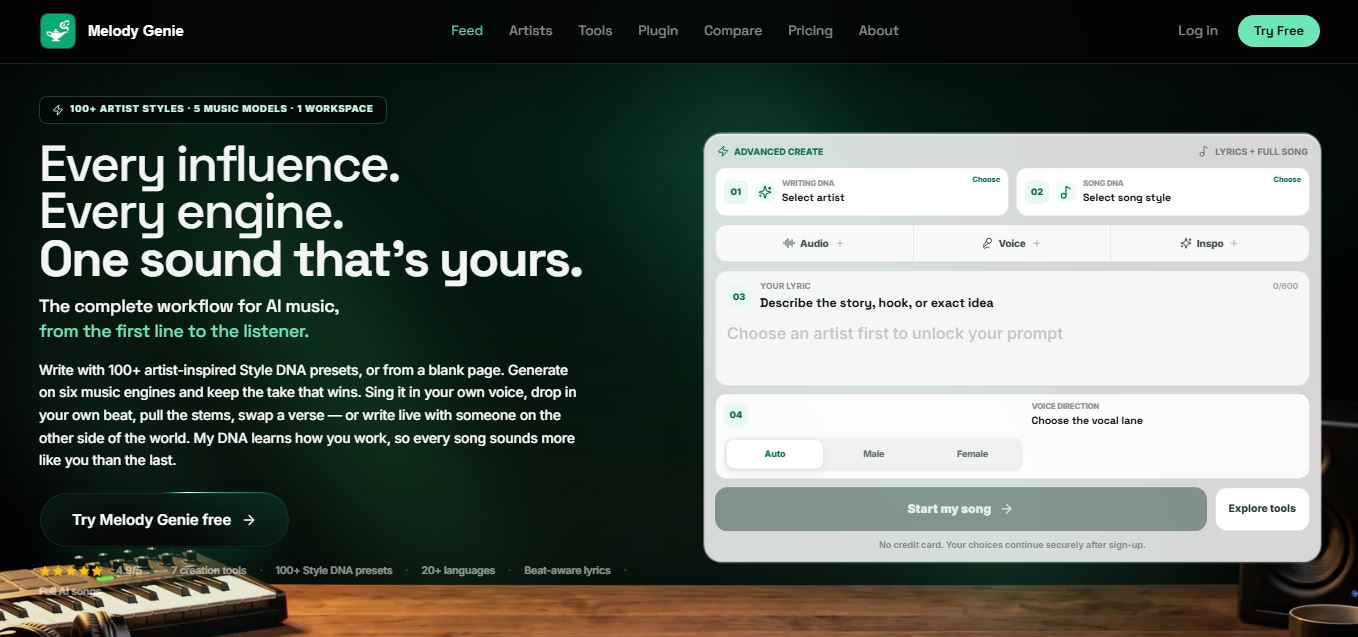
MelodyGenie is an AI-powered music generator that creates original songs from simple text prompts. Users can choose styles, moods, and genres, then instantly generate melodies and full tracks, making it easy for creators, marketers, and hobbyists to produce custom music without musical expertise.
Freemium
Kimi AI
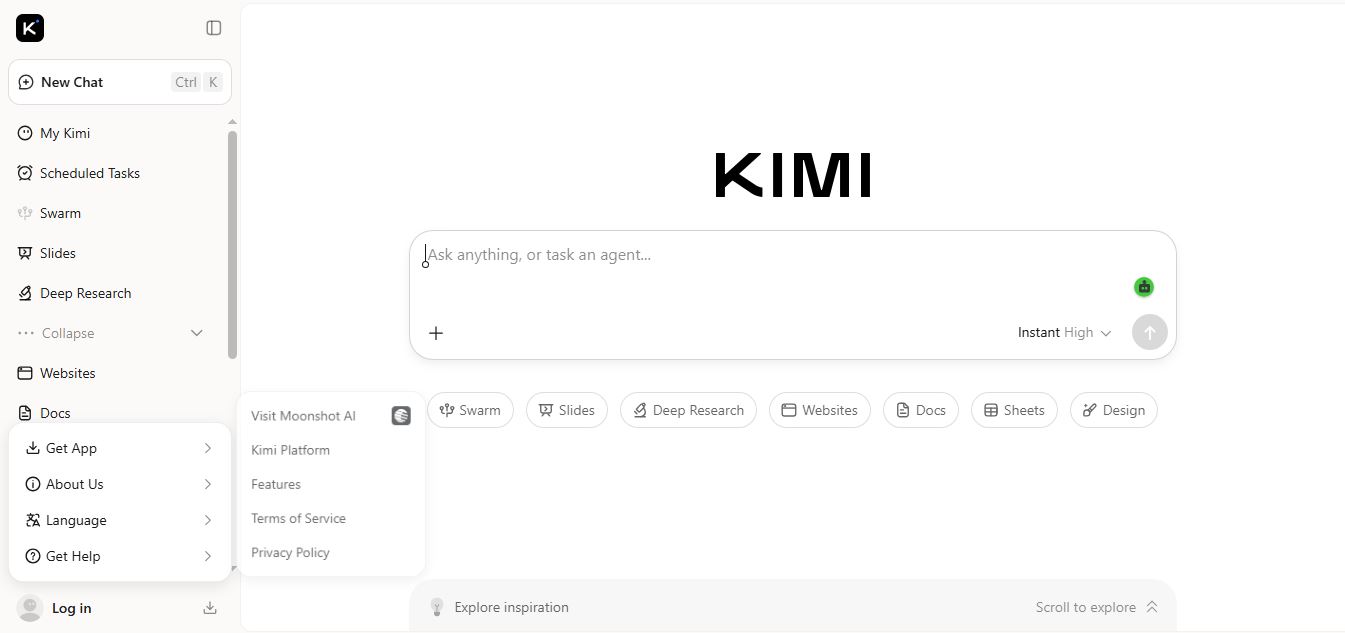
Kimi AI is an advanced AI assistant developed by Moonshot AI that helps you chat, research, write, code, and automate tasks in one place. It supports web search, file analysis, and multimodal inputs, and can even run autonomous “agent” workflows to complete complex tasks end-to-end.
Freemium
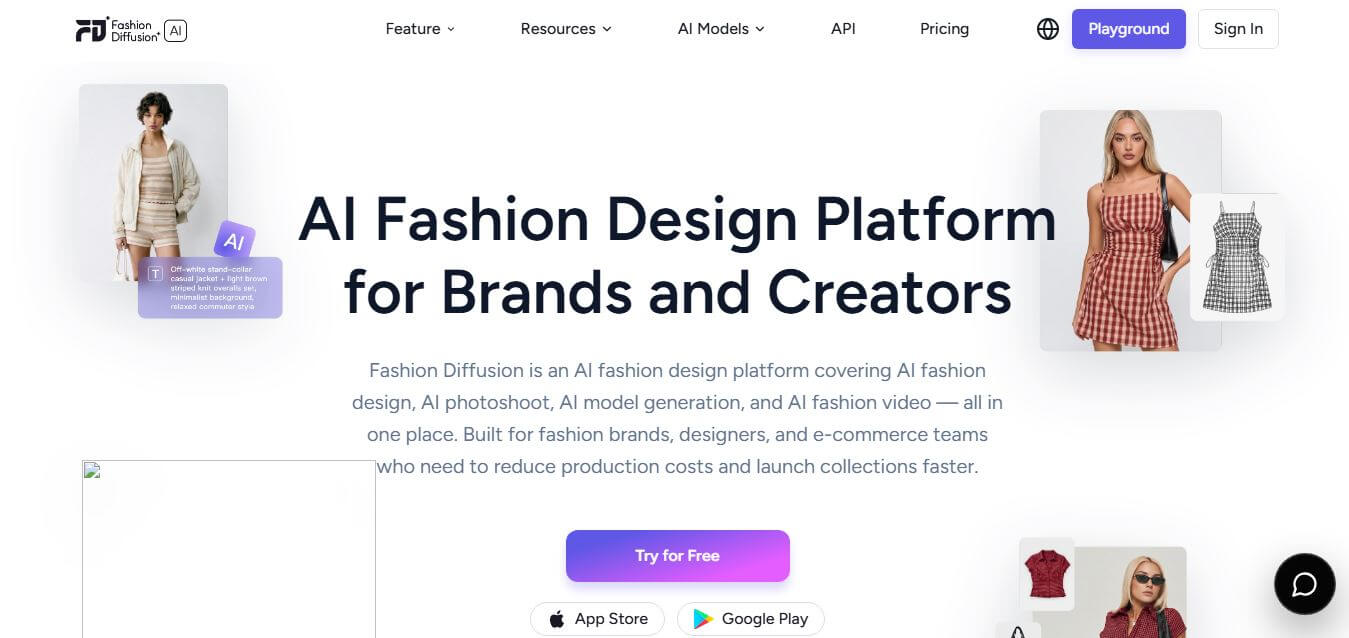
Fashion Diffusion AI
Fashion Diffusion is an AI-powered fashion design platform that helps brands and designers create clothing designs, virtual try-ons, AI models, product photos, and marketing visuals faster and cost-effectively.
Paid
Veo 4
Veo 4 AI is an AI video creation platform that generates dramatic videos from text, images, audio, and video prompts using realistic motion and synchronized sound.
Paid
Alternatives
Alternatives to Userlens
The best Userlens alternatives include Gainsight, Totango, ChurnZero, Planhat, Vitally, and Custify. These platforms provide customer success management, customer health scoring, and churn mitigation workflows. While Userlens specializes in an autonomous AI CSM that monitors 100% of accounts, flags churn signals up to 6 months in advance, generates QBR presentations, and sends proactive Lumi adoption nudges without data engineering assistance, legacy platforms like Gainsight require heavy enterprise onboarding and complex manual configuration.
 4.9
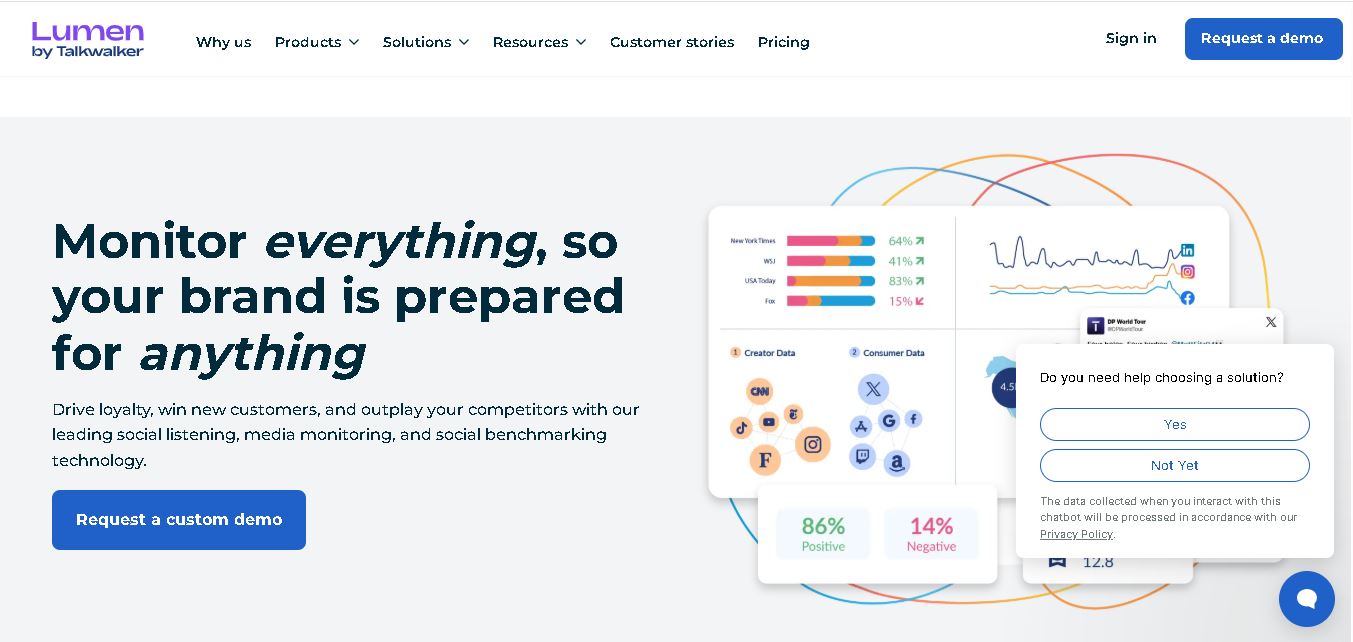
4.9Talkwalker
AI Agent
Talkwalker is a consumer intelligence and social listening solution that helps brands track online mentions, analyze audience sentiment, monitor competitors, and discover emerging trends. It combines social media analytics, media monitoring, customer feedback, and AI-powered insights to support marketing, public relations, reputation management, and data-driven business decisions across global markets.
 5.0
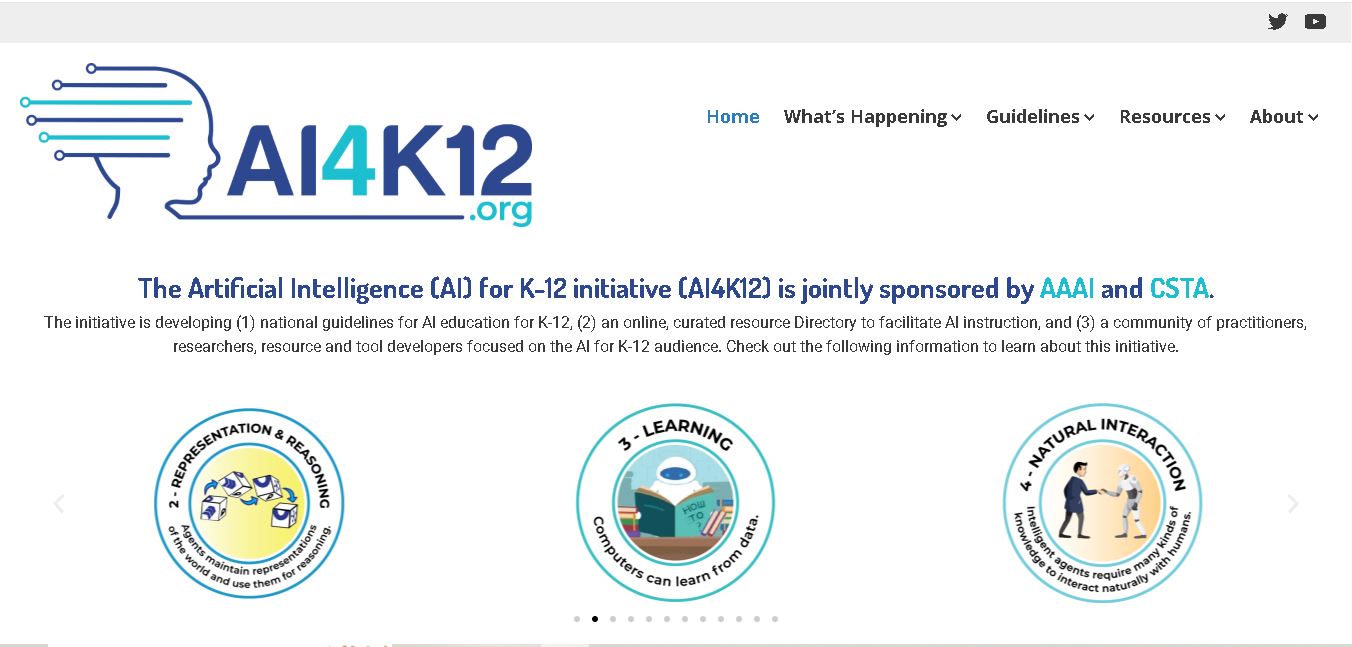
5.0AI4K12
AI Agent
AI4K12 is an educational initiative focused on bringing artificial intelligence into K–12 classrooms. It provides grade-level learning guidelines, curated teaching resources, and the Five Big Ideas framework. Designed for educators and curriculum developers, AI4K12 supports age-appropriate AI instruction and helps students understand how intelligent technologies work and affect society.
Kommunicate
AI Agent
Kommunicate (kommunicate.io) is an AI-powered customer service automation and live chat platform that unites no-code generative AI agents, Kompose chatbot builder, seamless human escalation, voice AI, and omnichannel messaging across WhatsApp, web, and mobile apps.
Text
AI Agent
Text is an AI-powered customer service platform that combines live chat, help desk ticketing, AI agents, and workflow automation. It helps businesses manage customer conversations, automate repetitive support tasks, answer questions, engage website visitors, and turn customer interactions into sales opportunities through a unified communication workspace.
DocsBot AI
AI Agent
DocsBot AI is an AI chatbot and agent platform that turns websites, documents, knowledge bases, and support tickets into conversational assistants. Businesses can use it to automate customer support, answer questions, share internal knowledge, connect workflows, and provide information through website widgets and supported integrations.
SiteGPT AI
AI Agent
SiteGPT is an AI chatbot platform that helps businesses automate customer support using their website content, documents, and knowledge sources. It answers visitor questions, supports lead generation, and integrates into websites, allowing teams to handle repetitive inquiries, improve customer experiences, and provide assistance around the clock.
 4.7
4.7Halcyon
AI Agent
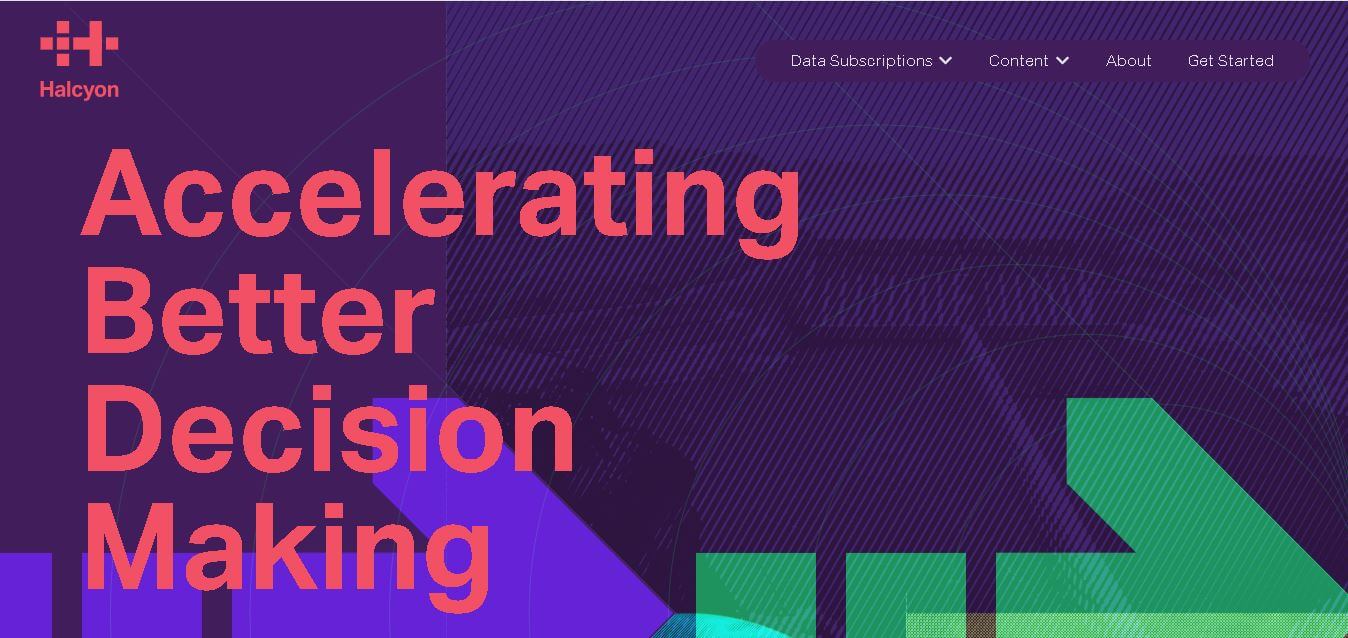
Halcyon is an AI energy intelligence platform that helps professionals search regulatory filings, analyze energy-market information, monitor developments, and access structured datasets. It combines document search, natural-language queries, AI-powered alerts, and specialized data subscriptions to turn fragmented energy information into actionable intelligence for research, monitoring, planning, and faster decision-making.
 4.5
4.5Enhancv
AI Agent
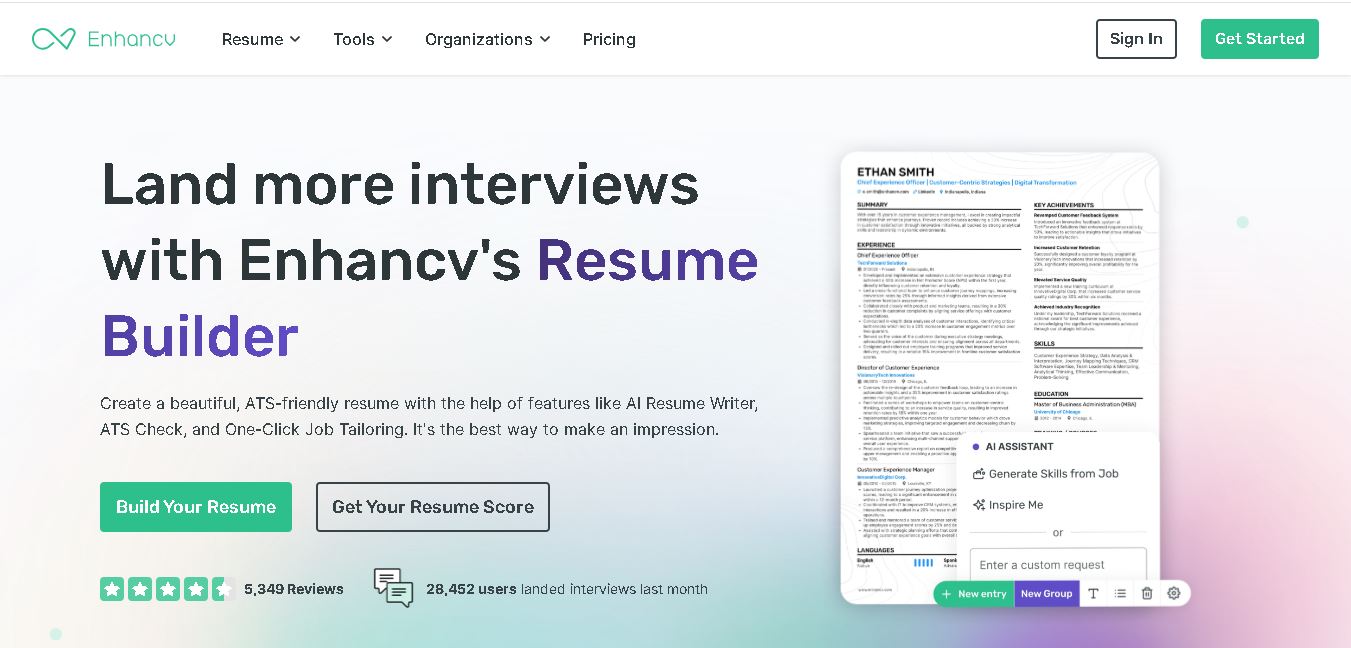
Enhancv helps job seekers build ATS-friendly resumes using customizable templates, AI writing assistance, resume checking, and job-specific tailoring. It also supports cover letters, application tracking, interview preparation, and resume translation. The platform is designed for candidates who want a polished application while keeping control over their experience, wording, and presentation.
 4.9
4.9Domo
AI Agent
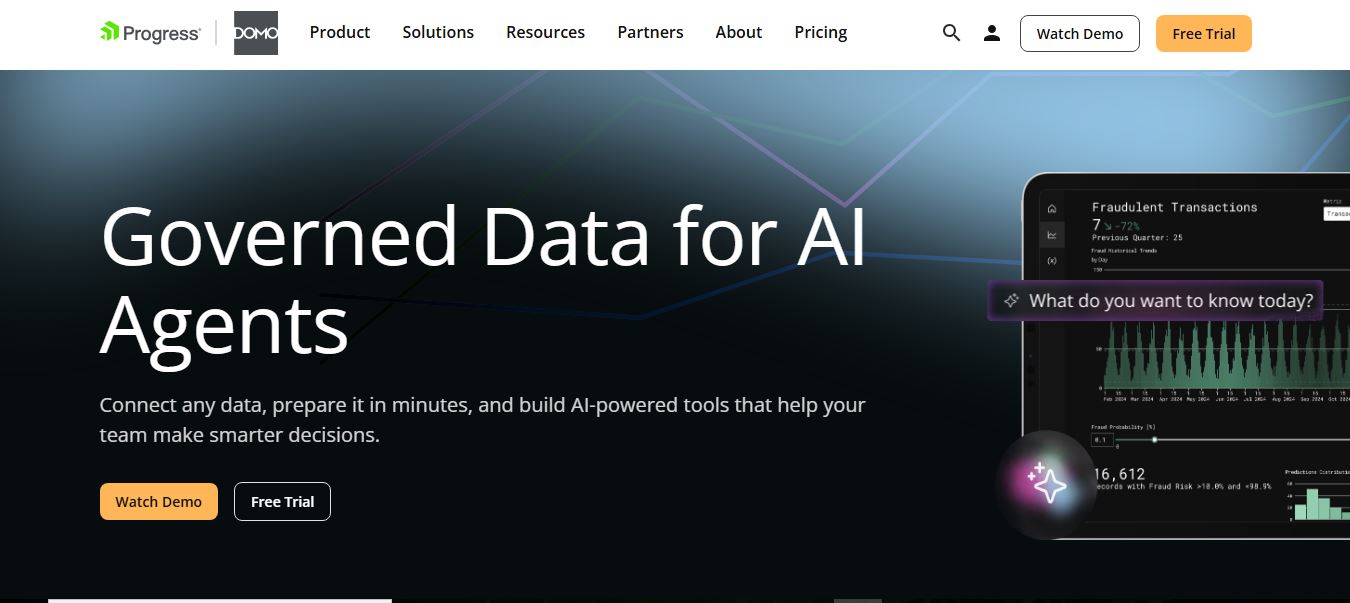
Domo is an AI-powered data and analytics platform that helps businesses connect, visualize, and act on data from multiple sources in one place. It combines dashboards, automation, and AI insights to turn raw data into decisions, enabling teams to monitor performance and drive better outcomes in real time.