
HubSpot AEO Sensor
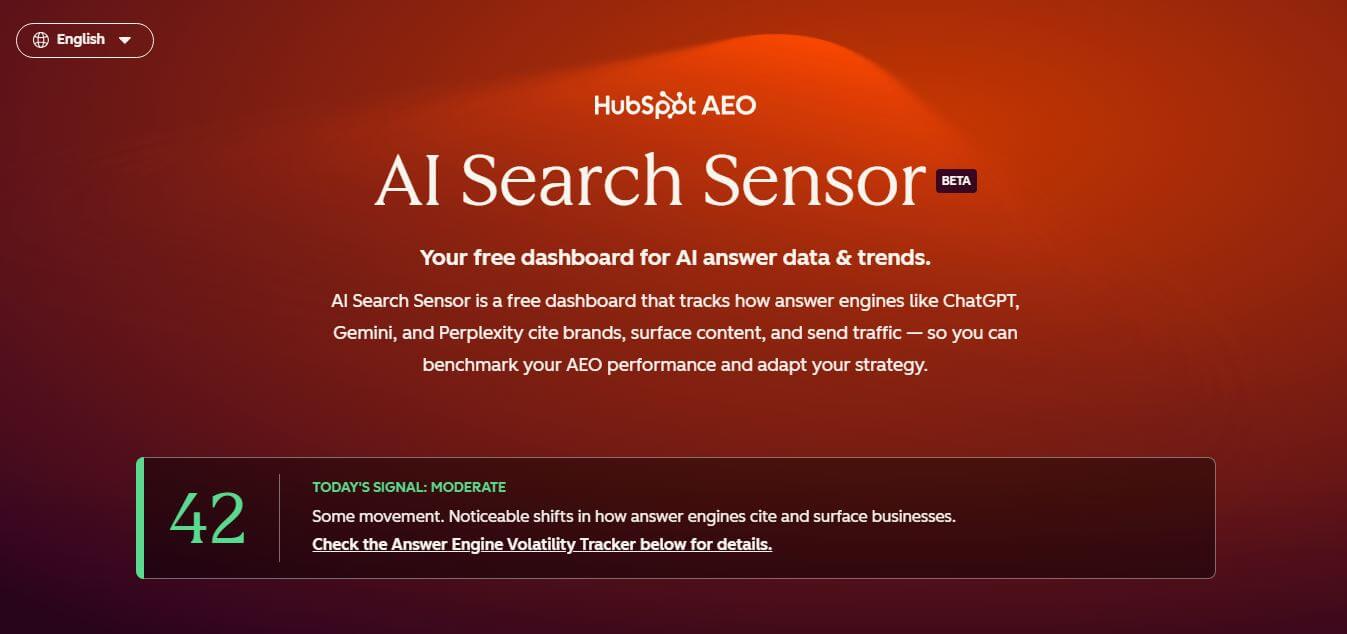
HubSpot AEO Sensor is a free industry dashboard that tracks volatility, citations, and AI-referred traffic trends across answer engines like ChatGPT, Gemini, and Perplexity to help marketing teams optimize their brand visibility in AI search.
What is HubSpot AEO Sensor?
HubSpot AEO Sensor is a free public intelligence dashboard designed to monitor and analyze how generative AI answer engines cite brands, surface content, and drive referral traffic. By aggregating data across ChatGPT, Gemini, and Perplexity, it gives marketers, SEO specialists, and brand managers macro-level visibility into AI answer volatility and industry citation benchmarks. Rather than guessing why AI traffic fluctuates, teams can observe broader algorithmic movement to understand if a traffic shift is an isolated website issue or an industry-wide model update.
HubSpot AEO Sensor tracks weekly referral traffic and citation patterns modeled from anonymized customer data across ChatGPT, Gemini, and Perplexity. The dashboard monitors 16 content types and 9 citation channels to give marketing teams a complete picture of AI search discovery. By evaluating daily volatility across a 0 to 100 percent scale, teams can pinpoint whether sudden traffic swings are caused by model updates in under 24 hours.
- Founder: Developed by HubSpot Inc.
- Launch Year: 2026
- Use Cases:
- Tracking daily algorithm volatility across ChatGPT, Gemini, and Perplexity
- Benchmarking industry citation share and AI visibility metrics
- Analyzing AI-referred traffic trends against macro answer engine patterns
- Identifying high-performing content formats and third-party citation channels
- Technology:
- Multi-engine citation scraping and natural language analysis algorithms
- Anonymized aggregate customer traffic modeling architecture
- Real-time AI model release tracking and correlation engine
- Target Users:
- SEO strategists, content managers, and digital marketing leaders
- Performance marketing and digital agencies reporting AI traffic shifts
- Product marketers and brand managers optimizing answer engine presence
- Data analysts interpreting anomalies in generative search traffic
- Ecosystem: Integrates alongside the broader HubSpot AEO product suite, AEO Grader, and HubSpot Academy certification courses.

Key features of HubSpot AEO Sensor
HubSpot AEO Sensor's key features are
- Answer Engine Volatility Tracker: Measures daily volatility across answer engines, categorizing fluctuations into calm, moderate, elevated, and extreme movement.
- AI-Referred Traffic Trends: Displays aggregated weekly traffic trends driven by ChatGPT, Gemini, and Perplexity to help benchmark performance.
- Citation Share Trends: Analyzes which content types (e.g., listicles, product pages, reviews) and channels are most frequently cited by AI models.
- Industry Visibility Benchmarks: Compares visibility scores and citation shares across representative brands in 10 major industry verticals.
- AI Model Release Notes Feed: Correlates volatility spikes and sudden citation shifts directly with major LLM and answer engine updates.
- Multi-Engine Monitoring: Delivers unified intelligence across multiple leading AI platforms instead of tracking a single proprietary tool.
HubSpot AEO Sensor Pricing
HubSpot AEO Sensor is completely free to access as a public dashboard, while brand-specific tracking is offered through the paid HubSpot AEO platform.
AEO Sensor (Public Dashboard):
- $0 / Free Forever
- Access to daily volatility scores, industry benchmarks, and model release notes
- No login or implementation required
HubSpot AEO (Brand Monitoring):
- Starts at $50/month (with a 28-day free trial)
- Custom brand visibility tracking, competitor share of voice, and actionable optimization playbooks
Disclaimer: For the latest and most accurate pricing information, please visit the official HubSpot website.
Is HubSpot AEO Sensor Worth It?
HubSpot AEO Sensor is an essential tool for digital marketers navigating the shift from traditional search engines to AI answer engines. Because the sensor is 100 percent free and requires zero tracking code, marketing teams gain instant macroeconomic context on AI search algorithms, preventing unnecessary panic when traffic shifts occur.
Real-World Use Cases
- Diagnosing AI Traffic Dips: Content teams use the volatility tracker to check if a sudden drop in referral traffic is an isolated issue or part of an LLM update.
- AEO Content Strategy Planning: Marketers analyze citation share trends to determine whether to invest in review sites, earned media, or owned blog content.
- Agency Client Reporting: Digital agencies reference macro visibility data to explain AI search algorithm changes to stakeholders.
- Competitor Benchmarking: Brands compare their sector performance against industry-wide visibility benchmarks across ChatGPT and Perplexity.
Who is using the HubSpot AEO Sensor?
HubSpot AEO Sensor is designed for a broad range of digital marketing professionals, including
- SEO & Content Strategists: Adapting traditional organic search campaigns for generative answer engines
- Marketing Directors & CMOs: Tracking early shifts in buyer discovery behavior across generative AI
- Digital Marketing Agencies: Educating clients and justifying answer engine optimization strategies
- Data & Web Analysts: Interpreting referral attribution anomalies originating from AI chatbots
Best HubSpot AEO Sensor Alternatives
Some of the strongest HubSpot AEO Sensor alternatives include
- Semrush AEO Toolkit
- Profound
- Otterly AI
- AthenaHQ
- Peasy AI
Pros and Cons of HubSpot AEO Sensor
Pros
- 100 percent free public access with no registration or code installation required
- Tracks major answer engines, including ChatGPT, Gemini, and Perplexity, in one view
- Provides clear macro-level context for diagnosing sudden traffic fluctuations
- Correlates volatility directly with AI model release updates
- Supported by HubSpot's educational guides and AEO certifications
Cons
- Does not track custom domain URLs directly on the free sensor dashboard
- Requires upgrading to HubSpot AEO for granular brand and competitor intelligence
- Beta metrics may experience slight stabilization delays over 3-day rolling windows
Why Choose HubSpot AEO Sensor?
HubSpot AEO Sensor gives marketers a much-needed diagnostic lens into the black box of generative AI search. It transforms volatile AI citation movements into clear, actionable macro benchmarks.
- Delivers a free real-time weather report for generative answer engine algorithms
- Helps differentiate between model-wide algorithmic updates and internal website drops
- Reveals which off-site channels and content formats drive the highest AI citation rates
- Backed by data from thousands of websites across the global HubSpot customer ecosystem
How HubSpot AEO Sensor Works
- 1. Open the Sensor Dashboard: Visit the free dashboard to review the current day's overall answer engine volatility signal.
- 2. Inspect Referral Trends: Analyze weekly AI-referred traffic patterns across ChatGPT, Gemini, and Perplexity.
- 3. Review Citation Distribution: Examine which content types and media channels are currently earning the highest AI citations.
- 4. Compare Industry Benchmarks: Benchmark visibility scores across 10 industry sectors to guide your overall AEO roadmap.
HubSpot AEO Sensor vs. Competitors
The main difference between HubSpot AEO Sensor, Semrush AEO, and Profound is that HubSpot AEO Sensor serves as a free macro-level industry dashboard tracking global AI volatility, whereas Semrush AEO and Profound focus primarily on proprietary domain-level rank tracking, prompt auditing, and paid enterprise competitor analytics. HubSpot provides a universal benchmark accessible to all marketers without setup barriers.
| Feature | HubSpot AEO Sensor | Semrush AEO | Profound |
|---|---|---|---|
| Primary Focus | Macro AI Search Volatility | Domain Rank Tracking | Enterprise AEO Analytics |
| Platforms Tracked | ChatGPT, Gemini, Perplexity | ChatGPT, Google AI Overviews | Multiple LLMs & Engines |
| Implementation Required | None (Public Dashboard) | Account & Project Setup | Platform Configuration |
| Starting Price | Free ($0) | Paid Subscription | Paid Enterprise Tier |
How do we rate HubSpot AEO Sensor?
| Parameter | Rating (out of 5) |
|---|---|
| Ease of Use | 5.0 |
| Data Clarity & Actionability | 4.7 |
| Multi-Engine Coverage | 4.8 |
| Value for Money | 5.0 |
| Market Context Quality | 4.9 |
| Overall Score | 4.9 |
HubSpot AEO Sensor Review
HubSpot AEO Sensor is an exceptional diagnostic resource for anyone monitoring AI discovery trends. By providing a clear daily pulse on answer engine volatility and citation shares, it fills a major visibility gap for digital marketers. The ability to correlate traffic swings directly with AI model release updates makes it a vital tool for understanding the broader generative search landscape.
Conclusion
HubSpot AEO Sensor delivers essential clarity in an era where AI answer engines are changing how users discover information online. By providing free real-time data on volatility, traffic trends, and citation distributions across major AI models, it enables marketing teams to adapt their strategies with confidence. Whether diagnosing sudden traffic dips or planning future content initiatives, the AEO Sensor is an indispensable benchmark for modern digital marketers.
FAQ
What is AI Search Sensor and how can it actually help me as a marketer?
AI Search Sensor is a free dashboard by HubSpot that helps you understand how AI tools like ChatGPT, Gemini, and Perplexity are showing content and citing brands. Instead of guessing why your traffic is changing, you can see real industry-level trends—like citation shifts and AI-driven traffic patterns. Personally, if you’re working on SEO or AEO, this tool gives you clarity on whether changes are due to your strategy or broader AI algorithm shifts.
Does AI Search Sensor show my website or brand performance?
No, and that’s actually intentional. AI Search Sensor focuses on industry-level insights, not individual brand tracking. If you're like me and want to understand your own visibility, you’ll need a more advanced tool like HubSpot AEO. The Sensor helps you answer: “Is everyone’s traffic dropping, or just mine?”—which is extremely valuable before making any major SEO or content changes.
What kind of data and insights does AI Search Sensor provide?
The tool provides key insights such as AI-referred traffic trends, industry visibility benchmarks, and citation share across different sectors. This means you can see how much traffic is being driven by AI platforms, which industries are gaining or losing visibility, and how often certain types of content are being referenced in AI-generated answers. From a practical standpoint, this helps you understand what type of content is performing better—whether it’s blogs, guides, or comparison pages—and allows you to align your content strategy accordingly to maximize visibility in AI-driven search results.
How is AI Search Sensor different from traditional SEO tools?
Traditional SEO tools mainly focus on keyword rankings, backlinks, and Google search performance, whereas AI Search Sensor focuses on how answer engines behave. In AI-driven search, users are often given direct answers instead of a list of links, which changes the entire game. Instead of aiming to rank #1 on Google, your goal shifts toward being cited or referenced in AI-generated responses. This makes content structure, clarity, and authority even more important. In simple terms, AI Search Sensor helps you adapt from traditional SEO to a more modern AEO-focused strategy.
How frequently is the data updated and how reliable is it?
The data in AI Search Sensor is updated regularly, with many metrics refreshed daily and broader insights analyzed on a weekly basis for better accuracy. It is based on aggregated and anonymized data from HubSpot users, which means it provides a reliable overview of trends rather than exact figures for your specific website. From a practical perspective, you should treat it as a directional tool that helps you understand where the market is heading. It’s best used for spotting patterns early and adjusting your content or SEO strategy before major shifts impact your performance.
User Reviews
No reviews yet for HubSpot AEO Sensor.
Featured Tools
Featured AI tools from TechShark

Melody Genie
MelodyGenie is an AI-powered music generator that creates original songs from simple text prompts. Users can choose styles, moods, and genres, then instantly generate melodies and full tracks, making it easy for creators, marketers, and hobbyists to produce custom music without musical expertise.
Freemium
Kimi AI
Kimi AI is an advanced AI assistant developed by Moonshot AI that helps you chat, research, write, code, and automate tasks in one place. It supports web search, file analysis, and multimodal inputs, and can even run autonomous “agent” workflows to complete complex tasks end-to-end.
Freemium

Fashion Diffusion AI
Fashion Diffusion is an AI-powered fashion design platform that helps brands and designers create clothing designs, virtual try-ons, AI models, product photos, and marketing visuals faster and cost-effectively.
Paid
Veo 4
Veo 4 AI is an AI video creation platform that generates dramatic videos from text, images, audio, and video prompts using realistic motion and synchronized sound.
Paid
Alternatives
Alternatives to HubSpot AEO Sensor
The best HubSpot AEO Sensor alternatives include Semrush AEO Toolkit, Profound, Otterly AI, AthenaHQ, and Peasy AI. Semrush offers deep keyword and AI Overview visibility tracking. Profound provides enterprise-grade prompt intelligence and brand mention analysis across LLMs. Otterly AI specializes in AI search monitoring for mid-market teams, while AthenaHQ focuses on real-time answer engine performance metrics.
 4.9
4.9Manifold
Research
Manifold helps life sciences organizations turn complex clinical, genomic, and real-world data into governed, self-service insights. Its specialist agents support natural-language queries, cohort building, bioinformatics, statistical analysis, data partnerships, and evidence generation. Teams can keep sensitive data within their cloud while controlling access, auditing activity, and scaling research workflows securely.
 5.0
5.0Rayyan
Research
Rayyan is an AI-powered systematic review and literature review platform that helps researchers organize references, remove duplicates, screen studies, extract data, assess risk of bias, and generate PRISMA reports. Its AI features assist with relevance ranking, article screening, and structured data extraction while keeping researchers in control.
 4.9
4.9EvidenceHunt
Research
EvidenceHunt is an AI-powered medical research platform that helps clinicians, researchers, and life science teams find and analyze scientific evidence. It searches medical literature, guidelines, and internal documents, then generates citation-grounded answers, evidence tables, systematic reviews, and traceable insights for faster, evidence-based research.
 4.9
4.9Elicit
Research
Elicit is an AI-powered research assistant that helps users find, summarize, and analyze academic papers at scale. It searches millions of studies, extracts key data, and generates evidence-backed reports, enabling researchers to conduct literature reviews, compare findings, and make informed decisions faster.
 4.8
4.8Scholarcy
Research
Scholarcy is an AI-powered research assistant that helps students and researchers summarize, analyze, and organize academic papers. It turns complex documents into structured flashcards with key findings, concepts, and references, enabling faster reading, better understanding, and efficient literature review workflows.
 4.9
4.9Resoomer
Research
Resoomer is an AI-powered text summarization tool that helps users quickly turn long articles, research papers, and documents into concise summaries. It identifies key ideas, supports multiple formats like PDFs and URLs, and includes tools for paraphrasing, translating, and analyzing content for faster understanding.
 4.9
4.9Consensus
Academic
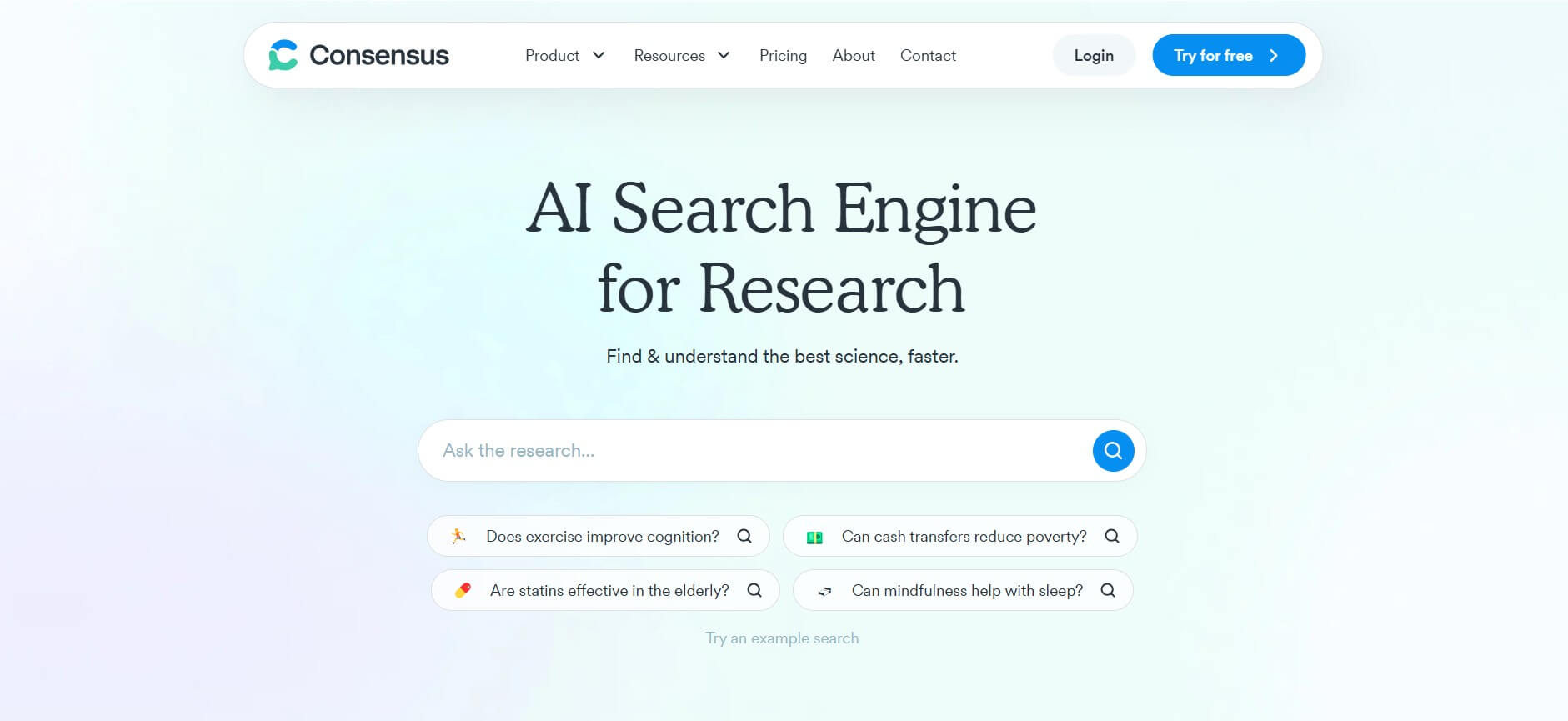
Consensus is an AI-powered academic search engine that helps users find, understand, and summarize scientific research from over 200 million peer-reviewed papers. It delivers clear, cited answers backed by real studies, making it easier to explore evidence, compare findings, and conduct research faster and more reliably.
 5.0
5.0Perplexity AI
AI Chatbot Tools
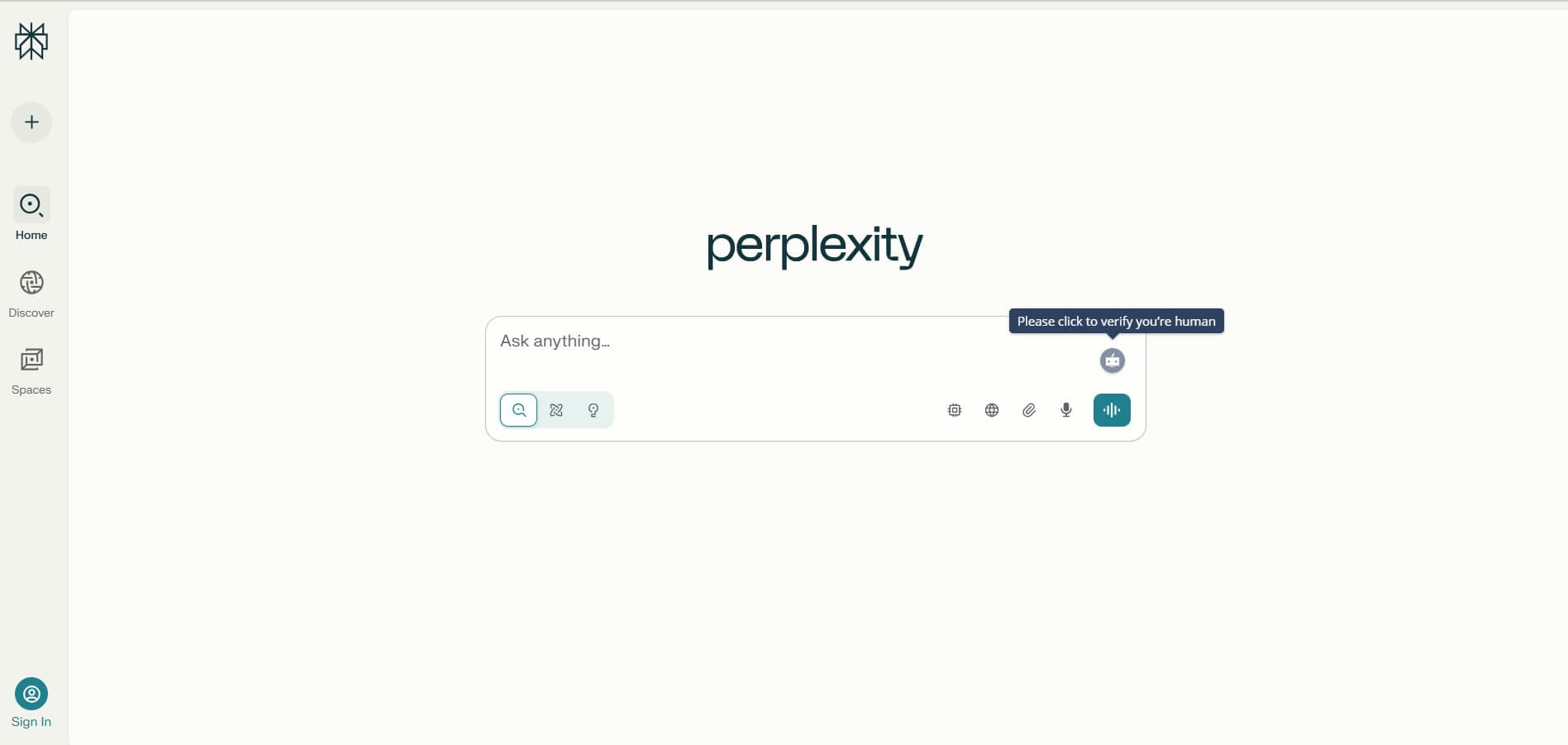
Perplexity is an AI-powered answer engine that searches the web in real time and delivers clear, cited responses instead of just links. It combines conversational AI with live data, helping users research topics, compare information, and get reliable insights quickly with verifiable sources.
 4.8
4.8Okara AI
Marketing
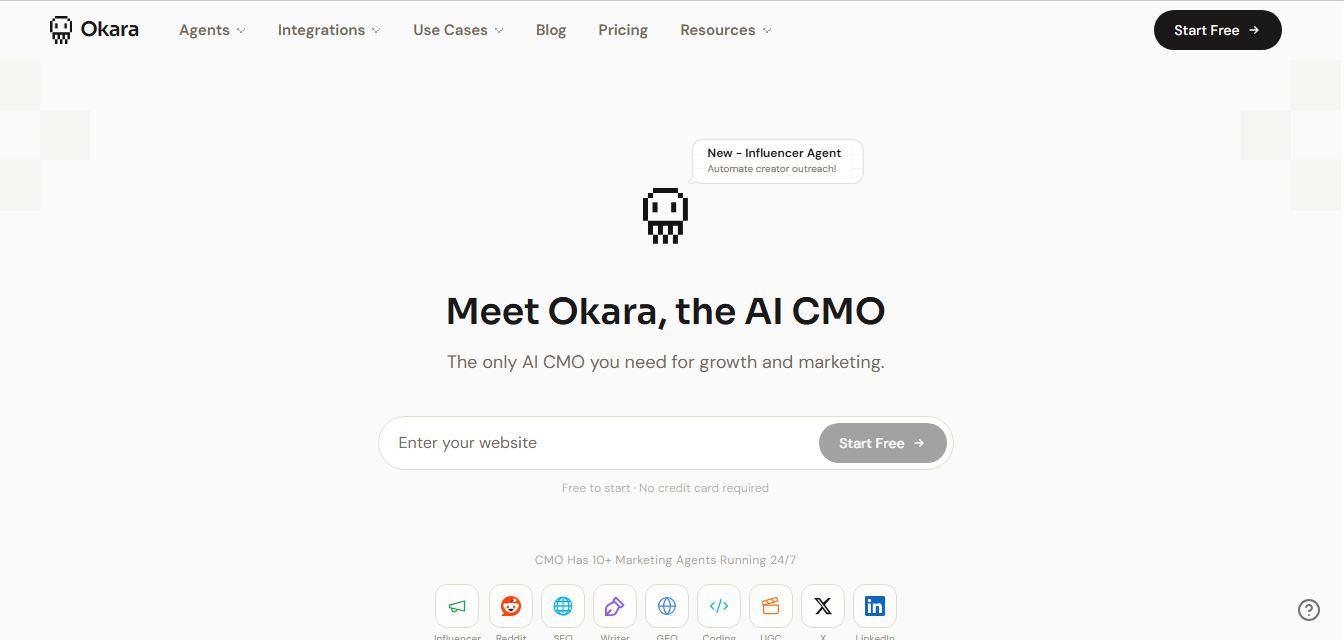
Okara is an AI-powered marketing automation platform that acts as a virtual CMO, running SEO, content, and social media through multiple AI agents. It analyzes your website, finds growth opportunities, and creates and publishes content across channels, helping businesses drive traffic and users without a full marketing team.