
Typeface
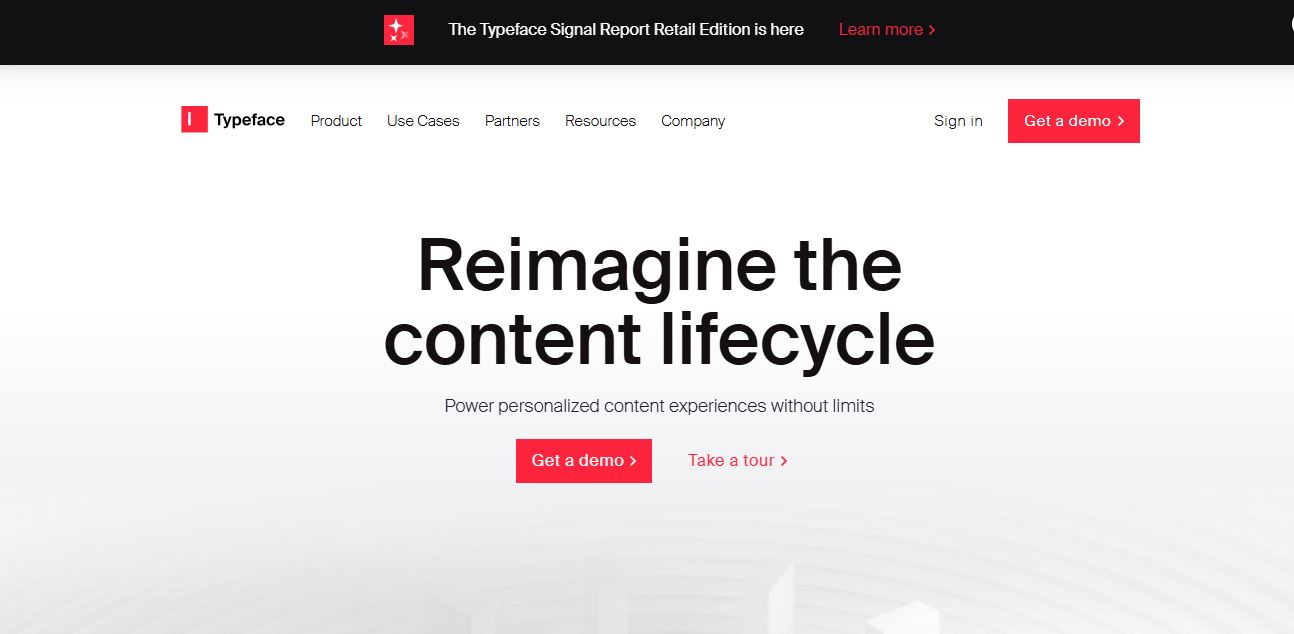
Typeface helps enterprise marketing and creative teams produce, personalize, optimize, and distribute on-brand content with connected AI agents. It supports campaigns, images, video, email, webpages, advertising, SEO, and AEO workflows while keeping brand guidelines and approved assets in context. Teams can automate repetitive production tasks and scale content across channels, audiences, and markets.
What is Typeface?
Typeface is a platform built for enterprise marketing teams to plan, create, personalize, optimize, and activate branded content. It brings brand guidelines, audiences, assets, workflows, and campaign knowledge into a shared context through its Arc architecture. Teams can use Typeface for email, advertising, webpages, images, videos, social content, SEO, AEO, localization, and large-scale campaign workflows.
Typeface is a platform built around Arc Graph, Arc Agents, Arc Spaces, Arc Fabric, and Arc Loop. Its AEO Analyzer introduced a 25-point framework for answer-engine visibility. A Fortune 500 company reduced localized asset production time by 64%, from two weeks to five days. Another Fortune 500 example produced more than 500 personalized assets, while one reported a 65% increase in blog engagement through repurposing and SEO optimization. Typeface also supports integrations, workflow automation, brand governance, and multi-channel content production.
- Platform Role: Enterprise Generative AI & Marketing Orchestration Engine
- Developer & Organization: Typeface Inc.
- Cross-Platform Access: Multi-tenant SaaS cloud web application, design suite extensions (Figma, Adobe Photoshop, Illustrator), and MCP/API ecosystem integrations.
Use Cases:
- Generating multi-channel marketing campaigns (email sequences, paid ads, web copy, social posts, and video scenes)
- Automating large-scale e-commerce product description pages (PDPs) and marketplace content from structured SKU data
- Localizing marketing campaigns across global regions and audience segments while enforcing strict claim guidelines
- Adapting visual creative assets and background variations within native design software like Adobe Creative Cloud and Figma
- Conducting automated brand safety, legal, and claims compliance checks prior to publishing
Technology:
- Arc Graph: Structured intelligence context engine storing brand voice, audience data, product facts, and assets
- Arc Agents & Agent Studio: Specialized AI agents (Email, Web, Ad, Image, Video, and Brand Agents) designed to execute task-specific workflows
- Enterprise Guardrails & Claim Enforcers: Built-in safety layers to ensure compliance with tone rules and legal claims
- Model Context Protocol (MCP) and REST APIs: Flexibly connects Typeface into enterprise DAMs, CMS platforms, and martech stacks
Target Users:
- Enterprise CMOs, growth leads, and marketing ops managers scaling global content campaigns
- Creative directors, designers, and brand managers maintaining identity across sub-brands
- E-commerce managers managing catalog expansions and multi-channel listings
Acquisition: Direct platform demo request and cloud enterprise access at typeface.ai.

What are the key features of Typeface?
Typeface's key platform features are
- Arc Graph Brand Intelligence: Ingests brand style guides, claims policies, visual assets, and voice rules into a centralized, queryable AI context layer.
- Arc Agents & Agentic Workflows: Autonomous domain agents (Email Agent, Ad Agent, Web Agent, Image Agent, Video Agent, Brand Agent) that plan, generate, and self-check channel deliverables.
- Arc Spaces: Shared campaign workspaces that allow teams to manage inputs, generate assets, track review steps, and store source briefs.
- Native Creative Integrations: Directly access Typeface generative and adaptation tools inside Figma, Adobe Photoshop, and Adobe Illustrator.
- Automated Compliance & Safety Checks: Automatically evaluates generated copy and imagery against claims policies and brand guardrails prior to export.
- MarTech Ecosystem Connectors: Native integrations and API connections to enterprise DAMs (e.g., Bynder), CMS platforms (e.g., Contentful), and email service providers.
How much does Typeface cost?
Typeface offers structured subscription plans designed to support teams, growing mid-market brands, and large enterprises.
Standard Subscription Plans:
- Team Plan ($49 / user / month): Core content templates and AI-powered text and image generation for smaller marketing groups.
- Business Plan ($99 / user / month): Advanced audience personalization, brand safety checks, wider workflow integrations, and multi-channel asset creation.
Enterprise Tier:
- Enterprise Plan (Custom Pricing): Tailored pricing based on AI usage and integrations. Includes dedicated brand-trained AI models, custom agent building via Agent Studio, advanced SOC 2 security, custom workflows, and full API/MCP access.
Disclaimer: Pricing tiers and feature packaging are subject to update. Contact Typeface for customized enterprise quotes.
Who should use Typeface?
Typeface is designed for mid-sized and enterprise teams, including
- Global Marketing Teams: Marketing organizations running omni-channel campaigns across multiple regions and languages.
- Multi-Brand Enterprises: Parent companies managing distinct sub-brands that require strict identity separation and guidelines enforcement.
- E-Commerce Retailers: Online sellers handling extensive catalog SKUs that require quick generation of product descriptions and visual ads.
What are the best alternatives to Typeface?
Some of the strongest Typeface alternatives include
- Jasper
- Copy.ai
- Writer
- Adobe Firefly & Sensei GenAI
- Bria AI
What are the pros and cons of Typeface?
What are the pros of Typeface?
- Deep enterprise brand governance via Arc Graph context modeling
- Agentic orchestration that manages complex, multi-asset campaign workflows
- Direct integration inside designer tools like Figma and Photoshop
- Automated claim validation and brand safety checks built directly into outputs
What are the cons of Typeface?
- Initial platform onboarding and brand graph setup requires dedicated configuration time
- Overpowered and more expensive for small businesses or solo creators compared to lighter tools like Copy.ai
- Enterprise features require custom contract procurement
Why should you choose Typeface?
Most standalone generative AI copywriting or image tools operate as simple prompt-and-response utilities without deep brand context. Typeface bridges this gap by acting as a full orchestration engine. By training custom AI agents on your brand rules, product catalogs, and compliance standards, Typeface turns raw campaign concepts into finalized assets across channels while preserving brand identity.
How does Typeface compare to competitors?
While tools like Jasper and Copy.ai cater well to individual copywriters and SMB marketing teams, Typeface focuses specifically on enterprise-wide orchestration. Its agent architecture, native Figma/Adobe extensions, and automated compliance engines set it apart for large-scale operations.
| Feature / Platform | Typeface | Jasper | Writer | Copy.ai |
|---|---|---|---|---|
| Primary Architecture | Agentic Marketing Orchestration Engine | AI Copilot & Campaign Assistant | Enterprise LLM & Content Platform | GTM Workflow Automation |
| Brand Governance Layer | Arc Graph (Voice, Claims, Assets, Guidelines) | Brand Voice & Knowledge Base | Knowledge Graph & Custom LLMs | Brand Voice Profiles |
| Creative App Plugins | Figma, Adobe Photoshop, Illustrator | Chrome Extension, Web App | Figma, Word, Chrome Extension | Web App & Extensions |
| Target Market | Mid-Market to Enterprise Organizations | Freelancers, SMBs, Agencies | Mid-Market & Enterprise Teams | SMBs & Sales/GTM Teams |
How do we rate Typeface?
| Parameter | Rating (out of 5) |
|---|---|
| Brand Intelligence & Context Depth | 4.9 |
| Agentic Workflow & Campaign Capabilities | 4.8 |
| Integration & MarTech Ecosystem | 4.7 |
| Compliance & Safety Controls | 4.9 |
| Enterprise Value & Scalability | 4.7 |
| Overall Score | 4.80 |
What is our review and verdict on Typeface?
Typeface is an impressive enterprise marketing platform that solves the issue of content sprawl and brand drift. By pairing autonomous AI agents with structured brand intelligence (Arc Graph), Typeface allows enterprise marketing and creative teams to accelerate campaign execution while upholding compliance standards.
Conclusion
Typeface is a strong option for enterprise teams that need faster content production without losing brand control, consistency, or workflow visibility. Its agentic approach connects creation, optimization, personalization, and activation, while Arc Graph provides shared brand context. For organizations managing multiple campaigns, markets, formats, and channels, Typeface can reduce manual work and make AI-assisted marketing more structured, scalable, and measurable.
FAQ
What type of content can Typeface generate?
Typeface can create text, images, and videos for marketing, branding, and communication purposes.
Does Typeface learn my brand’s tone and style?
Yes, it uses your brand assets and guidelines to generate consistent, on-brand content.
Is there a free plan available?
No, Typeface provides custom enterprise pricing tailored to each client’s needs.
Who is Typeface best suited for?
It’s ideal for enterprise marketing teams, creative agencies, and global brands that need consistent and large-scale content creation.
What makes Typeface different from other AI content tools?
Typeface focuses on brand consistency, governance, and enterprise integration, offering a secure and scalable solution for professional content creation.
User Reviews
No reviews yet for Typeface.
Featured Tools
Featured AI tools from TechShark
Melody Genie
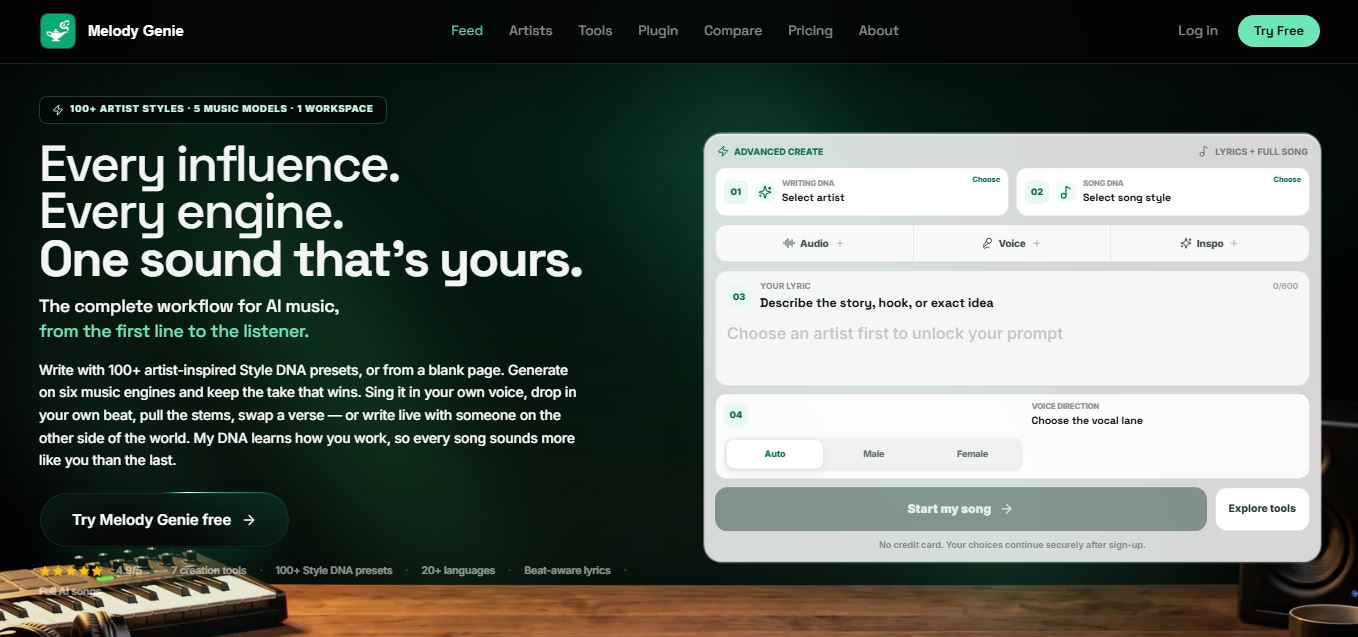
MelodyGenie is an AI-powered music generator that creates original songs from simple text prompts. Users can choose styles, moods, and genres, then instantly generate melodies and full tracks, making it easy for creators, marketers, and hobbyists to produce custom music without musical expertise.
Freemium
Kimi AI
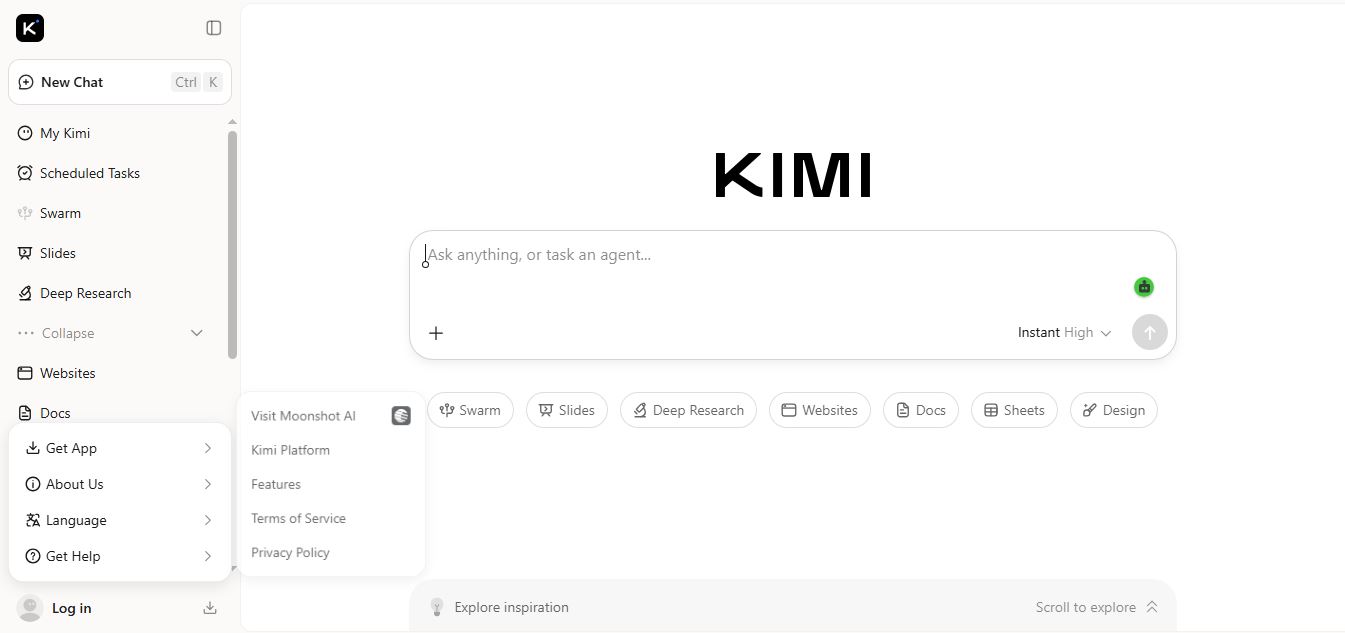
Kimi AI is an advanced AI assistant developed by Moonshot AI that helps you chat, research, write, code, and automate tasks in one place. It supports web search, file analysis, and multimodal inputs, and can even run autonomous “agent” workflows to complete complex tasks end-to-end.
Freemium
Fashion Diffusion AI
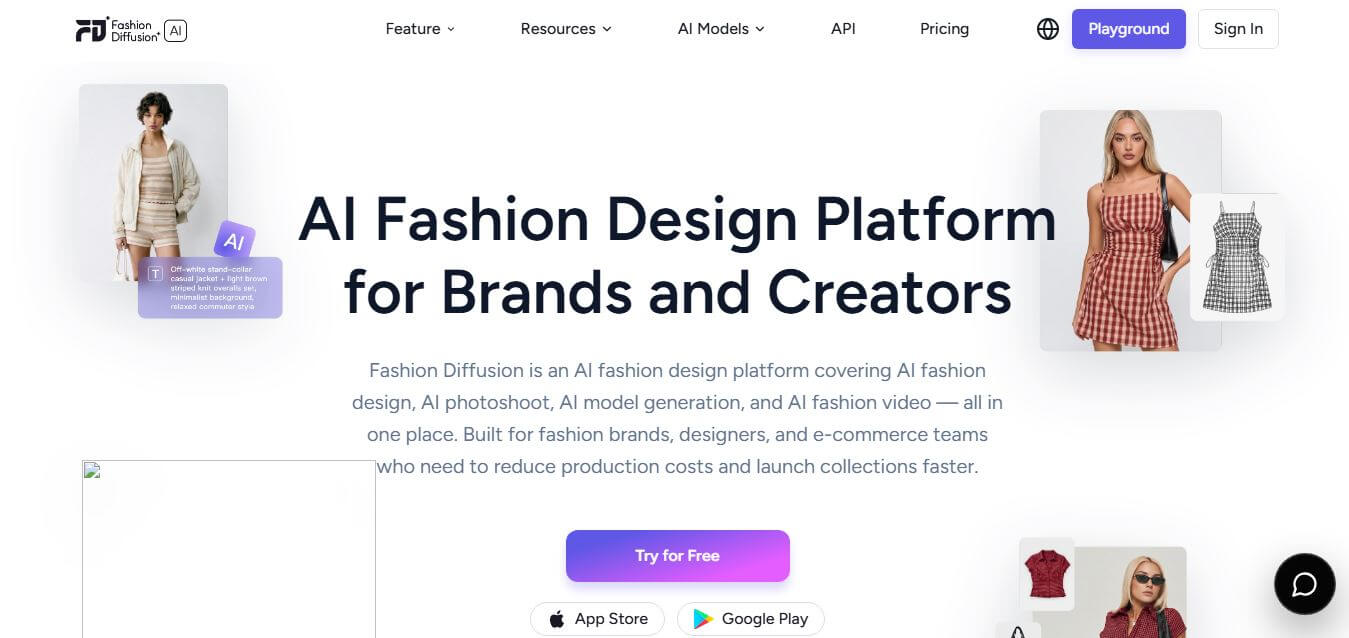
Fashion Diffusion is an AI-powered fashion design platform that helps brands and designers create clothing designs, virtual try-ons, AI models, product photos, and marketing visuals faster and cost-effectively.
Paid
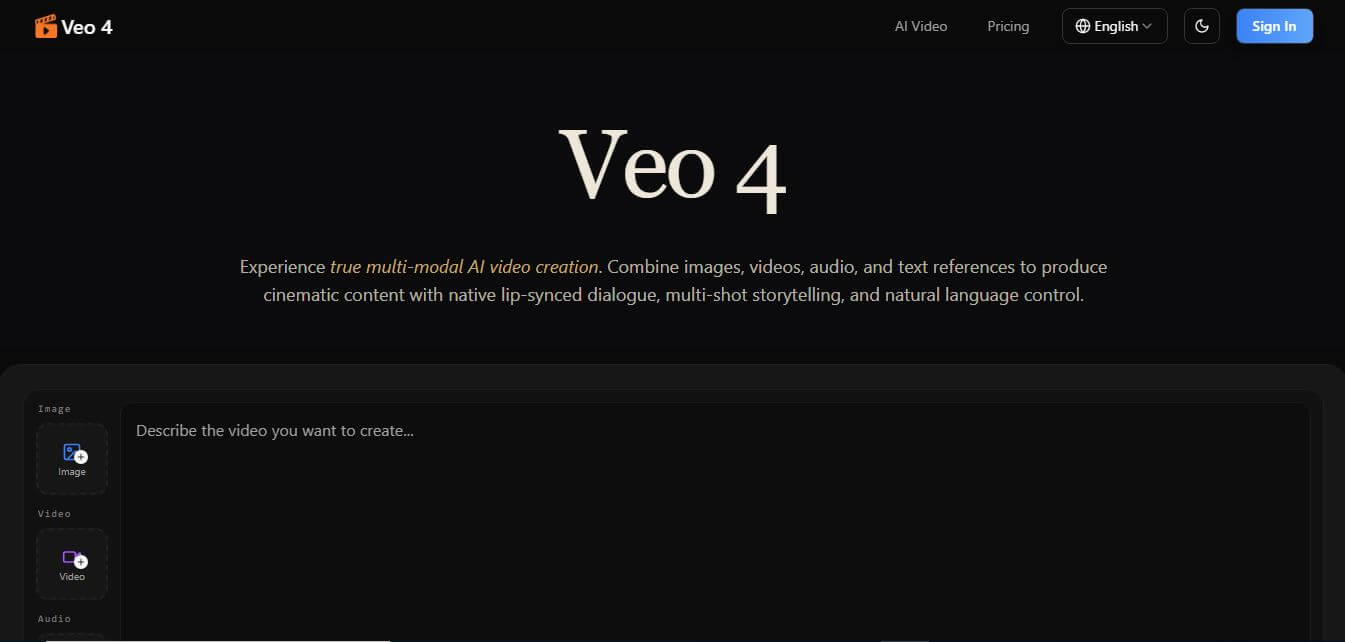
Veo 4
Veo 4 AI is an AI video creation platform that generates dramatic videos from text, images, audio, and video prompts using realistic motion and synchronized sound.
Paid
Alternatives
Alternatives to Typeface
The best Typeface alternatives include Jasper, Copy.ai, Writer, and Adobe Firefly. While Typeface excels in enterprise marketing orchestration, agentic workflows, and brand compliance, tools like Jasper and Copy.ai provide general-purpose copy generation for smaller teams.
 4.9
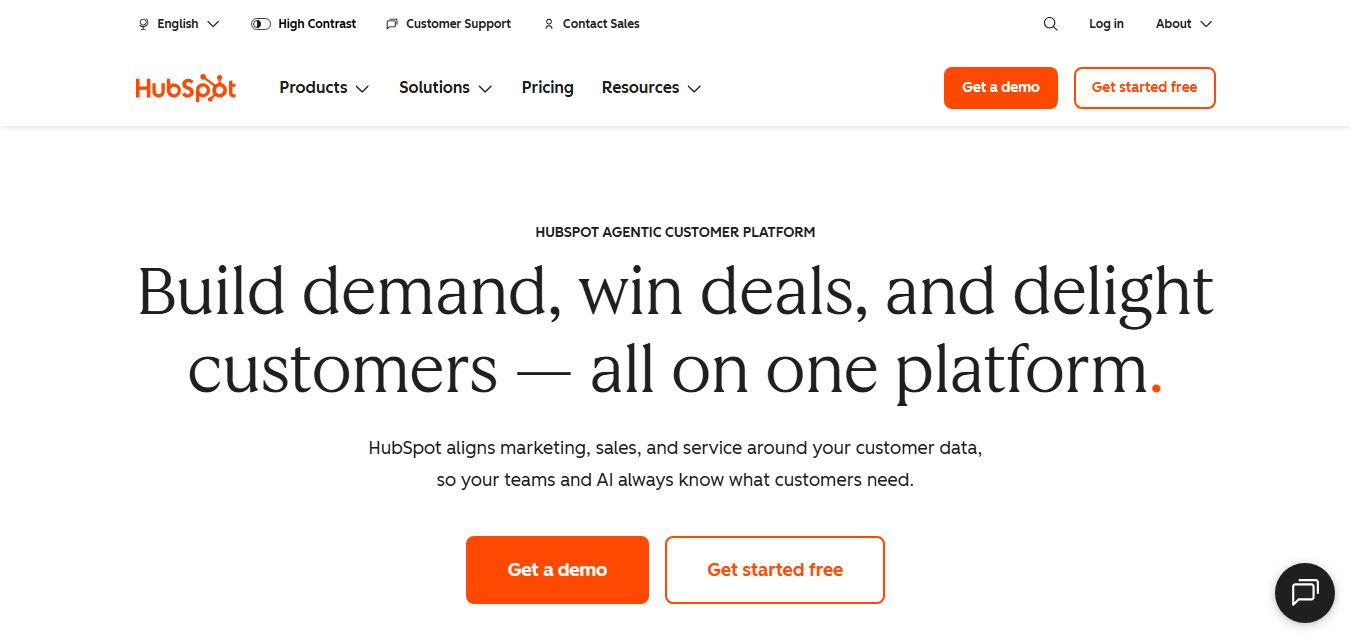
4.9HubSpot
Marketing
HubSpot is an AI-powered customer platform that helps businesses manage marketing, sales, customer service, and content in one place. It offers a free CRM, automation tools, analytics, and AI features, enabling teams to attract leads, close deals, and deliver better customer experiences at scale.
 4.9
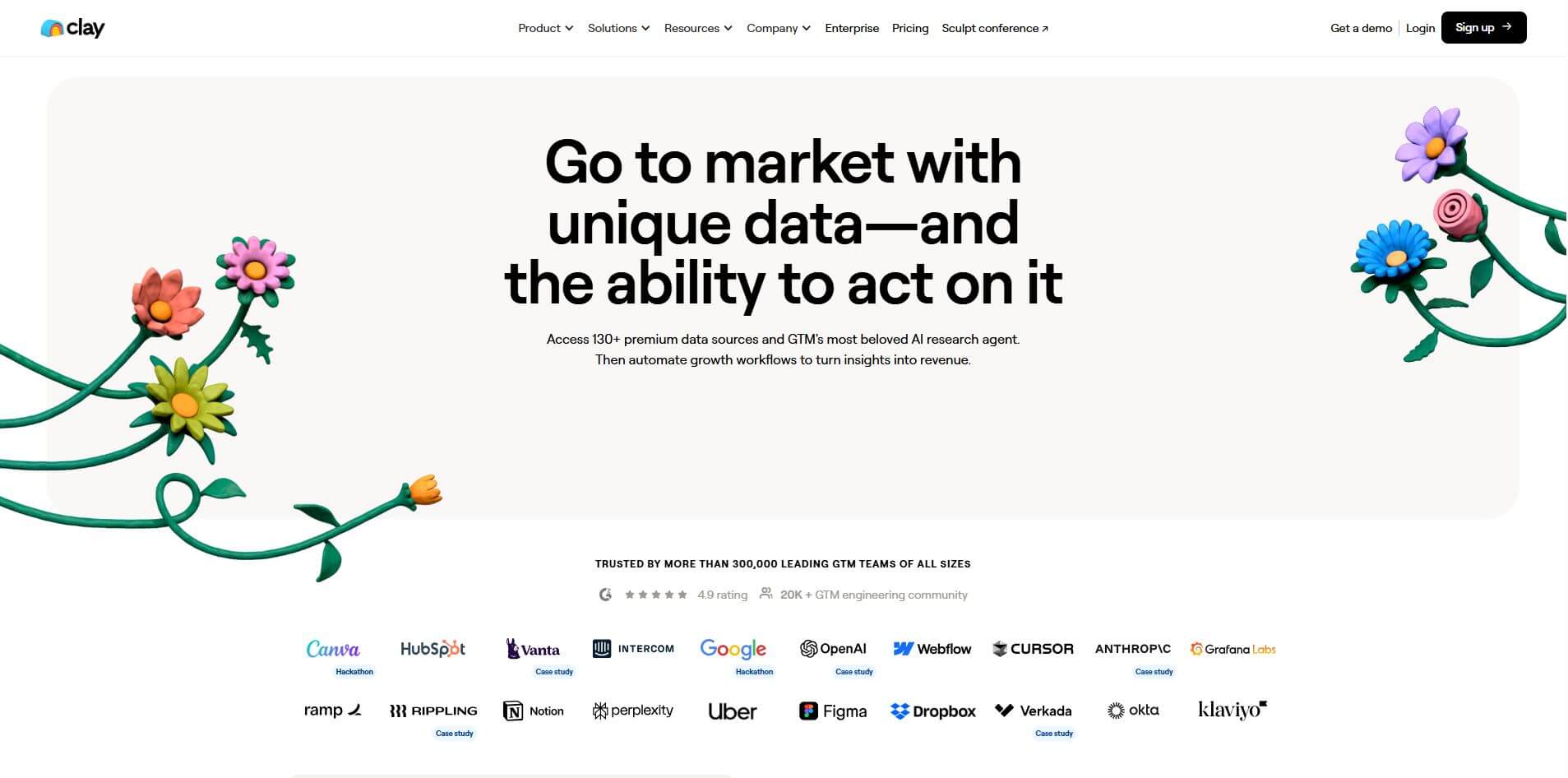
4.9Clay
Marketing
Clay is an AI-powered go-to-market platform that helps teams find, enrich, and convert leads using data and automation. It combines 170+ data sources with AI agents to research prospects, qualify accounts, and generate personalized outreach, enabling faster pipeline growth and more efficient sales workflows.
 4.4
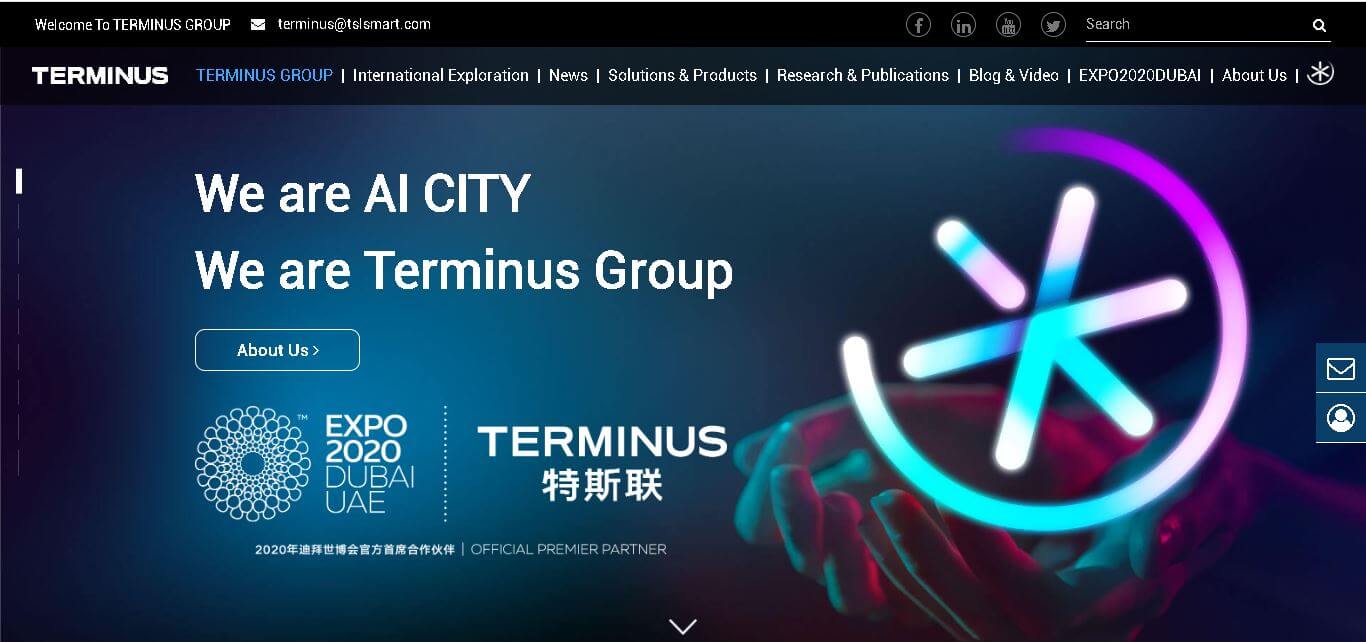
4.4Terminus
Marketing
Terminus Group delivers AIoT, robotics, edge computing, and spatial intelligence solutions for connected buildings, communities, parks, and cities. Founded in 2015, it combines smart devices, digital platforms, and intelligent infrastructure to support urban digitalization, operational management, and sustainable development. Its AI CITY vision focuses on interconnected urban environments globally effectively.
 4.8
4.8Okara AI
Marketing
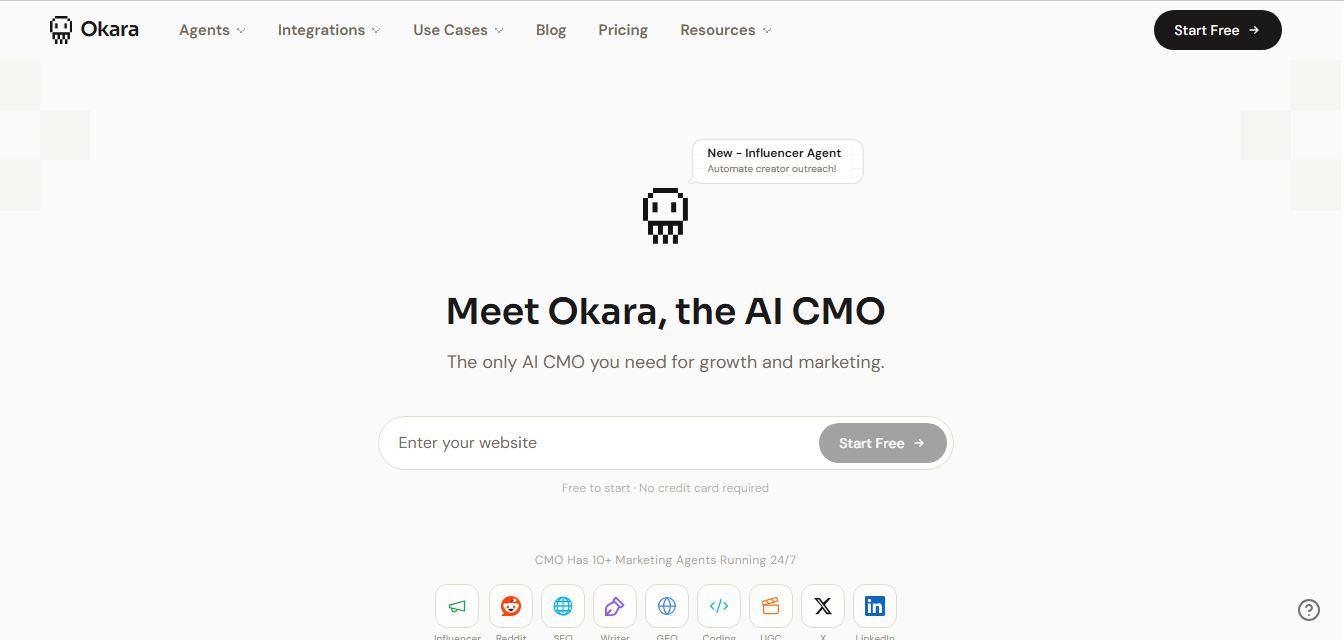
Okara is an AI-powered marketing automation platform that acts as a virtual CMO, running SEO, content, and social media through multiple AI agents. It analyzes your website, finds growth opportunities, and creates and publishes content across channels, helping businesses drive traffic and users without a full marketing team.
 4.9
4.9Statable
Marketing
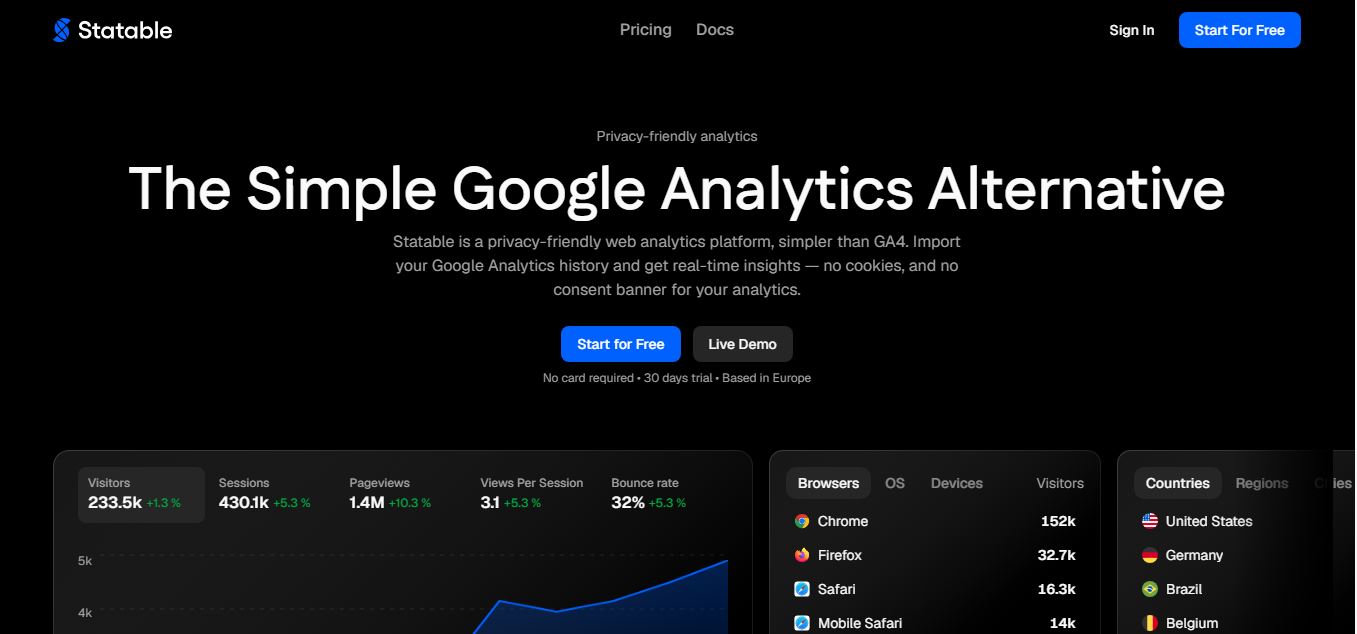
Statable is an AI-powered analytics platform that helps businesses track performance, understand data, and make smarter decisions. It turns complex data into clear insights, dashboards, and reports, enabling teams to monitor growth, optimize strategies, and improve outcomes without needing advanced data skills.
 4.8
4.8Jasper AI
Marketing
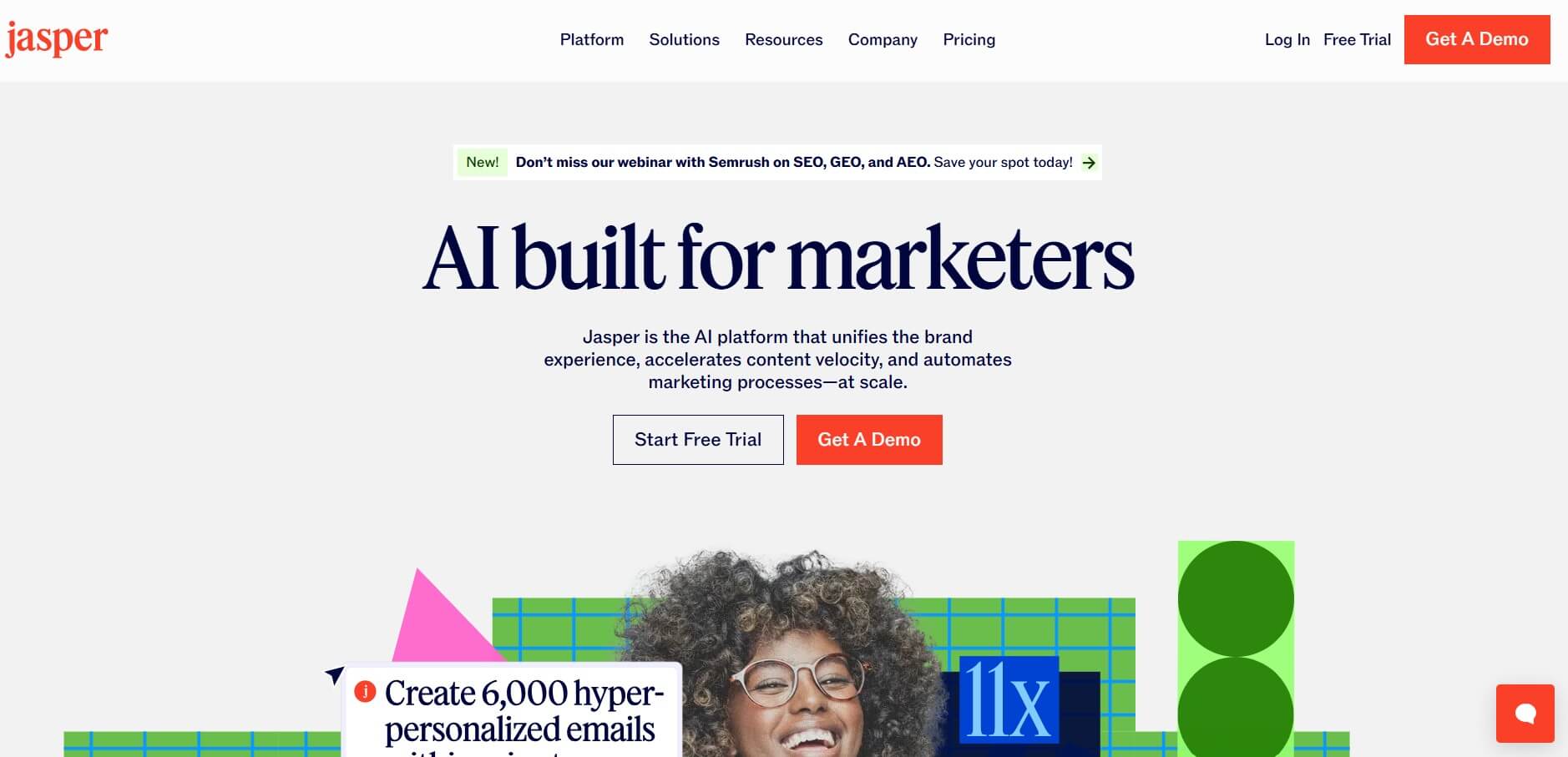
Jasper is an AI-powered content creation platform that helps businesses generate marketing copy, blog posts, emails, and brand messaging at scale. It offers templates, brand voice control, and collaboration features, making it easier for teams to produce consistent, high-quality content quickly.
 4.9
4.9Surfer SEO
Marketing
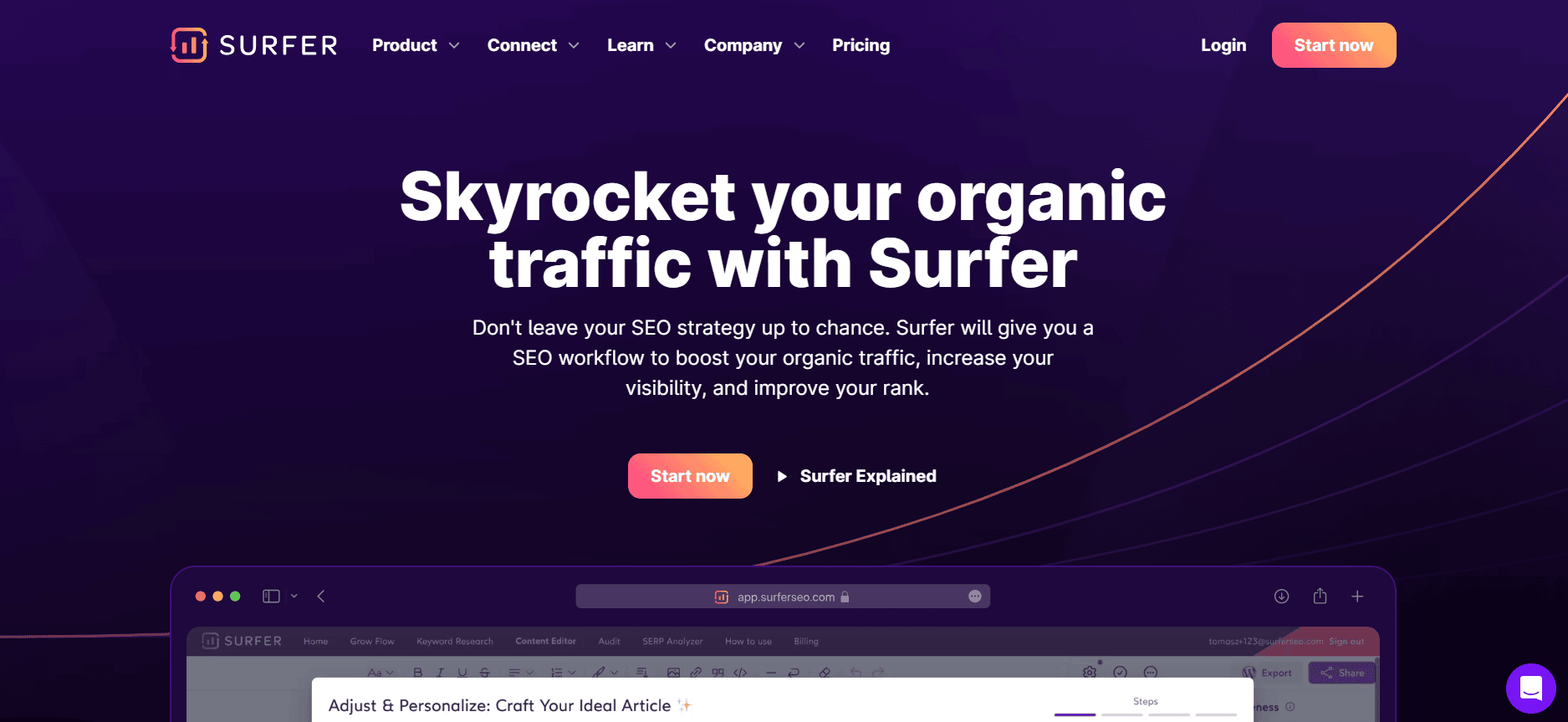
Surfer SEO is an AI-powered content optimization platform that helps users create and improve SEO content based on real search data. It analyzes top-ranking pages, suggests keywords, structure, and word count, and provides real-time scoring to help content rank higher on search engines.
 4.9
4.9Clearscope
Marketing
Clearscope is an AI-powered SEO content optimization platform that helps writers and marketers create high-ranking content. It analyzes top search results, recommends relevant keywords, and provides content grading, making it easier to improve relevance, readability, and overall search performance.
 4.9
4.9Frase
SEO
Frase is an AI-powered SEO content optimization tool that helps users research, write, and improve content that ranks on search engines. It analyzes top-ranking pages, generates briefs, and suggests keywords and improvements, making it easier to create high-quality, search-focused content faster.