
Synchron (Stentrode BCI Platform)
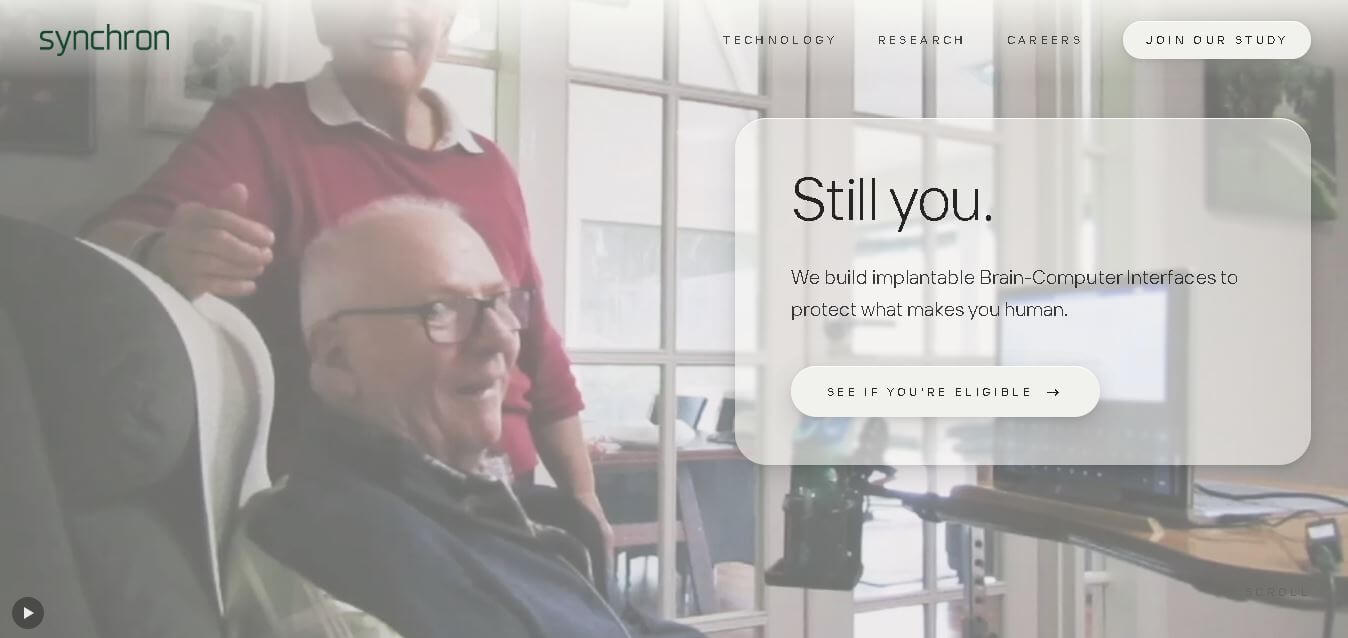
Synchron develops implantable brain-computer interface technology intended to help people with paralysis communicate and interact with digital devices using movement-related brain signals. Its Stentrode™ device is implanted through a blood vessel, avoiding open brain surgery. The technology is currently being evaluated in clinical trials and is not commercially approved.
What is Synchron?
Synchron is a neurotechnology company developing implantable brain-computer interfaces designed to help people with severe motor impairment regain greater control over digital devices. Its Stentrode™ system is delivered through a blood vessel using a catheter rather than open brain surgery. The device records neural signals associated with movement intent, allowing users to interact with digital technologies such as computers, tablets, and other connected devices. Synchron is currently evaluating this technology through clinical studies in the United States and Australia.
Synchron was founded around the goal of making brain-computer interfaces more scalable through catheter-based implantation. Its technology targets approximately 15 million people living with motor impairment, while its longer-term vision includes cognitive applications potentially serving 500 million people experiencing cognitive decline. The Stentrode™ is delivered through the jugular vein, with the clinical procedure taking about 2 hours and most participants going home the following day. Synchron currently has active studies in the United States and Australia.
- Platform Role: Endovascular Brain-Computer Interface (BCI) & Neural Signal Processing System
- Developer & Manufacturer: Synchron, Inc. (New York, NY)
- Ecosystem Access: Clinical Trials, Custom BCI Operating Interfaces, Apple BCI-HID, and Generative AI Chat Integration
Use Cases:
- Enabling individuals living with severe motor impairments (ALS, stroke, spinal cord injuries) to send text messages and emails hands-free
- Controlling smart home devices via Amazon Alexa, Apple Vision Pro, iPads, and connected household electronics
- Accelerating communication speed through predictive generative AI chat tools co-developed with OpenAI
- Providing a scalable, minimally invasive BCI platform suitable for broader clinical adoption without robotic brain surgery
Technology:
- Stentrode™ endovascular electrode array implanted safely via catheterization through the neurovascular network
- Subcutaneously implanted transmitter sending wireless neural intent signals to external receiver units
- Apple BCI Human Interface Device (BCI-HID) integration for native Bluetooth interaction with iOS and visionOS devices
- Cognitive AI foundation models trained on raw neural signals to decode user intent into seamless point-and-click commands
Target Users:
- Patients living with ALS, brainstem stroke, or high-level spinal cord injury seeking restored independence
- Neurosurgeons, neurointerventional radiologists, and clinical trial sites evaluating scalable neuroprosthetics
- Caregivers looking to reduce reliance on continuous manual assistance for routine digital tasks
Acquisition: Investigational medical device available through ongoing clinical trials and registry programs (synchron.com)

What are the key features of Synchron?
Synchron's key system features are
- Endovascular Catheter Delivery: Implanted via a standard endovascular procedure similar to a cardiac stent, eliminating skull removal or brain tissue perforation.
- Hands-Free Digital Control: Translates brain motor intentions directly into clicks, taps, and typing on personal computers and mobile devices.
- Generative AI Chat Integration: Leverages OpenAI models to predict contextual responses and user sentiment for rapid conversational texting.
- Apple & Smart Home Ecosystem Support: Co-developed native protocols allowing users to navigate Apple devices (including Apple Vision Pro) and Amazon Alexa smart devices.
- Fully Implanted Wireless Signal Transmission: No external wires protruding from the head or neck, reducing infection risks and improving long-term durability.
- Chiral Cognitive AI Model: Advanced neural signal decoding developed in partnership with Nvidia to improve translation speed and precision.
How much does Synchron cost?
Synchron is currently an investigational medical device undergoing FDA IDE clinical trials. It is not yet commercially priced for direct consumer purchase.
Clinical & Commercial Development Status:
- Clinical Trial Participation: Free for eligible trial candidates enrolled in approved U.S. and Australian study sites (COMMAND and SWITCH trials).
- Venture & Institutional Backing: Backed by over $345M in funding (including Series D rounds) from investors such as Bezos Expeditions, Khosla Ventures, and ARCH Ventures.
- Future Commercial Pricing: Commercial cost structure will be established following pivotal trial completion, FDA clearance, and health insurance reimbursement coverage decisions.
Disclaimer: Synchron BCI is an investigational medical device limited by federal law to clinical trial use. It is not currently cleared for general commercial sale.
Who should use Synchron?
Synchron is designed for individuals with neurological motor limitations and medical researchers, including
- Paralyzed Individuals: People with severe paralysis living with ALS, stroke, or severe spinal cord injuries who wish to regain digital autonomy.
- Clinical Investigators: Medical centers and neurointerventionalists participating in human BCI feasibility and pivotal trials.
- Assistive Tech Innovators: Ecosystem developers looking to create software interfaces compatible with thought-controlled inputs.
What are the best alternatives to Synchron?
Some of the strongest alternatives in the brain-computer interface space include
- Neuralink (N1 Implant)
- Precision Neuroscience (Layer 7 Cortical Interface)
- Blackrock Neurotech (NeuroPort Array)
- Paradromics (Connexus Direct Data Interface)
- Onward Medical (ARC Therapy Systems)
What are the pros and cons of Synchron?
What are the pros of Synchron?
- Minimally invasive endovascular procedure avoids open-brain surgery and craniotomy
- Fully internal design with no external skull wires or percutaneous connectors
- Native compatibility with popular consumer tech platforms like Apple iOS, Apple Vision Pro, and Amazon Alexa
- Integrated generative AI tools significantly boost communication and texting speeds
What are the cons of Synchron?
- Currently restricted to clinical trial participants and not yet available for general prescription
- Lower channel count compared to invasive arrays that penetrate directly into cortical tissue
- Requires ongoing algorithmic calibration to maintain optimal signal translation precision
Why should you choose Synchron?
The primary advantage of Synchron over alternative BCI platforms is safety and accessibility. While other brain implants require craniotomies or robotic surgical insertion through the skull, Synchron utilizes established neurointerventional techniques similar to placing a standard vascular stent. This lowers surgical risks, simplifies hospital stay requirements, and creates a clear pathway toward scalable clinical adoption across general hospital settings.
How does Synchron compare to competitors?
The neurotechnology landscape differs significantly across surgical invasiveness, electrode contact density, and target user accessibility.
| Feature / Platform | Synchron (Stentrode) | Neuralink (N1) | Precision Neuroscience | Blackrock Neurotech |
|---|---|---|---|---|
| Implantation Method | Endovascular catheter (via jugular vein) | Robotic open craniotomy | Micro-slit cranial insertion | Open surgical craniotomy |
| Brain Tissue Penetration | No (sits inside blood vessel) | Yes (flexible threads in cortex) | No (surface film on cortex) | Yes (rigid micro-needles) |
| Signal Transmission | Fully Wireless (Internal Telemetry) | Fully Wireless | Wired/Wireless development | Pedestal / Wireless options |
| Primary Target | Hands-free digital autonomy & smart home control | High-bandwidth motor control & gaming | High-resolution mapping & restoration | Clinical research & motor prosthetics |
| Key Advantage | Highest surgical safety profile & zero open-brain risks | High channel count and data density | High electrode density without cortical penetration | Decades of peer-reviewed clinical research data |
How do we rate Synchron?
| Parameter | Rating (out of 5) |
|---|---|
| Surgical Safety & Minimally Invasive Design | 5.0 |
| Consumer Tech & AI Integration | 4.9 |
| Clinical Evidence & Trial Progress | 4.7 |
| Usability & Hands-Free Software Experience | 4.8 |
| Commercial Availability (Investigational Phase) | 4.0 |
| Overall Score | 4.68 |
What is our review and verdict on Synchron?
Synchron represents a major evolutionary leap for brain-computer interface technology. By prioritizing endovascular safety over invasive electrode placement, Synchron has removed the single biggest hurdle preventing widespread BCI adoption: open-brain surgery. Combined with native Apple protocols, Amazon Alexa support, and OpenAI generative chat capabilities, Synchron offers a tangible, highly functional pathway toward restoring independence for individuals living with paralysis.
Conclusion
Synchron is pursuing a different path toward brain-computer interfaces by placing its Stentrode™ technology inside a brain blood vessel instead of requiring open brain surgery. Its goal is to help people with significant motor impairment regain digital communication, independence, and agency. Current clinical studies are evaluating this approach in the United States and Australia. While the technology has attracted substantial research and industry attention, Synchron remains investigational, so its clinical benefits and broader commercial availability are still being established.
FAQ
What does Synchron actually do?
Synchron develops brain-computer interface technology for people whose physical conditions limit their ability to control digital devices. Its Stentrode™ system records signals associated with movement intent from inside a brain blood vessel and translates them into commands. This approach is intended to help eligible people communicate, browse, and interact digitally despite severe motor impairment.
How does Synchron’s Stentrode work?
Stentrode™ is designed to sit inside a blood vessel near the brain’s motor cortex. Electrodes capture neural activity associated with a person’s intention to move. Those signals are processed and translated into commands that can operate compatible digital devices. The approach uses a catheter-based procedure through the jugular vein rather than conventional open-brain surgery.
Does Synchron require brain surgery?
Synchron’s approach is specifically designed to avoid open brain surgery. According to the company, Stentrode™ is implanted through a blood vessel using a catheter, with the procedure resembling the placement of a vascular stent. In clinical trials, Synchron says the procedure takes about two hours and most participants leave the hospital the next day.
Who could potentially benefit from Synchron?
Synchron’s current studies focus on people with substantial motor impairment, including individuals with severe bilateral upper-limb weakness caused by conditions such as ALS. Eligibility depends on the specific clinical study and its medical criteria. Synchron currently lists active studies in the United States and Australia for people seeking improved digital control and independence.
Can Synchron let users control a computer with thoughts?
Synchron’s technology is designed to interpret movement-related brain signals and convert them into digital commands, allowing users to interact with devices without relying on conventional muscle movement. Trial participants have used the system for activities such as communicating and interacting with digital interfaces. However, the system remains investigational and is not commercially approved.
Is Synchron’s brain-computer interface available commercially?
No. Synchron states that its BCI system is an investigational device, and its clinical benefit has not yet been validated. The company also states that the system is not currently approved for commercial use in any geography. Access is therefore associated with clinical research rather than ordinary consumer purchasing, with eligibility determined by applicable study requirements.
User Reviews
No reviews yet for Synchron (Stentrode BCI Platform).
Featured Tools
Featured AI tools from TechShark

Melody Genie
MelodyGenie is an AI-powered music generator that creates original songs from simple text prompts. Users can choose styles, moods, and genres, then instantly generate melodies and full tracks, making it easy for creators, marketers, and hobbyists to produce custom music without musical expertise.
Freemium
Kimi AI
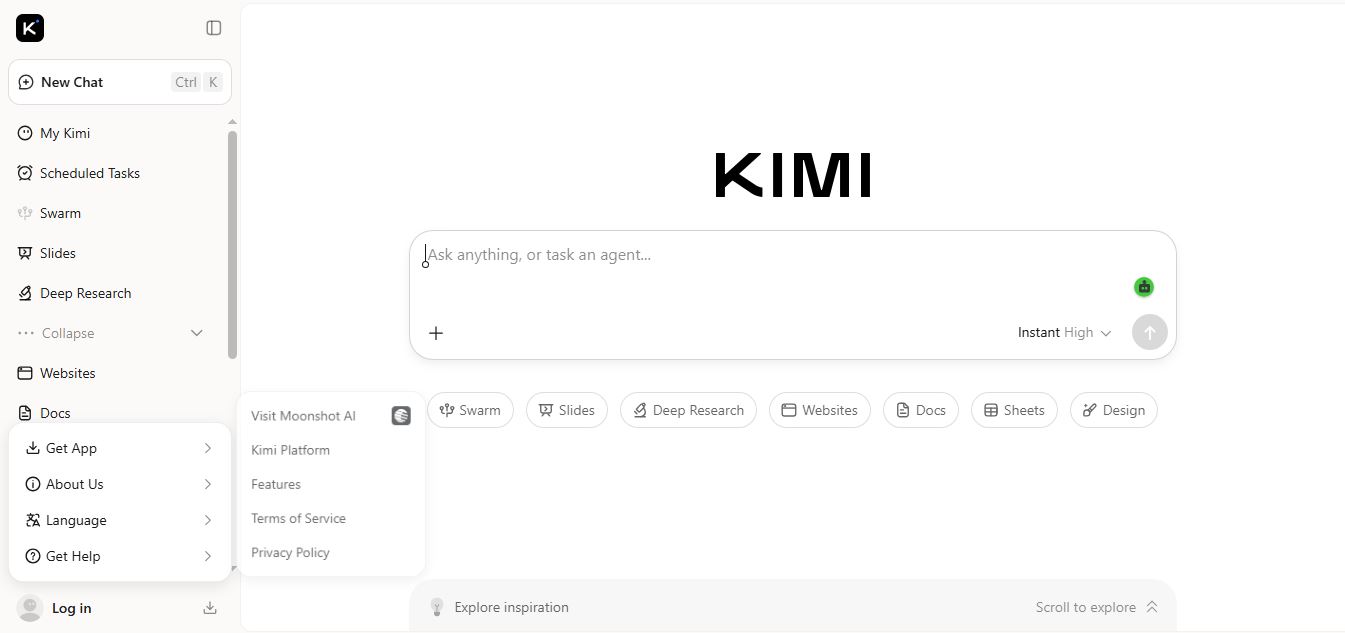
Kimi AI is an advanced AI assistant developed by Moonshot AI that helps you chat, research, write, code, and automate tasks in one place. It supports web search, file analysis, and multimodal inputs, and can even run autonomous “agent” workflows to complete complex tasks end-to-end.
Freemium

Fashion Diffusion AI
Fashion Diffusion is an AI-powered fashion design platform that helps brands and designers create clothing designs, virtual try-ons, AI models, product photos, and marketing visuals faster and cost-effectively.
Paid
Veo 4
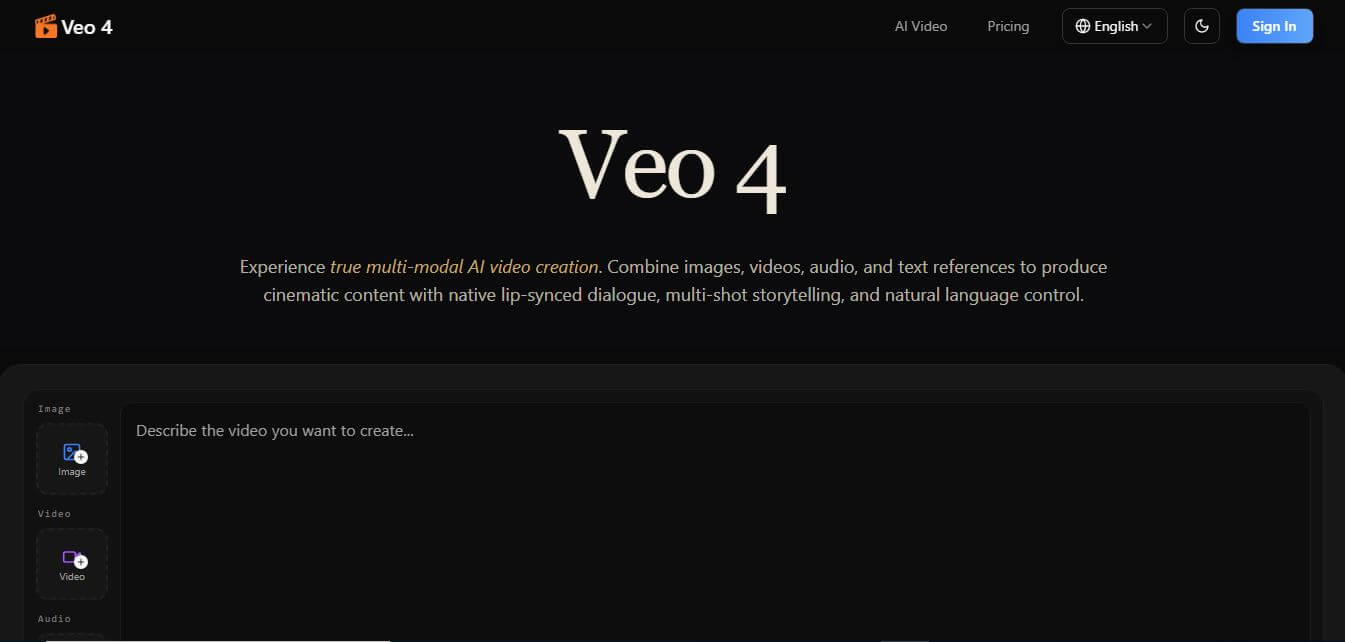
Veo 4 AI is an AI video creation platform that generates dramatic videos from text, images, audio, and video prompts using realistic motion and synchronized sound.
Paid
Alternatives
Alternatives to Synchron (Stentrode BCI Platform)
The best Synchron alternatives include Neuralink, Precision Neuroscience, and Blackrock Neurotech. While Synchron uses a minimally invasive endovascular catheter procedure to implant its Stentrode BCI without open-brain surgery, alternatives like Neuralink utilize robotic skull surgery to place high-density cortical threads.
 4.7
4.7Unitree R1
Robots and Devices
Unitree R1 is a lightweight humanoid robot built for movement, interaction, robotics research, education, and secondary development. With 26 degrees of freedom, binocular vision, voice capabilities, open control interfaces, and an approximately 1-hour battery life, R1 provides a compact platform for exploring humanoid robotics and real-world AI applications.
 4.8
4.8AgXeed (AgBot Autonomous Farming Solutions)
Robots and Devices
AgXeed develops autonomous agricultural technology designed to make field operations more efficient, flexible, and soil-friendly. Its AgBots work with TraXwise software to plan, monitor, and document farming tasks. The ecosystem supports different agricultural applications while helping farmers address labor shortages, reduce soil impact, improve productivity, and gain greater operational control.
 4.8
4.8Skild AI
Robots and Devices
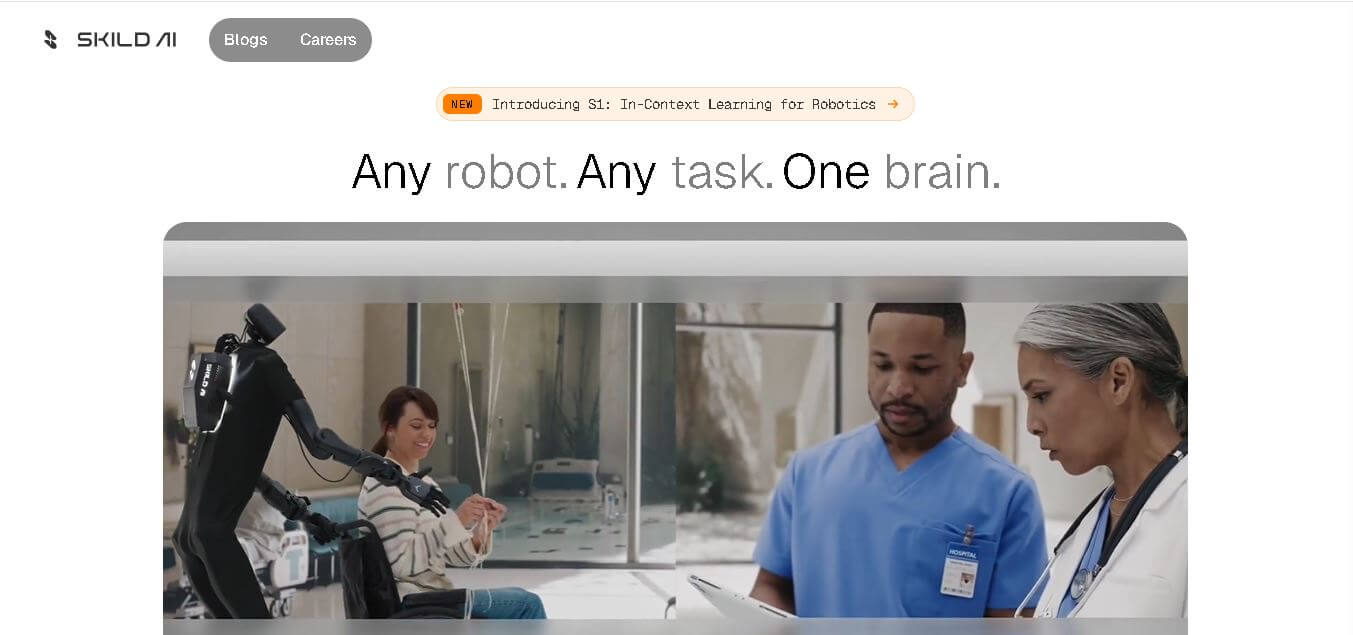
Skild AI develops general-purpose intelligence for robots operating in the physical world. Its Skild Brain is designed to work across different robot bodies and tasks, supporting applications such as inspection, mobile manipulation, autonomous packing, navigation, and dexterous activities. The company aims to make robotic intelligence more adaptable, scalable, and useful.