
Smry
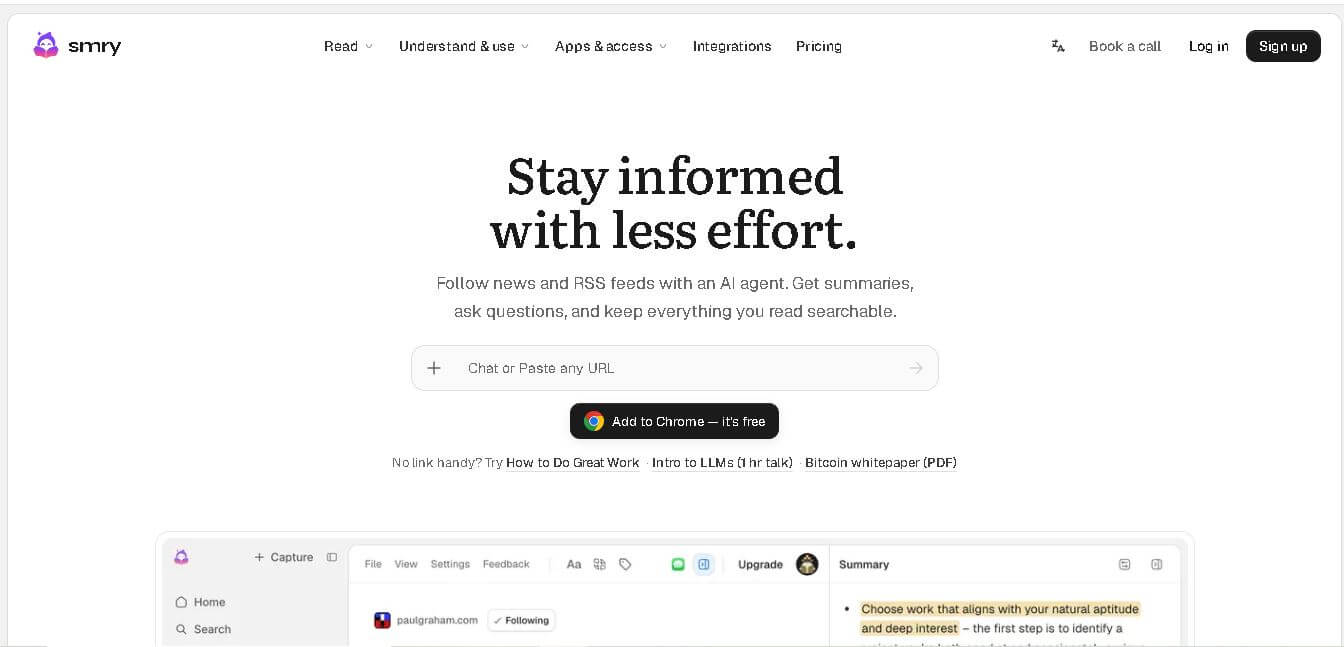
smry is an AI-powered reading and research workspace that helps users summarize articles, ask questions, listen to content, save highlights, follow feeds, and organize research. It supports webpages, YouTube videos, PDFs, EPUBs, documents, and other sources. Its clean reader removes distractions while keeping summaries and answers connected to the original source.
What is Smry?
Smry is a reading and research tool designed to help users understand online content faster. It turns articles, webpages, YouTube videos, PDFs, EPUBs, and other supported files into clean, readable content with AI summaries and source-grounded answers. Users can also highlight passages, add notes, listen through text-to-speech, follow RSS feeds, organize saved content, and search their reading library. It works directly in a browser without requiring an account for basic article reading.
Smry combines AI-assisted reading, article summaries, source-grounded chat, RSS feeds, text-to-speech, highlights, notes, and searchable content in one workspace. The platform reports more than 350K monthly readers and supports 1,000+ sites for article extraction. Free users receive 20 summaries and 20 article chats per day, while audio includes 2 voices on the free tier. Patron supports up to 1,000 feeds, while Pro supports up to 25,000 feeds and 100 webpage monitors.
- Platform Role: Distraction-Free Reader, RSS & Web Monitor, AI Summarizer, Knowledge Management Library
- Supported Inputs: Web pages, public newsletters, YouTube videos, PDFs, EPUBs, MP3s, documents, slides, and RSS/Atom feeds
- Access Channels: Web application, browser extensions (Chrome, Firefox, Edge, Opera), bookmarklets, iOS Shortcuts, MCP server, and Developer API
Use Cases:
- Bypassing visual site clutter to read long-form articles in clean Reader Mode
- Generating fast summaries and grounded Q&A directly tied to source paragraph citations
- Tracking hundreds of RSS feeds, YouTube channels, and monitored web pages in a unified daily queue
- Converting articles and documents into audio listening feeds with text-to-speech
- Auto-tagging, highlighting, and exporting structured notes to tools like Notion, Obsidian, Anki, and Zotero
- Connecting AI assistants (e.g., via MCP) to read, search, and monitor web research automatically [cite: 1]
Technology:
- Agentic AI LLMs with source-grounded citation engines
- Model Context Protocol (MCP) integration for agent-assisted library access
- Natural language processing for automatic document tagging, mind mapping, and flashcard generation
- AI-generated text detector signals and text-to-speech neural voice synthesis
Target Users:
- Researchers, students, and academics processing heavy volumes of reading material
- Knowledge workers and developers wanting automated RSS queues and AI agent tool integration
- Power readers using structured note-taking ecosystems (Obsidian, Notion, Zotero)
Acquisition: Web app access via smry.ai (users can also prefix any URL with "to" smry.ai/ to view in clean reader mode)
What are the key features of Smry?
Smry provides a comprehensive suite of reading and knowledge-retention tools, including
- Clean Reader Mode: Removes popups, ad banners, and visual clutter for custom fonts, themes, and line spacing
- AI Summaries & Source Chat: Generates rapid executive summaries and supports Q&A grounded in the text with explicit paragraph citations
- Unified Feed & Web Monitoring: Combines RSS/Atom feeds, Reddit, YouTube, podcasts, and monitored web pages into a finite reading queue
- Text-to-Speech (Audio Mode): Listens to saved articles and files with natural-sounding voices and word-level text highlighting
- Retention Tools (Quiz & Mind Maps): Automatically creates multiple-choice quizzes, flashcards, and interactive concept maps from articles
- Smart Auto-Tagging & Search: Automatically categorizes articles based on natural-language tag descriptions and enables full-text library search
- Developer API & MCP Integration: Allows custom LLM agents to save, query, search, and manage research materials
- Broad Export Support: Exports annotations, notes, and highlights to Notion, Obsidian, Zotero, Anki, Roam, and Kindle
How much does Smyry cost?
Smry offers a generous free tier alongside paid subscriptions for power readers, researchers, and agent integrations
Pricing Plans:
- Free Plan: $0 – Includes 20 daily AI summaries, 20 daily chats, 1 audio conversion/day (2 voices), 100 RSS feeds, 3 webpage monitors, 50 synced offline articles, and 2,000 daily API operations
- Patron Plan: $6 / month (or $36 / year, equivalent to $3 / month)—Includes ad-free reading, unlimited AI summaries, 10 neural audio voices, 1,000 RSS feeds, 10 webpage monitors, 10 GB file storage, full-text library search, and Kindle delivery
- Pro Plan: Tailored for high-capacity workflows, offering 25,000 feeds, 100 webpage monitors, 1,000 feed folders, 20 active API keys, and 100 GB private storage
Who should use Smry?
Smry is designed for users who want to streamline their daily reading and research, including
- Content Consumers & Executives: Who want quick, distraction-free summaries of industry news and long-form analysis
- Researchers & Students: Who need flashcards, source-cited AI answers, and seamless exports to study platforms
- AI Developers & Power Users: Who want to connect personal knowledge repositories to AI agents using MCP and APIs
What are the best alternatives to smry?
Top competitive alternatives to SMRY include
- Readwise Reader
- Feedly
- Inoreader
- Instapaper
- Matter
What are the pros and cons of smry?
What are the pros of smry?
- Simple URL prefix trick for quick, clutter-free reading without installation
- Strict source-grounded AI answers with paragraph-level citations
- First-class MCP and API support built specifically for AI agents
- All-in-one ecosystem combining RSS, audio listening, web page change monitoring, and flashcard creation
- Generous free plan with low-cost premium upgrade ($3/mo annually)
What are the cons of Smry?
- Native iOS and Android mobile apps are not currently shipped (responsive web apps and iOS shortcuts are used instead)
- Subject to standard web scraping and paywall access limitations on external sites
Why should you choose Smyr?
Managing multiple tabs, cluttered web designs, and disparate bookmarking tools creates friction in processing information. Smry solves this issue by consolidating feeds, web articles, documents, and videos into one clean, searchable space. Its native integration with AI agents (MCP) and source-anchored citations ensures you retain evidence and stay organized without manual effort.
How does Smry compare to competitors?
Unlike traditional read-later apps like Pocket or Instapaper, Smry includes native RSS tracking, audio synthesis, and AI interaction tools. Compared to platforms like Readwise Reader or Feedly, Smry provides a unique focus on AI agent interoperability (via MCP servers) and automated learning tools like mind maps and flashcards
| Feature / Platform | smry | Readwise Reader | Feedly | |
|---|---|---|---|---|
| Core Focus | Agentic RSS, Clean Reader & AI Workspace | All-in-one Read-it-Later & Highlighting | RSS Feed Aggregation & Insights | Basic Bookmark & Article Saving |
| AI Q&A / Citations | Yes (Source-Grounded with Citations) | Yes (Ghostreader AI) | Limited (Leo AI) | No |
| Agent / MCP Support | Yes (Native MCP Server & API) | No (Standard API) | No (Standard API) | No |
| Learning / Recall Tools | Flashcards, Quizzes, Mind Maps | Spaced Repetition Integration | No | No |
| Entry Price | Freemium ($3/mo annual patron) | ~$9.99/mo | Freemium ($6/mo Pro) | Freemium ($4.99/mo) |
How do we rate Smry?
| Parameter | Rating (out of 5) |
|---|---|
| Reader Mode & Clutter Removal | 4.9 |
| AI Summaries & Citation Grounding | 4.8 |
| Feed Management & Web Monitoring | 4.7 |
| Agent/MCP & Developer Integration | 4.9 |
| Value for Money & Pricing | 4.9 |
| Overall Score | 4.84 |
What is our review and verdict on Smry?
Smry is a well-designed reading workspace that integrates daily feed consumption, deep study, and AI automation. Its strict adherence to source citations prevents AI hallucination issues, while features like audio playback, mind maps, and MCP integration make it one of the most forward-thinking tools for personal knowledge management.
Conclusion
Smry brings article reading, AI summaries, source-grounded questions, audio, annotations, RSS feeds, and research organization into one workspace. Its no-account reading option makes quick article summarization accessible, while its library, synchronization, exports, feeds, and AI features support deeper workflows. With support for webpages, videos, documents, and other sources, Smyr can help users spend less time navigating information and more time understanding and retaining what they read.
FAQ
What is smry used for?
Smry is useful when you need to understand a large amount of online information without opening multiple reading and note-taking tools. You can paste an article URL, receive a concise summary, ask questions about the content, highlight important sections, add notes, or listen to the article using text-to-speech.
Can smry summarize articles automatically?
Yes, smry extracts the readable content from an article and generates a concise summary of its key points. You can use different summary styles, including concise bullets, TL;DRs, takeaways, or custom instructions. The original article remains available alongside the summary, making it easier to verify important information.
Can I ask questions about an article in smry?
Yes, Smyry allows you to chat with an article after it has been extracted. You can ask for clarification, context, important arguments, or specific information. Its source-grounded approach keeps the article available while answering questions, helping you compare the response with the original content instead of relying solely on an AI-generated answer.
Does smry work without creating an account?
Yes. You can paste a public URL into Smyry and start reading without creating an account. An account becomes useful when you want features such as saved reading history, synchronized highlights, notes, library organization, and cross-device syncing. This makes Smry suitable for both quick article reading and longer-term research workflows.
What types of content can smry read?
smry supports a broad range of content, including public webpages, newsletters, YouTube videos, PDFs, EPUBs, documents, spreadsheets, presentations, text, Markdown, and subtitle files. It can also follow RSS and Atom feeds, podcasts, YouTube channels, Reddit communities, and selected webpage changes, depending on the source and available content.
Can I listen to articles with smry?
Yes. smry includes text-to-speech functionality that converts saved articles into audio. Users can adjust playback speed and choose available voices. The free version includes 2 voices, while Patron and Pro plans provide access to up to 10 voices. Word-level highlighting also helps users follow the text while listening.
User Reviews
No reviews yet for Smry.
Featured Tools
Featured AI tools from TechShark
Melody Genie
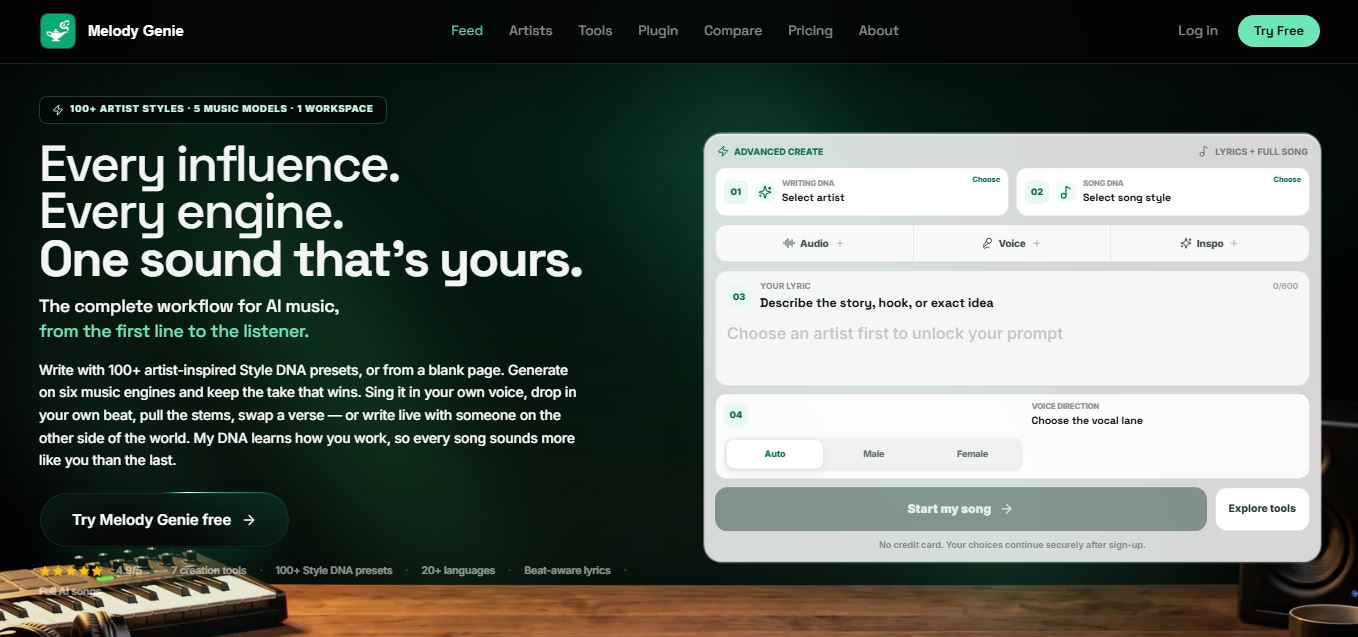
MelodyGenie is an AI-powered music generator that creates original songs from simple text prompts. Users can choose styles, moods, and genres, then instantly generate melodies and full tracks, making it easy for creators, marketers, and hobbyists to produce custom music without musical expertise.
Freemium
Kimi AI
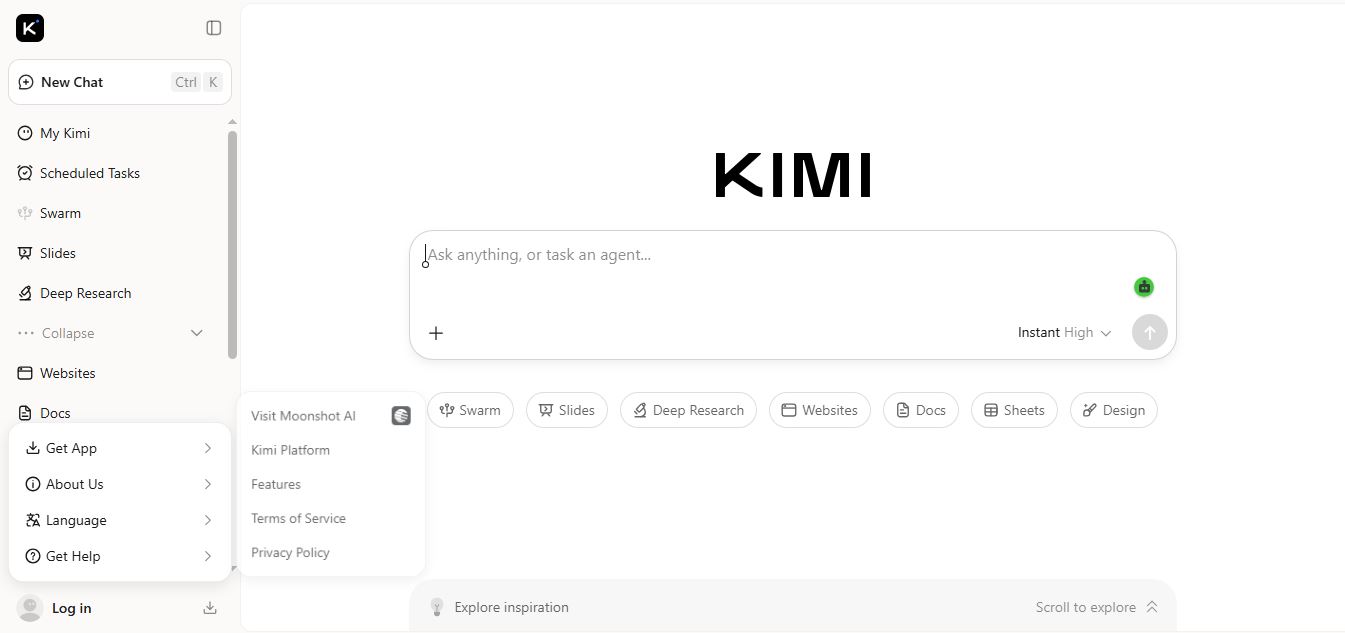
Kimi AI is an advanced AI assistant developed by Moonshot AI that helps you chat, research, write, code, and automate tasks in one place. It supports web search, file analysis, and multimodal inputs, and can even run autonomous “agent” workflows to complete complex tasks end-to-end.
Freemium

Fashion Diffusion AI
Fashion Diffusion is an AI-powered fashion design platform that helps brands and designers create clothing designs, virtual try-ons, AI models, product photos, and marketing visuals faster and cost-effectively.
Paid
Veo 4
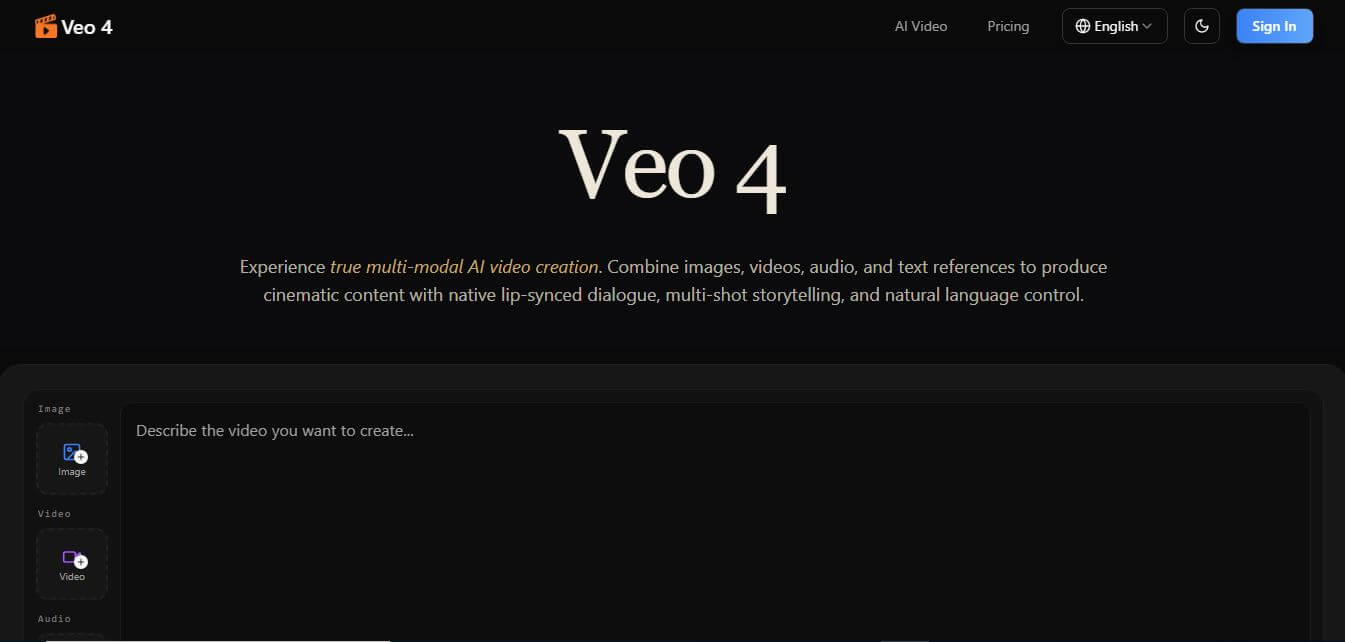
Veo 4 AI is an AI video creation platform that generates dramatic videos from text, images, audio, and video prompts using realistic motion and synchronized sound.
Paid
Alternatives
Alternatives to Smry
Top alternatives to smry include Readwise Reader, Feedly, Inoreader, Pocket, Instapaper, and Matter. While smry excels with agentic AI integration (MCP server), automatic flashcards, and strict paragraph citations, tools like Readwise Reader offer deeper spaced repetition highlights, and Feedly offers enterprise-grade trend monitoring.
 4.9
4.9Resoomer
Research
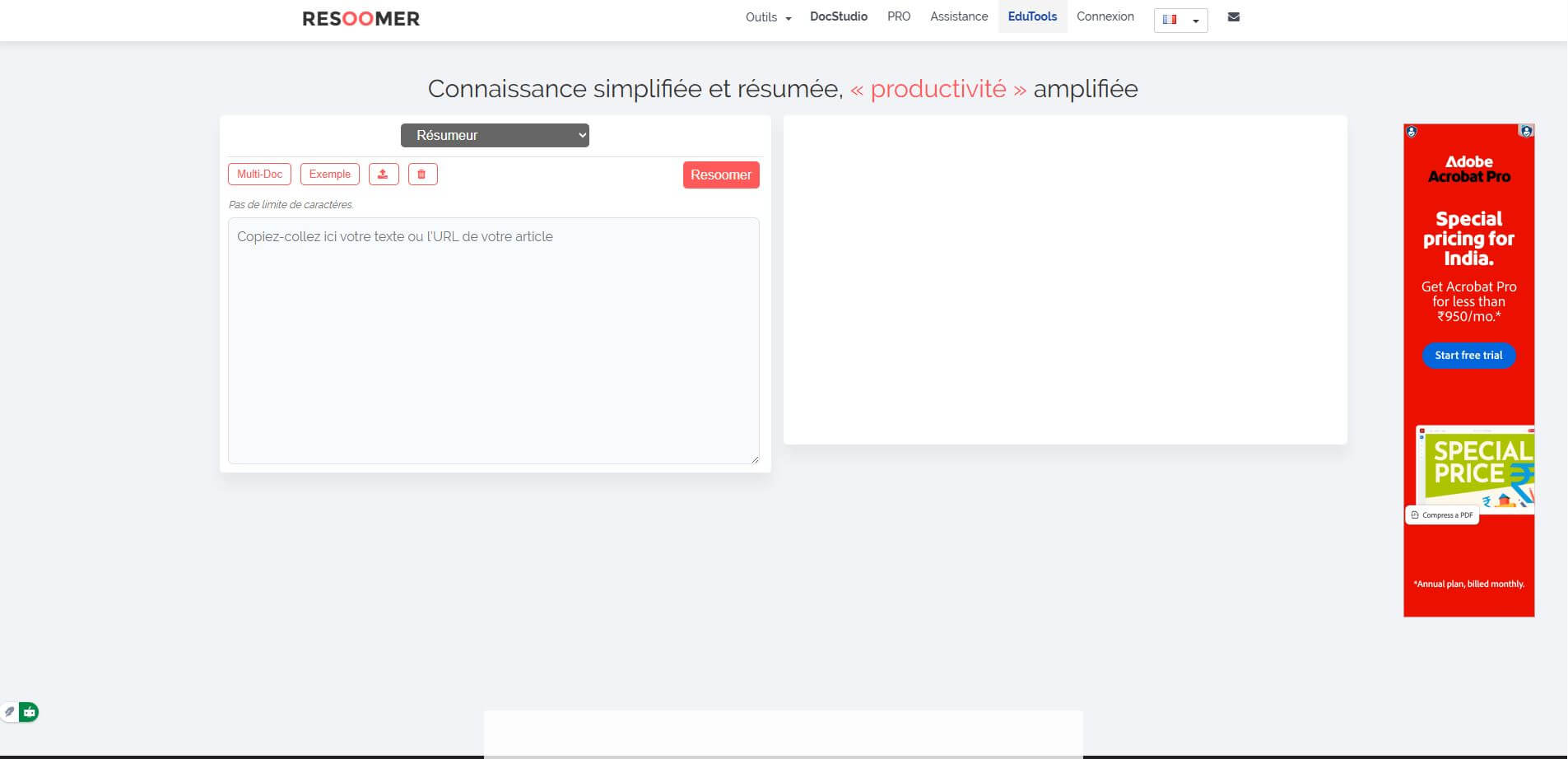
Resoomer is an AI-powered text summarization tool that helps users quickly turn long articles, research papers, and documents into concise summaries. It identifies key ideas, supports multiple formats like PDFs and URLs, and includes tools for paraphrasing, translating, and analyzing content for faster understanding.
 4.8
4.8Recall
Summarizer
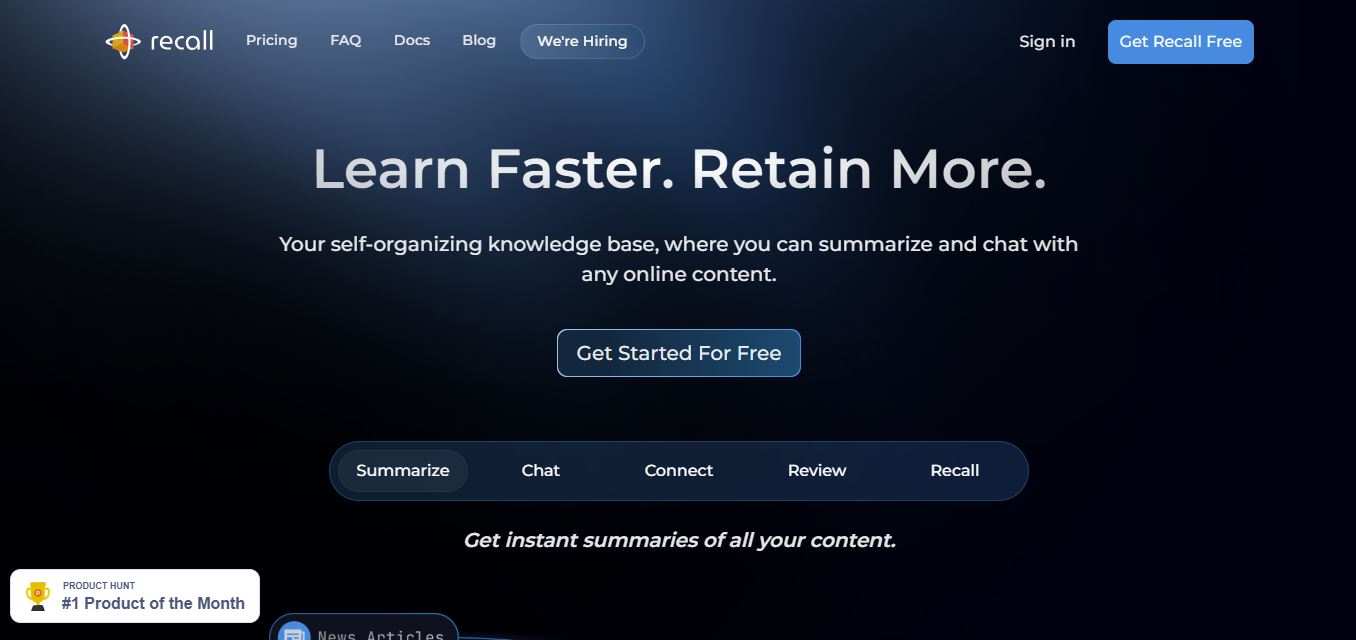
Recall is an AI-powered personal knowledge base and second-brain platform that saves, summarizes, and organizes articles, YouTube videos, podcasts, and PDFs into an automatic knowledge graph with active recall quizzes and multi-model AI chat.
 4.9
4.9DevSummary
Summarizer
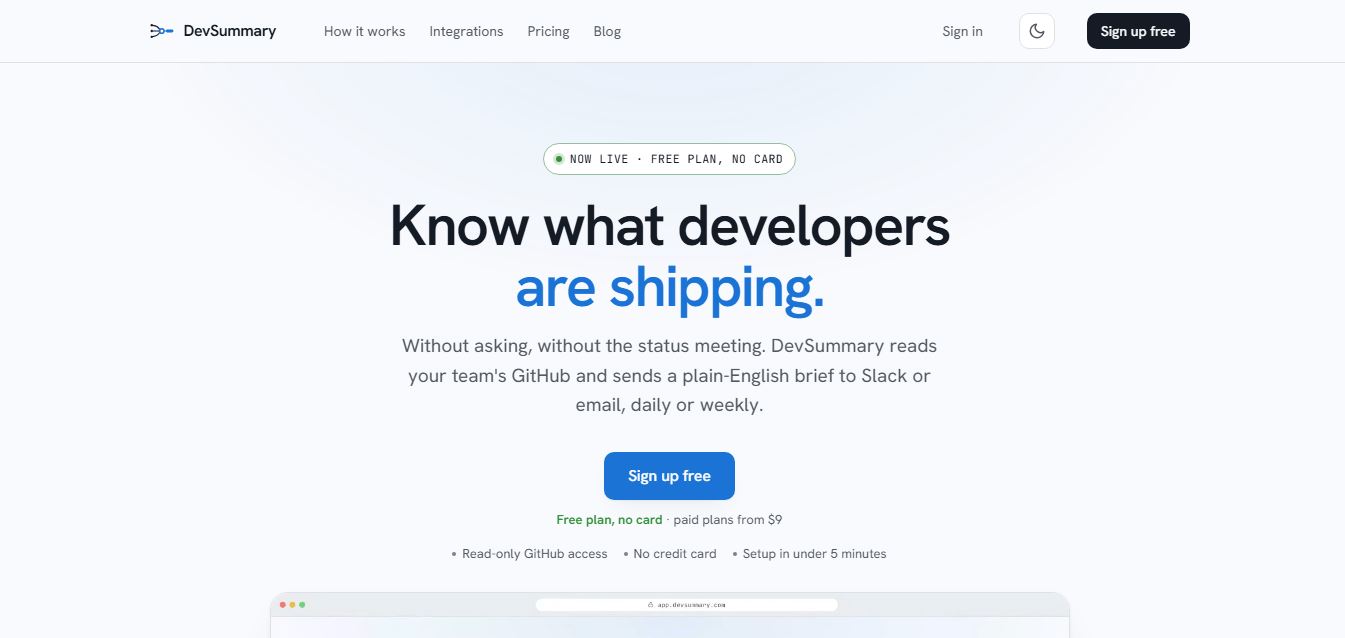
DevSummary is an AI-powered engineering reporting tool that connects to GitHub organizations to ingest commit activity and generate plain-English progress briefs for non-technical stakeholders delivered via email or Slack.
 4.8
4.8GitMind
Project Management
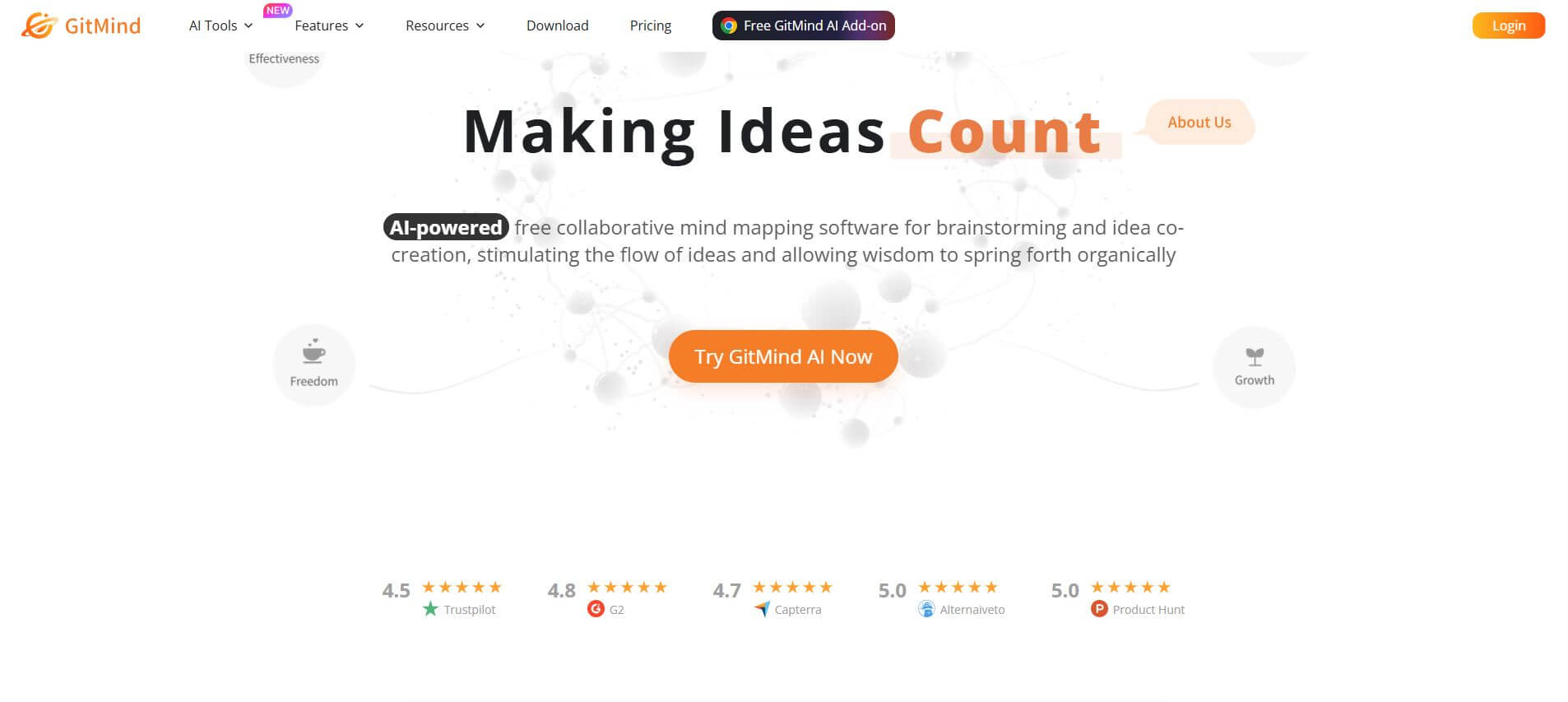
GitMind is an AI-powered mind mapping and visual workspace that turns text, videos, audio, PDFs, and websites into structured mind maps, summaries, and diagrams. It helps you organize ideas, brainstorm, plan projects, and simplify complex information using AI-driven insights and visual layouts.
 4.8
4.8Cohesive
Writing
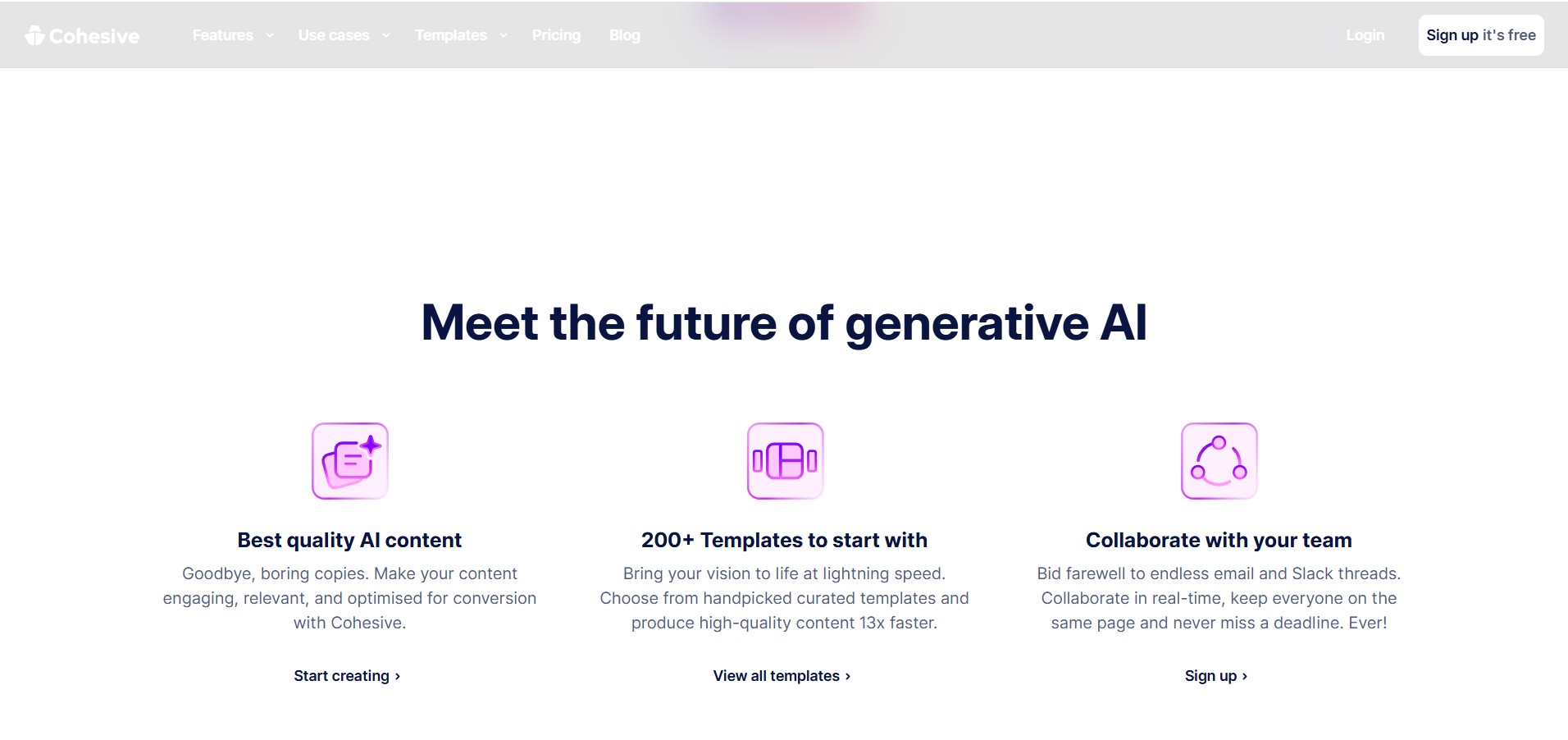
Cohesive is an AI-powered content creation platform that helps you write, edit, and publish blogs, ads, emails, and social posts using 200+ ready-made templates. It combines AI writing, image generation, and collaboration tools to speed up content creation and keep everything consistent.
 4.6
4.6Summarist AI
Summarizer
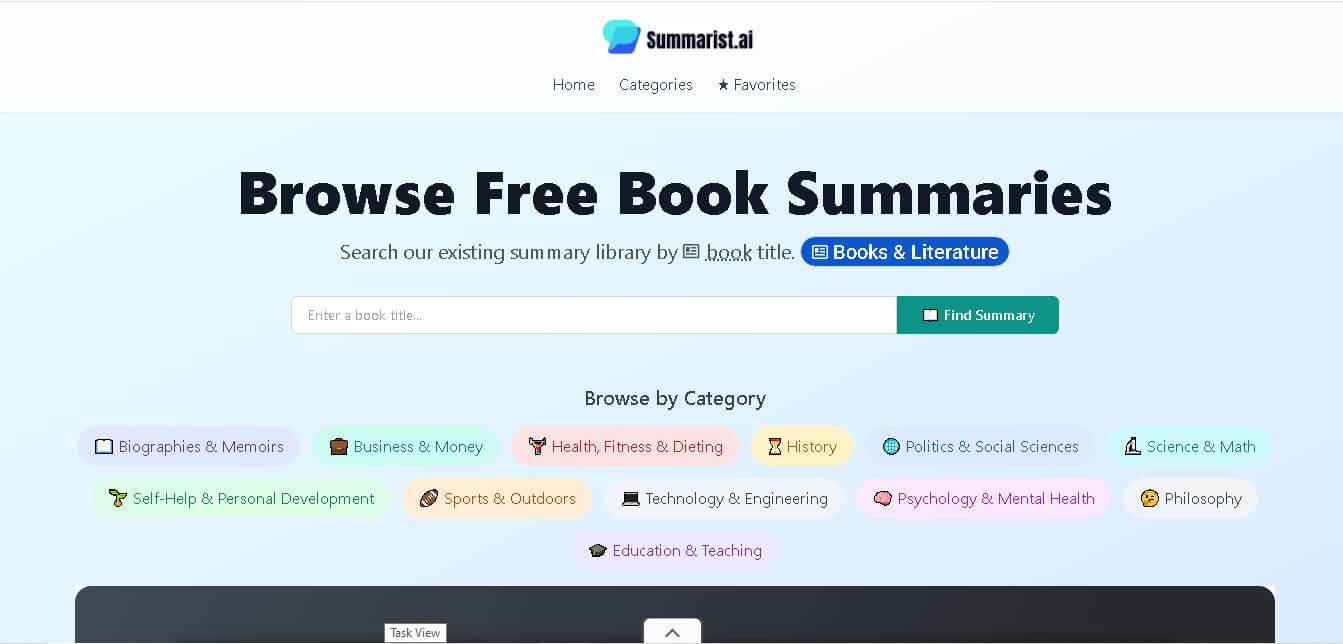
Summarist AI is an AI-powered book summary platform designed to help readers understand books faster. It provides searchable summaries across categories such as business, self-help, psychology, education, history, science, and technology. The platform currently highlights a large library of summaries, making key ideas easier to discover without reading every book cover-to-cover.
 4.4
4.4Gnomi App
Education
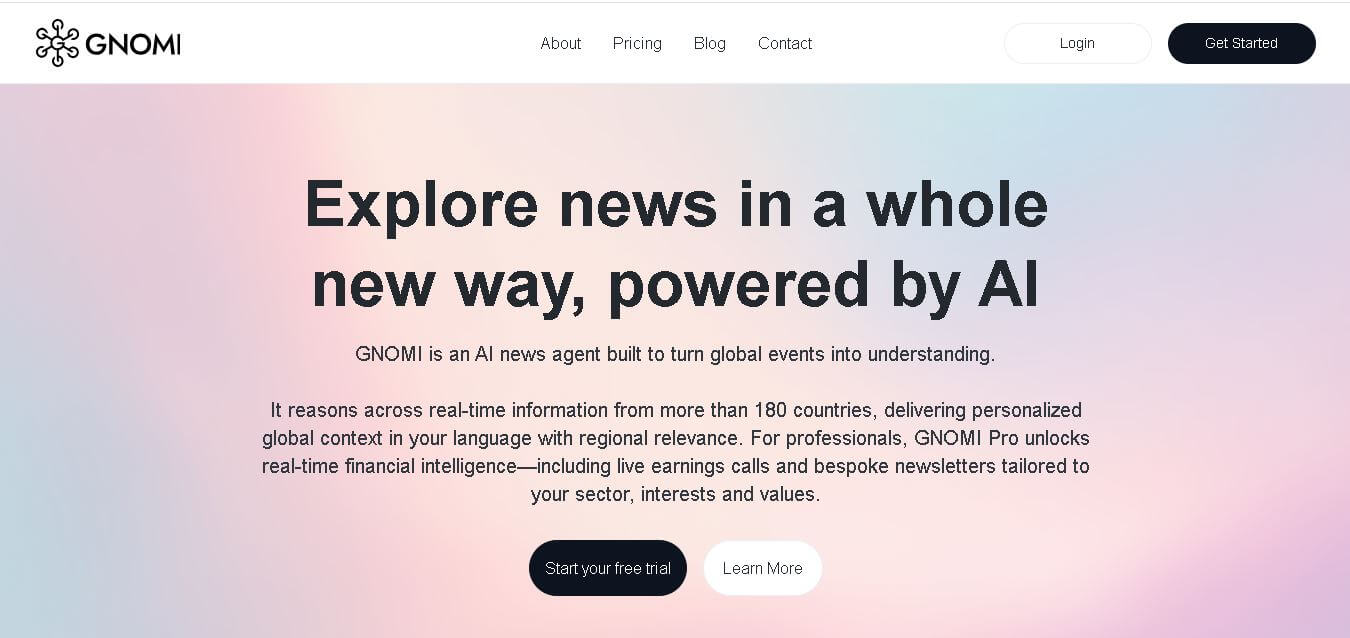
GNOMI is an AI-powered intelligence platform that analyzes global news, financial updates, and real-time events to provide personalized insights, summaries, and research support for smarter decision-making.
 4.5
4.5TLDR this
Summarizer
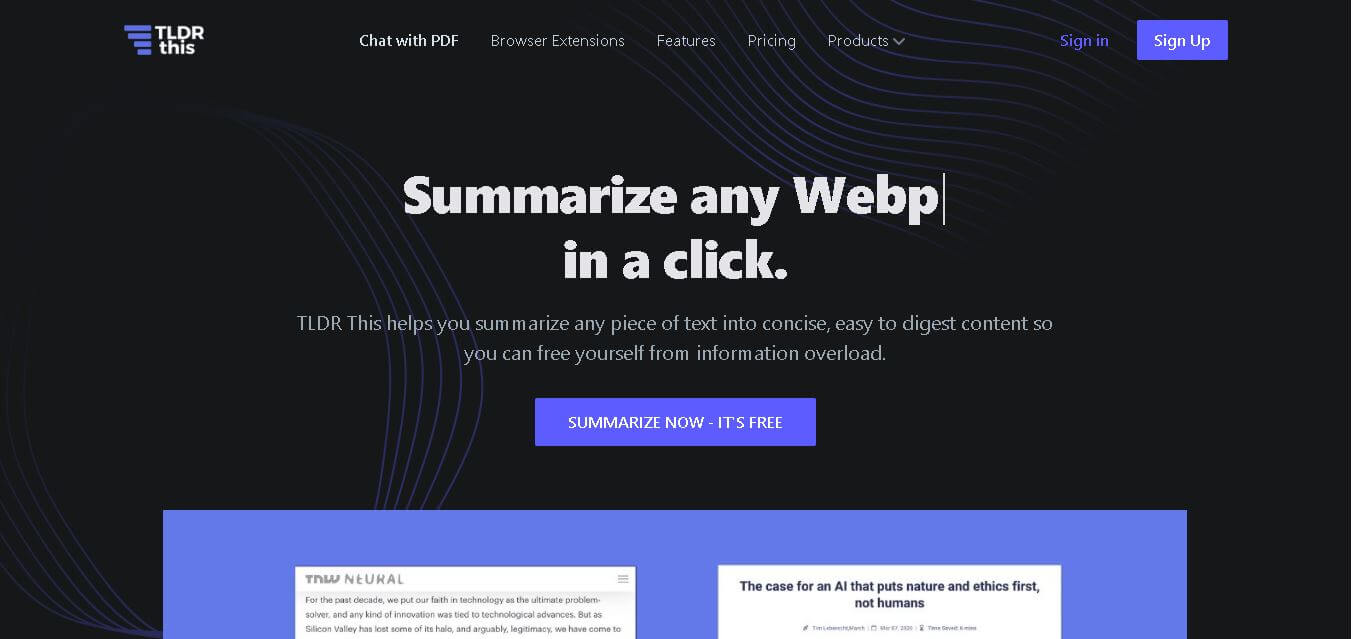
TLDR This is an AI-powered summarization tool that converts lengthy articles, webpages, and documents into short summaries, helping users quickly extract key information and save reading time.
 4.1
4.1AI Lawyer
Legal
AI Lawyer Pro is an AI-powered legal assistant platform that helps users create legal documents, analyze contracts, research legal information, and simplify complex legal tasks with artificial intelligence.