
Quilter AI
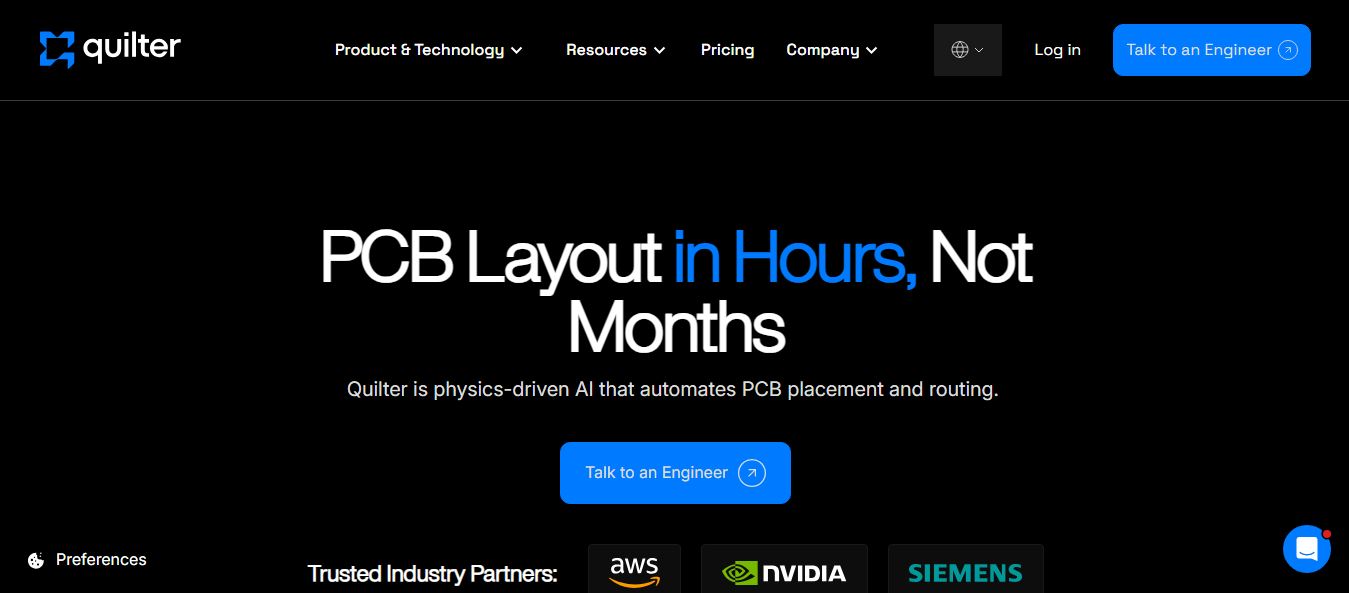
Quilter AI is a physics-driven AI platform that automates PCB (circuit board) layout by handling component placement, routing, and validation. It generates multiple design options in hours instead of weeks, helping engineers speed up hardware development while staying within real-world electrical and manufacturing constraints.
What is Quilter AI?
Quilter AI is a physics-driven AI platform built to automate one of the most time-consuming parts of hardware engineering—PCB (printed circuit board) layout. Instead of engineers manually placing components and routing connections, Quilter takes existing design files and generates complete, production-ready layouts in hours rather than weeks. The platform is an autonomous design system that handles component placement, routing, and validation using real-world physics and manufacturing constraints. Engineers can review multiple layout options, iterate quickly, and choose the best design—all within their existing CAD workflow.
By combining generative AI with physics-based optimization, Quilter helps hardware teams work faster, do less manual work, and explore more design options—turning what used to be a major bottleneck into a scalable, efficient process.
Founded in 2019 by former SpaceX flight reliability engineer Sergiy Nesterenko, Quilter was created to eliminate the manual routing bottlenecks that slow down electronics hardware cycles. Backed by top venture capital firms including Benchmark, Index Ventures, and Coatue, Quilter uses physics-based reinforcement learning rather than human design copying, allowing electrical engineers to explore thousands of layout permutations in parallel and drastically compress product development schedules.
- Founder / Leadership: Sergiy Nesterenko (Founder & CEO)
- Launch Year: 2019
- Use Cases:
- Generating fully routed, DRC-clean PCB layouts directly from uploaded schematic netlists
- Exploring multiple layout candidates and board size form factors in parallel to find optimal dimensions
- Treating PCB layout like software compilation by running frequent test builds during active schematic drafting
- Accelerating rapid hardware prototyping, evaluation boards, and test fixture designs for R&D teams
- Exporting native, editable layout files directly back into established EDA software environments
- Technology:
- Physics-guided reinforcement learning engine modeling electromagnetic constraints, thermal dissipation, and signal integrity
- Cloud-native distributed compute infrastructure supporting private cloud, GovCloud, and on-premise security deployments
- Bi-directional compatibility and export pipelines for Altium Designer, Cadence Allegro, Siemens Xpedition, and KiCad
- Target Users:
- Electrical engineers and hardware developers looking to eliminate routine layout bottlenecks
- Aerospace, defense, and automotive hardware teams facing tight R&D delivery timelines
- Semiconductor companies and IC evaluation board design engineering teams
- Indie hardware startups and consumer electronics manufacturers aiming for faster time-to-market
- Acquisition: Operates as an independent deep-tech hardware EDA startup (Quilter Inc.)

Key features of Quilter AI
Quilter AI's key features are
- Physics-Driven Autonomous Placement & Routing: Employs computational physics and reinforcement learning algorithms to place components and route traces from first principles—without learning bad habits from human datasets.
- Parallel Candidate Exploration: Generates multiple viable, fully routed layout options simultaneously under varying geometric constraints so designers can choose the most compact and manufacturable board.
- Native EDA Tool Compatibility: Seamlessly imports schematic netlists and exports completed boards back into Altium Designer, Cadence Allegro, Siemens Xpedition, and KiCad for final review and fabrication release.
- Integrated Electrical & DRC Validation: Enforces trace clearances, differential pair constraints, decoupling strategies, and impedance matching automatically to produce DRC-clean results.
- Hardware-as-Code Compiler Workflow: Allows engineers to iterate continuously by running automated layout builds on partial schematics to catch spatial feasibility problems early.
- Enterprise & GovCloud Deployment: Offers isolated private cloud, ITAR-compliant GovCloud, and on-premise deployment configurations for defense, aerospace, and mission-critical hardware programs.
- Zero Human Design Training: Operates strictly on deterministic physics models and explicit design rules, ensuring proprietary enterprise schematics are never stored or used to train public machine learning models.
Quilter AI Pricing
Quilter AI operates on an enterprise B2B licensing model with tiering structured around active engineering seats, design complexity, and deployment infrastructure.
Licensing Structure:
- Team & Commercial Plans: Tiered annual subscriptions based on active layout runs, layer count complexity, and seat capacity
- Enterprise & Secure Cloud: Custom annual contracts including dedicated compute instances, custom design rule profiles, and dedicated onboarding engineering support
- Aerospace & Defense / GovCloud: On-premise or ITAR-compliant private cloud deployments with custom SLAs and security audits
Disclaimer: For live software demonstrations, pilot programs, and custom enterprise quotes, please visit the official Quilter AI website at quilter.ai.
Who is using Quilter AI?
Quilter AI is used by hardware innovators and engineering organizations, including
- Consumer Electronics Developers: Compressing multi-month PCB development cycles into single-week hardware sprints
- Aerospace & Defense Contractors: Designing complex avionics and mission-critical sensor boards under strict physical constraints
- Semiconductor R&D Teams: Rapidly laying out silicon validation boards, reference designs, and breakout fixtures
- Hardware Startup Founders: Testing multiple product iterations and form-factor variations without hiring dedicated layout bureaus
Best Quilter AI Alternatives
Some of the strongest Quilter AI alternatives include
- Flux AI
- Altium Designer (Auto-routing tools)
- Cadence Allegro / Sigrity
- Siemens Xpedition
- Celus
- JITx
Pros and Cons of Quilter AI
Pros
- Delivers full end-to-end autonomous placement and routing rather than partial or superficial AI suggestions
- Trained on physics and reinforcement learning rather than scraping third-party human layouts, keeping designs clean and IP secure
- Cuts PCB layout turnaround time by up to 10x to 20x compared to traditional manual drafting
- Maintains seamless integration with industry-standard CAD suites (Altium, Cadence, Siemens, KiCad)
- Allows parallel multi-candidate generation to quickly find minimum viable board dimensions
Cons
- Extremely dense, high-layer rigid-flex boards may still require fine manual touchups on sensitive analog traces
- Requires clear and comprehensive upfront constraint definitions in the schematic to achieve optimal layouts
- Enterprise pricing is tailored for engineering teams and commercial hardware companies rather than casual hobbyists
Why Choose Quilter AI?
While traditional EDA tools still force engineers to manually place hundreds of components and draw thousands of copper traces by hand, Quilter AI brings compiler-level automation to physical hardware design.
- Transforms schematic designs into complete, fab-ready PCB layouts in hours instead of weeks
- Replaces painful trial-and-error routing with deterministic physics-driven reinforcement learning
- Enables parallel exploration of multiple board sizes, stack-ups, and component placements simultaneously
- Integrates effortlessly into the CAD environments and release pipelines your engineering team already trusts
Quilter AI vs. Competitors
The main difference between Quilter AI, Flux AI, JITx, and Altium Designer is autonomous execution depth. While Flux AI provides a browser-based collaborative canvas with LLM chat assistants, JITx uses code-based procedural generation, and Altium utilizes traditional rule-based auto-routers, Quilter AI autonomously executes full board placement, high-density trace routing, and physics validation end-to-end via reinforcement learning.
| Feature / Tool | Quilter AI (quilter.ai) | Flux AI | JITx | Altium Designer |
|---|---|---|---|---|
| Core Focus | Autonomous Physics-Driven PCB Layout | Cloud Collaborative PCB & AI Copilot | Code-Driven Automated Hardware Design | Industry-Standard Professional EDA |
| Full Autonomous Placement & Routing | Yes (Reinforcement learning) | No (Manual + AI suggestions) | Yes (Programmatic code generation) | Limited (Heuristic auto-routers) |
| Native CAD Integrations | Altium, Cadence, Siemens, KiCad | Standalone Browser App | KiCad & Altium Export | Native Proprietary Environment |
| Physics-Driven Learning | Yes (First-principles simulation) | LLM-based assistant | Algorithmic constraint solver | Rule-based engine |
| Best For | Rapid hardware iteration & automated layout | Collaborative web-based PCB design | Engineers who prefer coding hardware | Full lifecycle enterprise board drafting |
How do we rate Quilter AI?
| Parameter | Rating (out of 5) |
|---|---|
| Autonomous Placement & Routing Quality | 4.9 |
| Physics & DRC Rule Enforcement | 4.9 |
| CAD Tool Compatibility & Export Speed | 4.8 |
| Enterprise Security & Data Privacy | 5.0 |
| Impact on Hardware R&D Velocity | 4.9 |
| Overall Score | 4.90 |
Quilter AI Review
Quilter AI represents one of the most significant breakthroughs in electronic design automation in decades. By moving past the limitations of legacy rule-based auto-routers and implementing true physics-grounded reinforcement learning, Quilter automates the most time-consuming phase of circuit board development. The ability to submit a schematic and receive multiple DRC-clean, fabrication-ready candidate layouts within hours fundamentally alters hardware economics. For engineering teams aiming to compress hardware development cycles and ship innovative electronics faster, Quilter AI is a transformative platform.
Conclusion
Quilter AI is a breakthrough platform that redefines how circuit boards are designed by fully automating PCB layout using physics-driven AI. Instead of relying on manual routing or traditional auto-routers, it handles component placement, routing, and validation end-to-end—turning what used to take weeks into a process that can be completed in hours. Its biggest strength lies in its physics-first approach, where designs are generated and validated based on real-world electrical and manufacturing constraints, reducing errors and improving reliability from the start. The ability to generate multiple layout candidates simultaneously also enables faster iteration and better design outcomes. While engineers still need to review and refine outputs, the time savings and scalability are significant.
FAQ
What is Quilter AI?
Quilter is a physics-driven AI platform that automates PCB (printed circuit board) design. It handles component placement, routing, and validation, helping engineers generate complete board layouts in hours instead of weeks.
How does Quilter AI work?
Quilter works by letting you upload your schematic and board files, define design constraints, and then generate multiple layout options automatically. It uses physics-based rules and simulations to create designs that are functional and ready for manufacturing.
What can you do with Quilter?
With Quilter, you can automate PCB layout, generate multiple design candidates, validate designs with physics checks, and export ready-to-use files for tools like Altium, KiCAD, and Cadence. It essentially replaces much of the manual layout work.
What makes Quilter different from traditional PCB tools?
Unlike traditional CAD tools or auto-routers, Quilter uses a physics-first AI approach. It understands electrical behavior and manufacturing constraints, allowing it to design boards more accurately instead of just connecting components geometrically.
Can Quilter fully automate PCB design?
Yes, Quilter is designed to automate the entire layout process for suitable designs. It aims to deliver fully routed boards with no design rule check (DRC) violations, though engineers still review and refine outputs when needed.
Who should use Quilter AI?
Quilter is ideal for electrical engineers, hardware startups, and companies building electronic products. It’s especially useful for teams that want to speed up PCB development and reduce dependency on manual layout work.
Which tools does Quilter integrate with?
Quilter supports popular ECAD tools like Altium, KiCAD, Cadence Allegro, and Siemens Xpedition. It works within your existing workflow and returns files in the same formats, so no extra conversion is needed.
Is Quilter AI free to use?
Quilter offers a free version for non-commercial use such as research or hobby projects. For commercial usage, enterprise features, and data protection, paid plans or pilots are required.
User Reviews
No reviews yet for Quilter AI.
Featured Tools
Featured AI tools from TechShark

Melody Genie
MelodyGenie is an AI-powered music generator that creates original songs from simple text prompts. Users can choose styles, moods, and genres, then instantly generate melodies and full tracks, making it easy for creators, marketers, and hobbyists to produce custom music without musical expertise.
Freemium
Kimi AI
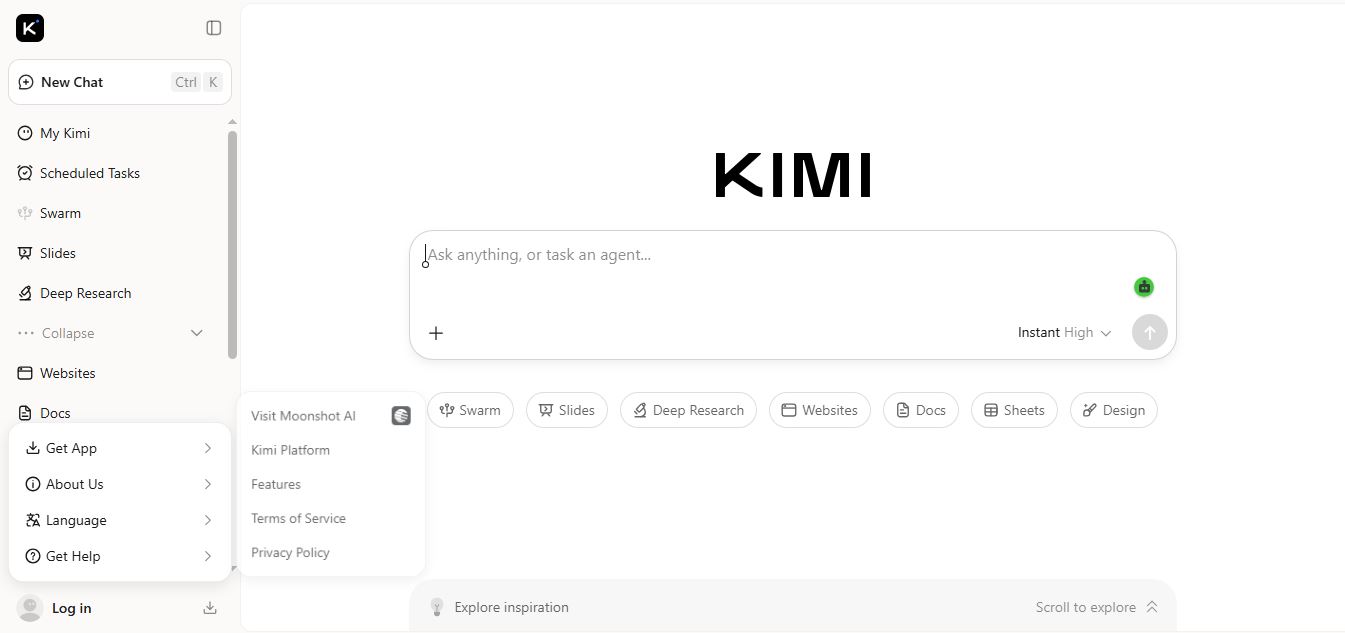
Kimi AI is an advanced AI assistant developed by Moonshot AI that helps you chat, research, write, code, and automate tasks in one place. It supports web search, file analysis, and multimodal inputs, and can even run autonomous “agent” workflows to complete complex tasks end-to-end.
Freemium
Fashion Diffusion AI
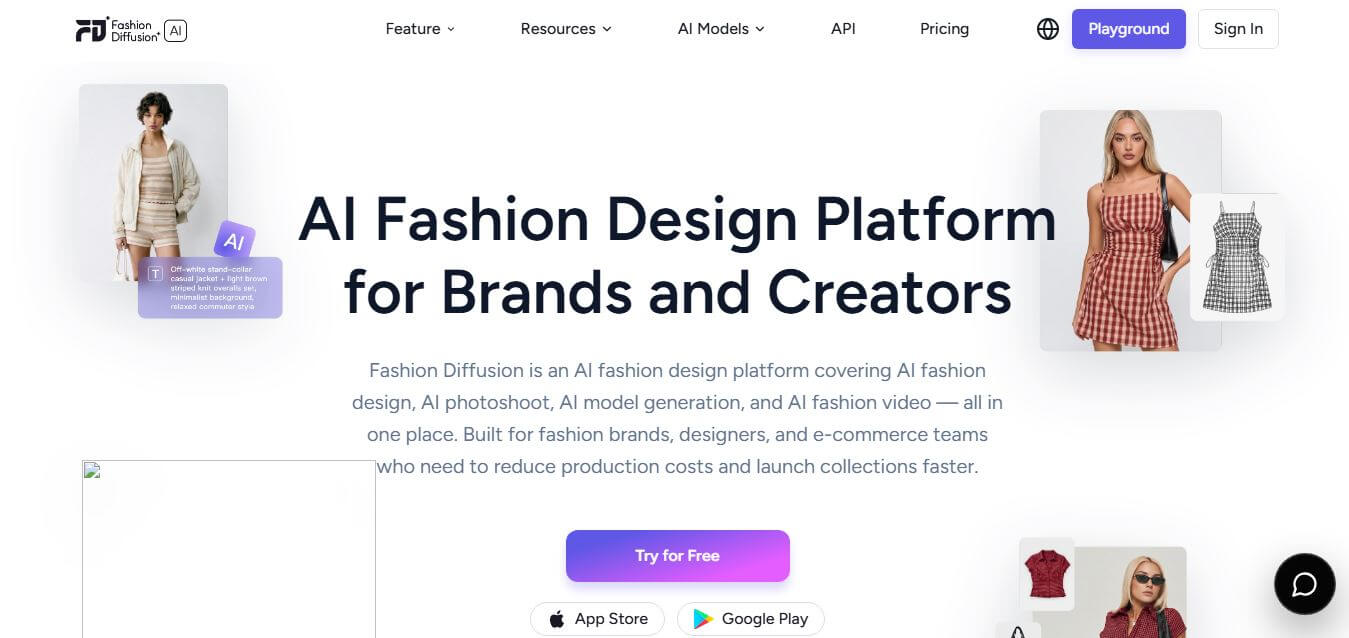
Fashion Diffusion is an AI-powered fashion design platform that helps brands and designers create clothing designs, virtual try-ons, AI models, product photos, and marketing visuals faster and cost-effectively.
Paid
Veo 4
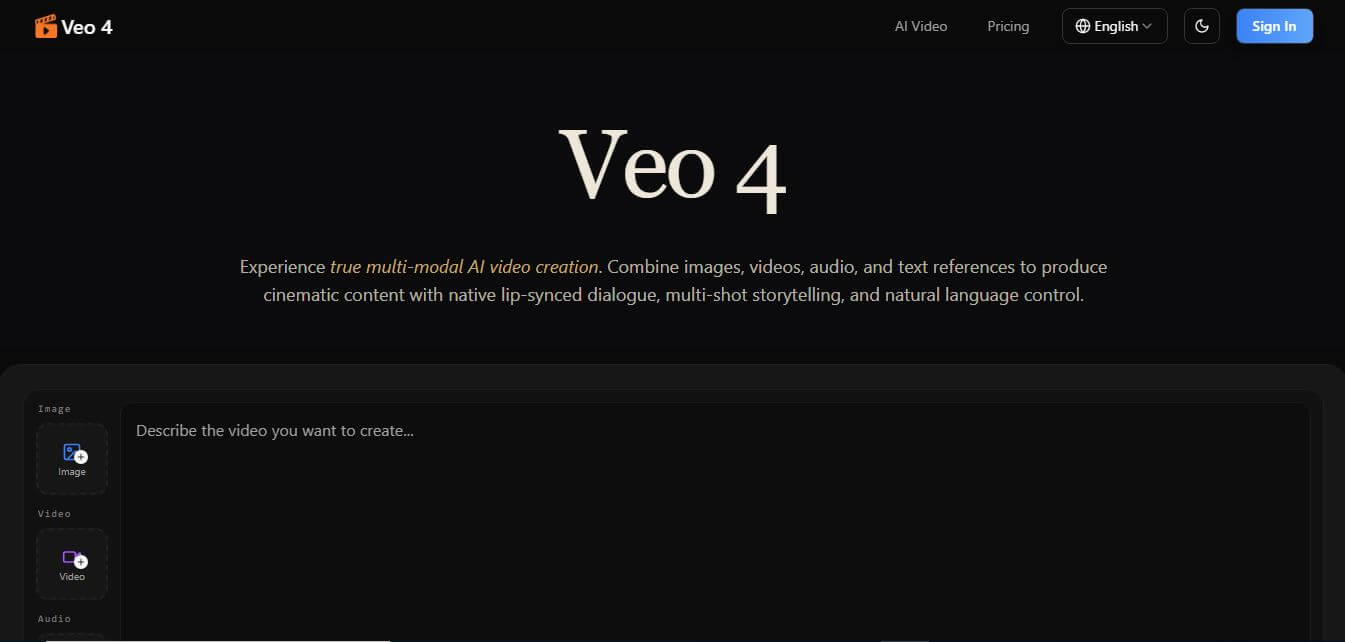
Veo 4 AI is an AI video creation platform that generates dramatic videos from text, images, audio, and video prompts using realistic motion and synchronized sound.
Paid
Alternatives
Alternatives to Quilter AI
The best Quilter AI alternatives include Flux AI, Altium Designer, Cadence Allegro, Siemens Xpedition, Celus, and JITx. These platforms provide electronic design automation, schematic capture, and circuit board layout tools. While Quilter AI specializes in fully autonomous physics-driven PCB placement, routing, and multi-candidate generation compatible with major CAD suites, alternatives like Flux AI focus on browser-based collaborative hardware design, and Altium Designer provides an established end-to-end desktop EDA environment.
 4.7
4.7Halcyon
AI Agent
Halcyon is an AI energy intelligence platform that helps professionals search regulatory filings, analyze energy-market information, monitor developments, and access structured datasets. It combines document search, natural-language queries, AI-powered alerts, and specialized data subscriptions to turn fragmented energy information into actionable intelligence for research, monitoring, planning, and faster decision-making.
 4.5
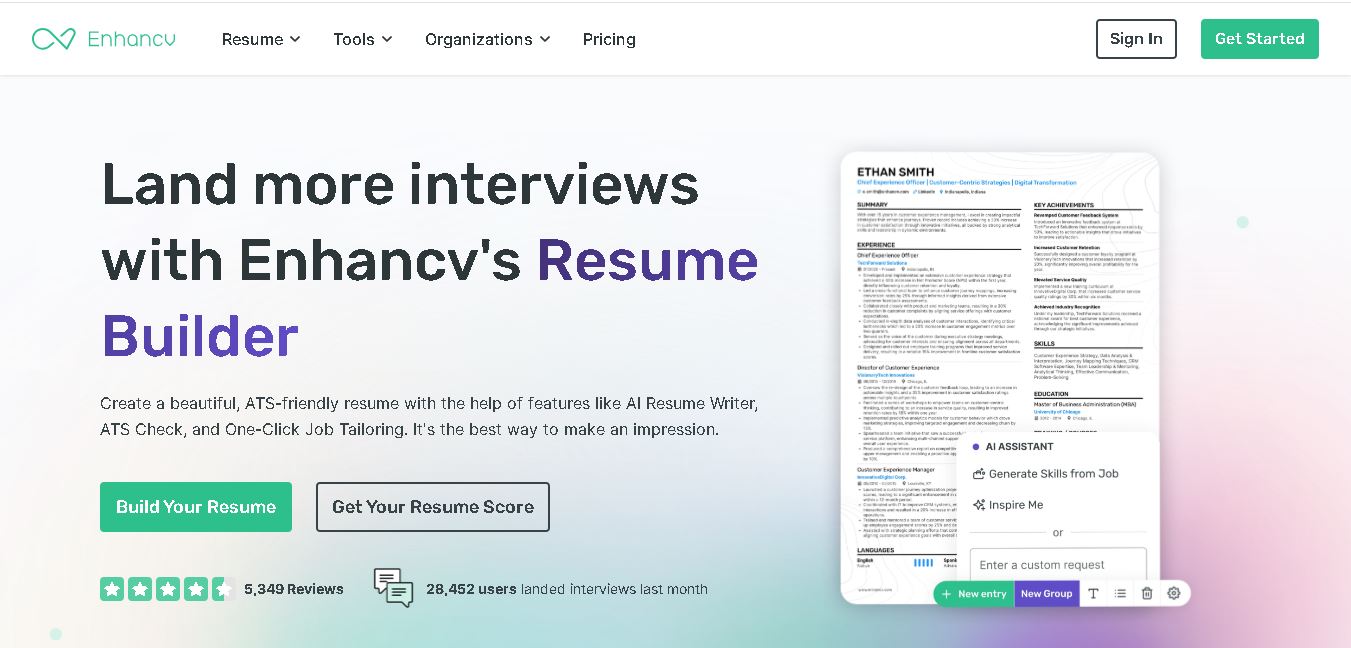
4.5Enhancv
AI Agent
Enhancv helps job seekers build ATS-friendly resumes using customizable templates, AI writing assistance, resume checking, and job-specific tailoring. It also supports cover letters, application tracking, interview preparation, and resume translation. The platform is designed for candidates who want a polished application while keeping control over their experience, wording, and presentation.
 4.9
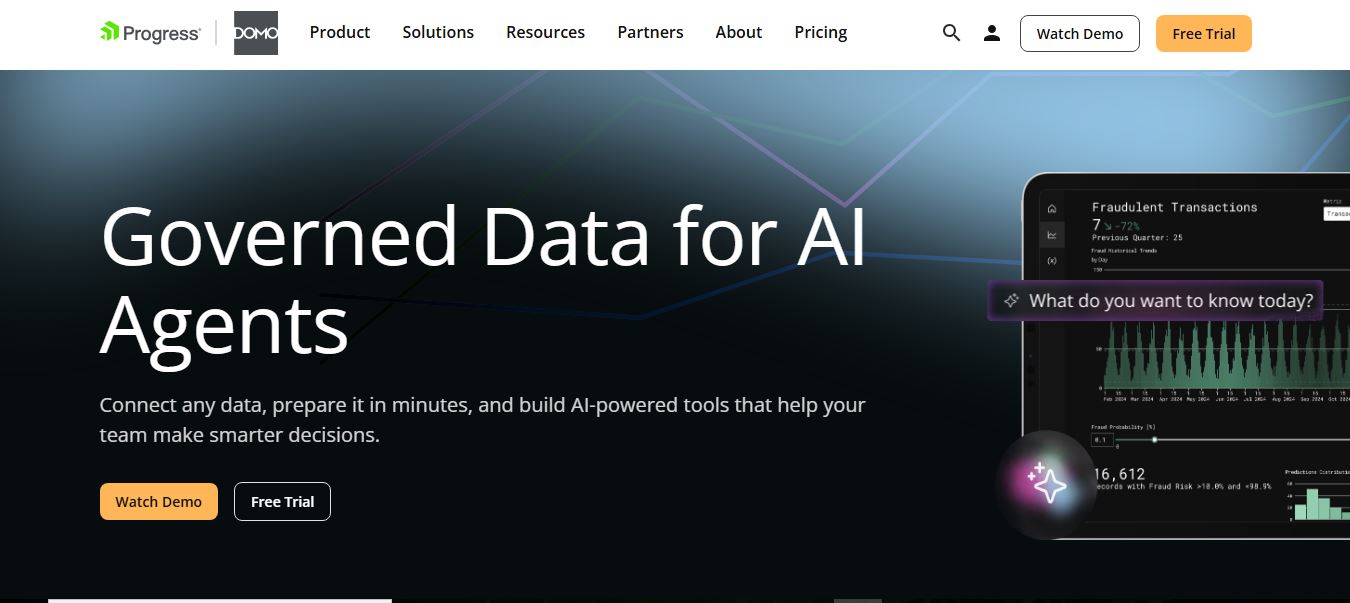
4.9Domo
AI Agent
Domo is an AI-powered data and analytics platform that helps businesses connect, visualize, and act on data from multiple sources in one place. It combines dashboards, automation, and AI insights to turn raw data into decisions, enabling teams to monitor performance and drive better outcomes in real time.
 4.9
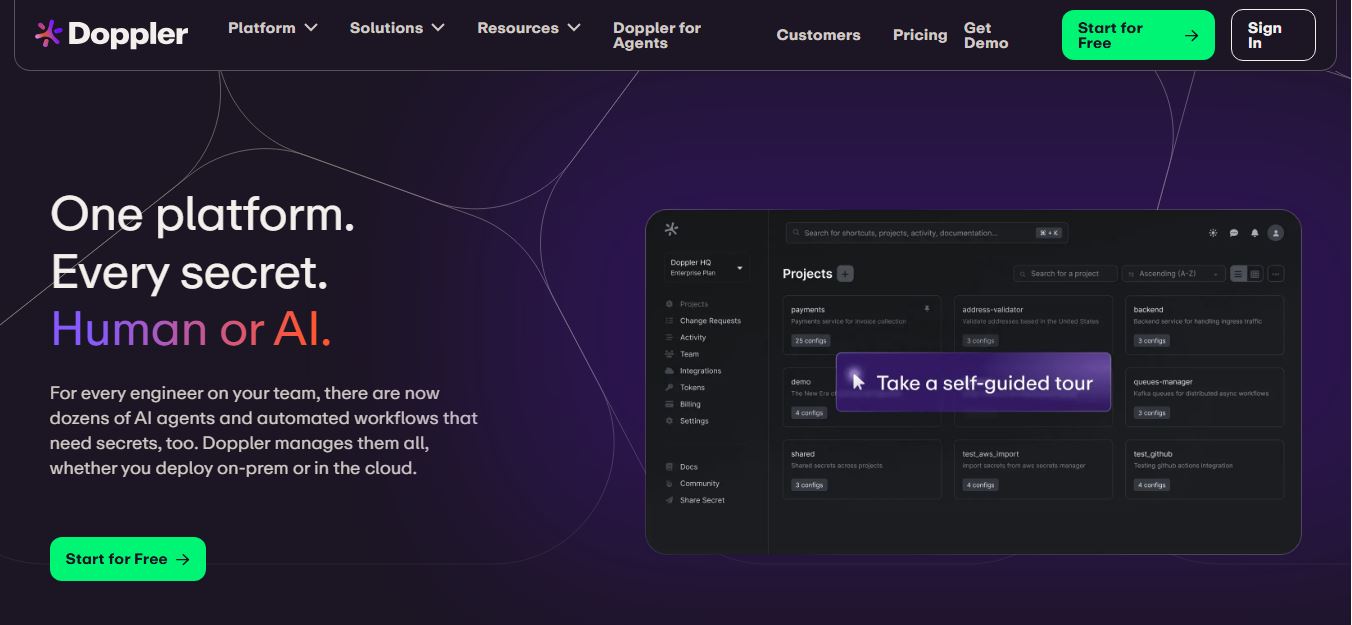
4.9Doppler
AI Agent
Doppler is a secrets management platform that helps developers and teams securely store, manage, and sync sensitive data like API keys, tokens, and credentials across apps and environments. It centralizes secrets, automates access control, and ensures secure, consistent configuration for applications and AI agents.
 4.8
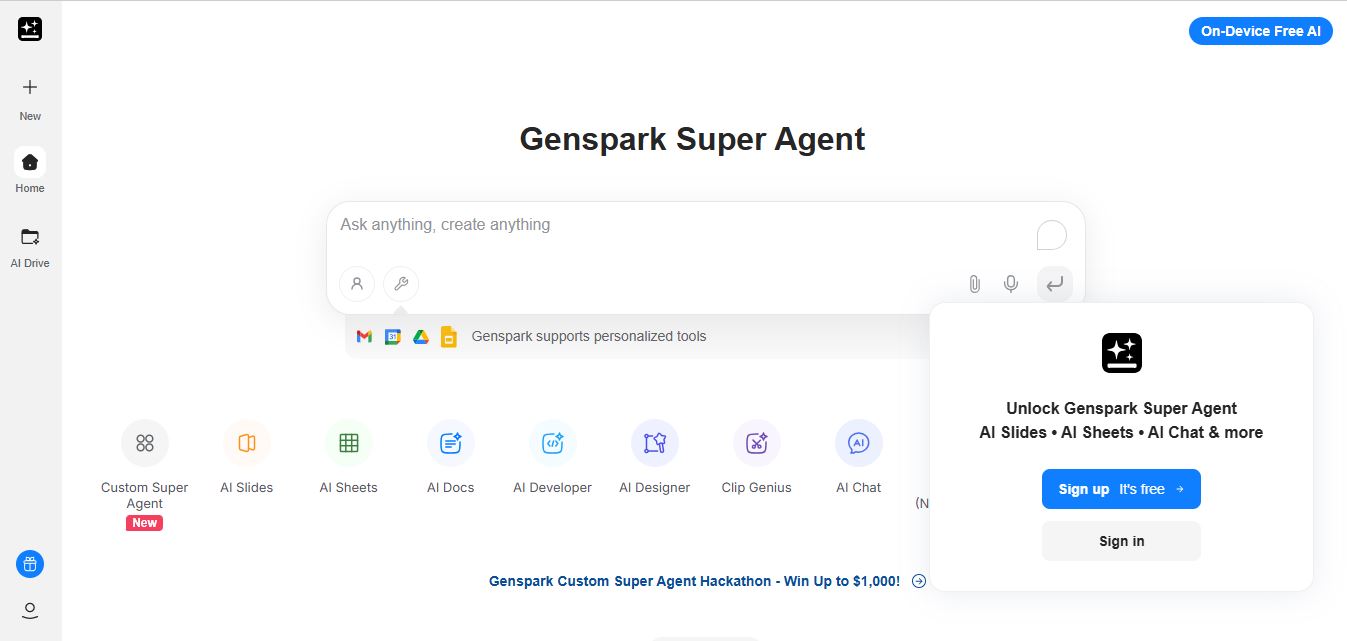
4.8Genspark
AI Agent
Genspark is an AI-powered all-in-one workspace built around autonomous agents that can research, write, analyze data, and create content from a single prompt. Its “Super Agent” plans and executes tasks across tools, delivering complete outputs like presentations, reports, code, and media automatically.
 4.9
4.9Teachable Machine
AI Agent
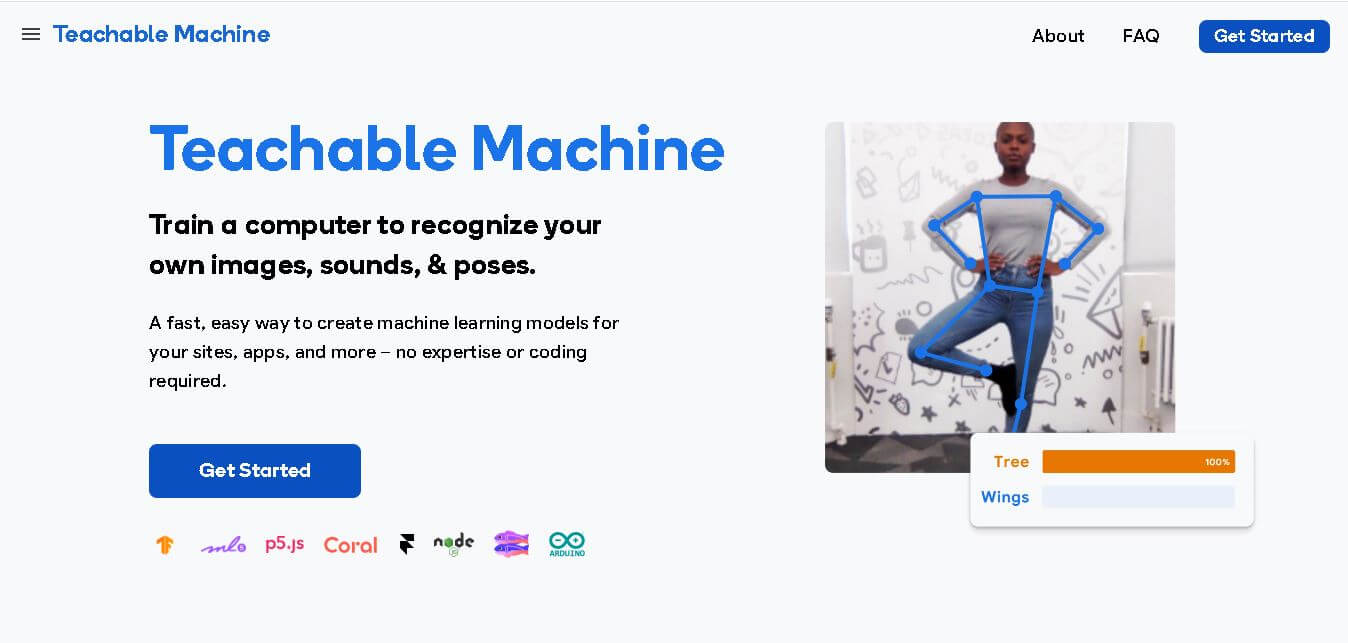
Teachable Machine is Google's browser-based tool for creating custom machine learning models without coding. You can train models to classify images, sounds, and poses using your own examples. After testing your model, you can export it for websites, apps, games, educational experiments, and physical computing projects powered by compatible machine learning technologies.
 4.7
4.7Encharge AI
AI Agent
EnCharge AI develops advanced AI computing hardware and software based on charge-based analog in-memory computing. Its technology is designed to improve AI inference efficiency while reducing power consumption, data movement, computing costs, and environmental impact. The company targets edge-to-cloud deployments, including on-device AI, robotics, automotive systems, industrial applications, and local computing.
RHVoice
AI Agent
RHVoice (rhvoice.org) is an open-source, multilingual speech synthesizer and text-to-speech engine designed to provide high-quality, lightweight voice output for screen readers, mobile devices, and accessibility tools.
 4.8
4.8PenguinBot AI
AI Agent
PenguinBot is an AI-powered “digital employee” that turns simple instructions into completed tasks like managing emails, scheduling, and running workflows automatically. It works across multiple channels and apps, planning and executing tasks in the background—focusing on getting real work done, not just generating responses.