Papaya
Papaya is an agentic workflow optimization platform that connects to production AI agents via a one-line SDK, runs 200+ trace analyses to pinpoint context bloat, broken prompt caching, and tool misuse, and automatically generates ranked fixes and GitHub pull requests.
What is Papaya?
Papaya is an AI-powered optimization platform designed for teams building AI agents and workflows. Instead of manually debugging issues, it connects to your production data, analyzes how your agents behave, and automatically finds problems like poor prompts, tool errors, or high costs. It then ranks improvements by impact and even suggests fixes you can implement directly. Overall, it helps engineers improve quality, reduce latency, and cut costs without constantly monitoring or maintaining their AI systems.
Papaya is an AI agent optimization platform launched in 2026 that helps teams improve production AI workflows using real trace data. It runs 200+ research-backed analyses across prompts, context, and tool usage to identify issues and rank fixes by impact. Companies typically see 10%+ success rate improvements within the first analysis, along with $25K+ annual savings per workflow. The platform delivers insights in under 15 minutes, flags problems across thousands of runs, and automatically converts approved fixes into pull requests for faster deployment.
- Platform Role: Agentic Workflow Optimization Platform, Automated LLM Fix Generator & Production Trace Analyzer
- Core Focus: Context bloat elimination, prompt caching optimization, tool schema drift detection, retry loop prevention, and automated PR generation
- Integration Methods: One-line asynchronous Python/TypeScript SDK wrapper, direct observability tool connectors (OpenTelemetry, Langfuse), or raw trace dataset uploads
Use Cases:
- Detecting redundant conversation history and context bloat across multi-turn agent conversations to lower monthly API spend
- Fixing context re-ordering issues that prevent provider prompt caching from engaging effectively between turns
- Identifying tool schema drift and corrupted parameter payloads before valid tool-calling steps fail in live production
- Catching infinite agent retry loops and runaway sub-agent communication before excessive latency impacts end users
- Automatically generating GitHub pull requests with evidence-backed code recommendations for human developer review
Technology:
- 200+ proprietary research-backed analysis heuristics evaluating trajectory planning, context efficiency, and tool reliability
- Asynchronous edge ingestion pipeline ensuring zero request-path latency on live production agent execution
- Multi-run clustering engine grouping trace anomalies by underlying root cause rather than treating errors as isolated logs
- Git-native PR integration delivering code patches directly into repository CI/CD workflows
Target Users:
- AI engineers and software architects managing multi-agent systems and complex RAG agent pipelines in production
- Tech leads and engineering managers seeking to reduce runaway inference bills without sacrificing output quality
- DevOps and platform engineering teams looking for proactive remediation beyond standard log monitoring dashboards
- Product teams building customer-facing autonomous agents requiring consistent reliability and low response latency
Acquisition: Developer tooling and agentic optimization platform
What are the key features of Papaya?
Papaya's key platform features are
- One-Line SDK Integration: Wrap any OpenAI, Anthropic, or open-source client in one line of code without modifying core application logic.
- Automated Pull Request Generation: Converts verified workflow optimizations into ready-to-merge GitHub pull requests for your engineering team.
- Prompt Caching Optimization: Diagnoses context sequencing to maximize KV-cache hits on Anthropic and OpenAI, slashing token costs significantly.
- Tool Schema Drift Detection: Monitors function calling and parameter mismatches to stop agent tool failures before customers notice.
- Evidence-Backed Run Inspection: Every recommended fix links directly to the exact production traces and prompt states that produced the issue.
- Automated Trace Identification: Ingests execution traces regardless of format or shape, automatically grouping workflows by user intent.
- Human-in-the-Loop Safety: All suggestions require human approval, ensuring that changes to production agent code remain under engineering control.
How much does Papaya cost?
Papaya provides pilot audits alongside scalable subscription tiers tailored to trace volume and repository size.
Pricing Overview:
- Free Audit / Pilot: 24-hour trace audit on a single workflow. Teams share a raw export of production traces and receive a ranked breakdown of quality, latency, and cost improvements at zero cost.
- Team & Growth Subscriptions: Billed via monthly or annual order forms based on active workflow volume, trace throughput, and connected GitHub repositories. Includes continuous trace scanning, automated pull requests, and Slack alerting.
- Enterprise Tier: Custom annual licensing for high-scale agent deployments requiring custom compliance agreements, VPC/on-prem deployment options, dedicated support engineers, and customized analysis heuristics.
Disclaimer: Pricing terms and usage-based tiers are specified via custom order forms and pilot agreements. Check papaya.fyi for demo requests and active onboarding terms.
Who should use Papaya?
Papaya is designed for technical teams running production AI agents, including
- AI Product Engineers: Reducing agent response times and eliminating repetitive context payloads on conversational apps.
- Enterprise Platform Leads: Slashing $25K+ annualized cloud inference costs across high-volume production workflows.
- Agentic Framework Developers: Debugging tool-calling schemas, loop boundaries, and sub-agent handoffs with concrete trace proof.
- Tech Founders & CTOs: Maintaining reliable agent output quality without needing engineers to comb through gigabytes of raw logs daily.
What are the best alternatives to Papaya?
Some of the strongest Papaya alternatives include
- Langfuse
- Arize Phoenix
- Braintrust
- LangSmith
- Helicone
- Traceloop
What are the pros and cons of Papaya?
What are the pros of Papaya?
- Moves beyond passive monitoring by actively creating code pull requests to fix identified problems
- One-line SDK integration runs completely asynchronously with zero added runtime latency
- Clusters traces across thousands of runs by underlying root cause rather than logging endless isolated errors
- Delivers concrete financial return by optimizing prompt caching and eliminating conversation context bloat
- Offers a no-commitment 24-hour trace audit allowing teams to evaluate value before purchasing
What are the cons of Papaya?
- Specialized for multi-step agentic workflows and tool-use pipelines rather than simple single-prompt completions
- Full automated pull request generation requires granting GitHub repository write permissions
- Enterprise pricing requires custom sales consultation rather than instant credit card self-checkout
Why should you choose Papaya?
Standard LLM observability platforms function like passive dashboards: they tell you that your inference bill spiked or that latency increased, but they leave the tedious work of inspecting hundreds of traces, diagnosing root causes, and refactoring agent code entirely to your engineers. Papaya completes the loop. By continuously analyzing your production traces, quantifying the dollar and latency impact of recurring inefficiencies, and opening pull requests with the exact code fixes required, Papaya keeps your AI agents lean, fast, and cost-efficient.
- Turn complex production traces into ranked code fixes and GitHub pull requests
- Identify and remove context bloat that needlessly inflates your monthly token bills
- Maximize prompt caching efficiency across OpenAI and Anthropic models automatically
- Deploy in minutes using a single-line asynchronous SDK wrapper with zero request latency
How does Papaya compare to competitors?
While tools like LangSmith and Langfuse excel at logging traces and providing manual inspection dashboards, Papaya specializes in automated diagnostic intelligence—actively ranking root-cause optimizations and opening pull requests with verified code changes.
| Feature / Platform | Papaya | Langfuse | LangSmith | Braintrust |
|---|---|---|---|---|
| Primary Orientation | Automated agent optimization & PR generation | Open-source LLM observability & metrics | LLM lifecycle, testing & tracing suite | Enterprise evaluation & proxy platform |
| Automated Code Fixes | Yes (Opens GitHub Pull Requests) | No (Manual engineering required) | No (Manual playground testing) | No (Evaluation feedback only) |
| Root Cause Clustering | Automated multi-run root cause analysis | Manual filtering and tagging | Manual trace exploration | Automated dataset clustering |
| Request-Path Latency | Zero (100% asynchronous SDK) | Async batching | Async logging | Proxy or async SDK |
| Pricing Model | Free 24h audit / Tiered custom plans | Open-source free / Cloud from $59/mo | Free tier / Paid from $39/seat/mo | Usage-based from ~$0.01/1k logs |
| Best For | Teams wanting automated code fixes for agent traces | Developers wanting self-hosted observability | Teams building deeply inside the LangChain stack | Enterprises running automated LLM evaluations |
How do we rate Papaya?
| Parameter | Rating (out of 5) |
|---|---|
| Automated Fixes & PR Generation | 4.9 |
| Trace Analysis & Root Cause Detection | 4.9 |
| Cost & Prompt Caching Optimization | 4.8 |
| Integration Simplicity & SDK Speed | 4.9 |
| Value for Money | 4.7 |
| Overall Score | 4.84 |
What is our review and verdict on Papaya?
Papaya introduces a much-needed evolutionary step in LLM engineering tools by converting raw production traces into concrete, ranked code fixes. Instead of leaving developers to hunt for inefficiencies across millions of execution steps, Papaya systematically diagnoses context bloat, broken prompt caching, and tool failures, packaging proven solutions into ready-to-merge pull requests. For engineering teams operating complex AI agents in production, Papaya offers immediate operational and cost value.
Conclusion
Papaya FYI helps teams organize and access internal knowledge without the usual friction of scattered docs and outdated wikis. By combining AI-powered search with a clean, collaborative workspace, it makes information easier to find and keep updated. Instead of digging through multiple tools, teams can rely on one structured system. Overall, Papaya FYI improves clarity, saves time, and helps teams stay aligned by turning knowledge into a more accessible and usable resource..
FAQ
What does Papaya actually do?
Papaya is an AI agent optimization platform that helps engineering teams improve the performance of their AI workflows automatically. It connects to your existing LLM or agent system, analyzes real production data, and identifies issues like poor prompts, broken tool calls, or unnecessary context usage. Instead of just showing dashboards, it suggests concrete fixes and even generates pull requests you can review and deploy.
How is Papaya different from observability tools?
Traditional observability tools show logs, traces, and metrics—but they still require engineers to manually diagnose problems. Papaya goes a step further by finding root causes and recommending improvements automatically. It ranks fixes based on impact (quality, latency, cost) and provides evidence from actual production runs, so teams can act faster without deep manual analysis.
How does Papaya improve AI agents?
Papaya scans production traces across prompts, context, tools, and outcomes, then runs hundreds of analyses to detect patterns like context bloat, retry loops, or tool misuse. It clusters recurring issues across thousands of runs and highlights the changes that will have the biggest impact. These improvements are backed by real data and can be implemented directly into your codebase.
What kind of results can teams expect?
Teams typically see measurable improvements like higher success rates, reduced latency, and lower costs after using Papaya. For example, early analyses often surface optimizations that can increase workflow quality by around 10% or reduce unnecessary compute costs through better prompt and context handling.
Does Papaya require major setup or infrastructure changes?
No, Papaya is designed to be lightweight. You can integrate it by wrapping your LLM or agent calls with a simple SDK or by connecting existing observability data. It works asynchronously, meaning it doesn’t slow down your production workflows while analyzing them in the background.
Who should use Papaya?
Papaya is built for engineering teams running AI agents or LLM-based workflows in production. It’s especially useful for startups, SaaS companies, and enterprises that rely on AI automation and want to continuously improve performance without dedicating large resources to manual debugging.
Is Papaya free or paid?
Papaya offers a free version or entry-level access, with pricing scaling based on usage and advanced features. This allows teams to start analyzing their workflows without upfront cost and then expand as their AI systems grow in complexity.
User Reviews
No reviews yet for Papaya.
Featured Tools
Featured AI tools from TechShark

Melody Genie
MelodyGenie is an AI-powered music generator that creates original songs from simple text prompts. Users can choose styles, moods, and genres, then instantly generate melodies and full tracks, making it easy for creators, marketers, and hobbyists to produce custom music without musical expertise.
Freemium
Kimi AI
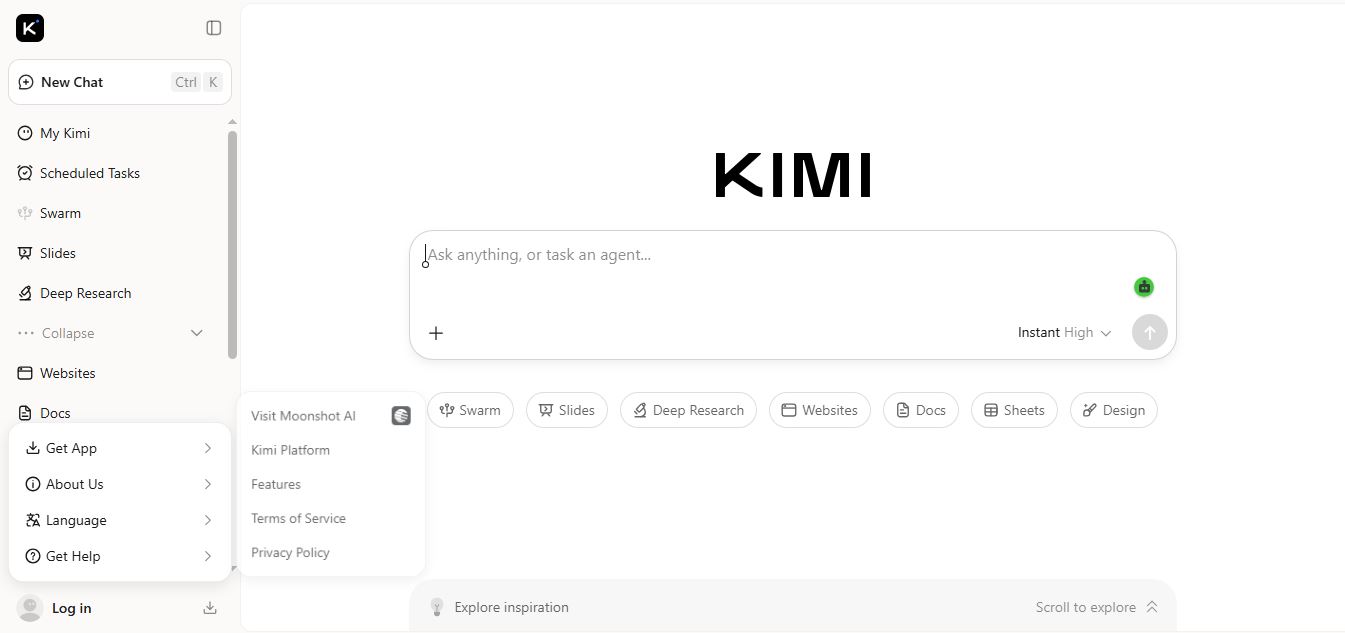
Kimi AI is an advanced AI assistant developed by Moonshot AI that helps you chat, research, write, code, and automate tasks in one place. It supports web search, file analysis, and multimodal inputs, and can even run autonomous “agent” workflows to complete complex tasks end-to-end.
Freemium

Fashion Diffusion AI
Fashion Diffusion is an AI-powered fashion design platform that helps brands and designers create clothing designs, virtual try-ons, AI models, product photos, and marketing visuals faster and cost-effectively.
Paid
Veo 4
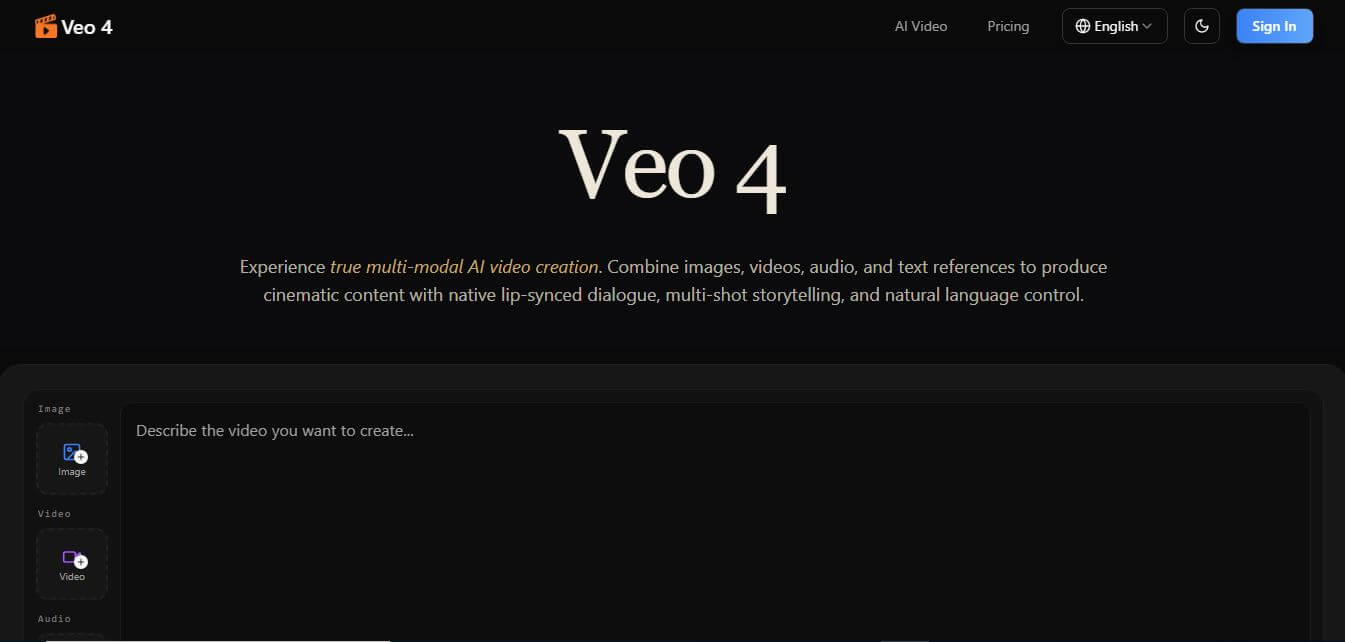
Veo 4 AI is an AI video creation platform that generates dramatic videos from text, images, audio, and video prompts using realistic motion and synchronized sound.
Paid
Alternatives
Alternatives to Papaya
The best Papaya alternatives include Langfuse, LangSmith, Braintrust, and Arize Phoenix. While standard observability platforms merely log telemetry traces and require manual log inspection, Papaya uniquely clusters production traces across prompts, caching, and tools to automatically generate ranked code fixes and GitHub pull requests.
 4.9
4.9Talkwalker
AI Agent
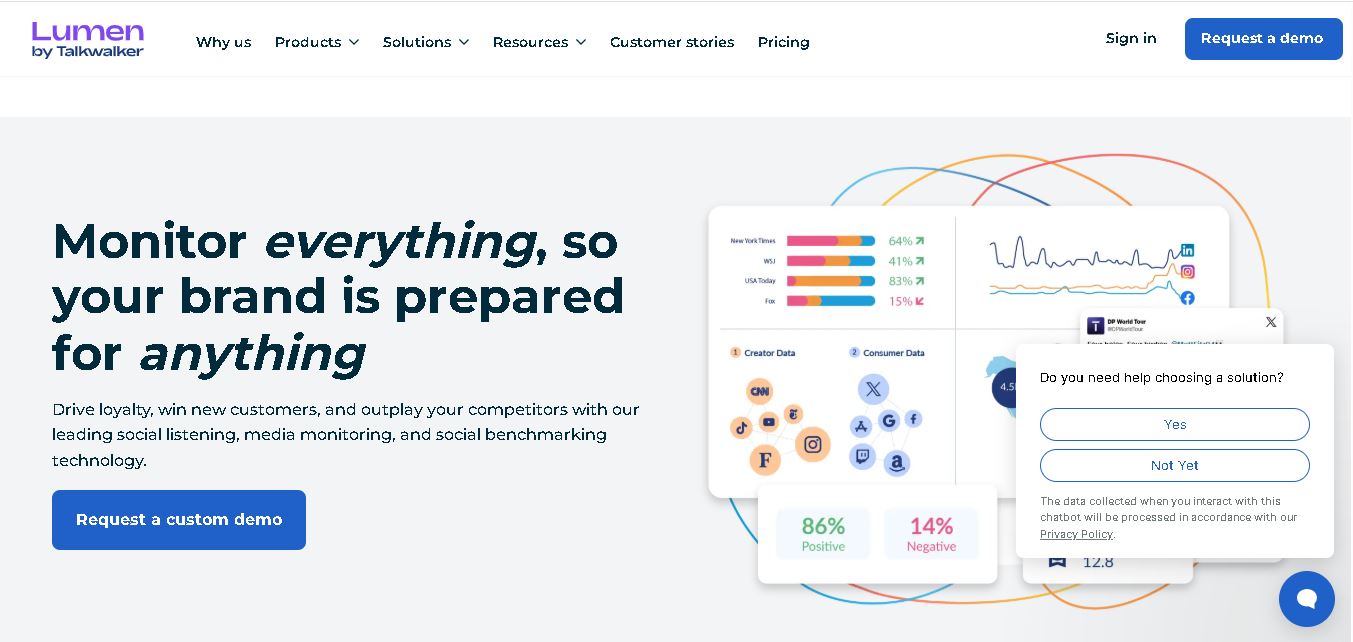
Talkwalker is a consumer intelligence and social listening solution that helps brands track online mentions, analyze audience sentiment, monitor competitors, and discover emerging trends. It combines social media analytics, media monitoring, customer feedback, and AI-powered insights to support marketing, public relations, reputation management, and data-driven business decisions across global markets.
 5.0
5.0AI4K12
AI Agent
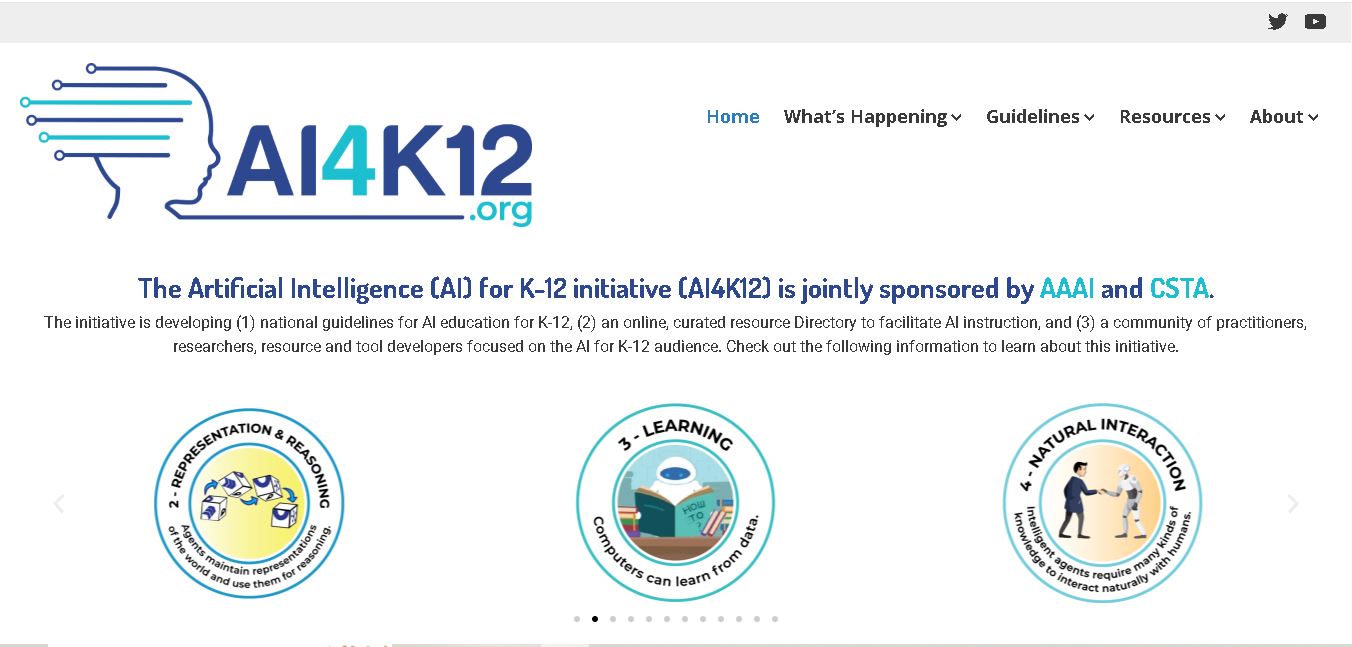
AI4K12 is an educational initiative focused on bringing artificial intelligence into K–12 classrooms. It provides grade-level learning guidelines, curated teaching resources, and the Five Big Ideas framework. Designed for educators and curriculum developers, AI4K12 supports age-appropriate AI instruction and helps students understand how intelligent technologies work and affect society.
Kommunicate
AI Agent
Kommunicate (kommunicate.io) is an AI-powered customer service automation and live chat platform that unites no-code generative AI agents, Kompose chatbot builder, seamless human escalation, voice AI, and omnichannel messaging across WhatsApp, web, and mobile apps.
Text
AI Agent
Text is an AI-powered customer service platform that combines live chat, help desk ticketing, AI agents, and workflow automation. It helps businesses manage customer conversations, automate repetitive support tasks, answer questions, engage website visitors, and turn customer interactions into sales opportunities through a unified communication workspace.
DocsBot AI
AI Agent
DocsBot AI is an AI chatbot and agent platform that turns websites, documents, knowledge bases, and support tickets into conversational assistants. Businesses can use it to automate customer support, answer questions, share internal knowledge, connect workflows, and provide information through website widgets and supported integrations.
SiteGPT AI
AI Agent
SiteGPT is an AI chatbot platform that helps businesses automate customer support using their website content, documents, and knowledge sources. It answers visitor questions, supports lead generation, and integrates into websites, allowing teams to handle repetitive inquiries, improve customer experiences, and provide assistance around the clock.
 4.7
4.7Halcyon
AI Agent
Halcyon is an AI energy intelligence platform that helps professionals search regulatory filings, analyze energy-market information, monitor developments, and access structured datasets. It combines document search, natural-language queries, AI-powered alerts, and specialized data subscriptions to turn fragmented energy information into actionable intelligence for research, monitoring, planning, and faster decision-making.
 4.5
4.5Enhancv
AI Agent
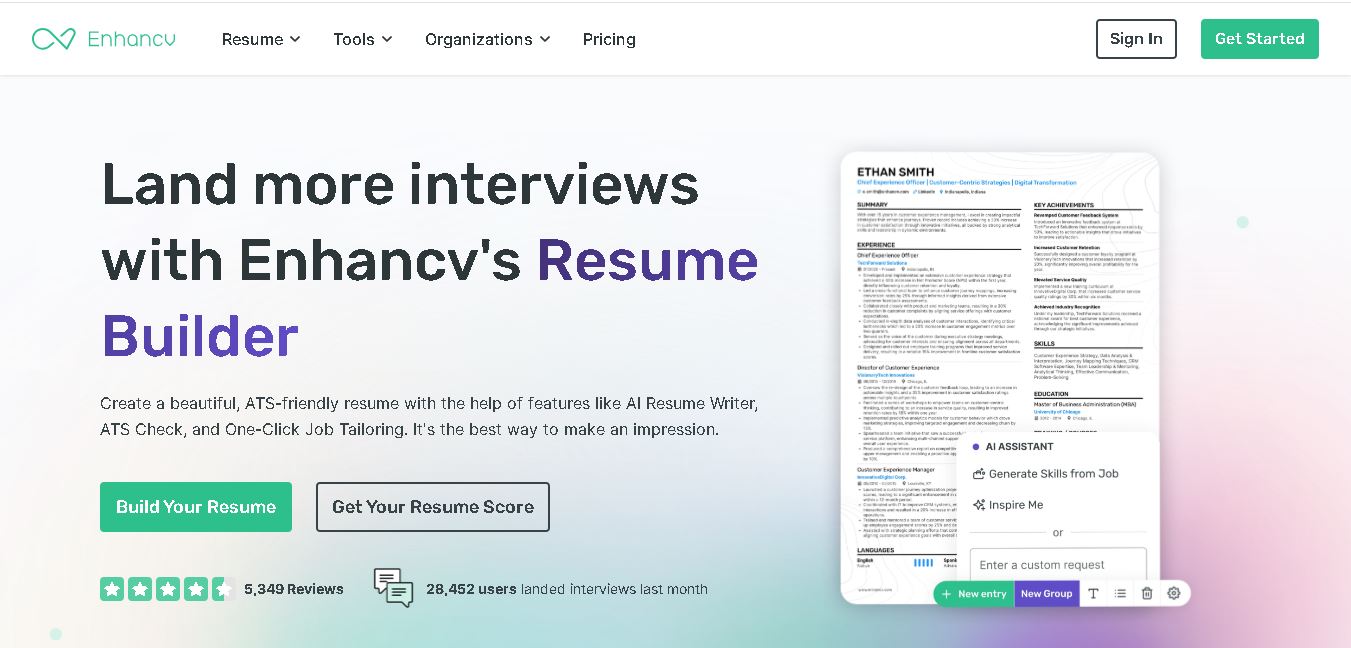
Enhancv helps job seekers build ATS-friendly resumes using customizable templates, AI writing assistance, resume checking, and job-specific tailoring. It also supports cover letters, application tracking, interview preparation, and resume translation. The platform is designed for candidates who want a polished application while keeping control over their experience, wording, and presentation.
 4.9
4.9Domo
AI Agent
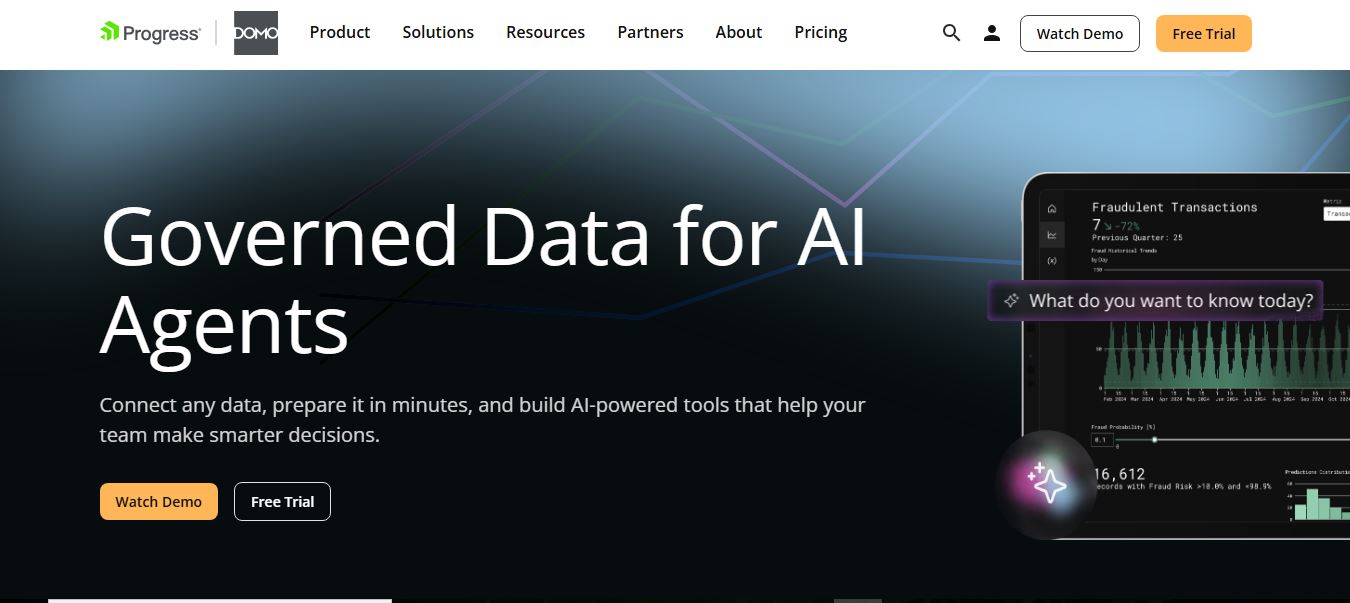
Domo is an AI-powered data and analytics platform that helps businesses connect, visualize, and act on data from multiple sources in one place. It combines dashboards, automation, and AI insights to turn raw data into decisions, enabling teams to monitor performance and drive better outcomes in real time.