
mabl
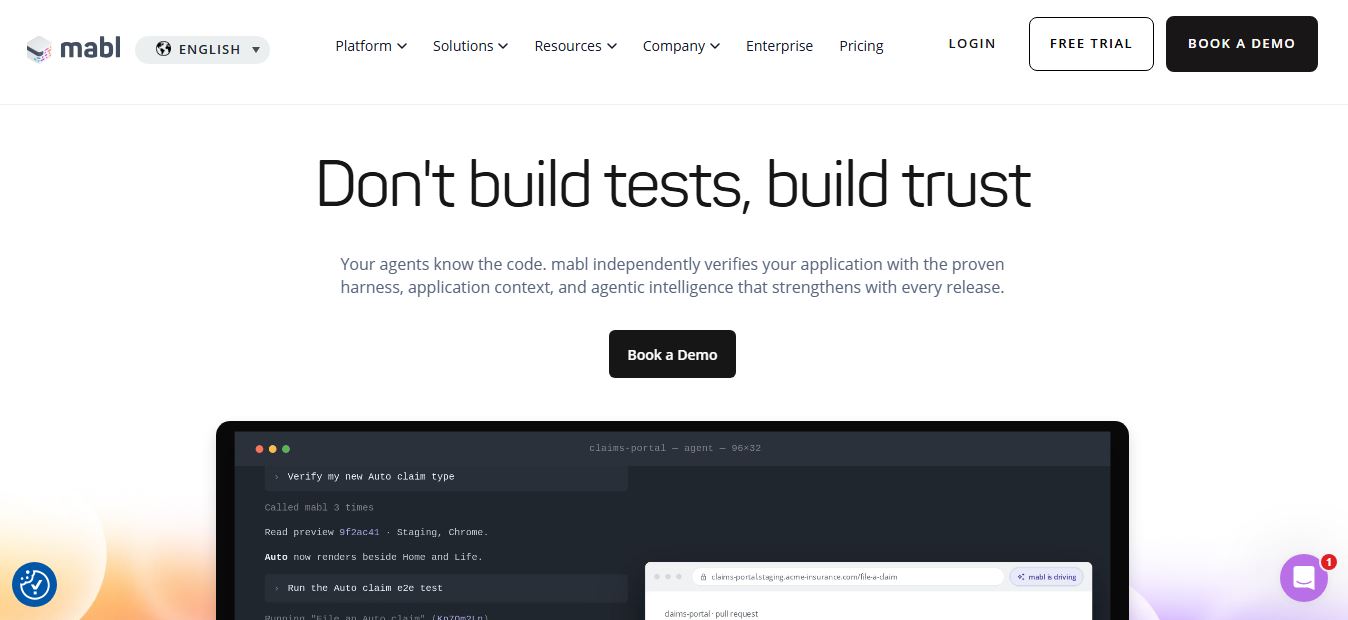
mabl is an AI-powered test automation platform that helps teams create, run, and maintain end-to-end tests for web, mobile, and APIs. It uses AI to generate tests, auto-heal failures, and analyze results, enabling faster releases and reliable software quality without heavy manual QA effort.
What is mabl?
Mabl is an AI-powered test automation platform that helps software teams create, execute, and maintain end-to-end tests for web applications. It uses machine learning to automatically adapt tests as applications change, reducing maintenance effort and improving reliability. The platform supports functional, regression, and performance testing, along with features like visual testing, API testing, and CI/CD integration. Designed for developers and QA teams, Mabl helps accelerate release cycles, improve software quality, and catch bugs earlier in the development process.
Founded in 2016 by former Google and Stackdriver executives Dan Belcher and Izzy Azeri in Boston, Massachusetts, mabl has raised over $76 million in venture funding backed by investors including Google Ventures (GV), Amplify Partners, and CRV. Serving global enterprises and software leaders worldwide (such as Charles Schwab, jetBlue, Smartsheet, and Chewy), mabl operates a scalable cloud test execution engine. The platform combines adaptive auto-healing locators, agentic test runtime recovery, unified API and UI testing, automated accessibility audits (axe-core), performance under load testing, and comprehensive CI/CD pipeline integrations.
- Founders / Leadership: Dan Belcher (Co-founder & CEO) and Izzy Azeri (Co-founder)
- Corporate Entity & Origin: mabl Inc. (Boston, MA, USA & Global; founded in 2016)
- Evolution / Launch: Grown from an early intelligent web testing startup into an enterprise quality engineering cloud featuring native mobile app testing (iOS & Android), agentic failure diagnostics, visual assertions, and automated compliance reporting through 2024–2026
Use Cases:
- Creating and maintaining cross-browser end-to-end web tests (Chrome, Firefox, Safari, Edge) without coding complex test scripts
- Validating complete full-stack workflows by combining UI interactions with backend REST API requests in unified test sequences
- Running automated regression suites concurrently in the cloud across hundreds of browser and OS combinations during CI/CD deployments
- Automating digital accessibility checks against WCAG guidelines and identifying visual UI regressions on new releases
Technology:
- Adaptive auto-healing algorithm collecting dozens of element attributes dynamically to locate UI components even after DOM shifts
- Scalable cloud-native execution container architecture providing high-concurrency parallel test runs without local hardware overhead
- Unified quality data model integrating functional pass/fail telemetry, accessibility diagnostics, page performance metrics, and network activity
Target Users:
- QA automation engineers and SDETs modernizing testing suites and reducing test maintenance burdens
- Software development teams implementing shift-left testing within GitHub Actions, GitLab, and Azure DevOps
- Product managers and business analysts participating in quality verification through low-code and natural language authoring
- Content creators using writing tools to draft technical QA test documentation, product specs, and release roadmaps
Corporate Entity: Operates as mabl Inc. (Boston, MA, USA & Global)

Key features of mabl Testing
mabl's key features are
- Adaptive Auto-Healing: Leverages intelligent element recognition to track UI components across attribute changes, preventing test breakages when layouts update.
- Low-Code & Natural Language Test Creation: Record complex user journeys through the mabl Trainer desktop utility or construct test steps using conversational plain language.
- Unified UI & API Testing: Validate end-to-end data flows by triggering API calls, checking response payloads, and asserting UI state updates in a single scenario.
- High-Concurrency Cloud Execution: Run hundreds of test suites simultaneously in parallel across modern web browsers and mobile devices.
- Automated Accessibility Testing: Built-in accessibility checks powered by axe-core automatically flag WCAG violations during standard test runs.
- Visual Change Detection: Automatically identifies unintended visual shifts, broken layouts, and font irregularities across application deployments.
- Comprehensive CI/CD & Issue Tracking: Native integrations with GitHub, GitLab, Jenkins, Azure DevOps, Jira, Slack, and Microsoft Teams.
- Enterprise Security & Data Governance: SOC 2 Type II certified platform featuring SAML SSO, role-based permissions, secure tunneling, and audit logging.
mabl Pricing
mabl operates on a customized enterprise SaaS model structured around annual contracts and cloud test run volumes, alongside a 14-day full-featured free trial.
14-Day Free Trial:
- $0 / 14-day evaluation
- Includes full access to the mabl platform, mabl Trainer test authoring, unlimited local test runs, cloud execution credits, and guided onboarding
Starter Tier:
- Custom quote pricing (typically high hundreds of dollars / month billed annually)
- Includes web, mobile web, and API testing, cross-browser execution, unlimited local and CI test runs, 500 cloud-run credits/month, and CI/CD integrations
Growth Tier:
- Custom quote pricing (typically low-to-mid four figures / month billed annually)
- Includes everything in Starter plus higher monthly cloud test capacity, adaptive auto-healing, visual change detection, accessibility testing, and performance testing
Enterprise Tier:
- Custom quote pricing for large software organizations
- Includes everything in Growth plus SSO/SAML, custom cloud concurrency, Dedicated Technical Account Manager (TAM), custom SLAs, and mobile app testing add-ons
Disclaimer: Prices are customized based on cloud run concurrency, application count, and feature mix. Local and CI test runs are free and unlimited across tiers. Visit mabl.com/pricing to request a tailored quote.
Who is using mabl?
mabl is designed for software teams and enterprise engineering organizations, including
- Enterprise QA Teams: Modernizing end-to-end regression testing and freeing testers from fragile code-based Selenium maintenance
- Agile Software Developers: Running fast local verification tests before committing PRs to maintain high release velocity
- DevOps & Release Engineers: Embedding autonomous test gates into continuous integration and continuous deployment pipelines
- Compliance & Accessibility Leads: Auditing applications automatically against WCAG accessibility standards on every release
- Content Creators: Using writing tools to draft technical QA test documentation, product specs, and release roadmaps
- E-Commerce & FinTech Platforms: Validating critical checkout, login, and transaction workflows across cross-browser environments
Best mabl Alternatives
Some of the strongest mabl alternatives include
- TestSprite
- Testim
- Playwright
- Cypress
- Testsigma
- Katalon Platform
Pros and Cons of mabl
Pros
- Adaptive auto-healing significantly reduces test flakiness and maintenance overhead caused by frontend UI adjustments
- Unified testing platform covers web, mobile apps, REST APIs, accessibility, and basic performance in one place
- Unlimited local and CI test runs enable engineering teams to shift testing left without burning cloud credits
- Low-code visual recording via the mabl Trainer enables non-technical team members to author complete tests
- Detailed failure dashboards provide step-by-step screenshots, network logs, and DOM snapshots for quick debugging
Cons
- Custom quote pricing with annual commitments makes it less accessible for individual developers or bootstrapped startups
- Native mobile app testing and a dedicated Technical Account Manager (TAM) are sold as separate add-ons
- Requires an initial onboarding and setup investment to organize environments, test plans, and CI/CD hooks properly
- Lacks native Model Context Protocol (MCP) server integration for inline AI IDE debugging found in tools like TestSprite
Why Choose mabl?
mabl is the premier choice for scaling software teams and enterprise quality engineering organizations that need a reliable, low-code test automation cloud with adaptive auto-healing, unified API validation, and unlimited local test execution.
- Reduce test maintenance by up to 80% using adaptive auto-healing locators
- Author full-stack tests across web, mobile, and APIs with low-code simplicity
- Execute unlimited local and CI test runs without extra credit charges
- Audit web accessibility and visual regressions automatically during standard runs
- Integrate seamlessly with Jira, GitHub, Slack, and modern CI/CD deployment stacks
mabl vs. Competitors
The main difference between mabl, TestSprite, Testim, and Playwright is that mabl is an enterprise low-code quality engineering platform combining cross-browser UI, API, accessibility, and visual testing with adaptive auto-healing and unlimited local runs, whereas TestSprite functions as an autonomous testing agent executing in cloud sandboxes via MCP for AI-first developers, Testim specializes in smart locator testing within Tricentis’s enterprise ecosystem, and Playwright is a free open-source framework requiring developers to write and maintain test code manually. mabl stands out for its all-in-one low-code test coverage, accessibility automation, and mature enterprise integrations.
| Feature / Tool | mabl (mabl.com) | TestSprite | Testim (Tricentis) | Playwright |
|---|---|---|---|---|
| Core Focus | Enterprise Low-Code Quality Engineering Cloud | Autonomous AI Testing Agent & MCP | AI Smart Locator & Salesforce Testing | Open-Source Code-Based Test Automation |
| Authoring Method | Low-Code Trainer & Natural Language | Autonomous Prompt / Agent Loop | Low-Code Visual Recorder | Code Scripts (TypeScript, Python) |
| Auto-Healing | Yes (Adaptive Multi-Attribute AI) | Yes (Logic & Behavior-Driven) | Yes (Smart Locators) | No (Manual Locator Maintenance) |
| Accessibility Testing | Yes (Built-in axe-core Audits) | Basic assertions | Limited add-on | Via external npm plugins |
| Starting Price | 14-day trial / Custom annual quote | Free tier / Starter $19.00/mo | Free tier / Custom quote | 100% Free Open Source |
| Best For | Mid-Market to Enterprise QA Teams | AI-First Developers & Cursor Workflows | Enterprise Test Teams & Web Apps | Engineers Writing Custom Test Scripts |
How do we rate mabl?
| Parameter | Rating (out of 5) |
|---|---|
| Test Authoring Usability & Low-Code Speed | 4.9 |
| Adaptive Auto-Healing & Flakiness Reduction | 4.9 |
| Full-Stack Testing (UI, API & Accessibility) | 5.0 |
| CI/CD Integrations & Cloud Concurrency | 5.0 |
| Value for Money | 4.7 |
| Overall Score | 4.90 |
mabl Review
mabl provides a proven solution to the continuous maintenance overhead that has long challenged software quality assurance teams. In conventional automation setups, minor adjustments to a class name or element ID frequently break entire test suites, forcing SDETs into endless maintenance cycles. mabl addresses this by using multi-attribute adaptive auto-healing, observing application behavior, and adjusting locators in real time. Its strength lies in its unified approach to quality: rather than operating separate tools for browser checks, API tests, accessibility evaluations, and performance scans, QA engineers can validate entire workflows inside a single platform. For engineering organizations seeking to scale automated coverage while maintaining high deployment frequency, mabl is a capable quality engineering platform.
Conclusion
mabl is an established enterprise AI-native test automation platform that modernizes how software organizations ensure digital quality. By combining low-code authoring via the mabl Trainer, adaptive auto-healing, unified UI and API validation, automated accessibility checks, and high-concurrency cloud execution into an enterprise-ready testing cloud, it bridges the gap between fast development and software reliability. While individual solo coders using AI IDEs may prefer lightweight autonomous agents like TestSprite, mabl’s platform maturity, cross-browser scalability, and comprehensive enterprise governance make it an essential quality platform.
FAQ
What is mabl and how does mabl work?
mabl is an AI-powered test automation platform designed to help teams create, run, and maintain end-to-end tests for web applications. It works by allowing users to record user journeys or define workflows, after which mabl uses machine learning to generate test steps, execute them in the cloud, and automatically adapt tests as the application changes. This reduces manual scripting and keeps tests stable over time.
What problem does mabl solve for users?
mabl solves the problem of brittle and time-consuming test automation. Traditional testing tools require constant maintenance when UI or workflows change, leading to broken tests and delays. mabl uses AI to auto-heal tests and adapt to changes, helping teams maintain reliable test coverage with less effort.
What are the key features of mabl?
mabl offers features like automated UI and API testing, intelligent test creation, auto-healing tests, visual regression testing, and performance monitoring. It also includes scheduling, reporting dashboards, and integrations with CI/CD tools, making it a complete solution for continuous testing.
Can mabl generate and maintain test cases automatically?
Yes, mabl can generate test cases based on recorded user interactions and then maintain them automatically using AI. When elements in the application change, mabl adjusts the test steps instead of breaking, reducing the need for manual updates and ensuring tests remain reliable.
Does mabl require coding or technical expertise?
mabl is designed to be low-code, allowing non-developers to create and manage tests using a visual interface. However, it also provides advanced options for developers to customize tests, making it flexible for both technical and non-technical teams.
How does mabl pricing work?
mabl typically uses a subscription-based pricing model tailored to team size, number of tests, and usage requirements. Pricing is often customized for organizations, with enterprise plans offering advanced features, integrations, and dedicated support.
Can mabl integrate with CI/CD pipelines?
Yes, mabl integrates with popular CI/CD tools like Jenkins, GitHub Actions, and others, allowing automated tests to run as part of the development pipeline. This ensures that issues are caught early and deployments remain stable.
Who should use mabl?
mabl is ideal for QA teams, developers, product teams, and organizations that want to automate testing and improve software quality. It is especially useful for teams practicing agile development and continuous delivery.
User Reviews
No reviews yet for mabl.
Featured Tools
Featured AI tools from TechShark
Melody Genie
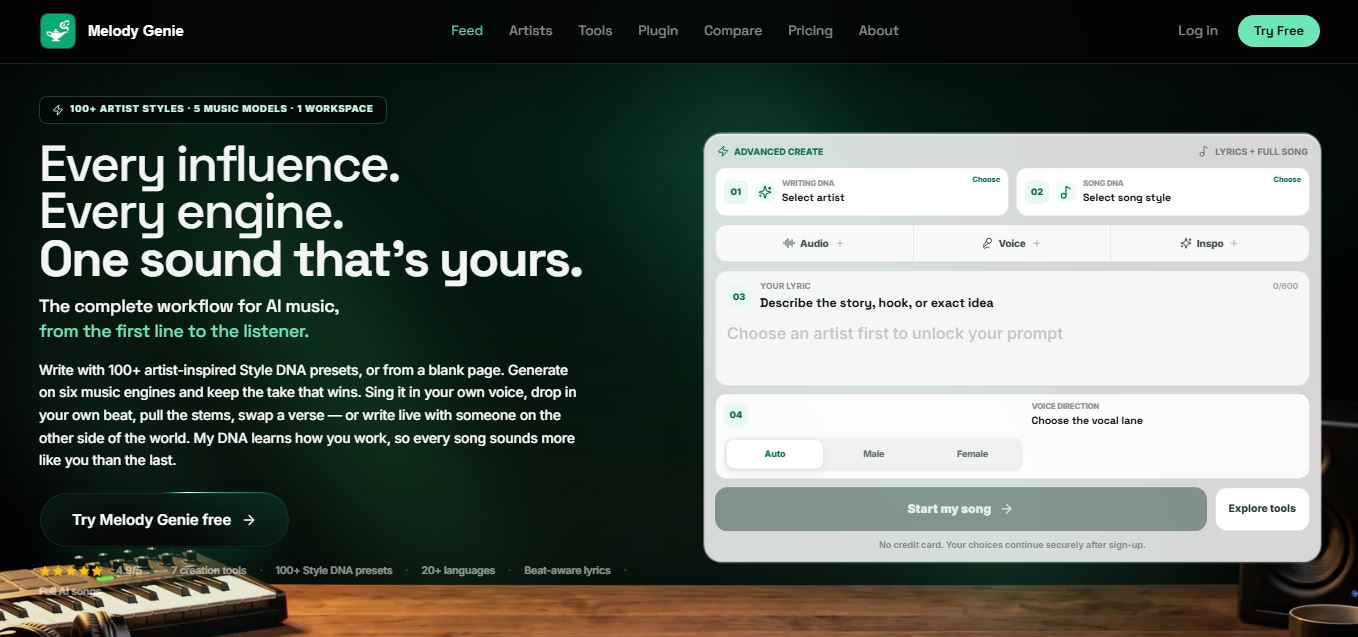
MelodyGenie is an AI-powered music generator that creates original songs from simple text prompts. Users can choose styles, moods, and genres, then instantly generate melodies and full tracks, making it easy for creators, marketers, and hobbyists to produce custom music without musical expertise.
Freemium
Kimi AI
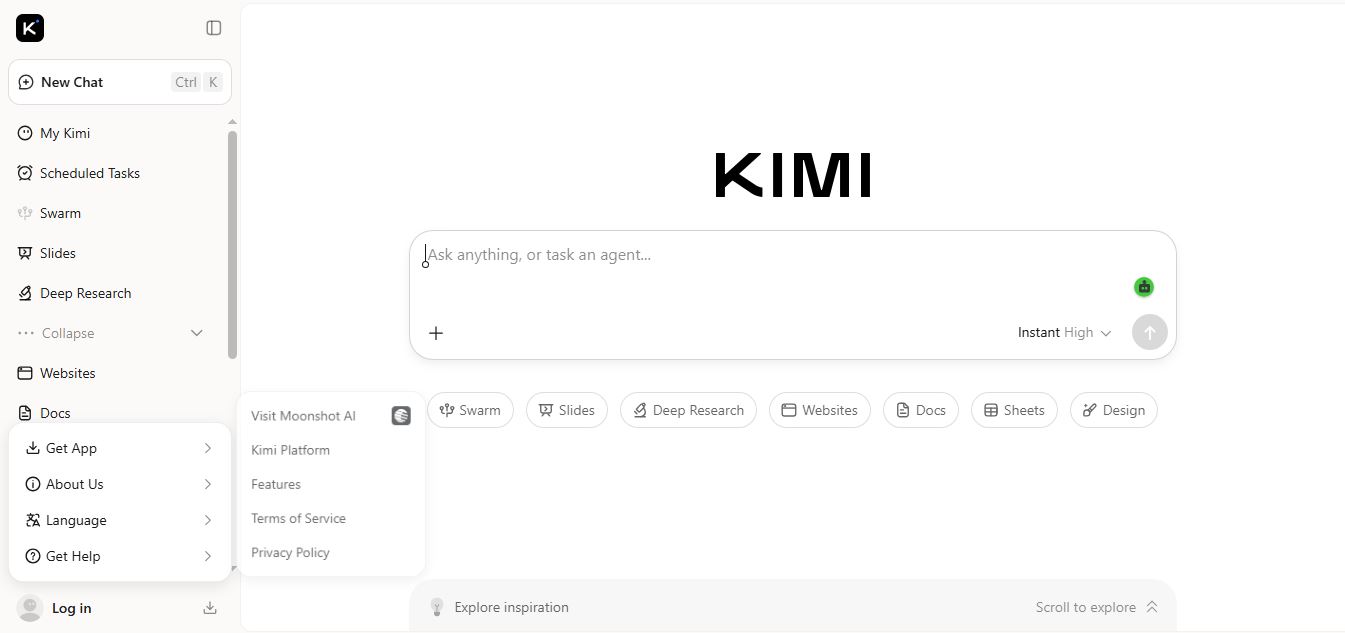
Kimi AI is an advanced AI assistant developed by Moonshot AI that helps you chat, research, write, code, and automate tasks in one place. It supports web search, file analysis, and multimodal inputs, and can even run autonomous “agent” workflows to complete complex tasks end-to-end.
Freemium

Fashion Diffusion AI
Fashion Diffusion is an AI-powered fashion design platform that helps brands and designers create clothing designs, virtual try-ons, AI models, product photos, and marketing visuals faster and cost-effectively.
Paid
Veo 4
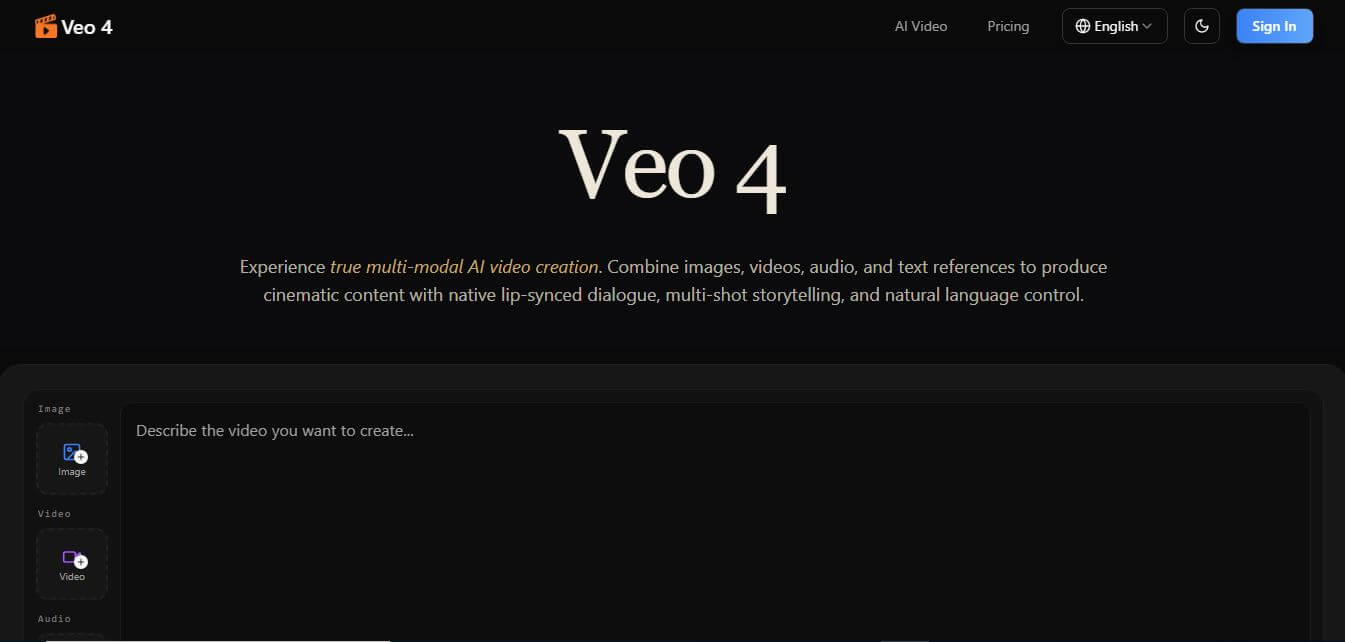
Veo 4 AI is an AI video creation platform that generates dramatic videos from text, images, audio, and video prompts using realistic motion and synchronized sound.
Paid
Alternatives
Alternatives to mabl
The best mabl alternatives include TestSprite, Testim (Tricentis), Playwright, Cypress, Testsigma, and Katalon Platform. These platforms provide software test generation, automated regression testing, and quality engineering workflows. While mabl specializes in an enterprise low-code testing cloud combining web, mobile, API, and accessibility validation with adaptive auto-healing and unlimited local test runs, alternatives like TestSprite operate as autonomous AI testing agents running in ephemeral sandboxes with native Model Context Protocol (MCP) IDE integration, and Playwright is a popular open-source framework requiring manual code script authoring. Choosing the right tool depends on whether you require an all-in-one enterprise low-code quality platform, an autonomous AI agent for IDE workflows, or a developer-driven open-source code framework.
 4.9
4.9Testomat.io
Testing
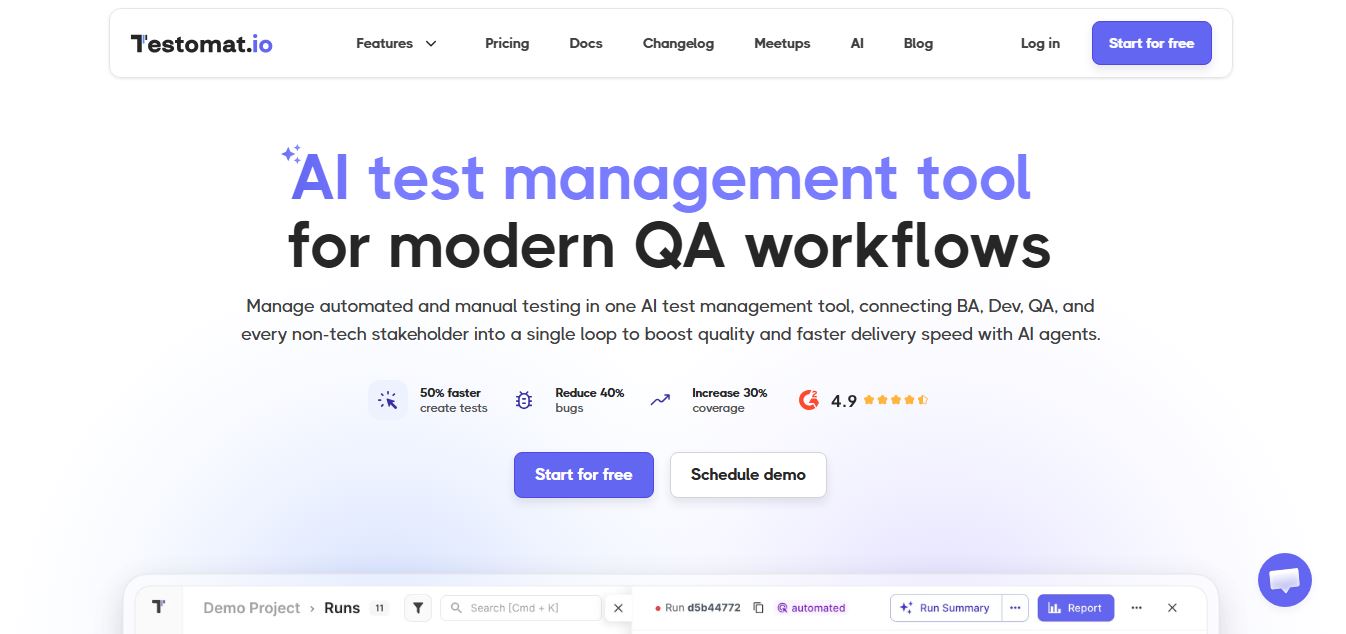
Testomat.io is an AI-powered test management platform that helps teams create, organize, and run manual and automated tests in one place. It uses AI agents to generate test cases, analyze failures, and provide real-time insights, enabling faster releases and more reliable software quality.
 4.9
4.9Momentic AI
Testing
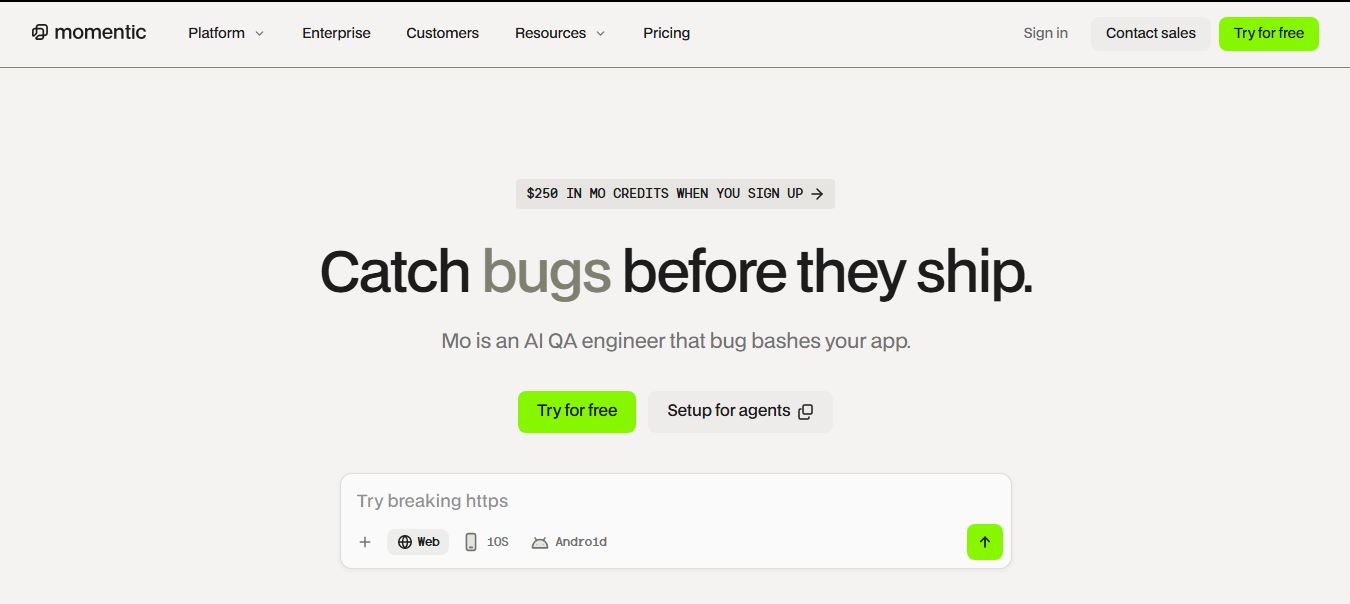
Momentic is an AI-powered test automation platform that helps teams create, run, and maintain end-to-end tests for web and mobile apps using plain English. Its AI agents simulate user behavior, auto-heal tests, and detect real bugs, enabling faster releases and more reliable software.
 4.9
4.9BrowserStack
Testing
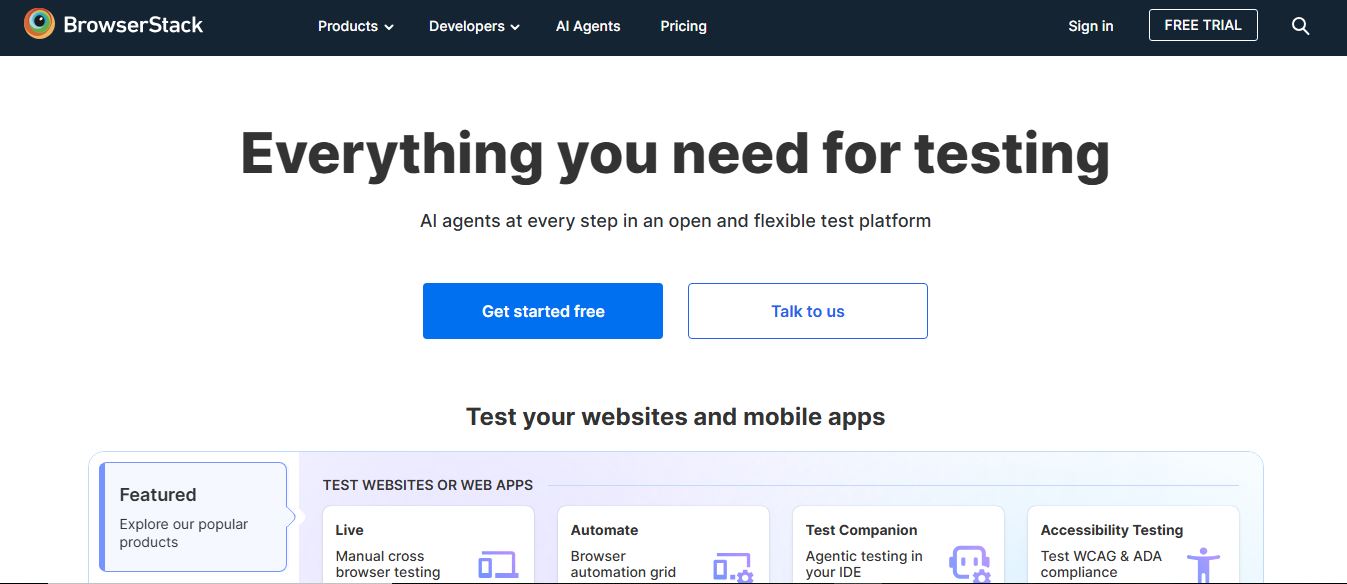
BrowserStack is a cloud-based testing platform that helps developers test websites and mobile apps across real devices, browsers, and operating systems. It offers manual and automated testing, real-time debugging, and AI-driven insights, enabling teams to release high-quality, bug-free software faster.
 4.9
4.9Katalon
Testing
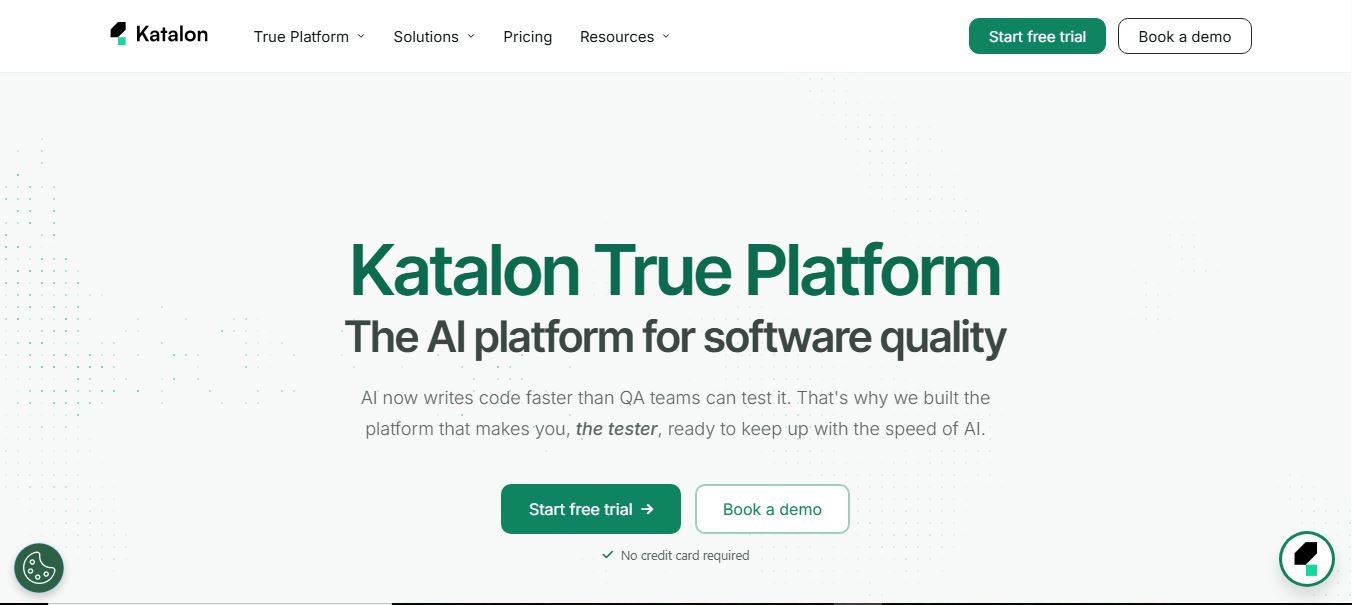
Katalon is an AI-powered software testing platform that helps teams create, run, and manage tests for web, mobile, API, and desktop applications. It unifies test automation, execution, and analytics in one system, using AI to generate tests, heal failures, and improve release quality.
 4.9
4.9Testsigma
Testing
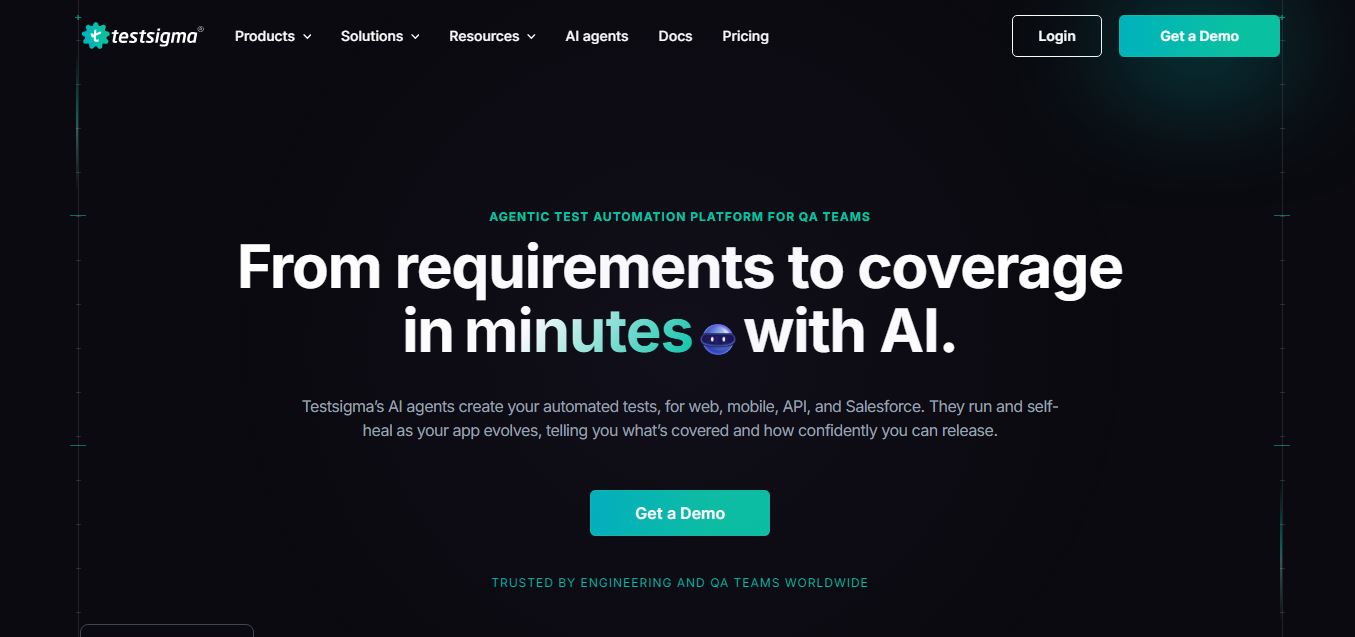
Testsigma is an AI-powered test automation platform that helps teams generate, run, and maintain end-to-end tests for web, mobile, APIs, and enterprise apps. It uses AI agents to create tests, self-heal failures, and analyze results, enabling faster releases and reliable software quality.
 4.9
4.9Cypress
Testing
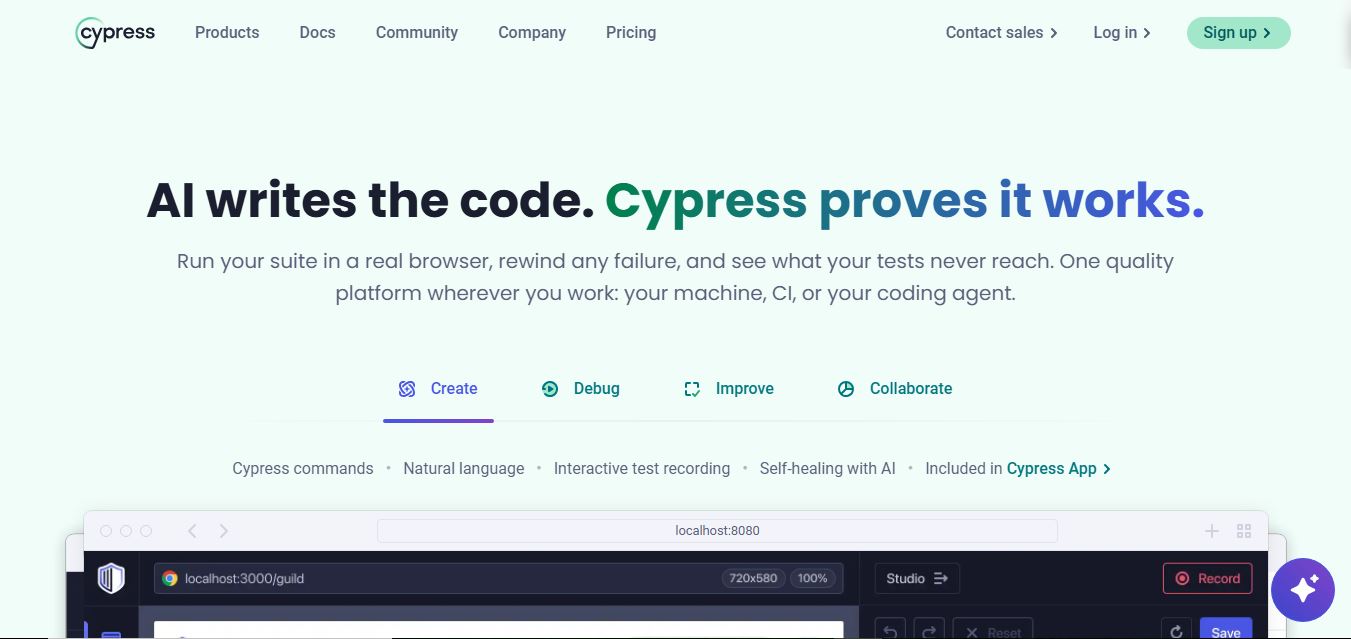
Cypress is an open-source end-to-end testing framework that helps developers test web applications directly in the browser. It enables writing, running, and debugging tests in real time, supports component testing, and integrates with CI pipelines, allowing teams to catch issues early and ship reliable software faster.
 4.9
4.9Playwright
Testing
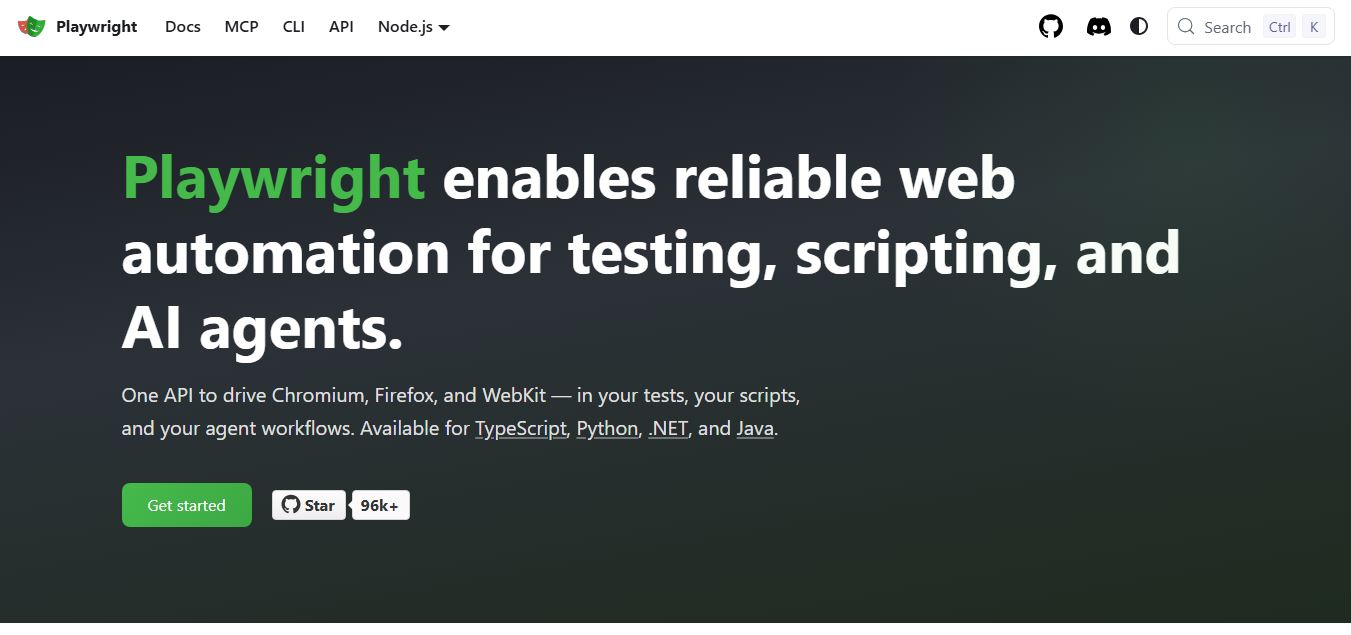
Playwright is an open-source web testing and automation framework by Microsoft that helps developers test web apps across Chromium, Firefox, and WebKit using a single API. It supports end-to-end testing, parallel execution, and auto-waiting, enabling reliable, fast, and scalable testing across modern browsers.
 4.9
4.9Testim
Testing
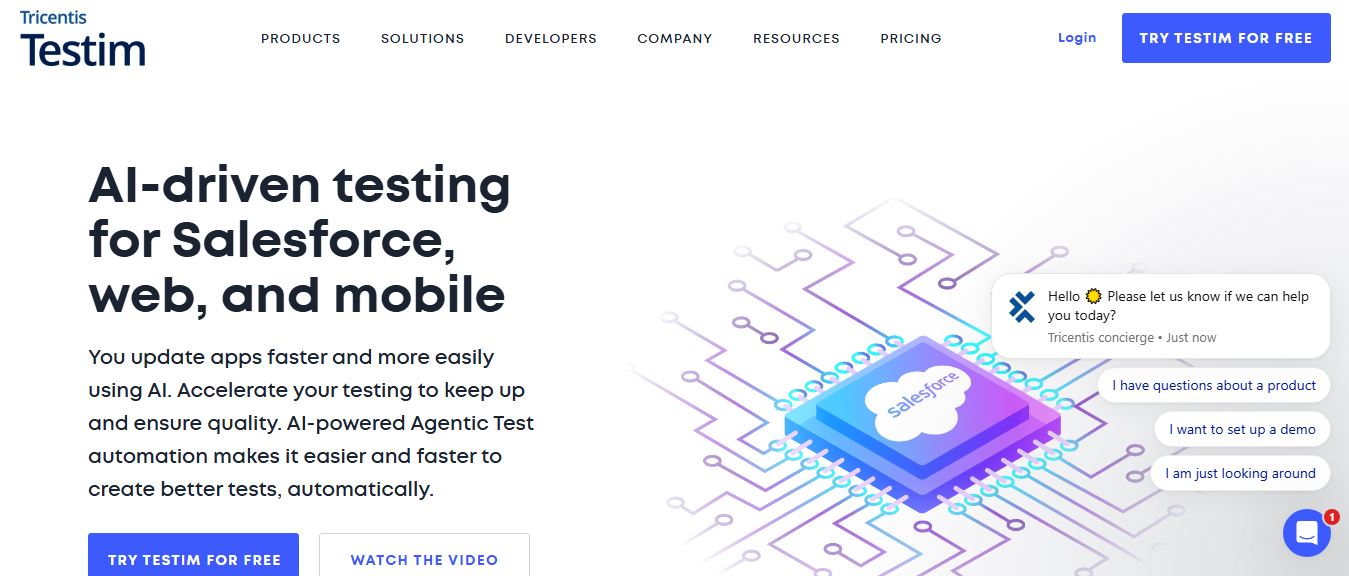
Testim is an AI-powered test automation platform that helps teams create, run, and maintain end-to-end tests for web, mobile, and Salesforce apps. It uses machine learning to generate stable tests, self-heal failures, and integrate with CI/CD, enabling faster releases and improved software quality.
 4.9
4.9TestSprite
Testing
TestSprite is an AI-powered software testing agent that helps developers automatically generate, run, and fix end-to-end tests for web apps. It simulates real user behavior, detects issues, and provides root-cause insights with suggested fixes, enabling faster releases and more reliable software without manual QA effort.