
BrickCenter
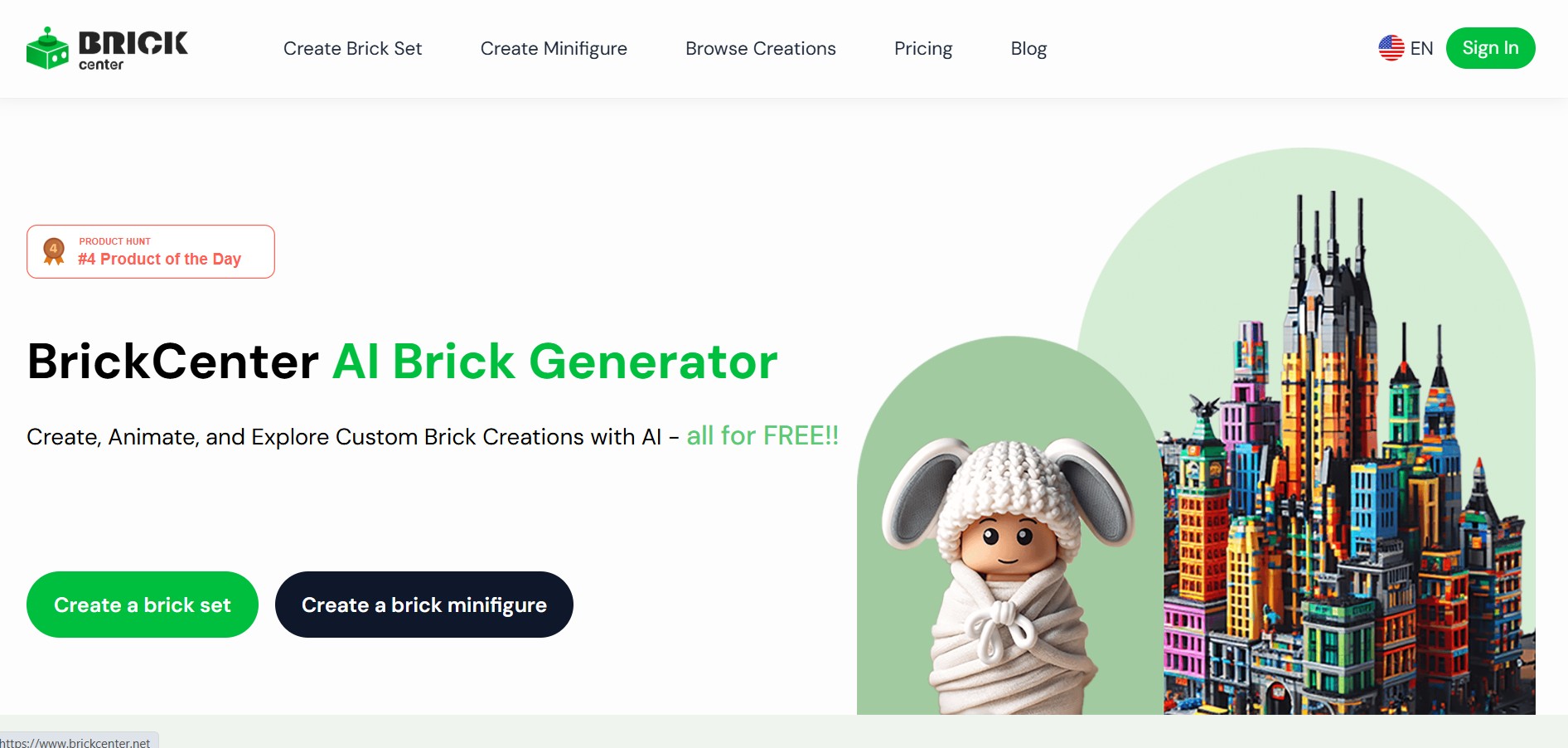
BrickCenter is an AI-powered creative design platform that allows users to generate custom LEGO-style brick sets from text descriptions and create unique brick minifigures from image uploads. The web application simplifies digital prototyping, spatial building design, and custom concept generation for hobbyists and brick enthusiasts.
What is BrickCenter?
BrickCenter is an AI-powered creative platform that lets you design custom brick (LEGO-style) models using simple text or images. You can describe a concept—like a car, character, or scene—and it automatically generates detailed brick set designs or even minifigures. It also supports features like high-quality image output and short animations, making it useful for hobbyists, designers, and creators who want to prototype or visualize ideas quickly.
BrickCenter is an AI-powered creative platform that lets users design custom brick (LEGO-style) sets, minifigures, and animations using simple text prompts or images. It allows users to generate up to 3 free designs, with premium plans unlocking unlimited creation and advanced features. The platform supports high-resolution outputs and ~5-second animations, and attracts around 2K–3.7K monthly visits with ~46 seconds average session time. Built as a lightweight web tool, it enables rapid concept creation in seconds instead of hours, making it popular among hobbyists, designers, and creators exploring AI-driven toy design.
- Platform Type: AI-Powered Brick & Minifigure Design Tool
- Core Tech: Generative AI Text-to-Brick Model Synthesis + Image-to-Minifigure Conversion Engine
Use Cases:
- Generating custom LEGO-style brick sets, vehicles, and architectural structures from text prompts
- Creating personalized digital brick minifigures from uploaded reference photos
- Prototyping creative brick builds in a digital environment before committing to physical pieces
Technology:
- AI text-to-design processing pipeline built to understand spatial block logic
- Image recognition tool mapping characters and portraits into brick minifigure layouts
- Interactive 3D visualization interface for rotating and inspecting generated models
Target Users:
- LEGO Fans & Brick Hobbyists
- Independent Designers & Concept Prototypers
- Creators Seeking Custom Digital Toy Concepts
Acquisition: Freemium Web Platform (free trial designs + paid subscription tiers)
Key features of BrickCenter
BrickCenter's key features are
- AI Text-to-Brick Generation: Transforms descriptive text inputs (such as specific cars, buildings, or art pieces) into detailed brick models.
- Image-to-Minifigure Creation: Converts user photos and character images into custom digital brick minifigures.
- Interactive 3D Viewing: Allows users to inspect, rotate, and examine their generated brick creations from multiple angles.
- Digital Prototyping: Eliminates physical trial-and-error by letting builders test concepts entirely online.
BrickCenter Pricing
BrickCenter operates on a freemium access model.
Access Model:
- Free trial allowing users to generate up to 3 initial designs.
- Paid subscription plans unlocking unlimited design generations and advanced features.
Who is using BrickCenter?
BrickCenter is utilized by creative communities, including
- Brick Builders: Visualizing custom MOCs (My Own Creation) concepts rapidly
- Collectors & Hobbyists: Designing personalized minifigures of themselves or favorite characters
- Digital Artists: Experimenting with block-based aesthetic styles
Best BrickCenter Alternatives
Some alternative digital brick-and-mortar modeling tools include
- BrickLink Studio
- LDraw / Lego Digital Designer
- Artbreeder
- Blockade Labs Skybox AI
Pros and Cons of BrickCenter
Pros
- Incredibly fun and intuitive way to turn text ideas into brick concepts
- Unique photo-to-minifigure conversion capability
- Interactive 3D rendering for easy inspection of builds
Cons
- The free tier is limited to a small number of test generations
- AI-generated layouts may require manual interpretation if translated into physical brick parts lists
Why Choose BrickCenter?
BrickCenter merges the timeless appeal of brick building with modern generative AI. Whether you want to generate a wild custom vehicle or turn a portrait into a minifigure, it provides a fast and imaginative sandbox.
- Generate custom brick sets using simple text prompts
- Create unique personalized minifigures from photos
- Explore designs in an interactive 3D browser environment
How do we rate BrickCenter?
| Parameter | Rating (out of 5) |
|---|---|
| Concept & Creativity | 4.7 |
| Ease of Use | 4.8 |
| 3D Visualization & Generation | 4.5 |
| Value (Free Tier & Pricing) | 4.4 |
| Overall Score | 4.60 |
Conclusion
BrickCenter makes creating custom LEGO builds more accessible by helping users design, explore, and share unique models. Instead of starting from scratch, it offers inspiration and tools to generate creative builds more efficiently. This is especially useful for hobbyists and builders looking to experiment with new ideas. Overall, BrickCenter enhances the building experience, helping users turn imagination into detailed LEGO creations while making the process more fun and engaging.
FAQ
What is BrickCenter?
BrickCenter is an AI-powered platform that creates custom brick sets from text descriptions and generates brick-style minifigures from uploaded images. Users can create designs for vehicles, buildings, artwork, toys, and other creative concepts using simple prompts.
How does BrickCenter work?
BrickCenter lets users describe the brick set they want, including colors, shapes, and themes. The AI generates an image based on the description, which users can review and regenerate. Users can then animate the finished design with an additional animation prompt.
Can BrickCenter create custom minifigures?
Yes. BrickCenter can generate unique brick-style minifigures from uploaded images. This allows users to transform people, characters, or other visual references into customized minifigure designs using its AI generation system.
Can I animate BrickCenter creations?
Yes. After generating a brick set or minifigure, users can click the Animate option and provide a prompt describing the desired movement or scene. BrickCenter can create a short 5-second animation that can be downloaded or shared.
Is BrickCenter free to use?
BrickCenter offers free access to its basic AI brick generator, allowing users to create up to three designs. Users can subscribe afterward for additional generations and access to more features through the platform's paid options.
Can I download BrickCenter designs?
Yes. Generated brick sets and minifigures can be downloaded as high-resolution images or 3D model files. Animated creations can also be downloaded as MP4 video files, making them suitable for sharing or further creative use.
Can BrickCenter designs be used commercially?
Commercial use may require a commercial license. BrickCenter recommends contacting the platform for specific licensing information if you intend to sell or use generated brick designs for profit. Users are also advised to avoid directly copying copyrighted characters or designs.
User Reviews
No reviews yet for BrickCenter.
Featured Tools
Featured AI tools from TechShark
Melody Genie
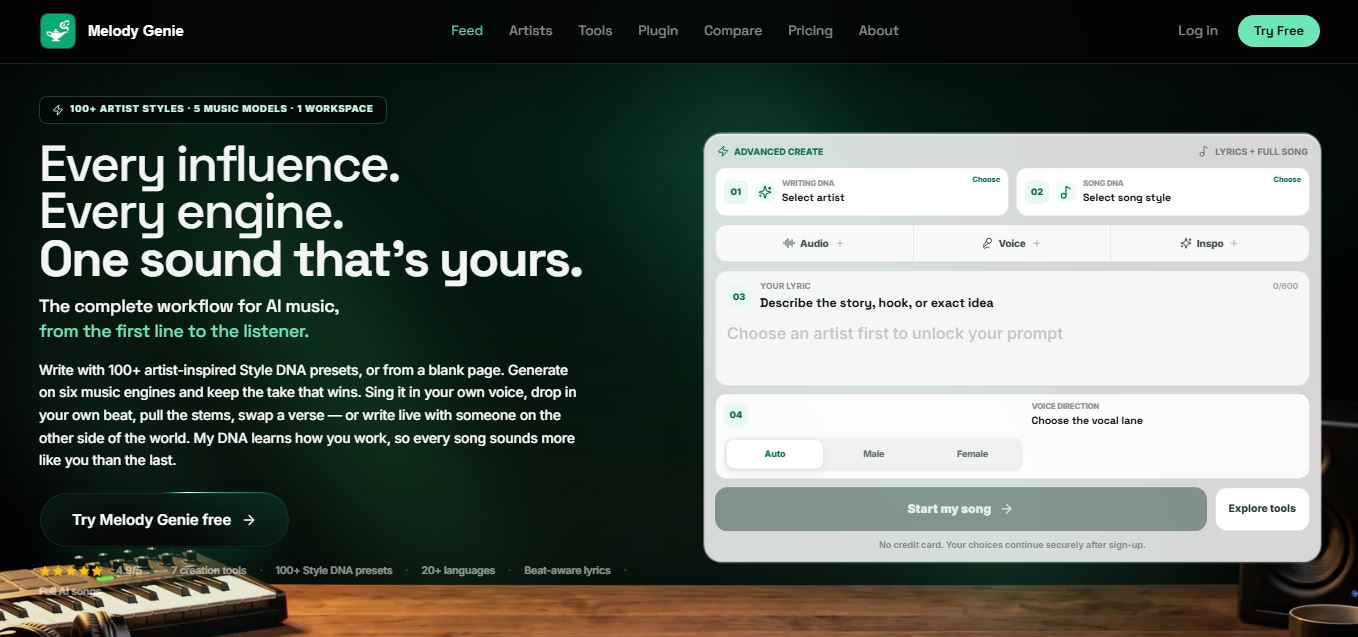
MelodyGenie is an AI-powered music generator that creates original songs from simple text prompts. Users can choose styles, moods, and genres, then instantly generate melodies and full tracks, making it easy for creators, marketers, and hobbyists to produce custom music without musical expertise.
Freemium
Kimi AI
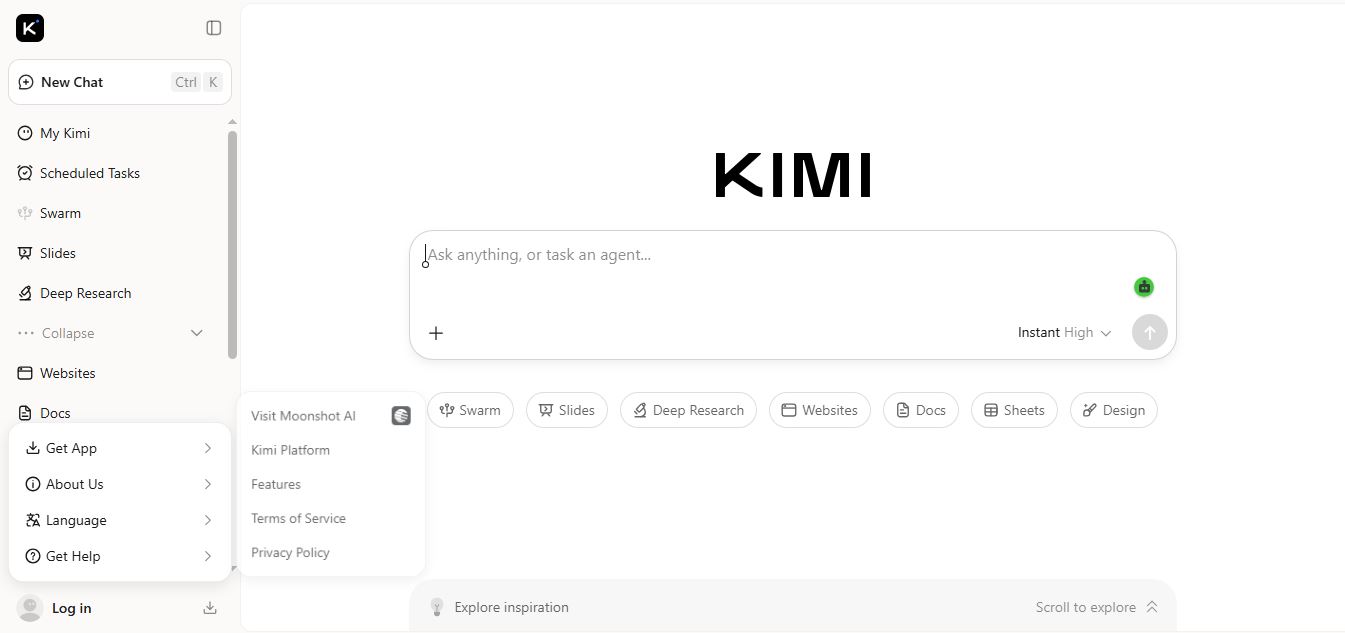
Kimi AI is an advanced AI assistant developed by Moonshot AI that helps you chat, research, write, code, and automate tasks in one place. It supports web search, file analysis, and multimodal inputs, and can even run autonomous “agent” workflows to complete complex tasks end-to-end.
Freemium

Fashion Diffusion AI
Fashion Diffusion is an AI-powered fashion design platform that helps brands and designers create clothing designs, virtual try-ons, AI models, product photos, and marketing visuals faster and cost-effectively.
Paid
Veo 4
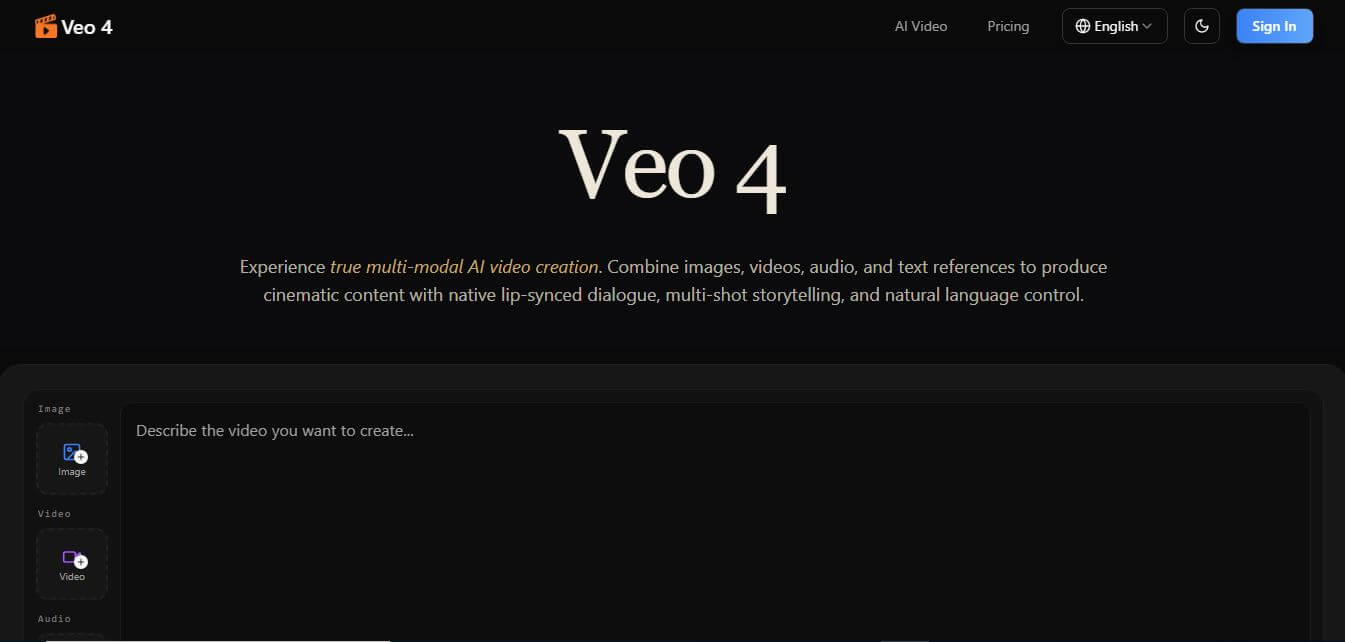
Veo 4 AI is an AI video creation platform that generates dramatic videos from text, images, audio, and video prompts using realistic motion and synchronized sound.
Paid
Alternatives
Alternatives to BrickCenter
The best BrickCenter alternatives include Meshy AI, Leonardo AI, and Midjourney. While BrickCenter focuses on generating LEGO-style brick sets and minifigures from text or images using AI , alternatives like Midjourney and Leonardo AI specialize in high-quality image generation and creative design outputs. These tools offer more flexibility in styles, realism, and artistic control, making them better suited for creators who want broader visual content beyond structured brick-based designs.
 4.8
4.8MGAI (Message Game AI)
Gaming
MGAI is an AI wingman for online dating conversations, helping users create better messages, ask engaging questions, develop date ideas, and move conversations forward. Created by dating expert Ice White, it also provides access to The Message Game book, Tinder Profile Checklist, community support, and live coaching through its membership.
AI or Human
Gaming
AI or Human is an interactive browser game that challenges you to identify whether images or text were created by AI or humans. You make your choice for each example, review your performance, and learn why recognizing synthetic media can be difficult. It works without requiring users to upload their own files or use technical detection software for everyday users.
LitRPG Adventures
Gaming
LitRPG Adventures is an AI-powered platform that helps gamers, writers, and creators generate detailed RPG content like character backstories, quests, and worlds. It offers multiple generators and a large content library, making it easy to build immersive tabletop or fantasy stories quickly.
SportBot AI
Gaming
SportBot AI is an advanced AI-powered sports analytics and value-detection platform designed to help sports enthusiasts and bettors understand probabilities, risk, and market inefficiencies. Rather than offering guaranteed tips, it aggregates real-time data across soccer, basketball, American football, hockey, and tennis, using machine learning algorithms to scan bookmaker odds and uncover statistical edges.
Noctie AI
Gaming
Noctie AI is an advanced, human-like AI chess trainer and virtual sparring partner designed to help players of all skill levels improve. Unlike traditional chess engines (such as Stockfish) that rely on brute-force calculation, Noctie is trained on over a billion human games to emulate human intuition, opening choices, and natural mistakes from beginner to super-GM level (~2800 Elo). It features real-time color-coded move evaluations, custom opening practice, and personalized puzzle generation based on your mistakes.
 4.7
4.7Hexagram
Gaming
Hexagram is an interactive development studio and technology platform that leverages artificial intelligence and cloud services to build dynamic, ever-evolving virtual worlds and cross-platform entertainment experiences. Known for pioneering immersive narrative campaigns, augmented reality (AR) activations, and responsive AI characters for major global brands.
RoFT
AI-Detection
RoFT (Real or Fake Text) is an interactive, gamified research project and web application that challenges users to test their ability to distinguish between human-written text and machine-generated content. Featuring diverse content categories like short stories, news articles, recipes, and speeches, the platform focuses on 'Boundary Detection' to help users identify the exact moment an artificial intelligence takes over writing.
AuxWorld
Gaming
AuxWorld is a prompt-to-world generative AI platform developed by Auxuman Inc. that allows users to create, explore, and remix fully interactive 3D multiplayer universes from simple text descriptions in under 30 seconds. Featuring drop-in multiplayer support, custom physics, procedural soundtracks, and a remix economy akin to GitHub forks, it enables anyone to build and share playable virtual spaces.
AI Game Master
Gaming
AI Game Master is an immersive, AI-powered text adventure and Dungeon RPG platform inspired by Dungeons & Dragons. Utilizing advanced generative language models, it acts as an infinite, dynamic Dungeon Master that reacts in real time to player choices, weaving branching storylines, combat encounters, and open-ended fantasy worlds entirely through text.