
Air AI
Air AI is an autonomous AI voice agent platform designed to perform 10 to 40+ minute human-like phone calls for sales, customer support, and appointment scheduling with deep context memory and CRM integrations.
What is Air AI?
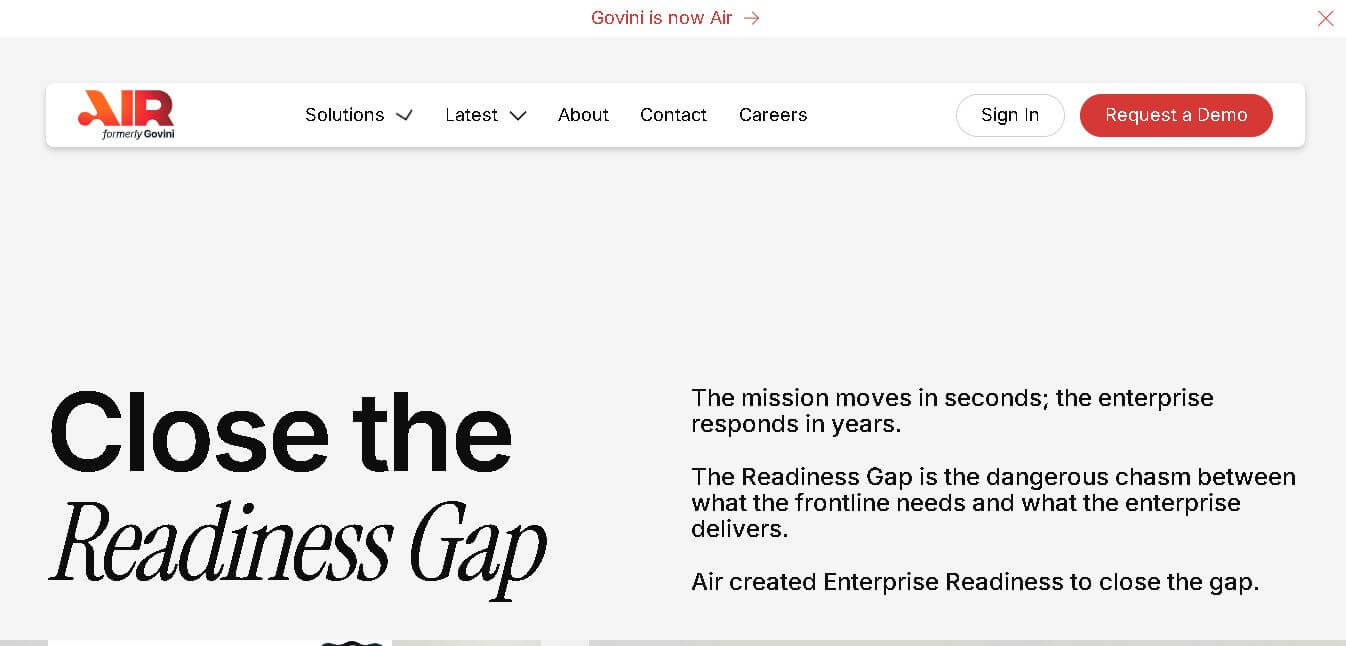
Air is an enterprise readiness system designed to help national security organizations understand operational constraints, coordinate resources, and improve mission readiness. It connects commercial data, enterprise systems, and operational information into a shared Readiness Graph, and then uses AI-driven orchestration to identify risks, prioritize recommendations, and coordinate workflows. Air organizes its capabilities across activation, orchestration, and execution layers, supporting areas such as acquisition, production, supply chain, sustainment, maintenance, repair, overhaul, and logistics. Its approach is designed for organizations that need faster, more connected decision-making across complex defense and government environments.
Air focuses on enterprise readiness for national security organizations, combining data integration, AI orchestration, and execution workflows. Its platform has 3 layers: activation, orchestration, and execution. Air reports 80% faster materiel release, 5x faster vendor due diligence, and a 99.6% reduction in part identification time. It also reports 610 down days saved annually. The platform supports acquisition, production, supply chain, sustainment, maintenance, repair, overhaul, and logistics workflows for defense and government teams seeking continuous operational readiness.
- Core Focus: Autonomous Voice Agents, AI Sales Calls, and Automated Customer Service
- Launch Year: 2023
Use Cases:
- Conducting long-form outbound sales discovery and qualification calls
- Automating inbound customer support and multi-step appointment scheduling
- Handling objection-heavy sales leads for high-ticket services (e.g., finance, real estate, solar)
- Integrating automated phone workflows with modern CRM systems
Technology:
- Proprietary long-context conversational AI voice memory engine
- Natural language objection-handling and dynamic prompt-building model
- Real-time telephony API integration (Twilio / WebRTC support)
Target Users:
- Enterprise sales teams looking to scale outbound SDR outreach
- High-ticket service businesses with $5,000+ average contract values
- Call centers and customer support operations automating inbound volume
Ecosystem: Features a sales-focused conversation designer, CRM integration webhooks, call recording analysis, and custom voice options.
Key features of Air AI
Air AI's key features are
- Long-Form Conversation Coherence: Maintains context, remembers earlier statements, and references past points during 10- to 40-minute phone conversations.
- Sales-Driven Prompt Builder: Encodes proven sales techniques, objection counter-strategies, urgency creation, and closing flows directly into voice agent behavior.
- Real-Time Objection Recognition: Identifies and counters top sales objections (price, timing, authority, trust) on the fly without breaking conversational flow.
- Full CRM & Telephony Integration: Connects to platforms like HubSpot, Salesforce, and custom CRMs to sync call logs, trigger webhooks, and schedule calendar appointments.
- Inbound & Outbound Calling: Supports both high-volume outbound dialing campaigns and automated inbound receptionist capabilities.
- Advanced Analytics & Recording: Provides complete transcripts, call duration metrics, conversion rates, and audio recordings for quality assurance.
Air AI Pricing
Air AI operates on an enterprise commercial pricing model combining an upfront licensing fee with per-minute call billing.
Upfront Platform License:
- $25,000 – $100,000 upfront (one-time or annual, depending on contract scope)
- Grants core platform access, custom model configuration, and initial deployment support
Per-Minute Usage Pricing:
- Outbound Calls: ~$0.11 per minute
- Inbound Calls & API Roleplay: ~$0.32 per minute
- Telephony Fees: Standard carrier rates (e.g., $0.0075 – $0.015/min via Twilio) apply additionally
Disclaimer: For the latest and most accurate pricing information, please visit the official Air AI website.
Is Air AI Worth It?
Air AI is worth the investment primarily for large enterprises and high-ticket sales organizations (average deal size of $5,000+) that need an AI agent capable of multi-minute phone conversations. For lower-ticket sales or basic 2-minute call scenarios, the upfront licensing fee and per-minute costs make lightweight alternatives more cost-effective.
Real-World Use Cases
- B2B Outbound SDR Automation: Sales teams use Air AI to run cold outreach, qualify prospects over 15+ minute calls, and transfer interested leads to human account executives.
- High-Ticket Lead Qualification: Home improvement, solar, and financial service companies deploy Air AI to follow up on web leads and schedule in-person consultations.
- 24/7 Automated Inbound Receptionist: Businesses handle high inbound call volumes after hours, answering questions and booking appointments seamlessly.
- Re-engagement Campaigns: Organizations re-activate dormant lead databases through automated, human-like voice conversations.
Who is using Air AI?
Air AI is designed for high-volume sales and customer management organizations, including
- Enterprise Sales Organizations: Outbound teams scaling prospecting and SDR outreach
- High-Ticket Service Providers: Real estate, solar, legal, and financial advisory firms closing high-value deals
- Call Centers & Support Hubs: Operations automating routine inbound service inquiries and routing
- Marketing & Lead Gen Agencies: Agencies managing large-scale lead conversion pipelines for clients
Best Air AI Alternatives
Some of the strongest Air AI alternatives include
Pros and Cons of Air AI
Pros
- Unmatched conversation coherence for long calls (up to 30+ minutes)
- Purpose-built sales prompt flows and real-time objection handling
- Seamless integrations with popular CRM systems and webhook automation
- Capable of managing both inbound support and outbound sales outreach
- Reduces reliance on large human SDR teams for lead qualification
Cons
- High entry barrier with $25,000+ upfront licensing fee
- Per-minute rates are higher than developer-first competitors like Retell or Vapi
- No free public trial; requires contract commitment to deploy
- Higher latency on rapid short-turn exchanges compared to specialized lightweight agents
Why Choose Air AI?
Air AI stands apart from basic voice bots by prioritizing deep context persistence and structured sales methodologies over simple Q&A. It is engineered specifically for organizations where phone calls are complex and closing deals requires handling nuanced objections.
- Maintains thread-level memory across multi-turn, multi-minute conversations
- Pre-baked sales framework handles complex discovery and objection resolution
- Automates full SDR qualification flows to increase conversion from leads to meetings
- Provides an end-to-end cloud platform with minimal custom coding required
How Air AI Works
- 1. Connect Business Tools: Integrate Air AI with your CRM, calendar app, and telephony provider (such as Twilio).
- 2. Configure Voice & Prompts: Define your campaign goal, select a synthetic voice, and customize the sales discovery and objection-handling framework.
- 3. Import Leads & Launch: Upload lead lists for outbound calling or route incoming phone numbers to your Air AI agent.
- 4. Monitor & Optimize: Review real-time call transcripts, recordings, and analytics to refine prompt performance and conversion rates.
Air AI vs. Competitors
The main difference between Air AI, Retell AI, and Synthflow lies in the commercial model and call duration focus. Air AI focuses on enterprise sales teams that need long-form (15–40 min) conversation coherence, supported by pre-built sales prompts and an upfront license fee. In contrast, Retell AI and Synthflow offer transparent pay-as-you-go developer models with visual flow editors and zero upfront licensing fees.
| Feature | Air AI | Retell AI | Synthflow |
|---|---|---|---|
| Primary Focus | Long-Form Sales & Support | Developer-First Voice API | No-Code Voice Agent Builder |
| Upfront License Fee | $25,000 – $100,000 | None | None |
| Call Coherence (15+ Min) | High Coherence | Moderate | Moderate |
| Pricing Model | License + Usage | Pay-As-You-Go ($0.14–$0.50/min) | Subscription + Usage |
| Free Trial | No | Yes | Yes |
How do we rate Air AI?
| Parameter | Rating (out of 5) |
|---|---|
| Ease of Use | 4.2 |
| Voice Quality & Coherence | 4.6 |
| Feature Set | 4.5 |
| Value for Money | 3.7 |
| Integrations | 4.3 |
| Overall Score | 4.3 |
Air AI Review
Air AI is a powerful platform for enterprise sales organizations looking to automate high-ticket phone qualification. Its standout feature is its ability to hold coherent, multi-minute conversations without losing context. While the $25,000+ upfront fee makes it inaccessible for smaller businesses, high-volume sales teams selling high-value services will find significant ROI in replacing or augmenting SDR teams.
Conclusion
Air takes a different approach to enterprise AI by focusing on continuous readiness rather than isolated automation. Its platform connects data, AI-driven orchestration, workflows, and execution to help national security organizations identify constraints and coordinate action more effectively. With reported results including 80% faster materiel release, 5x faster vendor due diligence, and a 99.6% reduction in part identification time, Air demonstrates a strong focus on measurable operational outcomes. For defense, government, logistics, acquisition, and industrial teams managing complex readiness challenges, Air can be worth evaluating when disconnected systems, delayed decisions, and resource constraints are affecting mission execution.
FAQ
What is Air mainly used for?
Air mainly improves enterprise readiness across national security and defense operations. It helps teams connect fragmented information, identify constraints, coordinate resources, and execute workflows more efficiently. If your organization manages acquisition, production, logistics, sustainment, maintenance, or related mission-critical processes, Air can provide a connected operational picture for faster decisions.
Who is Air designed for?
Air is designed primarily for national security organizations, government teams, military operators, acquisition professionals, logisticians, program leaders, suppliers, and original equipment manufacturers. Its capabilities are particularly relevant to teams working across disconnected systems and complex operational timelines. Rather than focusing on individual productivity, Air addresses enterprise-level readiness, coordination, resource allocation, and mission execution.
How does Air improve operational readiness?
Air improves operational readiness by bringing information from commercial data, enterprise systems, and operational environments into a shared Readiness Graph. Its orchestration layer then uses AI-driven workflows to forecast issues, prioritize recommendations, and align resources. This approach helps teams identify constraints earlier and coordinate actions before they become larger mission risks.
What are Air’s main platform components?
Air organizes its Enterprise Readiness platform into 3 fundamental layers: Activation, Orchestration, and Execution. Activation builds the data foundation, orchestration turns information into workflows and AI-driven recommendations, and execution produces outcomes through coordinated applications and execution centers. Together, these layers connect data, decisions, resources, and operational actions.
Can Air help with defense supply chain management?
Yes, supply chain and sustainment are among Air’s stated solution areas. The platform is designed to expose constraints, coordinate resources, and support decisions across complex defense supply networks. This can help organizations identify risks, manage dependencies, improve part availability, and support continuous readiness across acquisition, production, maintenance, and sustainment activities.
What results does Air report?
Air reports several operational improvements on its website. These include 80% faster materiel release, 5x faster vendor due diligence, a 99.6% reduction in part identification time, and 610 down days saved annually. These figures represent outcomes that Air highlights from deployments and demonstrate its focus on reducing delays, improving resource coordination, and increasing readiness.
Does Air provide AI-driven workflows?
Yes. Air’s orchestration layer transforms activated data into adaptive workflows, mobilized agents, and AI-driven orchestration. The platform is designed to proactively forecast issues, prioritize recommendations, and align resources. This makes Air more than a reporting system because it connects operational information with coordinated workflows intended to help teams act on identified readiness challenges.
User Reviews
No reviews yet for Air AI.
Featured Tools
Featured AI tools from TechShark
Melody Genie
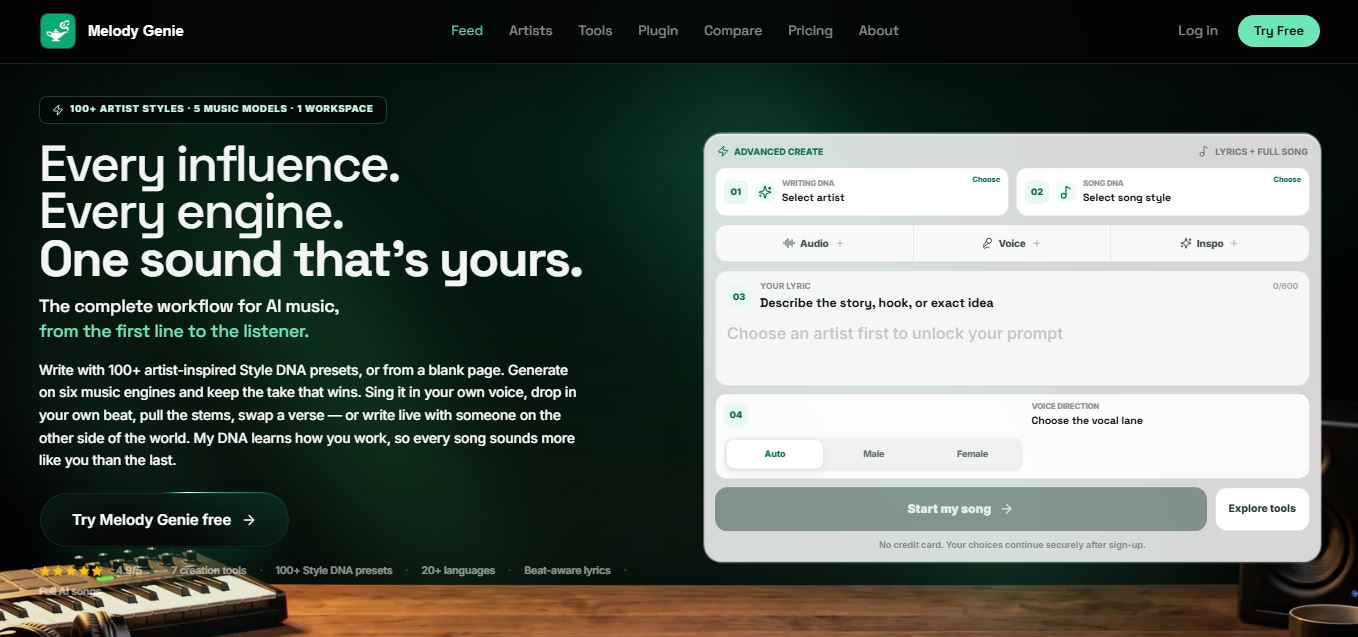
MelodyGenie is an AI-powered music generator that creates original songs from simple text prompts. Users can choose styles, moods, and genres, then instantly generate melodies and full tracks, making it easy for creators, marketers, and hobbyists to produce custom music without musical expertise.
Freemium
Kimi AI
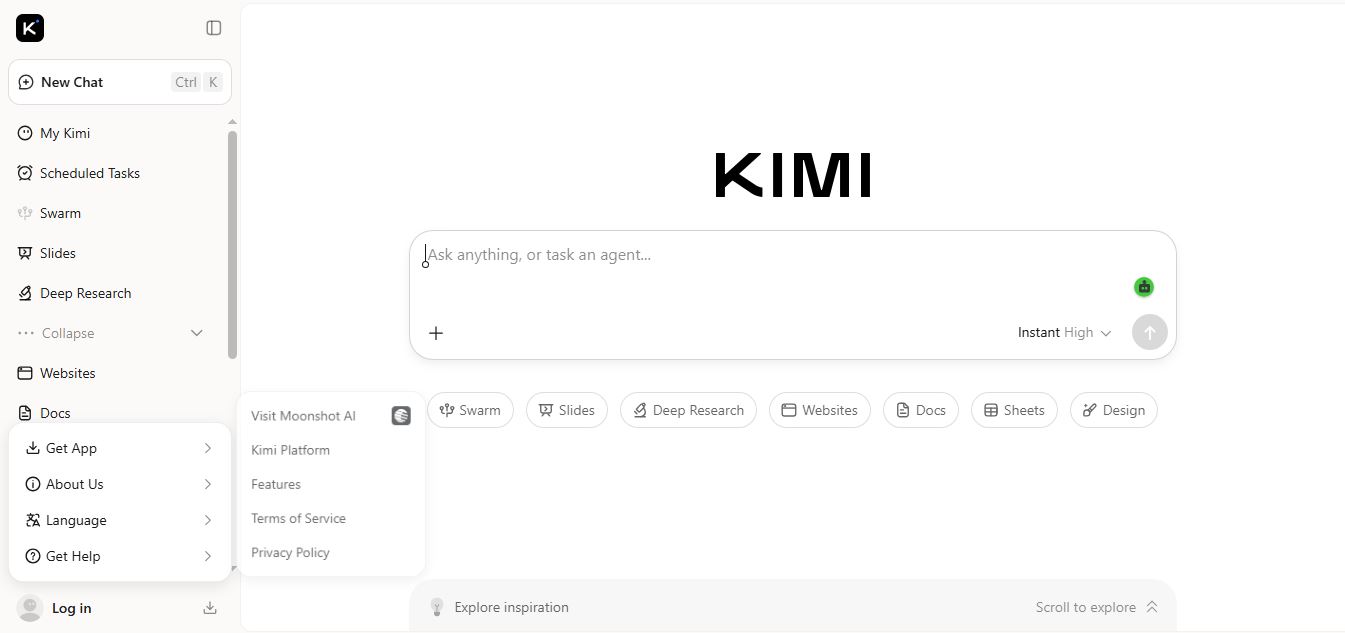
Kimi AI is an advanced AI assistant developed by Moonshot AI that helps you chat, research, write, code, and automate tasks in one place. It supports web search, file analysis, and multimodal inputs, and can even run autonomous “agent” workflows to complete complex tasks end-to-end.
Freemium
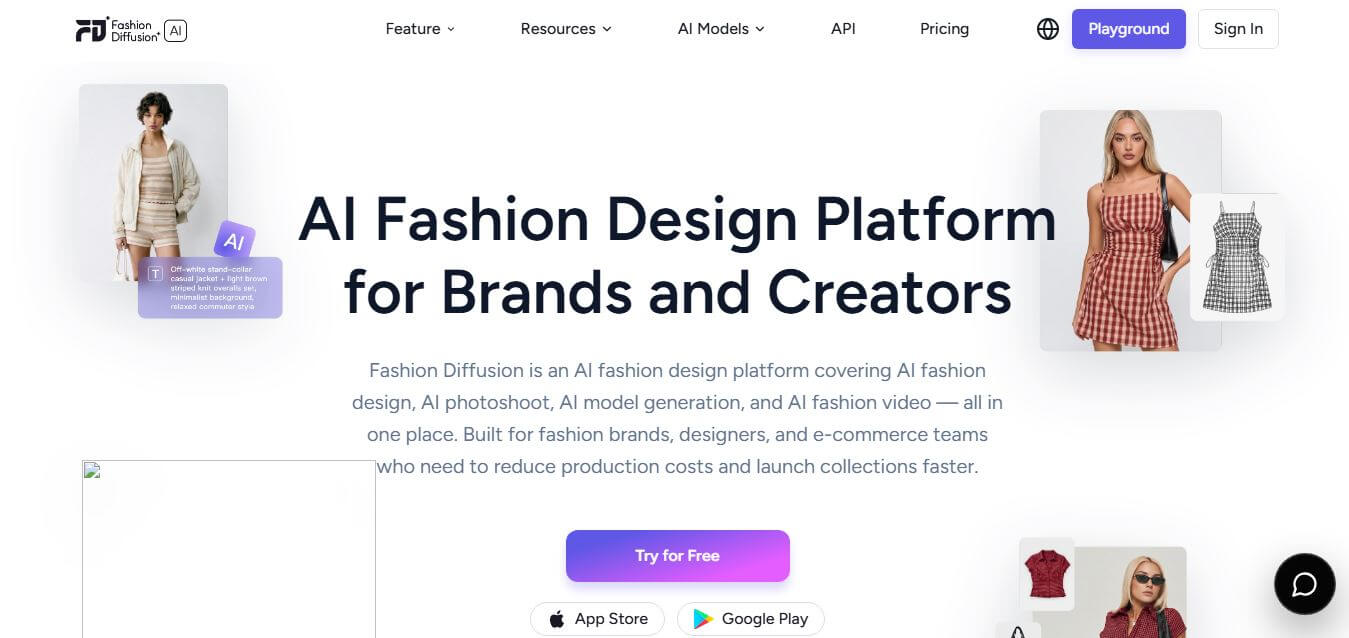
Fashion Diffusion AI
Fashion Diffusion is an AI-powered fashion design platform that helps brands and designers create clothing designs, virtual try-ons, AI models, product photos, and marketing visuals faster and cost-effectively.
Paid
Veo 4
Veo 4 AI is an AI video creation platform that generates dramatic videos from text, images, audio, and video prompts using realistic motion and synchronized sound.
Paid
Alternatives
Alternatives to Air AI
The best Air AI alternatives include Retell AI, Synthflow, Vapi, Bland AI, and Lindy AI. Retell AI and Vapi provide developer-first voice agent APIs with flexible pay-as-you-go pricing and low latency. Synthflow offers a visual no-code flow builder for automated phone calls. Bland AI specializes in high-volume cold calling infrastructure, while Lindy AI provides multi-channel conversational AI that handles both voice and text workflows.
 4.8
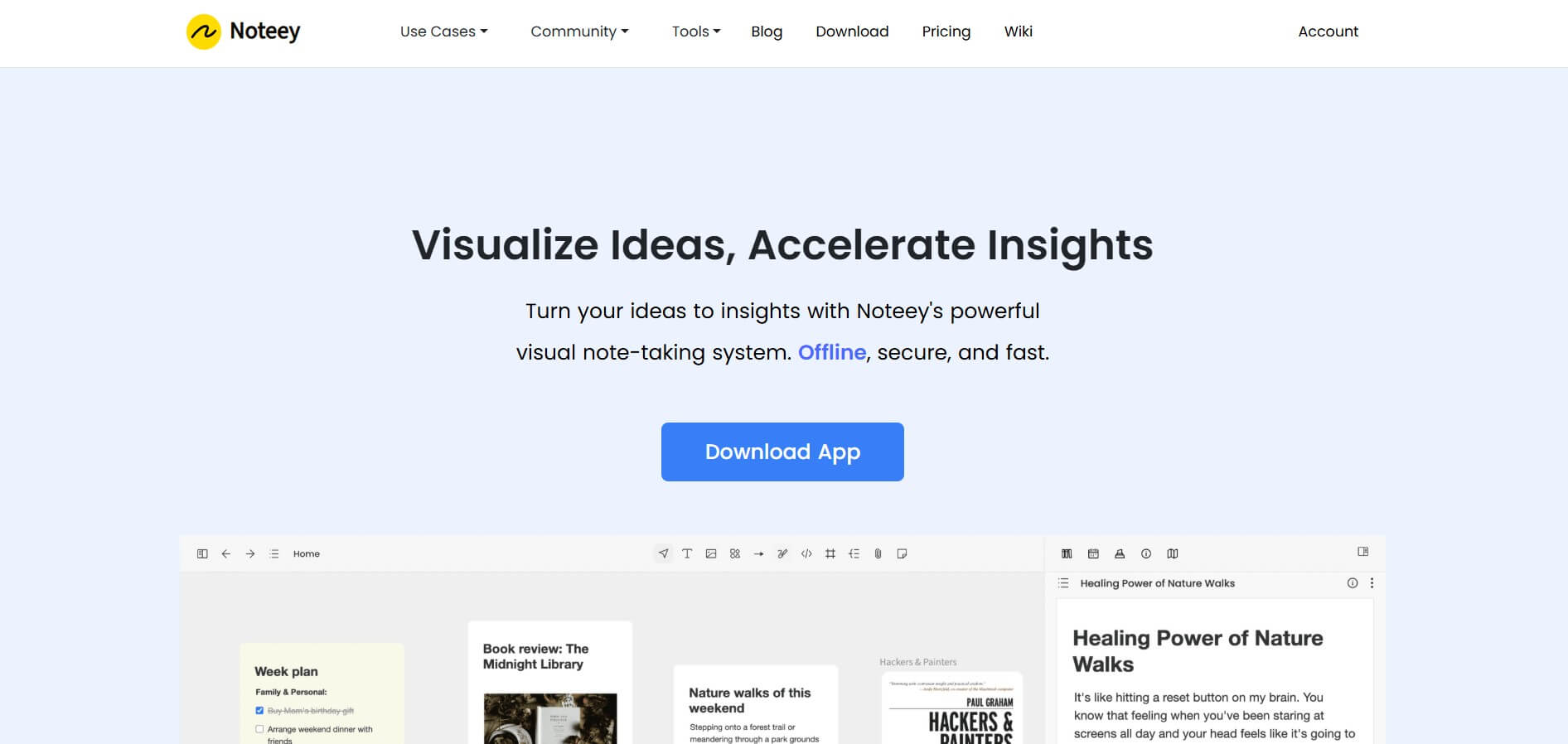
4.8Noteey
AI Business Tools
Noteey is a visual knowledge and note-taking workspace built around an infinite canvas. You can combine notes, images, PDFs, videos, audio, mind maps, sketches, and web links in one place. Its offline-first approach makes it useful for research, brainstorming, second-brain building, creative writing, visual learning, presentations, and organizing complex information.
 4.6
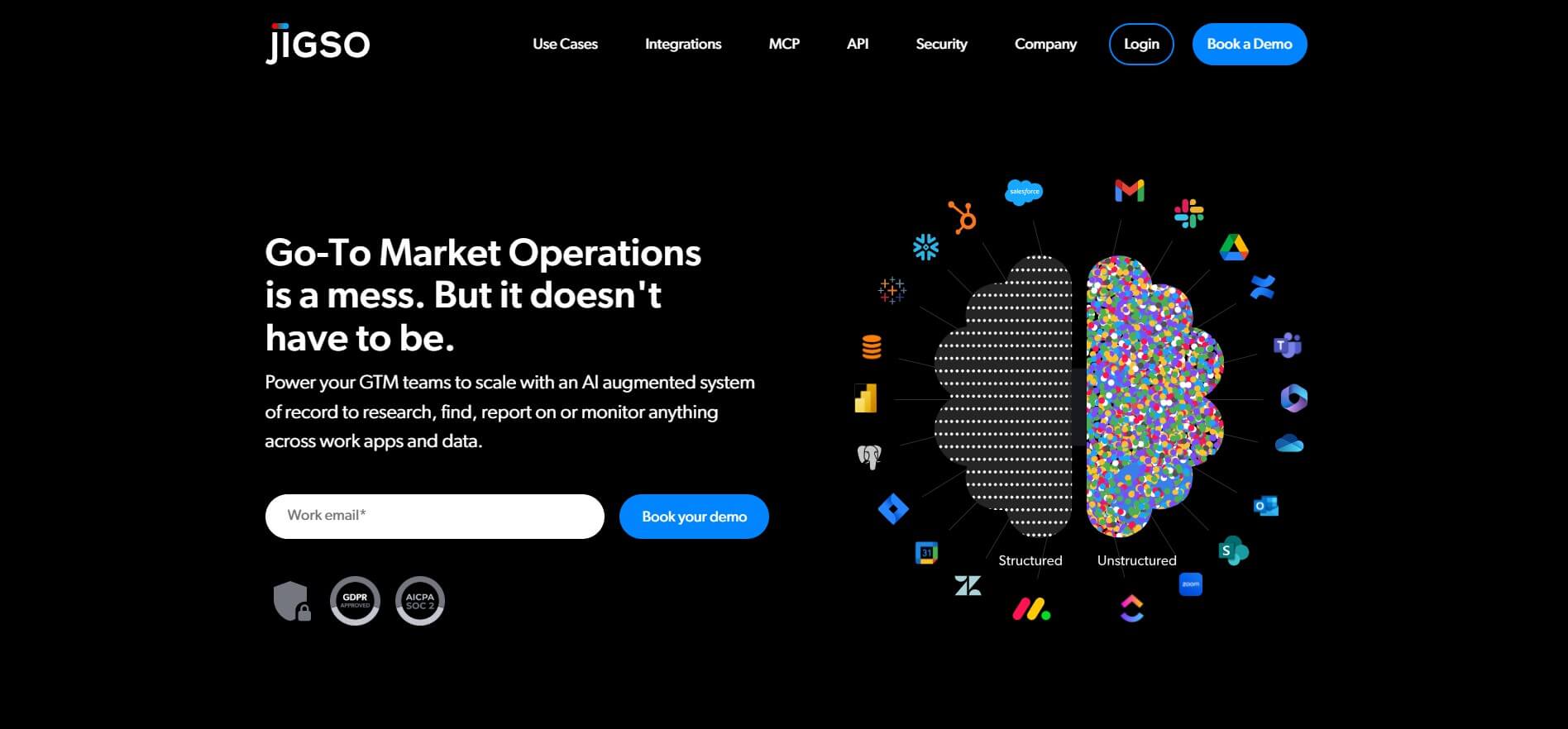
4.6Jigso
AI Business Tools
Jigso is a proactive AI work intelligence platform that connects business apps and data to surface risks, opportunities, research, and next actions. It supports sales, customer success, operations, marketing, and leadership teams by reducing manual information gathering and helping users monitor important business signals across their existing technology stack efficiently.
 4.8
4.8AI Palette
AI Business Tools
AI Palette (aipalette.com) is an AI-powered consumer intelligence and product innovation platform for CPG, food, beverage, and beauty brands, helping companies identify emerging consumer trends, forecast flavor and ingredient demands, and accelerate time-to-market.
 4.9
4.9Explee (AutoGTM)
AI Business Tools
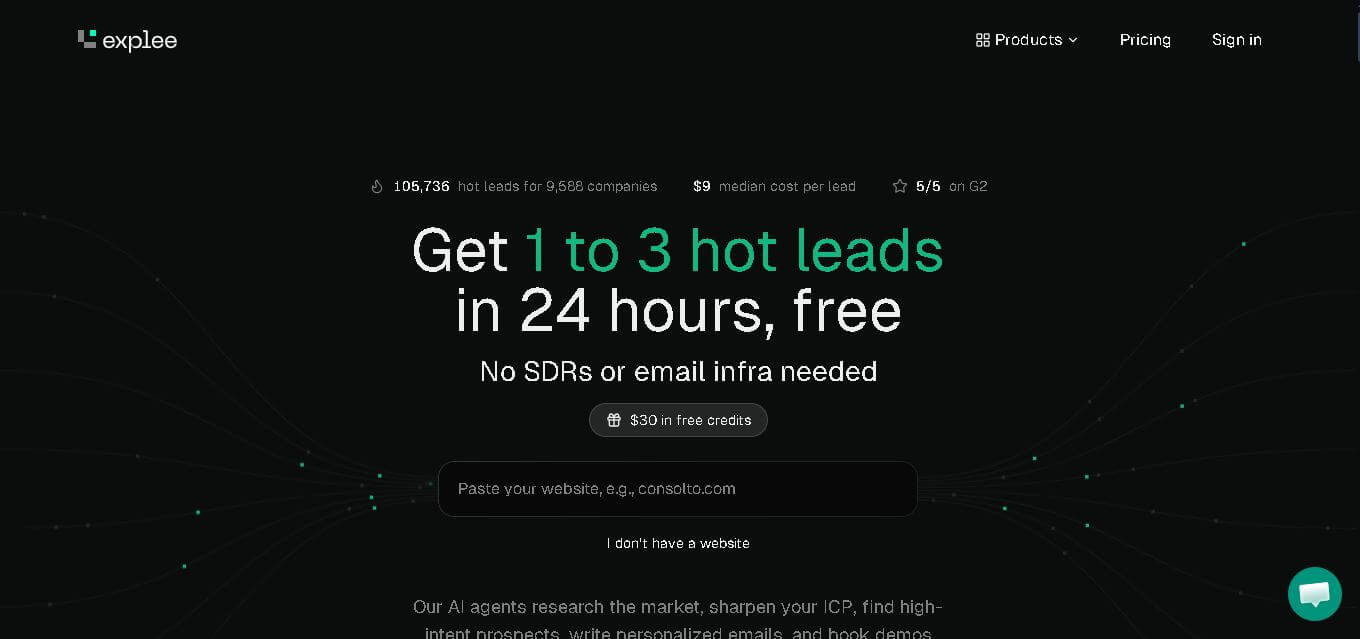
Explee helps businesses automate prospecting and outbound sales through AI agents. It researches target markets, identifies relevant prospects, creates personalized email campaigns, and supports meeting booking. Users can also search extensive company and people databases, apply AI-based criteria, enrich prospect information, and manage lead-generation workflows without building a traditional outbound infrastructure.
 4.8
4.8Upmetrics
AI Business Tools
Upmetrics is business planning software for creating professional business plans, financial forecasts, pitch decks, and strategic plans. It combines AI assistance, industry research, financial modeling, collaboration, and accounting integrations to help entrepreneurs move from an initial idea to funding, launch, and ongoing business growth.
 4.6
4.6Wati.io
AI Business Tools
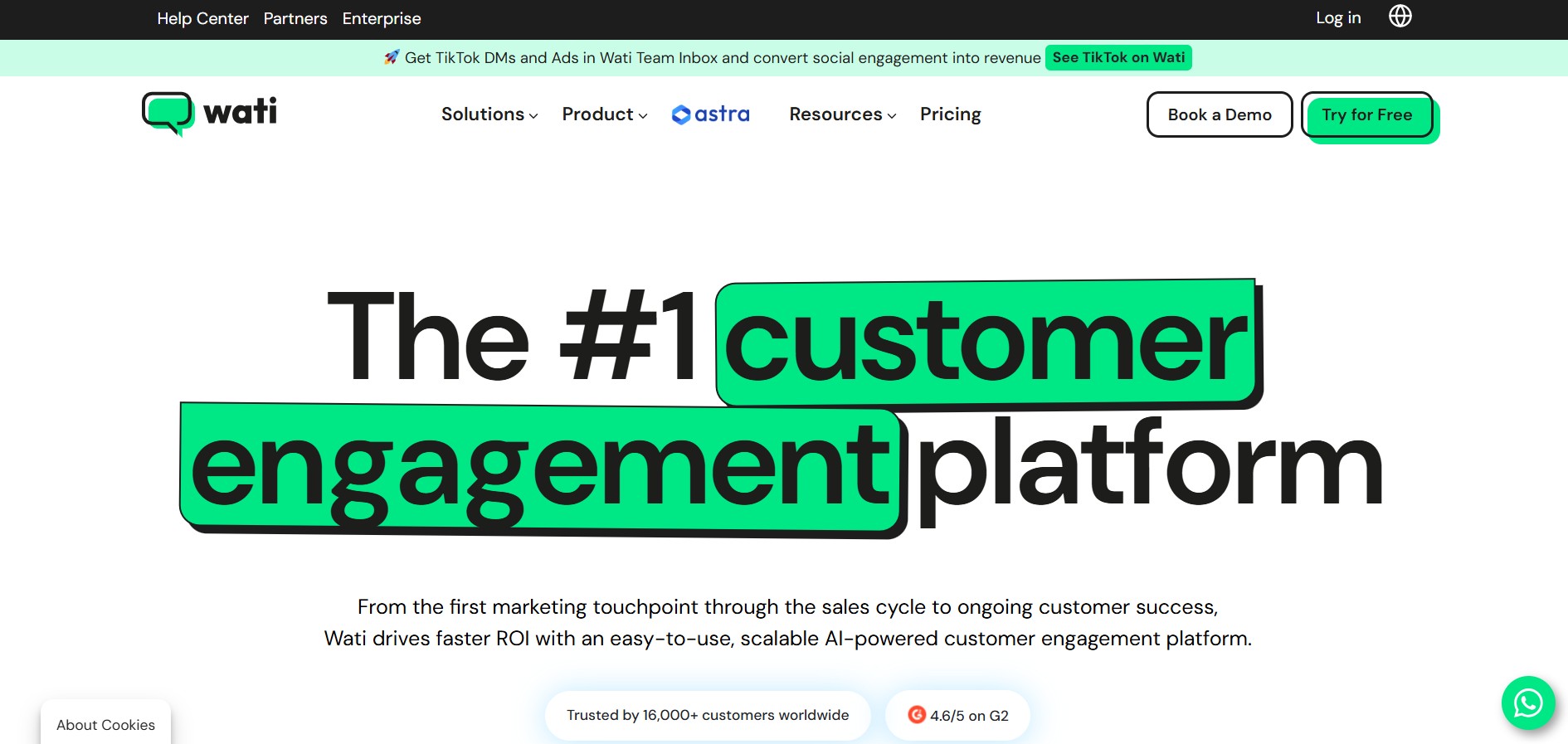
WATI is a customer engagement and WhatsApp communication platform for businesses. It helps teams manage WhatsApp conversations, marketing campaigns, lead generation, sales, customer support, chatbots, automation, and AI agents. WATI also supports channels such as Instagram, Facebook, website chat, SMS, and calling through a centralized communication experience.
 4.8
4.8Namify
AI Business Tools
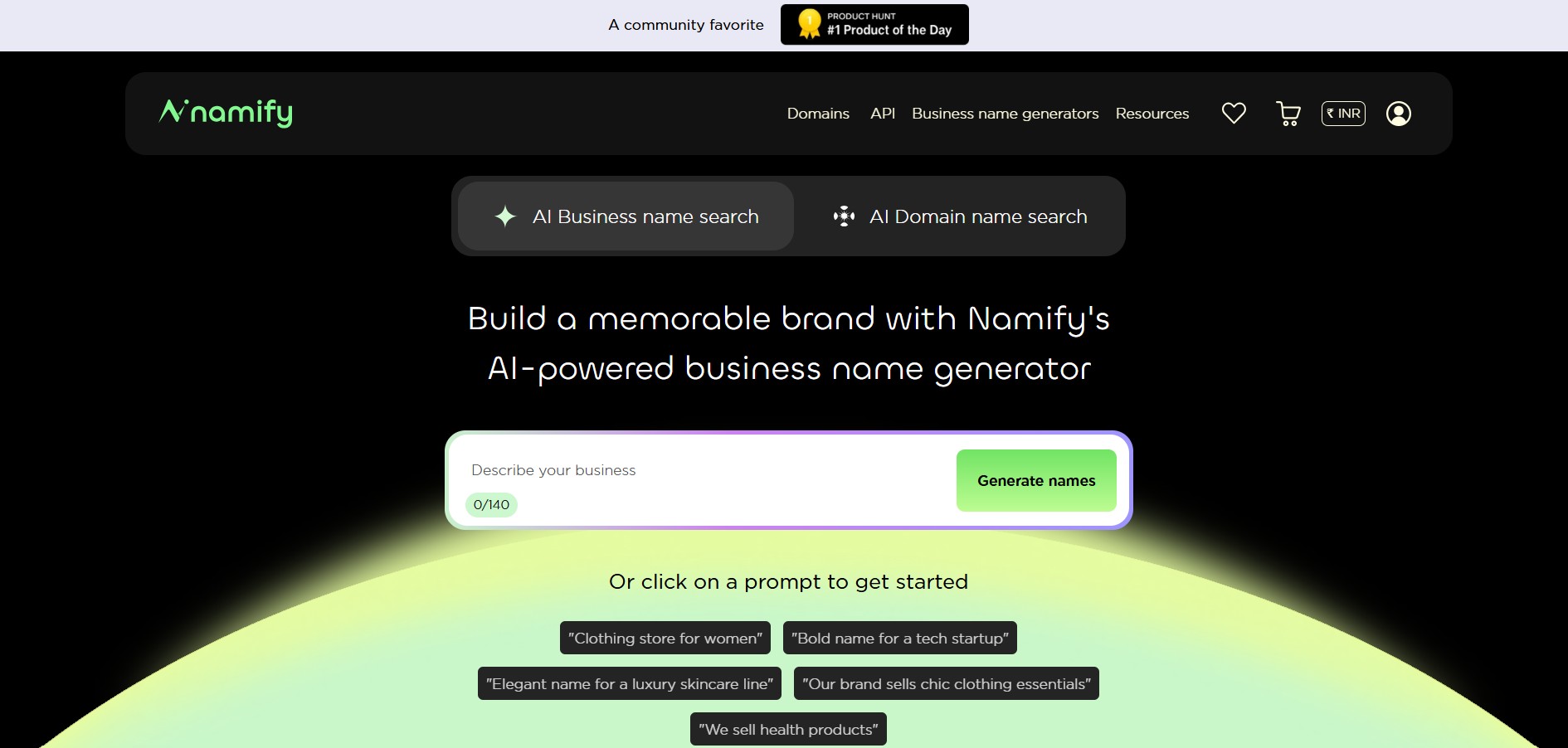
Namify helps you create memorable brand names without spending hours brainstorming. Describe your business, explore generated suggestions, check matching domains and usernames, and build your brand identity with a logo. It is useful for startups, entrepreneurs, agencies, creators, and businesses looking for a practical starting point for naming.
 4.7
4.7Pressmaster AI
AI Business Tools
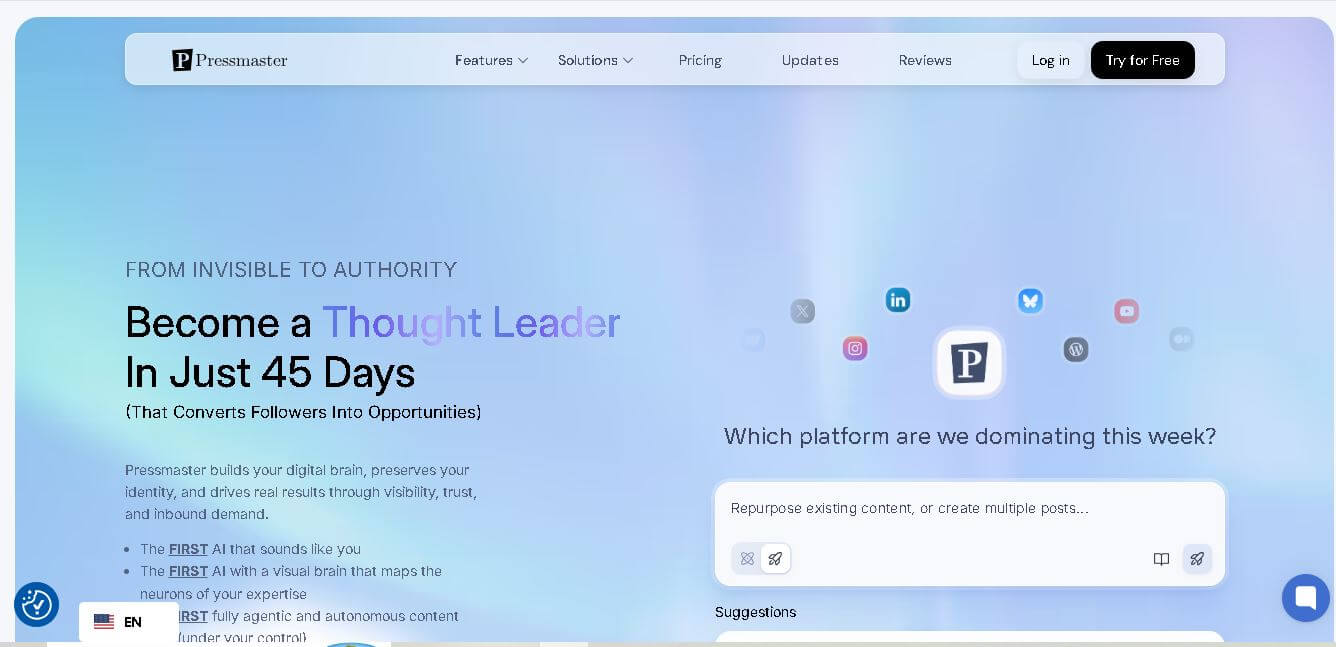
Pressmaster AI (pressmaster.ai) is an AI-powered content engine and PR automation platform designed to turn raw voice inputs, interviews, and brand ideas into authority-building articles, press releases, social posts, and multi-channel marketing campaigns.
 4.9
4.9Tally
AI Business Tools
Tally is an intuitive, Notion-style form builder and data collection platform that enables creators, startups, and product teams to create forms, surveys, questionnaires, and payment checkouts by typing on a blank canvas with unlimited forms and submissions on its free tier.