
8080.AI
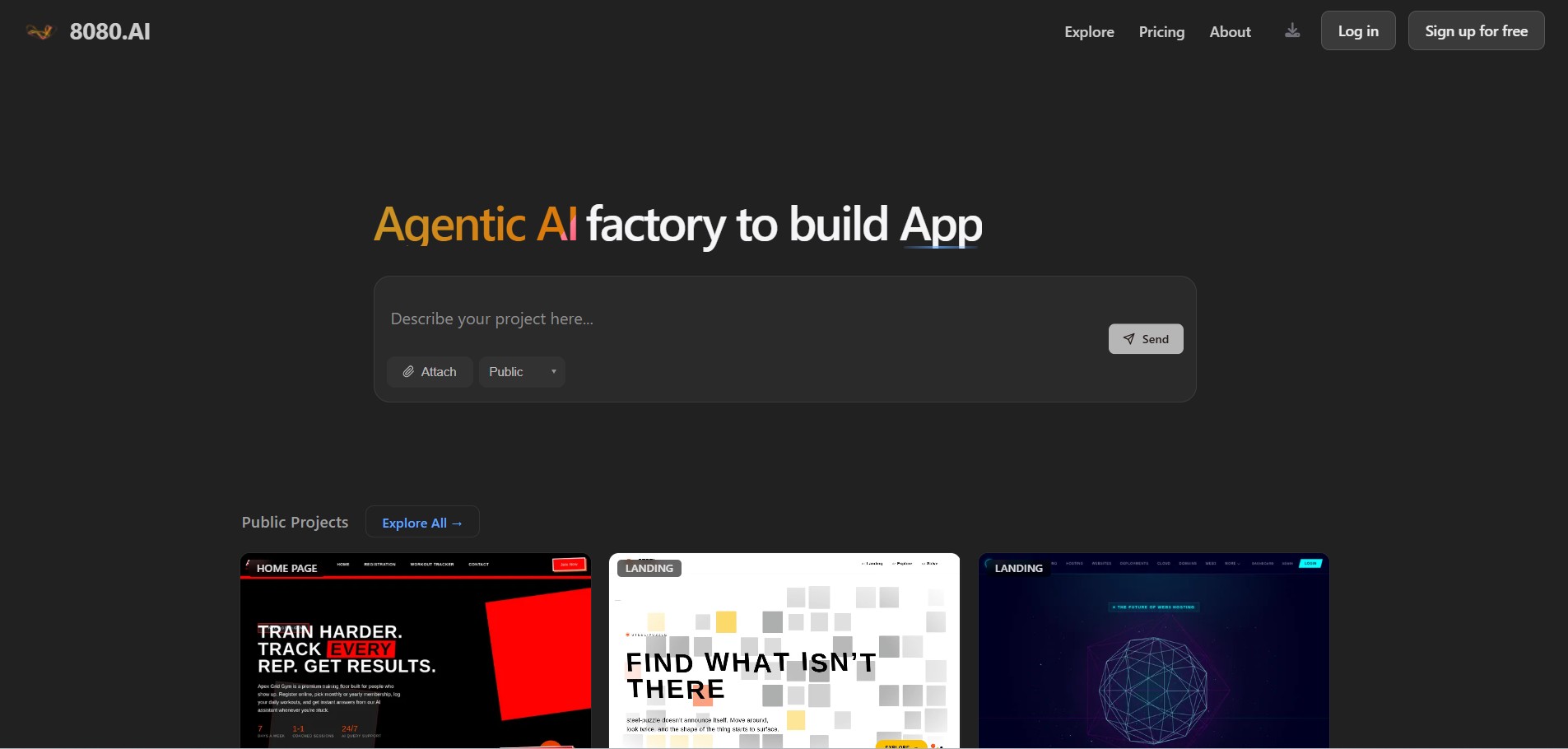
8080 AI is an agentic software development platform where multiple AI agents collaborate like a full engineering team to plan, design, build, test, and deploy applications from a simple prompt. It turns ideas into production-ready software with real infrastructure, workflows, and automated deployment.
What is 8080.AI?
8080 AI is an AI-powered software development platform that works like a full engineering team in one system, helping you turn a simple idea into a production-ready app without manually coding everything. Instead of just generating snippets, it uses multiple specialized AI agents—like product manager, designer, frontend, backend, and DevOps—to plan, design, build, test, and deploy software step by step. The process starts with a plain-text idea, after which the platform creates requirements, user flows, architecture, and tasks, then builds the app in parallel and deploys it on real infrastructure like Kubernetes. It also keeps humans in the loop with approval checkpoints, so you stay in control while the agents handle execution.
Positioned around the principle that “Other AI tools write code. We engineer software,” 8080.AI replaces single generic chatbots with a coordinated squad of six specialized AI agents: Tech Lead, Frontend Engineer, Backend Engineer, DevOps Engineer, QA Engineer, and AI Integration Engineer. Guided by massive context windows capable of navigating up to 100 million tokens without hallucination, 8080.AI produces complete codebases with React/TypeScript frontends, FastAPI backends, database schemas, authentication, 80%+ test coverage, Dockerfiles, Helm charts, and CI/CD pipelines. Featuring instant zero-config deployments, AI-powered debugging, and automated scaling, 8080.AI offers a Free plan ($0/month for up to 3 projects and 100 monthly deployments) alongside Pro ($29/month) and Enterprise ($149/month) tiers.
- Founders & Organization: Developed by F(x) Data Labs, Inc. (fxis.ai, founded in 2016)
- Platform Role: Autonomous Multi-Agent Software Engineering Platform & Cloud Deployment Hub
- Core Agent Team: Tech Lead, Frontend Engineer, Backend Engineer, DevOps Engineer, QA Engineer & AI Engineer
Use Cases:
- Generating complete full-stack SaaS applications from plain-English prompts, including frontend UI, backend APIs, auth, and database migrations
- Automating production DevOps pipelines with out-of-the-box Docker containers, Helm charts, and Kubernetes orchestration manifests
- Enforcing software quality with automated test suites guaranteeing 80%+ unit and integration test coverage across the entire codebase
- Diagnosing complex runtime bugs, stack traces, and logic errors using integrated frontier AI debugging engines
- Prototyping, testing, and deploying minimum viable products (MVPs) in hours without hiring large cross-functional engineering squads
Technology:
- Multi-agent coordination architecture decomposing high-level project prompts into architectural specs, sub-tasks, and parallel execution streams
- Persistent 100M-token context memory retaining architectural decisions and dependency graphs across long-running development sessions
- Cloud-native edge deployment infrastructure delivering instant containerized builds, auto-scaling, and global edge CDN caching
Target Users:
- Startup founders and indie hackers wanting to launch production-grade web applications and SaaS platforms without engineering delays
- Product managers and technical leads rapidly iterating on live functional software prototypes rather than static mockups
- Software engineers automating repetitive boilerplate configuration, CI/CD pipelines, and unit test generation
- Agencies and dev shops delivering custom client software projects with verified architecture and documentation
Acquisition: Operates as an independent flagship AI software platform under F(x) Data Labs, Inc.
Key features of 8080.AI
8080.AI's key platform features are
- Six-Agent Coordinated Engineering Team: Assigns specialized roles—Tech Lead, Frontend, Backend, DevOps, QA, and AI Engineer—to plan, write, test, and containerize your application concurrently.
- Full Production-Ready Codebases: Delivers complete applications featuring modern React/TypeScript user interfaces, robust FastAPI backends, database layers, and integrated authentication.
- 100M Token Context Architecture: Retains codebase awareness and architectural relationships across massive repositories without hallucination, context drift, or session timeouts.
- Automated 80%+ Test Coverage: The dedicated QA agent generates unit and integration tests, enforces coverage thresholds, and debugs failures automatically before code delivery.
- Kubernetes & Docker Native: Generates production-ready Dockerfiles, docker-compose setups, health checks, and Helm charts for immediate deployment to any cloud provider.
- Instant One-Click Deployments: Connect your GitHub or GitLab repository and push to live production with automated builds, global edge CDN distribution, and SSL.
- AI Debugging & Code Optimization: Integrated analysis engines check runtime stack traces, find logic bottlenecks, and suggest instant optimizations.
- Transparent Traceability & Human-First Code: Every agent decision and commit is logged and traceable, producing clean, readable code organized according to standard engineering conventions.
8080.AI Pricing
8080.AI operates on a transparent tiered subscription model featuring a functional Free tier for solo developers alongside affordable Pro and Enterprise plans.
Free Plan:
- $0 / month: Ideal for individual developers and side projects | Includes 3 active projects, 100 deployments/month, shared serverless functions, basic deployment logs, GitHub integration, and community support
Pro Plan (Most Popular):
- $29.00 / month: Designed for startups and fast-shipping teams | Unlimited projects, unlimited monthly deployments, full multi-agent engineering team, AI debugging & optimization, custom domain management with SSL, real-time analytics, team collaboration (5 included seats), and priority support
Enterprise Plan:
- $149.00 / month: Designed for high-velocity teams with advanced infrastructure requirements | Everything in Pro, unlimited team seats, advanced multi-stage CI/CD pipelines, role-based permissions (RBAC), SOC 2 compliance, 99.9% uptime SLA, and a dedicated account manager
Disclaimer: Subscriptions can be canceled at any time. No credit card is required to access the Free tier. For custom on-premise deployments and dedicated cluster provisioning, visit 8080.ai/about or contact enterprise sales.
Who is using 8080.AI?
8080.AI is used by software developers, startup teams, and engineering leaders, including
- Early-Stage Startup Founders: Shipping fully functional MVPs with authentication, database backends, and responsive styling in days rather than months
- Indie Hackers & Solopreneurs: Running complete software engineering lifecycles—from frontend to DevOps—without hiring expensive external contract agencies
- Product Managers & Technical Leads: Validating architectural feasibility and creating functional software pilots with clean, reviewable code
- Development Agencies: Accelerating delivery timelines for commercial web applications by automating boilerplate scaffolding, CI/CD, and test suites
Best 8080.AI Alternatives
Some of the strongest 8080.AI alternatives include
- Devin by Cognition AI
- Bolt.new by StackBlitz
- Lovable.dev
- Cursor
- Nodlume
- Replit Agent
Pros and Cons of 8080.AI
Pros
- Coordinates six specialized AI agents (Tech Lead, Frontend, Backend, DevOps, QA, AI) rather than relying on a single prompt-response loop
- Generates production-grade infrastructure including Dockerfiles, Helm charts, and Kubernetes manifests from day one
- Enforces real code quality with automated test suites delivering 80%+ test coverage
- 100M token context capacity allows agents to handle sprawling codebases without losing architectural continuity
- Generous Free tier ($0/mo, 3 projects, 100 deployments) provides immediate access without requiring a credit card
Cons
- Default technology stack is opinionated toward React/TypeScript and FastAPI (custom stack overrides require guidance)
- Highly complex legacy system migrations still require manual engineering oversight and domain-specific configuration
- High-concurrency parallel agent execution on large codebases can consume substantial build compute resources
Why Choose 8080.AI?
Most AI coding tools generate fragmented code snippets or superficial frontend prototypes that look good in a browser demo but break down when connected to real databases, authentication systems, and cloud infrastructure. 8080.AI treats software creation as a disciplined engineering practice.
- Deploys an entire virtual engineering department—from architect to QA—to work on your project simultaneously
- Provides real production infrastructure (Docker, Helm, Kubernetes) rather than locking you into proprietary runtimes
- Guarantees code reliability through automated test generation and self-debugging routines
- Keeps code readable, well-documented, and human-first so engineering teams can step in and take over at any time
8080.AI vs. Competitors
The main difference between 8080.AI, Devin, Bolt.new, and Replit Agent lies in architecture rigor and infrastructure production-readiness. While Bolt.new and Replit Agent focus primarily on fast in-browser prototyping, and Devin operates as a general autonomous terminal agent, 8080.AI organizes software creation through a multi-agent team model—delivering comprehensive test suites, persistent 100M-token memory, and native Kubernetes/Docker deployment manifests from the very first commit.
| Feature / Platform | 8080.AI (8080.ai) | Devin (Cognition) | Bolt.new | Lovable.dev |
|---|---|---|---|---|
| Core Focus | Multi-Agent Software Engineering & K8s Deployment | Autonomous AI Software Engineer | In-Browser Full-Stack Web Sandbox | Full-Stack AI Web App Builder |
| Agent Architecture | 6 Specialized Agents (Lead, FE, BE, DevOps, QA, AI) | Single autonomous agent loop | Interactive single LLM generator | Single-prompt iterative agent |
| DevOps & Infrastructure | Native Docker, Helm charts & Kubernetes | Terminal execution in sandbox | WebContainers (Client browser) | Managed cloud deployment (Supabase) |
| Automated Test Suites | Yes (Dedicated QA agent, 80%+ coverage) | Runs existing repo tests | No automated test enforcement | Basic automated checks |
| Starting Price | Free ($0/mo, 3 projects) / Pro $29/mo | From $500/month (Enterprise/Waitlist) | Free tier / Pro from $20/mo | Free tier / Starter from $20/mo |
| Best For | Teams needing production-grade apps with tests & K8s | Autonomous maintenance of existing enterprise repos | Rapid in-browser full-stack prototyping | Founders building full-stack web MVPs visually |
How do we rate 8080.AI?
| Parameter | Rating (out of 5) |
|---|---|
| Multi-Agent Architecture & Role Specialization | 5.0 |
| Production Code & Test Quality (80%+ Coverage) | 4.9 |
| DevOps, Docker & Kubernetes Infrastructure | 5.0 |
| Context Memory Retention (100M Tokens) | 4.9 |
| Value for Money ($0 Free Tier & $29 Pro Plan) | 4.9 |
| Overall Score | 4.94 |
8080.AI Review
8080.AI represents a mature evolution in the AI software engineering landscape. By addressing the gap between writing throwaway prototype code and engineering real, maintainable software systems, it provides genuine utility for technical founders and engineering teams. Distributing tasks among six specialized agents ensures that backend logic, frontend aesthetics, DevOps manifests, and testing standards receive dedicated attention instead of being compressed into a single, generic prompt response. Combined with its 100M-token context capacity and accessible $29/month Pro tier, 8080.AI is an impressive platform for shipping production-grade software faster.
Conclusion
8080 AI is a powerful agentic software development platform that turns a simple idea into a fully working product by using a team of specialized AI agents instead of a single assistant. You just describe what you want, and the platform plans the architecture, designs the UI, writes the code, runs tests, and deploys it to production—often on real infrastructure like Kubernetes. What really stands out is how it mimics a real engineering team with roles like tech lead, designer, and DevOps working together, while still letting you review and control every step.
FAQ
What is 8080.ai and what problem does it solve?
8080.ai is an AI-powered software development platform that builds complete apps, SaaS products, and websites from a simple prompt. Instead of writing code manually, you describe your idea and its AI agents handle architecture, coding, testing, and deployment.
How is 8080.ai different from tools like ChatGPT or GitHub Copilot?
Most AI coding tools assist with snippets or single files. 8080.ai works like a full engineering team—it plans the system, writes code across the stack, runs tests, and deploys production-ready software instead of just generating code fragments.
Can 8080.ai really build a full application from one prompt?
Yes. You can describe your idea in plain English, and the platform generates requirements, user flows, UI designs, backend logic, and infrastructure. It then builds and deploys the app step-by-step with approval checkpoints.
What kind of apps can you build with 8080.ai?
You can build SaaS tools, CRMs, dashboards, web apps, and full-stack platforms. It supports frontend, backend, APIs, databases, and even cloud infrastructure like Kubernetes deployments out of the box.
Do I need coding skills to use 8080.ai?
Not necessarily. Non-technical users can describe what they want and let AI handle execution. However, developers can step in anytime, edit code in a browser-based IDE, and customize everything as needed.
Does 8080.ai handle testing and deployment too?
Yes, that’s one of its strongest advantages. It automatically writes unit and integration tests, debugs issues, and deploys apps to staging or production environments using Docker and Kubernetes.
How much does 8080.ai cost?
It offers a free plan with limited credits, and paid plans start at a low monthly cost (around $4.49/month). Usage is based on credits, and you can scale as your projects grow.
User Reviews
No reviews yet for 8080.AI.
Featured Tools
Featured AI tools from TechShark
Melody Genie
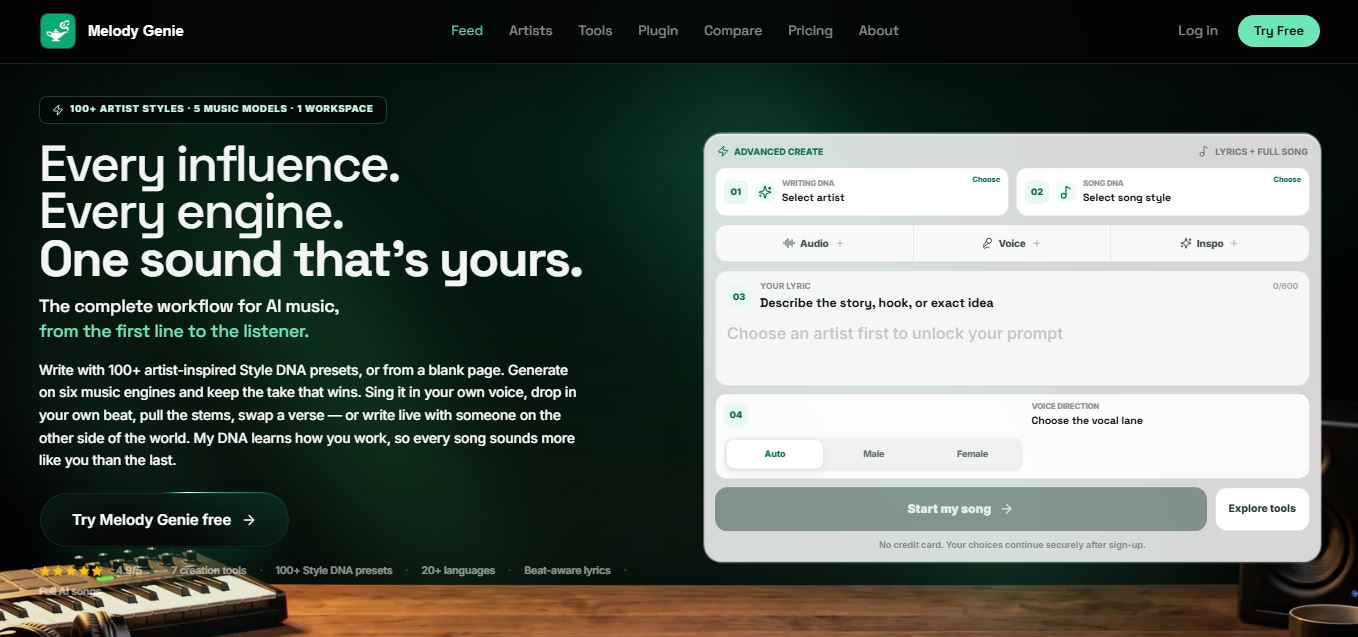
MelodyGenie is an AI-powered music generator that creates original songs from simple text prompts. Users can choose styles, moods, and genres, then instantly generate melodies and full tracks, making it easy for creators, marketers, and hobbyists to produce custom music without musical expertise.
Freemium
Kimi AI
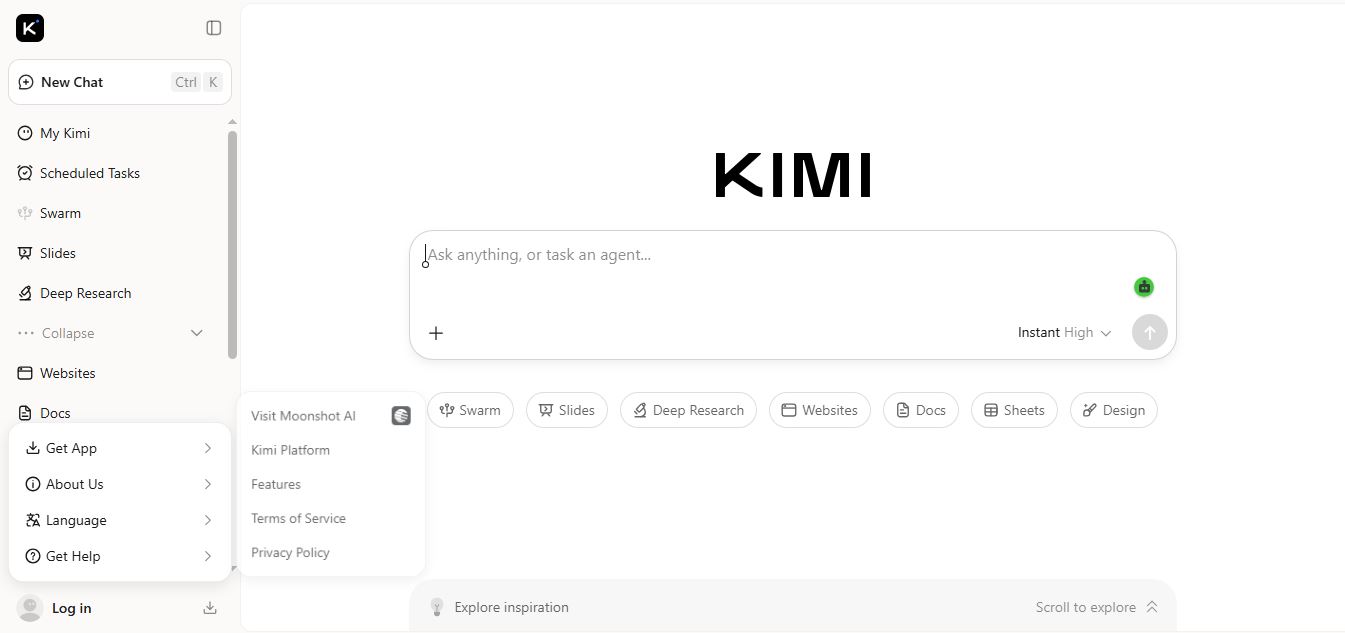
Kimi AI is an advanced AI assistant developed by Moonshot AI that helps you chat, research, write, code, and automate tasks in one place. It supports web search, file analysis, and multimodal inputs, and can even run autonomous “agent” workflows to complete complex tasks end-to-end.
Freemium
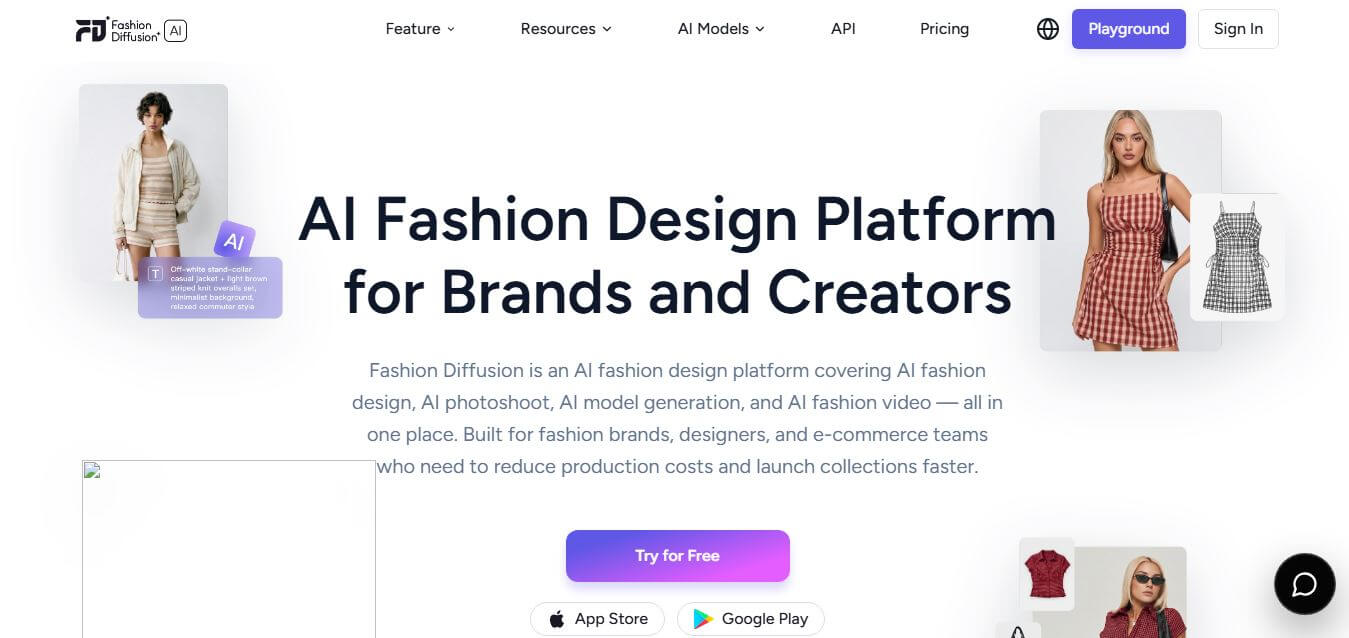
Fashion Diffusion AI
Fashion Diffusion is an AI-powered fashion design platform that helps brands and designers create clothing designs, virtual try-ons, AI models, product photos, and marketing visuals faster and cost-effectively.
Paid
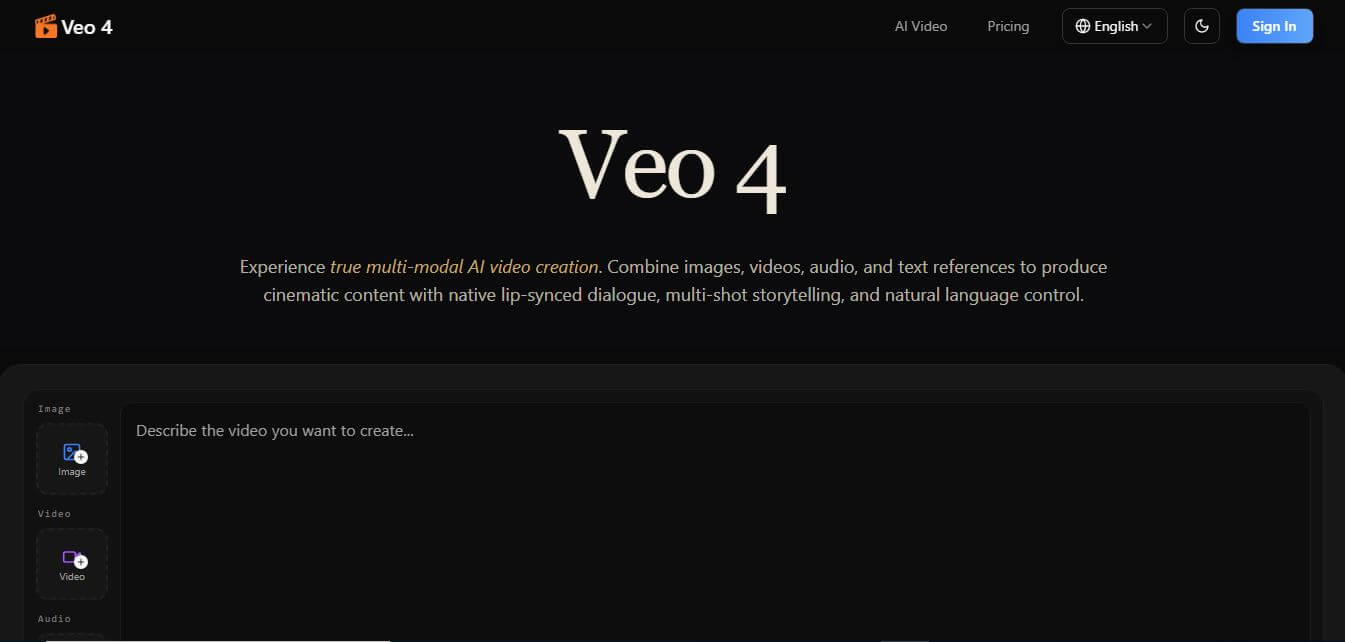
Veo 4
Veo 4 AI is an AI video creation platform that generates dramatic videos from text, images, audio, and video prompts using realistic motion and synchronized sound.
Paid
Alternatives
Alternatives to 8080.AI
The best 8080.AI alternatives include Devin by Cognition AI, Bolt.new by StackBlitz, Lovable.dev, Cursor, Nodlume (nodlume.dev), and Replit Agent. These platforms provide AI code assistance, full-stack app prototyping, and autonomous software development. While 8080.AI specializes in a multi-agent software engineering team (Tech Lead, Frontend, Backend, DevOps, QA, AI) generating production-grade code with 80%+ test coverage, 100M token context memory, and native Docker/Kubernetes deployment manifests, alternatives like Bolt.new focus primarily on quick in-browser web sandboxes, and Devin acts as a high-cost autonomous command-line agent.
 4.9
4.9Talkwalker
AI Agent
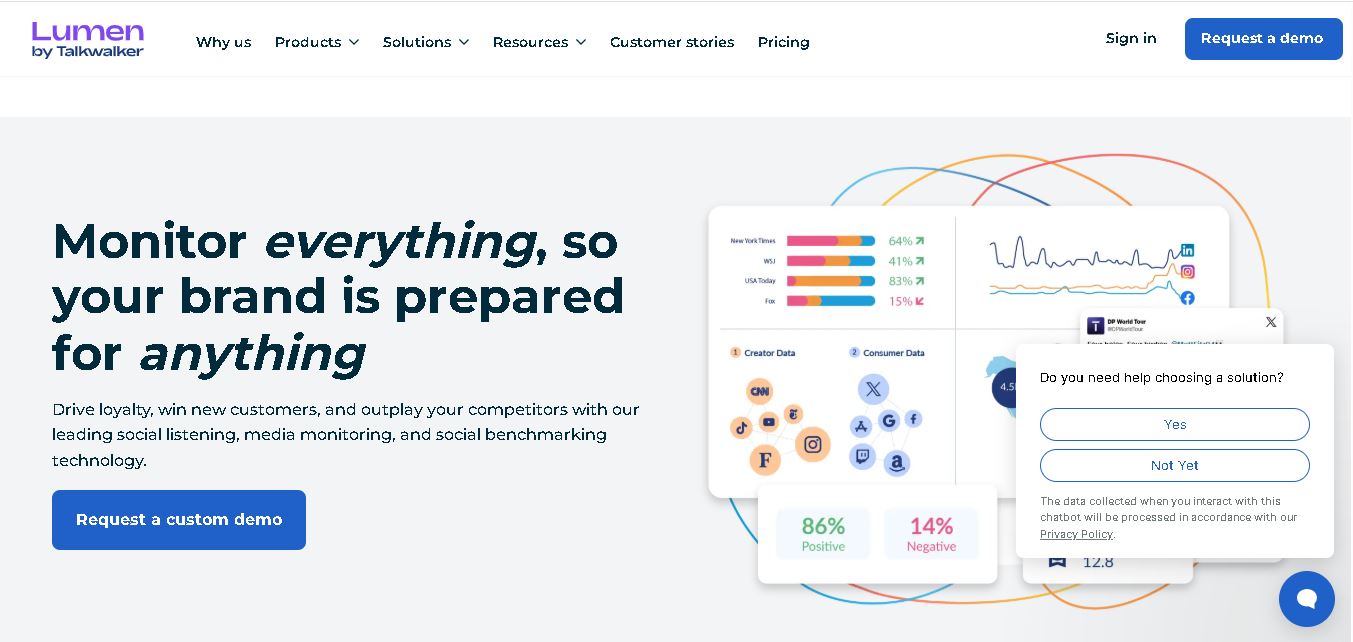
Talkwalker is a consumer intelligence and social listening solution that helps brands track online mentions, analyze audience sentiment, monitor competitors, and discover emerging trends. It combines social media analytics, media monitoring, customer feedback, and AI-powered insights to support marketing, public relations, reputation management, and data-driven business decisions across global markets.
 5.0
5.0AI4K12
AI Agent
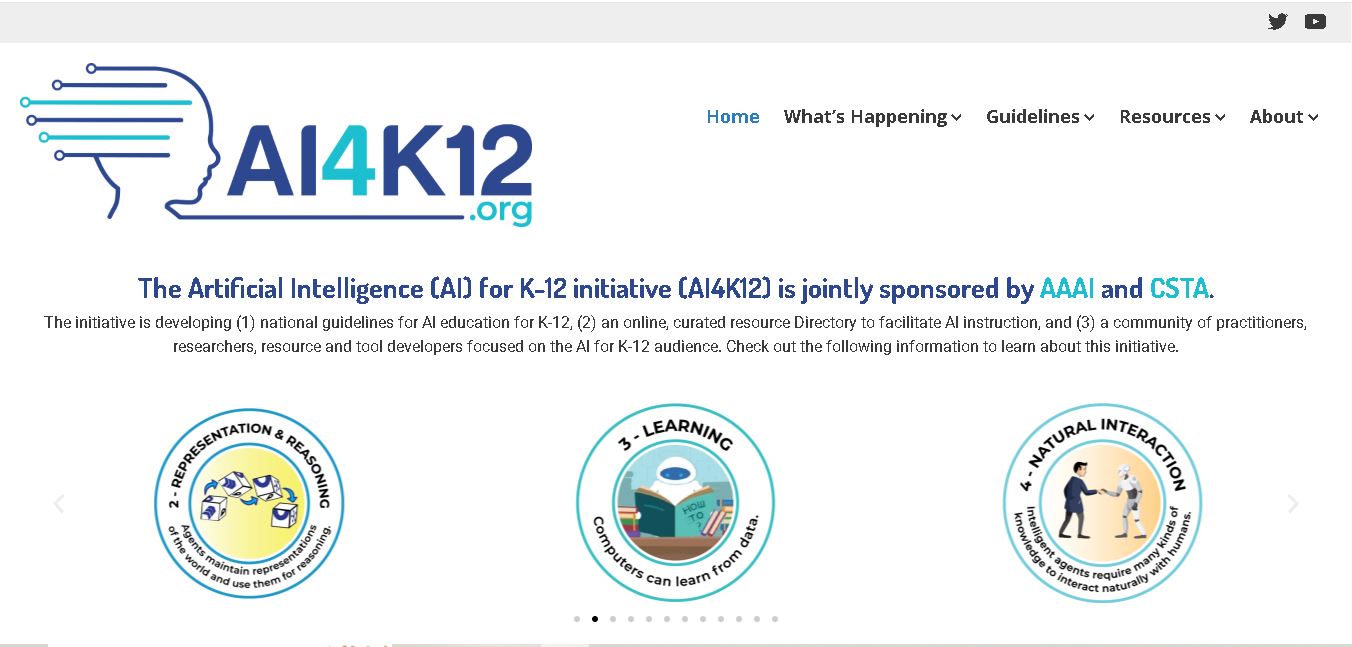
AI4K12 is an educational initiative focused on bringing artificial intelligence into K–12 classrooms. It provides grade-level learning guidelines, curated teaching resources, and the Five Big Ideas framework. Designed for educators and curriculum developers, AI4K12 supports age-appropriate AI instruction and helps students understand how intelligent technologies work and affect society.
Kommunicate
AI Agent
Kommunicate (kommunicate.io) is an AI-powered customer service automation and live chat platform that unites no-code generative AI agents, Kompose chatbot builder, seamless human escalation, voice AI, and omnichannel messaging across WhatsApp, web, and mobile apps.
Text
AI Agent
Text is an AI-powered customer service platform that combines live chat, help desk ticketing, AI agents, and workflow automation. It helps businesses manage customer conversations, automate repetitive support tasks, answer questions, engage website visitors, and turn customer interactions into sales opportunities through a unified communication workspace.
DocsBot AI
AI Agent
DocsBot AI is an AI chatbot and agent platform that turns websites, documents, knowledge bases, and support tickets into conversational assistants. Businesses can use it to automate customer support, answer questions, share internal knowledge, connect workflows, and provide information through website widgets and supported integrations.
SiteGPT AI
AI Agent
SiteGPT is an AI chatbot platform that helps businesses automate customer support using their website content, documents, and knowledge sources. It answers visitor questions, supports lead generation, and integrates into websites, allowing teams to handle repetitive inquiries, improve customer experiences, and provide assistance around the clock.
 4.7
4.7Halcyon
AI Agent
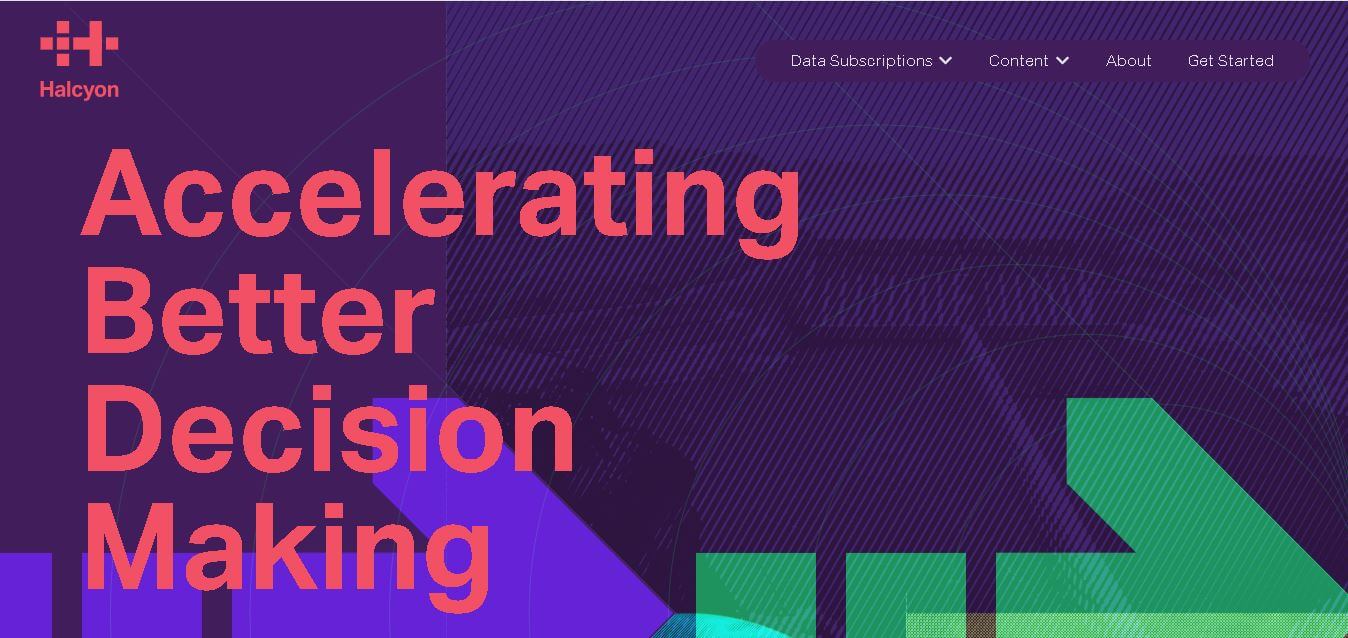
Halcyon is an AI energy intelligence platform that helps professionals search regulatory filings, analyze energy-market information, monitor developments, and access structured datasets. It combines document search, natural-language queries, AI-powered alerts, and specialized data subscriptions to turn fragmented energy information into actionable intelligence for research, monitoring, planning, and faster decision-making.
 4.5
4.5Enhancv
AI Agent
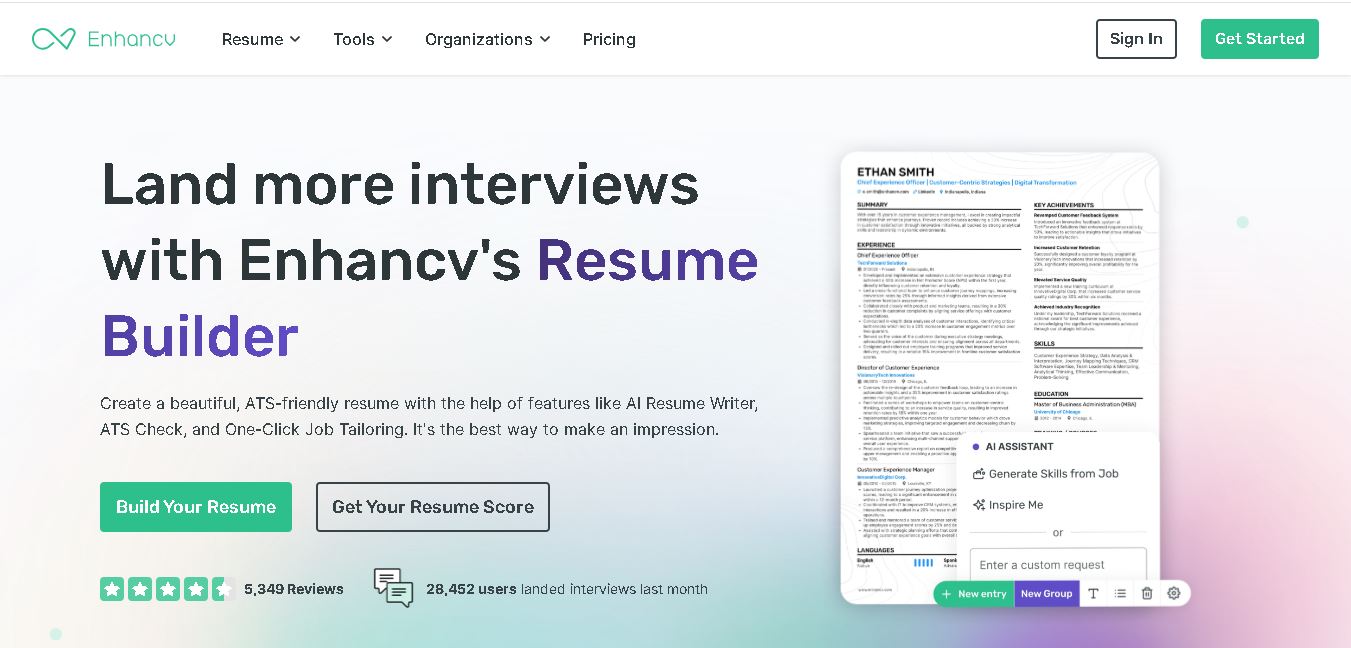
Enhancv helps job seekers build ATS-friendly resumes using customizable templates, AI writing assistance, resume checking, and job-specific tailoring. It also supports cover letters, application tracking, interview preparation, and resume translation. The platform is designed for candidates who want a polished application while keeping control over their experience, wording, and presentation.
 4.9
4.9Domo
AI Agent
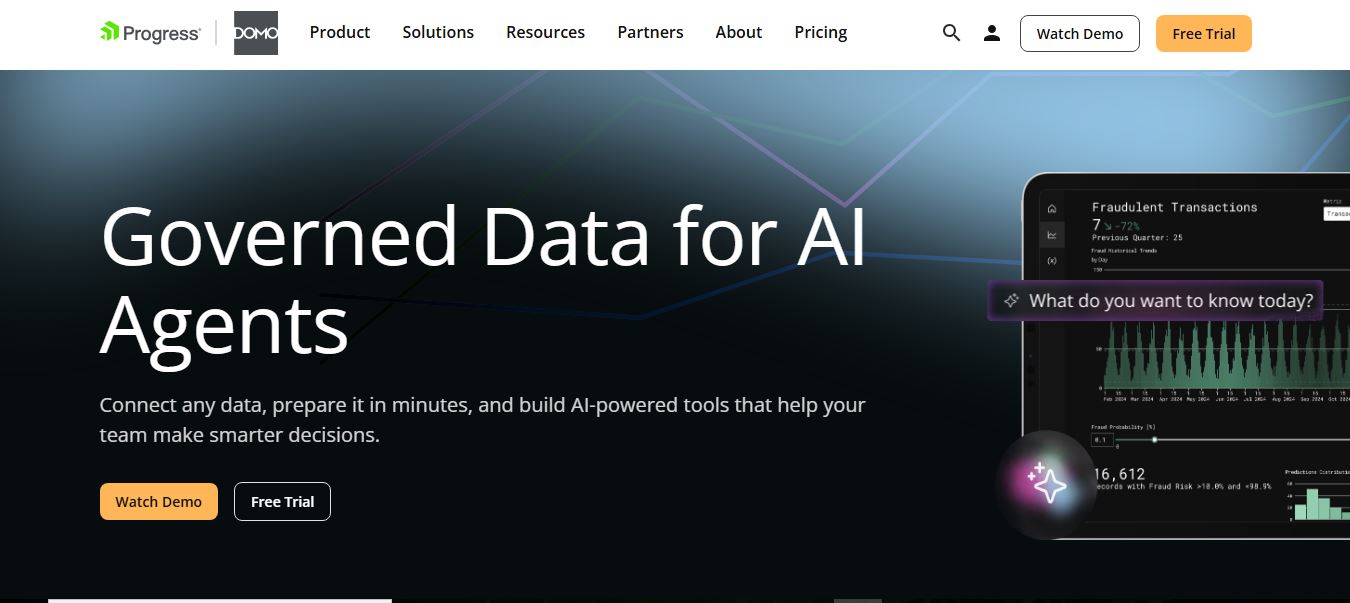
Domo is an AI-powered data and analytics platform that helps businesses connect, visualize, and act on data from multiple sources in one place. It combines dashboards, automation, and AI insights to turn raw data into decisions, enabling teams to monitor performance and drive better outcomes in real time.