TensorFlow
TensorFlow is a used open-source machine learning framework for developing and deploying models. It supports workflows from data preparation and training to optimization and production inference. With Keras, TensorFlow.js, LiteRT, TensorBoard, TFX, and tools, developers can build solutions for research, applications, web experiences, mobile devices, edge hardware, and cloud environments.
What is TensorFlow?
TensorFlow is an open-source framework for building, training, evaluating, and deploying machine learning models. It provides APIs and tools for tasks such as data preparation, neural network development, distributed training, model optimization, and production deployment. Developers can use Keras for high-level model building, while TensorFlow’s broader ecosystem supports web, mobile, edge, and cloud workflows for practical machine learning applications efficiently.
TensorFlow is an open-source machine learning library used for research and production. Its ecosystem includes Keras, TensorFlow.js, TensorFlow Lite/LiteRT, TFX, TensorBoard, TensorFlow Hub, and TensorFlow Datasets. Models can run across CPUs, GPUs, TPUs, browsers, mobile devices, edge hardware, and cloud environments. There is no required deployment target, making TensorFlow flexible for projects of different scales and workloads, from educational experiments to large production systems. It provides tutorials, pre-trained models, datasets, and developer tools for experimentation, customization, monitoring, optimization, and deployment.
- Platform Role: End-to-End Open Source Machine Learning & Deep Learning Framework
- Developer & Organization: Google Brain / Google Open Source
- Cross-Platform Access: Python, C++, Java, JavaScript (TensorFlow.js), Mobile/Embedded (TensorFlow Lite), and Cloud Architectures
Use Cases:
- Training deep neural networks for computer vision, natural language processing, and audio processing
- Deploying high-throughput inference endpoints in enterprise environments using TensorFlow Serving
- Running optimized, quantized models on microcontrollers, iOS, and Android devices via TensorFlow Lite
- Executing browser-based interactive ML and transfer learning via TensorFlow.js
- Managing production data validation, feature pipelines, and model evaluation using TensorFlow Extended (TFX)
Technology:
- Native Keras (tf.keras) high-level API for model construction and rapid prototyping
- Automatic differentiation engine (tf.GradientTape) for custom gradient calculation
- XLA (Accelerated Linear Algebra) compiler and tf.function graph conversion for runtime optimization
- Hardware acceleration across CPUs, NVIDIA GPUs via CUDA/cuDNN, and Google Tensor Processing Units (TPUs)
Target Users:
- Machine learning engineers building and deploying production-grade AI pipelines
- AI researchers and data scientists developing custom neural network architectures
- Embedded and mobile developers running AI model inference at the edge
Acquisition: Free, open-source download under Apache 2.0 License available via PyPI, Docker, or tensorflow.org.

What are the key features of TensorFlow?
TensorFlow's key platform features are
- Integrated Keras API: Simplified model building, training, and evaluation through the high-level tf.keras interface.
- Eager Execution by Default: Immediate evaluation of operations for simple step-by-step Python debugging.
- TensorFlow Lite (TFLite): Quantization and model compression for deployment on resource-constrained mobile and IoT devices.
- TensorFlow.js: Execute and train neural networks directly inside web browsers or Node.js runtime environments.
- Distributed Strategy API (tf.distribute): Seamless scaling of model training across multi-GPU and multi-TPU clusters.
- TensorBoard: Suite of visualization tools for tracking metrics, loss curves, model graphs, and profiling memory usage.
How much does TensorFlow cost?
TensorFlow is completely free and open-source under the Apache 2.0 license.
Open-Source Framework Tier:
- Free Community License: Full, unrestricted access to the complete TensorFlow library, source code, tools, and libraries without licensing fees.
Infrastructure Costs:
- Compute & Cloud (Variable): While TensorFlow code is free, running workloads on commercial cloud platforms (Google Cloud Vertex AI, AWS EC2 GPU/TPU instances) incurs standard compute and hosting charges.
Disclaimer: Core TensorFlow source libraries are free. Compute costs depend entirely on host hardware, local GPU configurations, or cloud platform usage.
Who should use TensorFlow?
TensorFlow is designed for developers, researchers, and enterprises, including
- Enterprise Production Teams: Companies requiring production-hardened deployment tools like TensorFlow Serving and TFX.
- Mobile & Edge Developers: Teams building Android, iOS, and embedded AI solutions requiring low-latency quantized models.
- Google Cloud & TPU Practitioners: Developers leveraging Google Cloud infrastructure and custom hardware accelerators.
What are the best alternatives to TensorFlow?
Some of the strongest TensorFlow alternatives include
- PyTorch
- JAX
- ONNX Runtime
- Apache MXNet
- Scikit-Learn
What are the pros and cons of TensorFlow?
What are the pros of TensorFlow?
- End-to-end production deployment infrastructure (TensorFlow Serving, TFX, TFLite)
- Native support for Google Cloud TPUs and NVIDIA GPU hardware acceleration
- High-level abstractions via Keras for rapid model prototyping
- Vast ecosystem with broad multi-language support (Python, JS, C++, Swift)
What are the cons of TensorFlow?
- Steeper learning curve for low-level graph optimizations compared to purely imperative frameworks
- Slower research community adoption compared to PyTorch for new academic papers
- Legacy technical debt from early TensorFlow 1.x architectures
Why should you choose TensorFlow?
TensorFlow remains the platform of choice for teams that prioritize long-term production stability, mobile/edge deployment, and unified enterprise pipelines. Its comprehensive toolset—spanning TensorFlow Serving, TFLite, and TensorBoard—provides a seamless pathway from model development directly to real-world deployment on millions of devices.
How does TensorFlow compare to competitors?
While PyTorch is widely favored in academic research for its dynamic execution, TensorFlow provides an unmatched production footprint, serving infrastructure, and multi-device deployment ecosystem.
| Feature / Platform | TensorFlow | PyTorch | JAX | ONNX Runtime |
|---|---|---|---|---|
| Primary Focus | Enterprise AI & End-to-End Production | Research Prototyping & Deep Learning | High-Performance Research Computing | Cross-Platform Inference Engine |
| High-Level API | tf.keras | torch.nn / PyTorch Lightning | Flax / Equinox | N/A (Inference only) |
| Edge & Mobile Support | TensorFlow Lite (TFLite) | PyTorch Mobile / ExecuTorch | Limited | ONNX Mobile Execution |
| Hardware Target | CPUs, GPUs, TPUs, Embedded | CPUs, GPUs, TPUs | GPUs, TPUs | CPUs, GPUs, NPUs |
How do we rate TensorFlow?
| Parameter | Rating (out of 5) |
|---|---|
| Production & Deployment Infrastructure | 4.9 |
| Edge & Mobile Ecosystem (TFLite) | 4.8 |
| Hardware Acceleration & TPU Support | 4.8 |
| Community & Ecosystem Size | 4.7 |
| Ease of Use & Prototyping | 4.5 |
| Overall Score | 4.74 |
What is our review and verdict on TensorFlow?
TensorFlow remains one of the most reliable, battle-tested machine learning platforms available today. While academic research has partially shifted to alternative frameworks, TensorFlow’s end-to-end tooling, mobile optimization, and enterprise deployment integrations make it an essential solution for shipping commercial AI models at scale.
Conclusion
TensorFlow remains a strong choice for developers who need a flexible ecosystem for machine learning research and production. Its combination of Keras, data tools, visualization, optimization, and deployment options supports projects from beginner experiments to distributed systems. For users building practical ML applications, TensorFlow offers a broad foundation with multiple paths for training, serving, and deployment across diverse computing environments.
FAQ
Is TensorFlow suitable for beginners?
Yes, its high-level APIs like Keras make it beginner-friendly while still supporting advanced use cases.
Can TensorFlow be used for production systems?
Absolutely, it is widely used in enterprise-grade, large-scale production environments.
Does TensorFlow support deep learning?
Yes, TensorFlow is specifically designed for deep learning and neural network development.
Is TensorFlow only for Python?
No, it also supports C++, JavaScript, and other languages.
Can TensorFlow run on mobile devices?
Yes, TensorFlow Lite allows deployment on mobile and edge devices efficiently.
User Reviews
No reviews yet for TensorFlow.
Featured Tools
Featured AI tools from TechShark
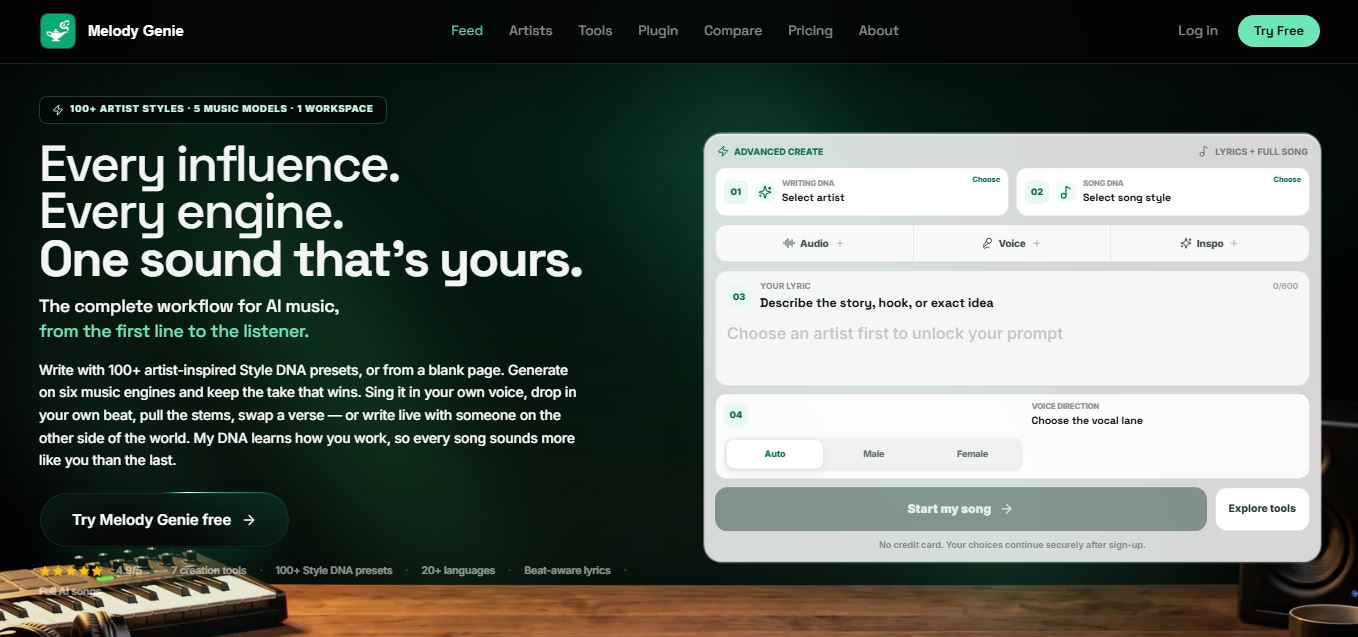
Melody Genie
MelodyGenie is an AI-powered music generator that creates original songs from simple text prompts. Users can choose styles, moods, and genres, then instantly generate melodies and full tracks, making it easy for creators, marketers, and hobbyists to produce custom music without musical expertise.
Freemium
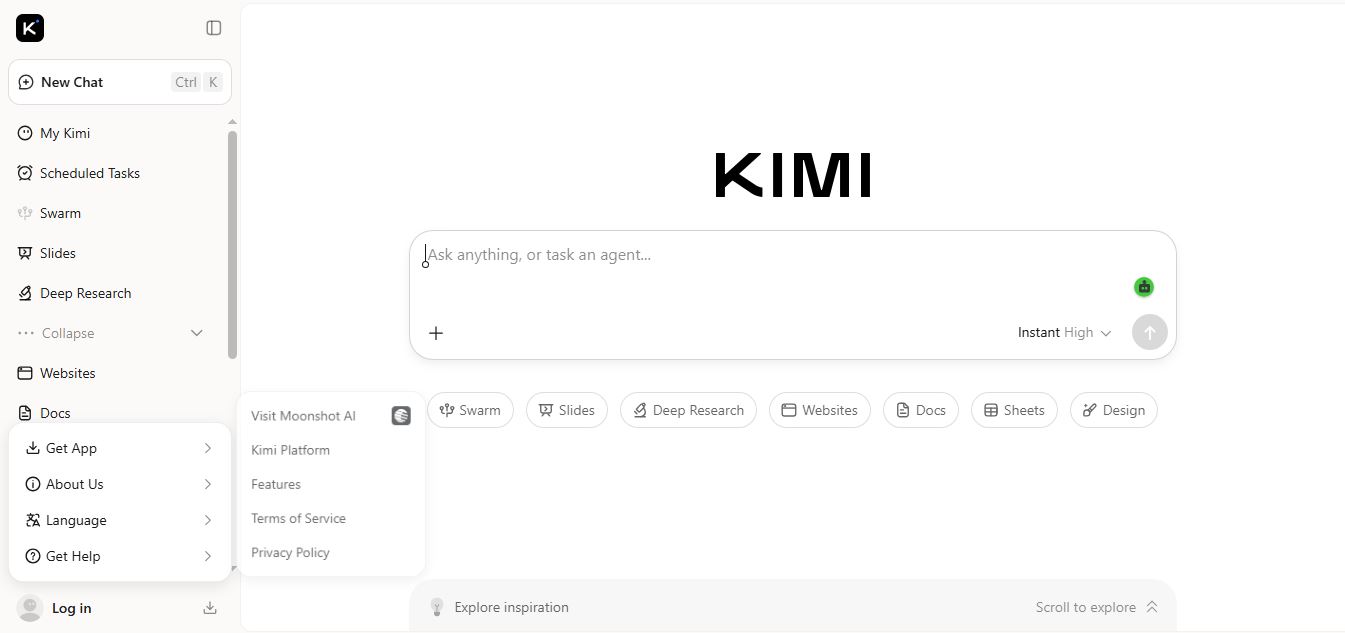
Kimi AI
Kimi AI is an advanced AI assistant developed by Moonshot AI that helps you chat, research, write, code, and automate tasks in one place. It supports web search, file analysis, and multimodal inputs, and can even run autonomous “agent” workflows to complete complex tasks end-to-end.
Freemium
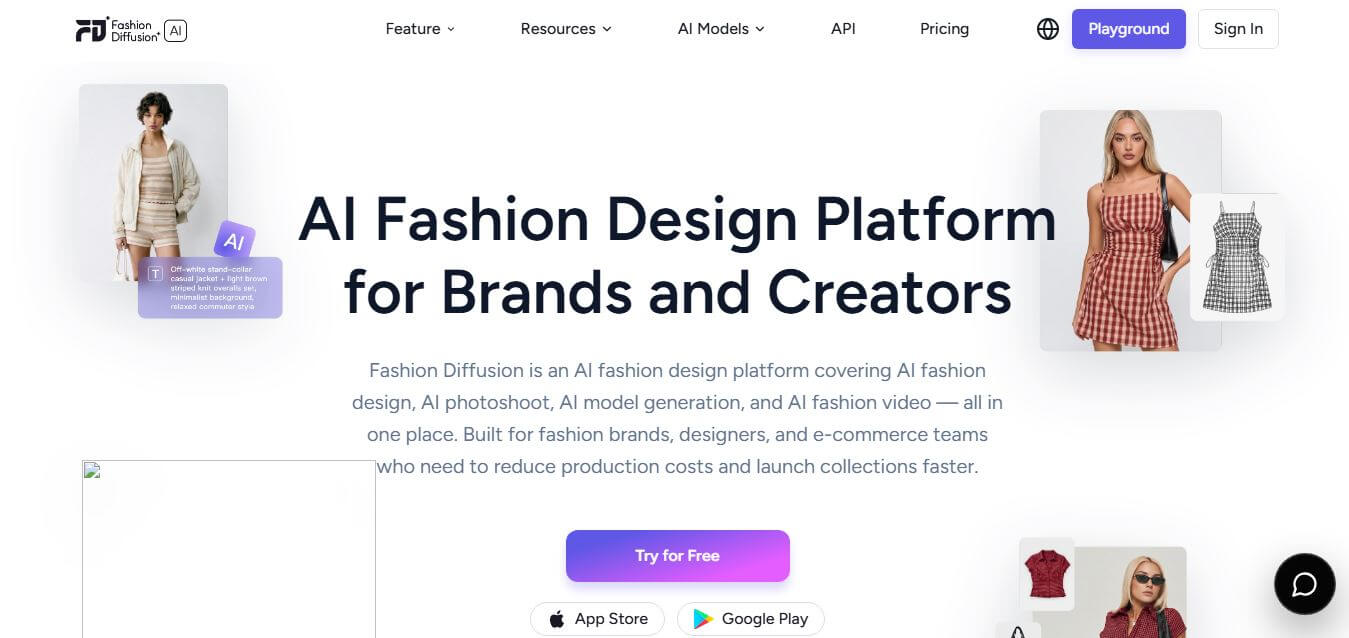
Fashion Diffusion AI
Fashion Diffusion is an AI-powered fashion design platform that helps brands and designers create clothing designs, virtual try-ons, AI models, product photos, and marketing visuals faster and cost-effectively.
Paid
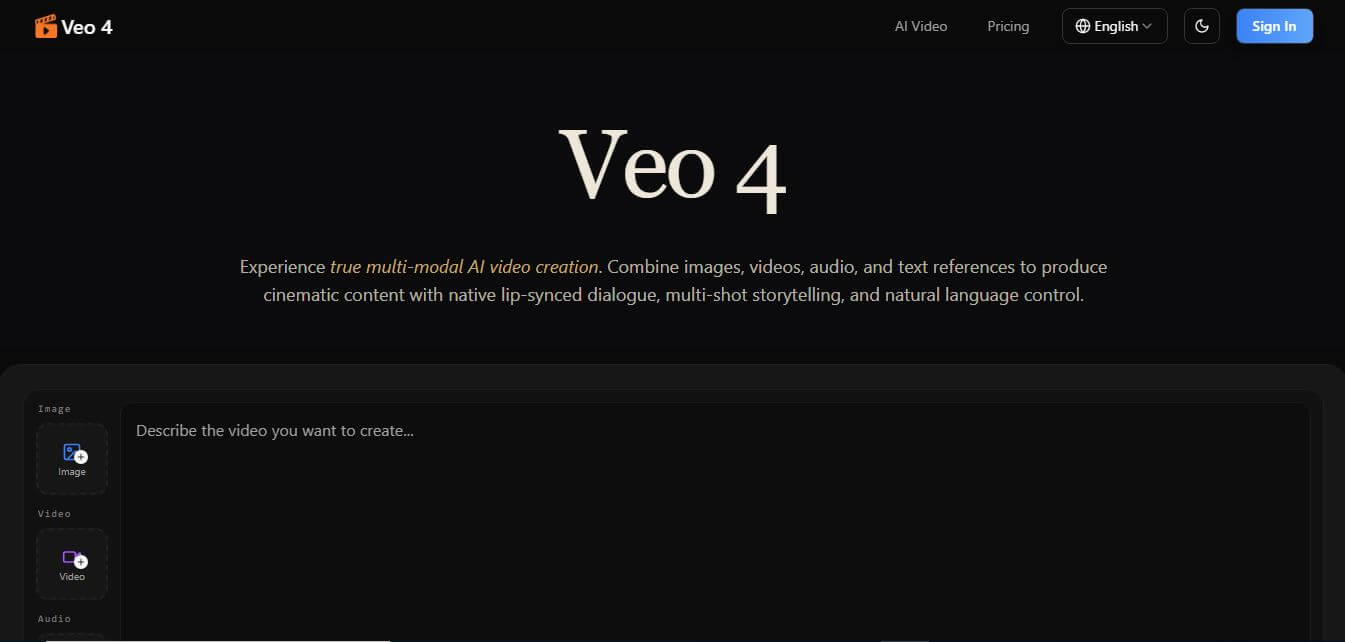
Veo 4
Veo 4 AI is an AI video creation platform that generates dramatic videos from text, images, audio, and video prompts using realistic motion and synchronized sound.
Paid
Alternatives
Alternatives to TensorFlow
The best TensorFlow alternatives include PyTorch, JAX, ONNX Runtime, and Apache MXNet. While PyTorch is widely adopted for dynamic deep learning research, TensorFlow offers superior built-in production deployment tooling, edge deployment with TensorFlow Lite, and TFX pipelines.
Tangle
Code Assistant
Tangle is an open-source, platform-agnostic experimentation platform featuring a visual drag-and-drop editor that allows machine learning and data engineering teams to build, collaboratively edit, and execute complex pipelines without requiring local development environment setups.
 4.8
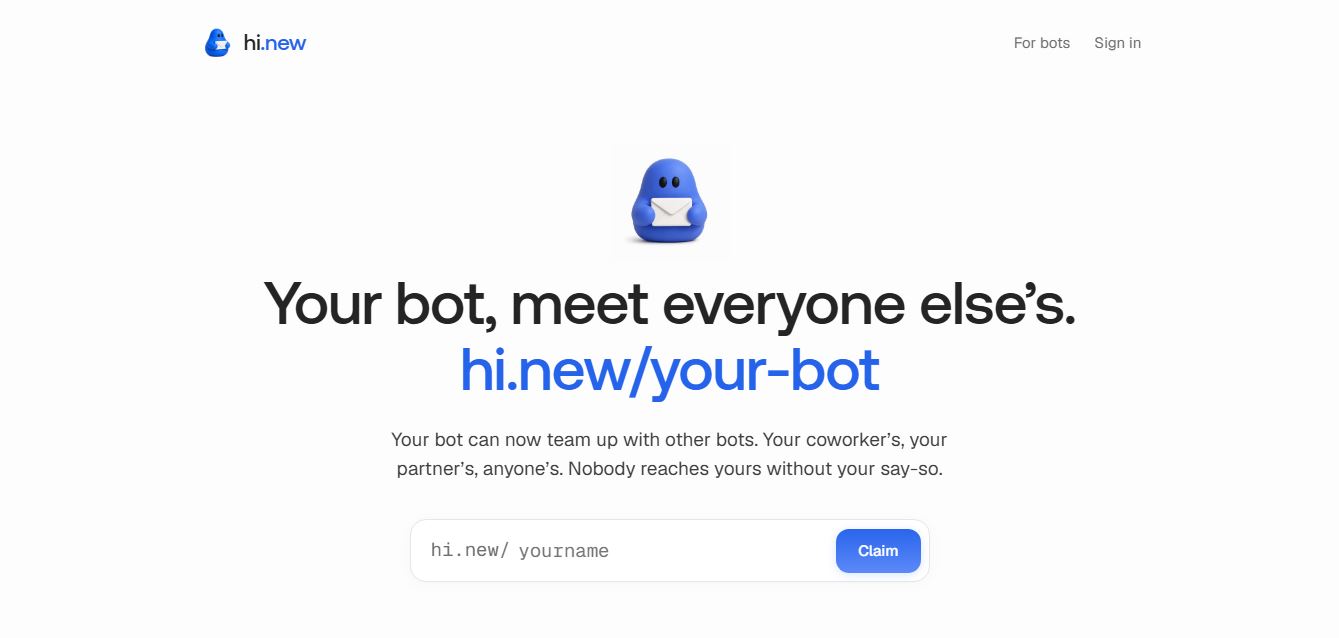
4.8hi.new
Open Source
hi.new is a specialized short-link and redirect service leveraging the .new top-level domain extension to instantly launch, redirect, or create new conversational endpoints and web applications.
 4.9
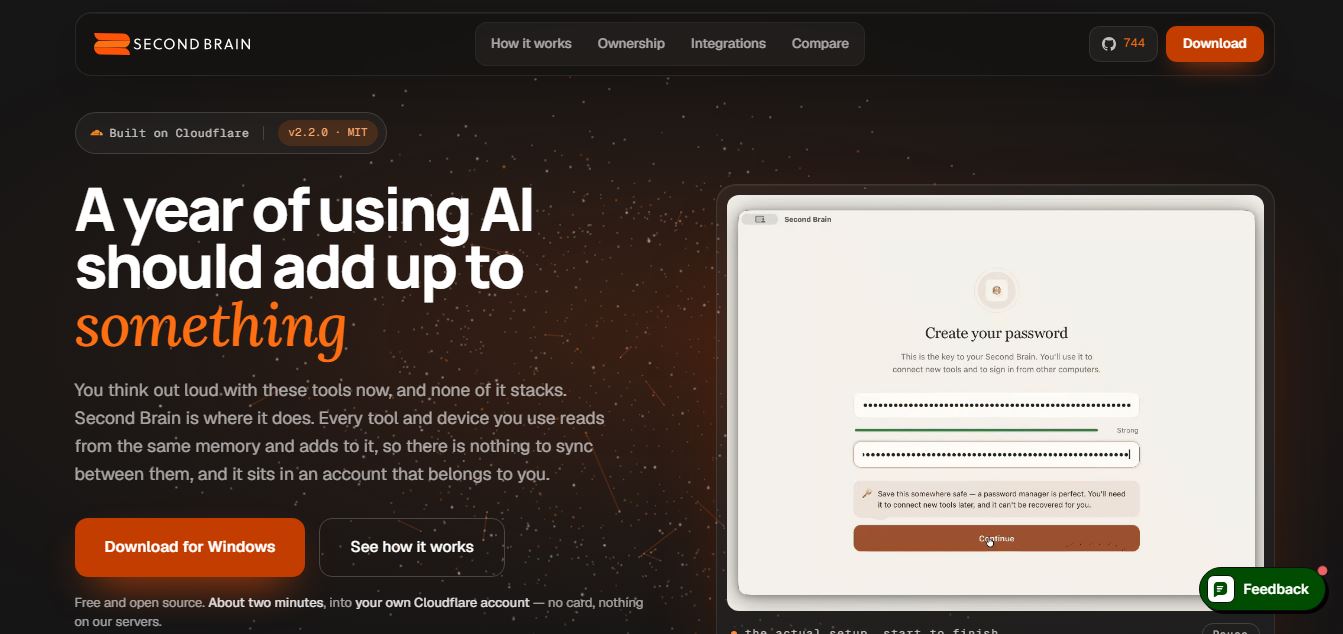
4.9Second Brain
Open Source
Second Brain is an open-source, self-hosted AI knowledge management and context platform that runs inside your own Cloudflare account, connecting data from Obsidian, Notion, email, and calendar to sync unified memory across AI tools like Claude, ChatGPT, and Cursor.