SiteGPT AI
SiteGPT is an AI chatbot platform that helps businesses automate customer support using their website content, documents, and knowledge sources. It answers visitor questions, supports lead generation, and integrates into websites, allowing teams to handle repetitive inquiries, improve customer experiences, and provide assistance around the clock.
What Is SiteGPT?
SiteGPT is an AI-powered chatbot platform that enables businesses to build personalized chatbots trained on their own website content, documents, and knowledge bases. Instead of manually answering every customer question, businesses can deploy an AI assistant that provides information about products, services, policies, and support topics.
The platform supports website crawling, document uploads, question-and-answer training, chatbot customization, and website embedding. Businesses can use SiteGPT to reduce repetitive support requests, help visitors find relevant information, capture potential leads, and direct complex inquiries to human agents. SiteGPT is particularly useful for SaaS companies, e-commerce stores, agencies, and service-based businesses that want to offer automated website support without developing a chatbot from scratch.
Key Facts About SiteGPT
| Category | Details |
|---|---|
| Tool Name | SiteGPT |
| Category | AI Chatbot, Customer Support |
| Main Purpose | Website-based AI customer support |
| Training Sources | Websites, files, text, and supported connected sources |
| AI Models | GPT-4.1-mini and GPT-4.1 |
| Integrations | Website embedding, APIs, and supported knowledge-source connections |
| Language Support | 95+ languages advertised by the platform |
| Free Trial | 7-day trial; credit card required |
| Best For | Customer support, product assistance, lead generation |
| Official Website | https://sitegpt.ai/ |
Key Features of SiteGPT
- AI Chatbot Trained on Website Content: SiteGPT lets users train chatbots on website pages and other supported knowledge sources. This allows the chatbot to answer questions based on business-specific information instead of relying only on general AI knowledge.
- Document and Knowledge-Base Training: Businesses can provide relevant files and text to expand the chatbot's knowledge. Supported file formats include PDF, DOCX, TXT, CSV, PPTX, and Markdown, subject to platform limits.
- Website Chatbot Embedding: Users can embed their chatbot on a website, help center, or other supported digital destination. This allows visitors to ask questions without leaving the page they are browsing.
- AI Model Selection: SiteGPT offers GPT-4.1-mini and GPT-4.1 options. The platform describes GPT-4.1-mini as a faster option and GPT-4.1 as a choice for deeper responses. The appropriate model depends on response quality, usage limits, and budget.
- Chatbot Customization: Businesses can customize the chatbot's appearance, including branding elements such as colors and logos, to better match their website and customer experience.
- Question-and-Answer Training: Teams can refine responses by adding question-and-answer pairs and using feedback from chatbot interactions. This helps address gaps in the knowledge base and improve answers to common customer questions.
- Lead Generation: SiteGPT can support lead-generation workflows by engaging website visitors and helping them find relevant product or service information. Businesses should configure and test lead capture carefully to ensure the chatbot collects the right information.
- Human Escalation: When an inquiry requires personal attention, chatbot workflows can help route or escalate the conversation to a human representative, depending on the configured setup.
- Analytics and Reporting: SiteGPT offers usage analytics, with more advanced reporting available on eligible plans. Businesses can use these insights to understand message volume, identify knowledge gaps, and improve chatbot responses.
- Security and Compliance Features: SiteGPT advertises security and compliance features, including SOC 2 Type II, GDPR, and HIPAA-related capabilities. Businesses handling sensitive or regulated information should confirm the exact scope of coverage, contractual terms, and configuration requirements before deployment.
SiteGPT Pricing
SiteGPT offers subscription plans based on chatbot quantity, message usage, training capacity, team members, and analytics features. The official pricing page lists the following prices at the time of review.
| Plan | Monthly Billing | Annual Billing Equivalent | Best For |
|---|---|---|---|
| Starter | $59/month | $39/month | Individuals and small websites |
| Growth | $129/month | $79/month | Growing teams |
| Scale | $429/month | $259/month | Larger support operations |
The listed annual equivalents require annual billing. The official pricing page advertises a 7-day free trial for self-serve plans, with a credit card required.
Important: Message quotas, supported training sources, chatbot limits, and available features differ by plan. Check the official SiteGPT pricing page before purchasing, as pricing and plan limits may change.
How to Use SiteGPT
You can set up a SiteGPT chatbot by following these steps:
- Create an account: Visit the SiteGPT website and sign up for an available plan or trial.
- Add training content: Provide your website URL, sitemap, supported documents, or other available knowledge sources.
- Train the chatbot: Allow SiteGPT to process the supplied content and create a knowledge-based assistant.
- Customize its appearance: Adjust branding, colors, and other available chatbot settings.
- Test the responses: Ask realistic customer questions and check that the answers are accurate, useful, and consistent with your business information.
- Embed the chatbot: Add the provided embed code to your website or use the chatbot link.
- Review and improve: Monitor conversations, correct weak answers, update source content, and refine the chatbot over time.
For best results, use current, clearly structured website content and test questions about pricing, product details, policies, and common support problems before launching.
Who Should Use SiteGPT?
SiteGPT can be useful for:
- SaaS companies: Answer questions about product features, onboarding, subscriptions, and documentation.
- E-commerce businesses: Help shoppers find product information, shipping details, return policies, and purchasing guidance.
- Small businesses: Provide automated answers without requiring a large support team.
- Marketing teams: Engage visitors and support lead-generation activities.
- Agencies: Build website-based assistants for clients who need automated support.
- Education and information websites: Help visitors navigate FAQs, resources, and published content.
- Customer support teams: Reduce repetitive inquiries so employees can focus on complex cases.
SiteGPT may be less suitable for businesses that need extensive bespoke workflows, highly specialized CRM integrations, or sophisticated multi-agent orchestration without first validating the available integrations and customization options.
Pros and Cons of SiteGPT
Pros
- Trains chatbots using website content and supported documents.
- Offers a relatively straightforward setup process.
- Can automate repetitive customer questions around the clock.
- Supports website embedding and chatbot customization.
- Includes question-and-answer training to improve responses.
- Offers analytics and higher-tier team collaboration features.
- Can support lead-generation and human-escalation workflows.
Cons
- Paid subscriptions may be expensive for very small websites.
- Message quotas and training limits vary by plan.
- Responses depend on the quality and freshness of training data.
- Chatbot customization and integrations may not meet every advanced use case.
- AI responses still need testing and monitoring to reduce incorrect or incomplete answers.
- Businesses must review privacy, compliance, and data-handling requirements before using sensitive information.
Best SiteGPT Alternatives
If SiteGPT does not meet your requirements, several other AI chatbot platforms are worth comparing.
1. Chatbase
Chatbase is a useful alternative for businesses that want to build AI chatbots from their own content and deploy them for website support. It is worth evaluating for teams looking for a knowledge-based chatbot builder with configurable behavior and integrations. Compare its current message limits, training sources, and pricing with SiteGPT before switching.
2. Tidio
Tidio combines customer communication tools with AI-assisted support. It is worth considering for small businesses and online stores that want to manage website chat and human customer conversations alongside automation. It may be a better fit when live chat is as important as automated answers.
3. Intercom Fin
Intercom Fin is designed for customer service teams that want AI-powered support within a broader help-desk and customer messaging platform. It may suit businesses that need structured support workflows and connections with their existing service operations. Evaluate its pricing and setup requirements against your expected conversation volume.
4. Zendesk AI
Zendesk AI is an option for organizations already using Zendesk for customer support. It can be a better fit for businesses looking to connect AI assistance with established ticketing and help-desk processes rather than introducing a standalone chatbot.
5. CustomGPT
CustomGPT is worth exploring for businesses that need AI assistants grounded in their own documents and knowledge sources. Compare source support, retrieval quality, customization, and deployment options with SiteGPT to determine which platform fits your use case.
6. Botpress
Botpress is a flexible conversational AI platform for teams that need to design more customized chatbot experiences and workflows. It may be better suited to technical teams that want more control over conversation logic and integrations, although this flexibility can involve additional setup.
SiteGPT Alternatives: Comparison Table
| Tool | Best For | Main Advantage | Consider If |
|---|---|---|---|
| SiteGPT | Website-trained customer support | Straightforward website knowledge training | You want a support chatbot based on your business content |
| Chatbase | Knowledge-based AI chatbots | Focused chatbot creation and deployment | You want to compare other website-trained chatbot builders |
| Tidio | Small businesses and e-commerce | AI assistance alongside live chat | Human and automated support need to work together |
| Intercom Fin | Customer service teams | AI within a broader support platform | You need established customer-service workflows |
| Zendesk AI | Help-desk operations | AI capabilities within Zendesk | Your support team already uses Zendesk |
| CustomGPT | Knowledge-based assistants | Document and content-focused use cases | Your assistant needs to work with specific business sources |
| Botpress | Custom chatbot workflows | Flexible conversation design | Your team wants more technical control |
SiteGPT vs. Chatbase: Which Is Better?
SiteGPT and Chatbase both target businesses that want AI chatbots grounded in their own information. SiteGPT is worth considering if you want a website-focused support assistant with training, embedding, and analytics features. Chatbase is another option to evaluate for knowledge-based chatbot creation and deployment.
The better choice depends on your source-content requirements, monthly conversation volume, customization needs, integration requirements, and budget. Test both with the same set of real customer questions before making a decision.
SiteGPT Review: Is It Worth Using?
SiteGPT is worth considering if your business receives repetitive questions about products, services, policies, or website content. Its main advantage is that it allows businesses to create an AI assistant using their own information without building a chatbot entirely from scratch.
The platform's usefulness depends on more than its initial setup. Training-data quality, answer accuracy, update frequency, integration requirements, and the ability to escalate complex issues are all important factors. Teams should test the chatbot with real queries and review its responses before relying on it for customer-facing support. For small and growing businesses seeking a website-trained AI chatbot, SiteGPT is a practical option to evaluate. Organizations with complex service operations should compare it with full help-desk platforms and more customizable chatbot builders.
SiteGPT Ratings and Scores
The following are suggested TechShark editorial ratings, not official SiteGPT scores or independently verified customer-review averages.
|
Rating Category |
Suggested Score |
|---|---|
|
AI Chatbot Performance |
4.4/5 |
|
Website Content Training |
4.5/5 |
|
Customer Support Automation |
4.4/5 |
|
Chatbot Customization |
4.2/5 |
|
Ease of Use |
4.5/5 |
|
Features and Integrations |
4.2/5 |
|
Pricing Flexibility |
4.0/5 |
|
Overall Editorial Rating |
4.3/5 |
Conclusion
SiteGPT is an AI chatbot platform for businesses that want to turn their website content and knowledge resources into an interactive support assistant. Its website training, document support, embedding options, and analytics can help reduce repetitive customer inquiries and make information easier to access. Its main limitations to evaluate are subscription costs, usage limits, customization requirements, and the accuracy of responses. Businesses should test the platform with real questions and compare it with alternatives before committing.
Overall, SiteGPT is worth considering for businesses looking for a website-trained AI chatbot for customer support, product assistance, and visitor engagement.
FAQ
How much does Sit
The official pricing page lists Starter at $59 per month, Growth at $129 per month, and Scale at $429 per month with monthly billing. Lower monthly equivalents are available with annual billing. Confirm the latest pricing and limits before subscribing.
Can SiteGPT train a chatbot on my website?
Yes. SiteGPT can train a chatbot using website URLs and other supported knowledge sources, including documents and text. The amount of content supported depends on your subscription plan.
Does SiteGPT support multiple languages?
SiteGPT advertises support for more than 95 languages. Businesses should test the languages relevant to their customers to confirm response quality and suitability.
Can I add SiteGPT to WordPress?
SiteGPT provides chatbot embedding options that can be added to a compatible website. WordPress users can generally add supported embed code through an appropriate HTML or code block, theme, or plugin workflow. Confirm the method against your website setup.
Is SiteGPT suitable for e-commerce websites?
Yes. E-commerce businesses can train SiteGPT on product information, shipping policies, return rules, and FAQs. Answers should be tested carefully, particularly when they concern live inventory, order status, refunds, or other data that may change frequently.
What are the best alternatives to SiteGPT?
Chatbase, Tidio, Intercom Fin, Zendesk AI, CustomGPT, and Botpress are alternatives worth evaluating. The right choice depends on whether you prioritize knowledge-based answers, live chat, help-desk workflows, document search, or advanced customization.
User Reviews
No reviews yet for SiteGPT AI.
Featured Tools
Featured AI tools from TechShark
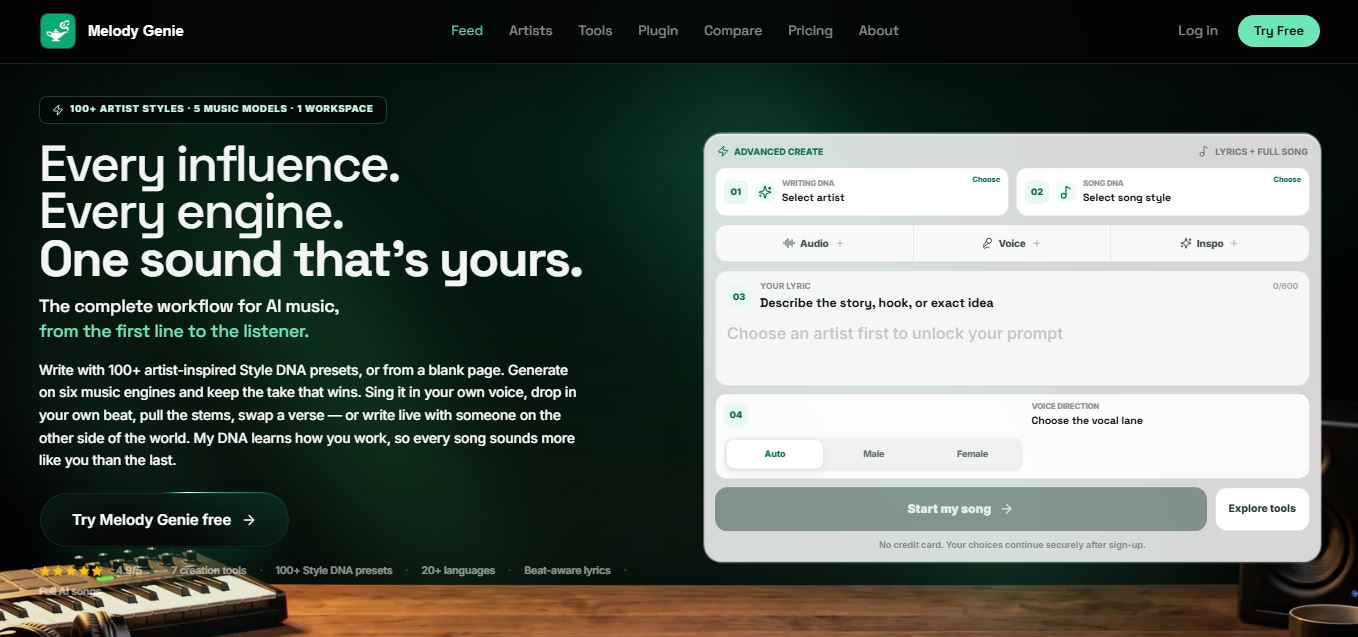
Melody Genie
MelodyGenie is an AI-powered music generator that creates original songs from simple text prompts. Users can choose styles, moods, and genres, then instantly generate melodies and full tracks, making it easy for creators, marketers, and hobbyists to produce custom music without musical expertise.
Freemium
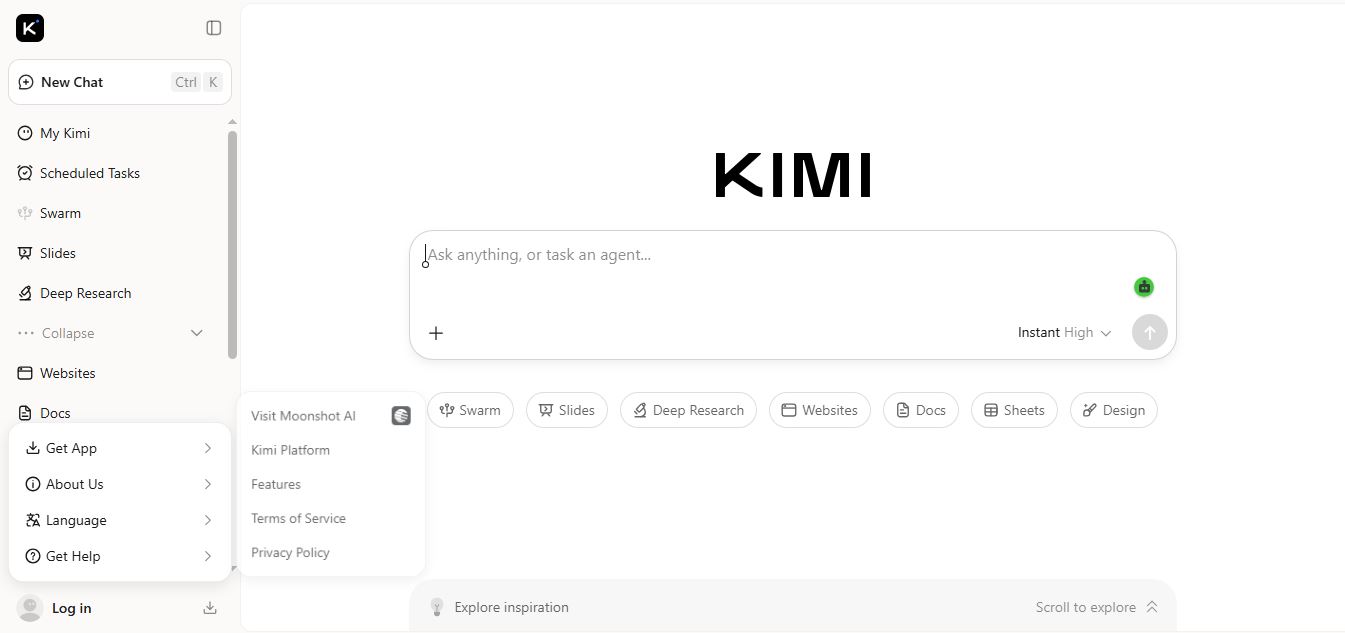
Kimi AI
Kimi AI is an advanced AI assistant developed by Moonshot AI that helps you chat, research, write, code, and automate tasks in one place. It supports web search, file analysis, and multimodal inputs, and can even run autonomous “agent” workflows to complete complex tasks end-to-end.
Freemium
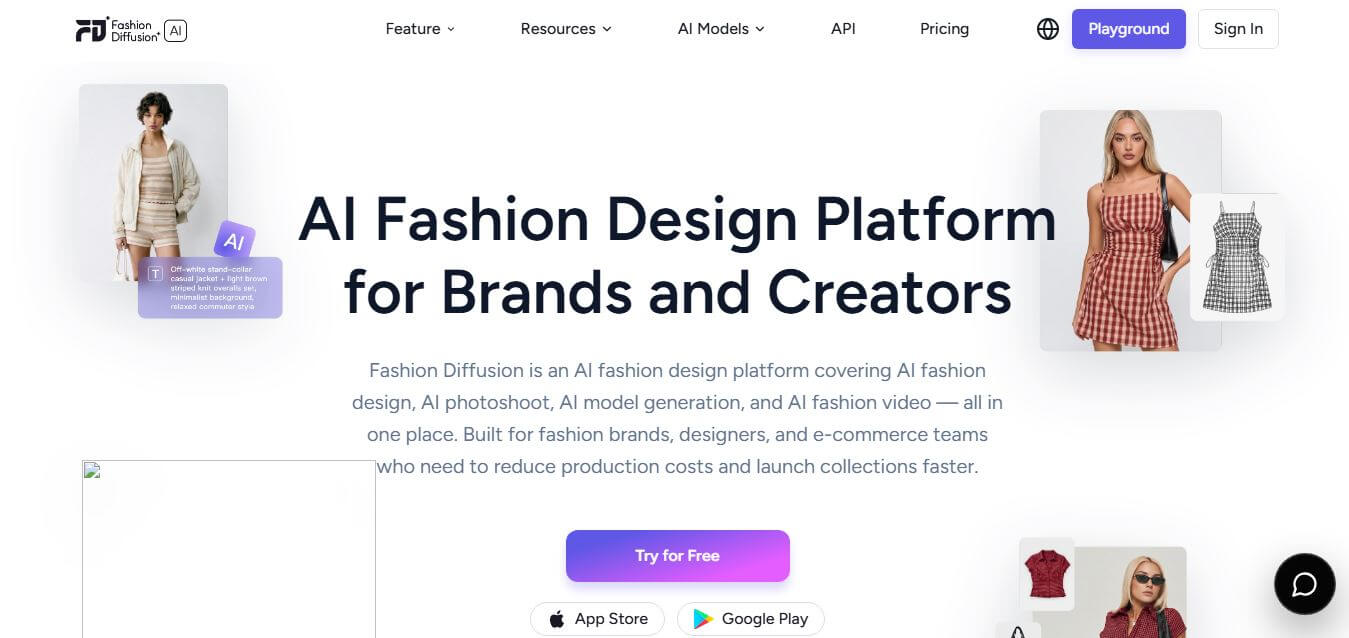
Fashion Diffusion AI
Fashion Diffusion is an AI-powered fashion design platform that helps brands and designers create clothing designs, virtual try-ons, AI models, product photos, and marketing visuals faster and cost-effectively.
Paid
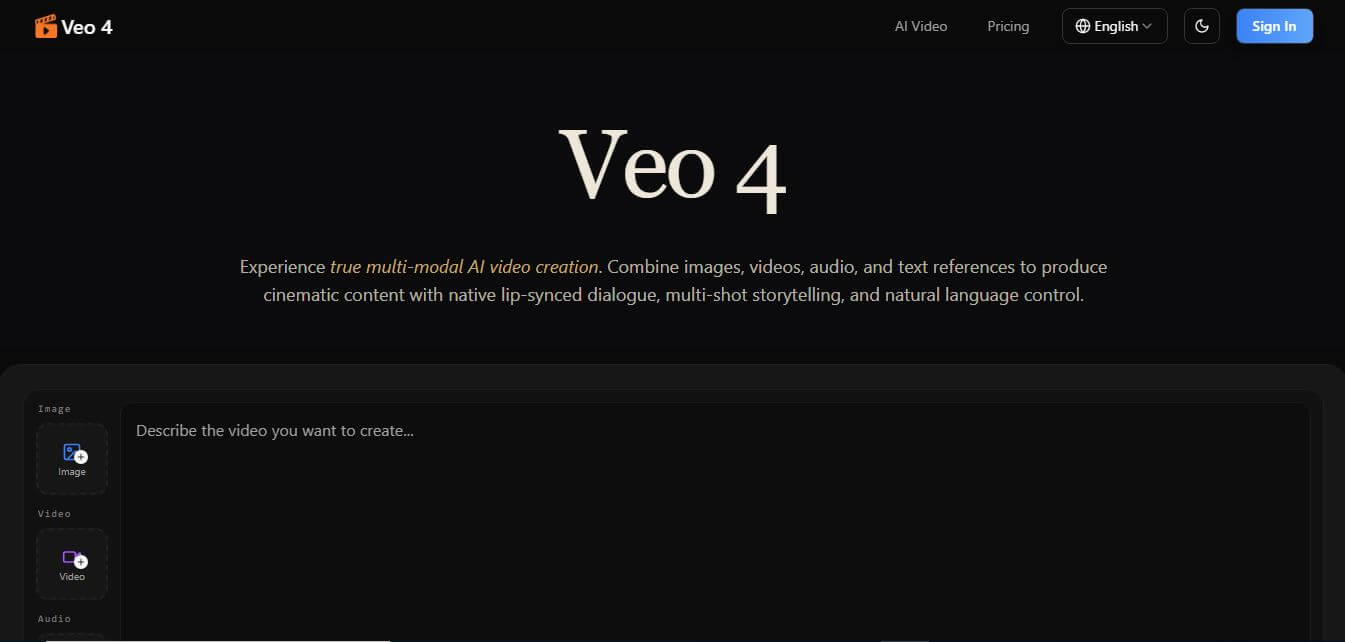
Veo 4
Veo 4 AI is an AI video creation platform that generates dramatic videos from text, images, audio, and video prompts using realistic motion and synchronized sound.
Paid
Alternatives
Alternatives to SiteGPT AI
The best alternative to SiteGPT is Chatbase for quickly building knowledge-based chatbots, while Tidio suits small businesses combining AI chat with live support. Intercom Fin is designed for customer service teams that need deeper help-desk workflows, and Zendesk AI fits organizations already using Zendesk. CustomGPT is worth considering for document-focused assistants, while Botpress offers more flexibility for teams building customized conversational experiences and advanced chatbot workflows for growing business teams.
Text
AI Agent
Text is an AI-powered customer service platform that combines live chat, help desk ticketing, AI agents, and workflow automation. It helps businesses manage customer conversations, automate repetitive support tasks, answer questions, engage website visitors, and turn customer interactions into sales opportunities through a unified communication workspace.
 4.7
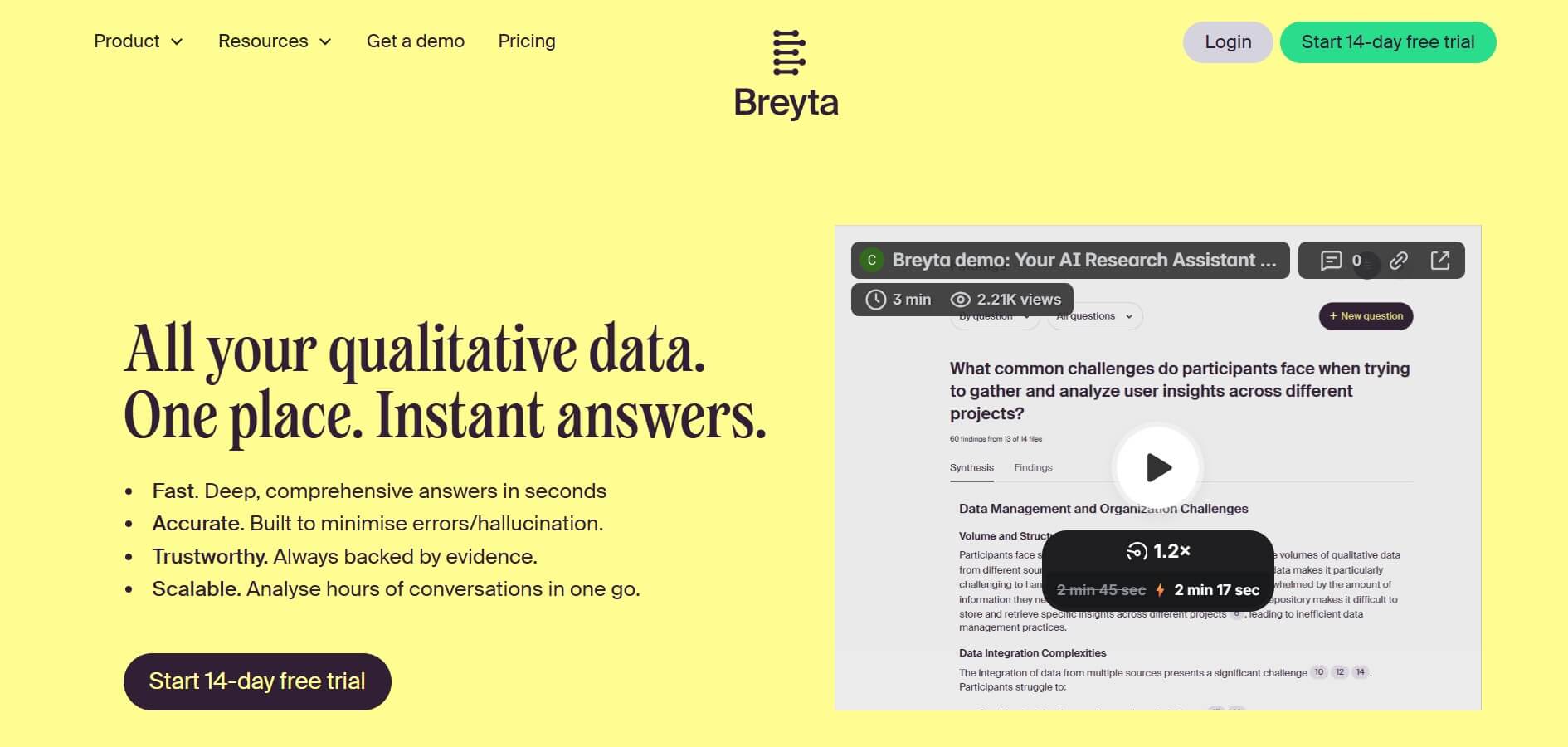
4.7Breyta
Customer Support
Breyta helps creators and businesses build, automate, package, and sell AI workflows and agents. It supports LLM, HTTP, code, database, storage, webhook, approval, and notification steps. Users can publish workflows as apps, HTTP endpoints, MCP tools, or reusable components while Breyta manages hosting, execution, billing, customer installations, and payouts.
 4.9
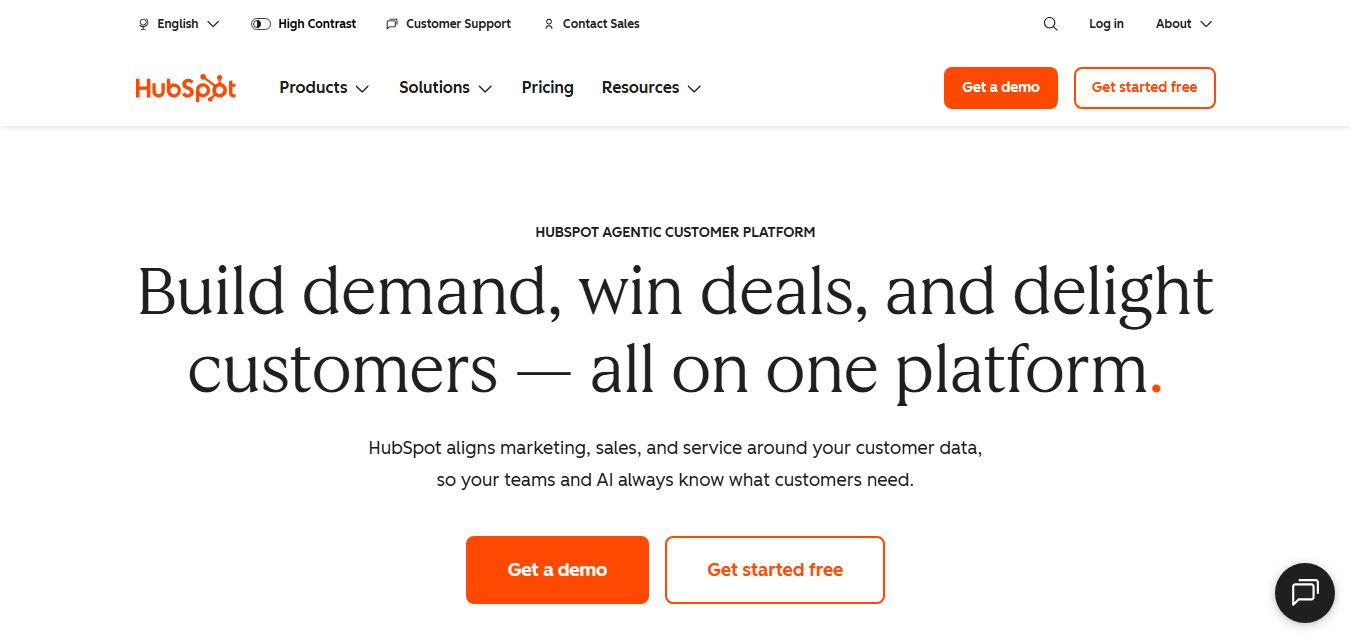
4.9HubSpot
Marketing
HubSpot is an AI-powered customer platform that helps businesses manage marketing, sales, customer service, and content in one place. It offers a free CRM, automation tools, analytics, and AI features, enabling teams to attract leads, close deals, and deliver better customer experiences at scale.
 4.9
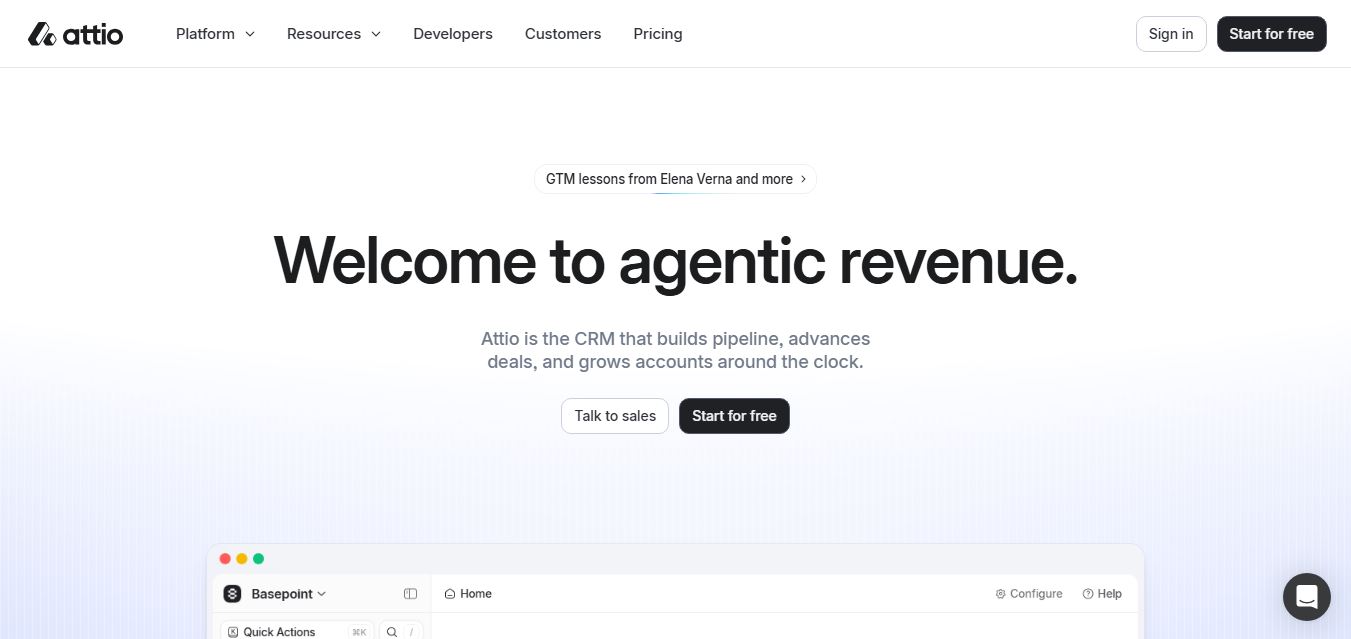
4.9Attio
Customer Support
Attio is an AI-native CRM platform designed to help teams manage leads, build pipelines, and automate sales workflows. It uses AI agents to enrich data, qualify prospects, and move deals forward, enabling faster decisions and more efficient revenue growth across the entire sales process.
 4.9
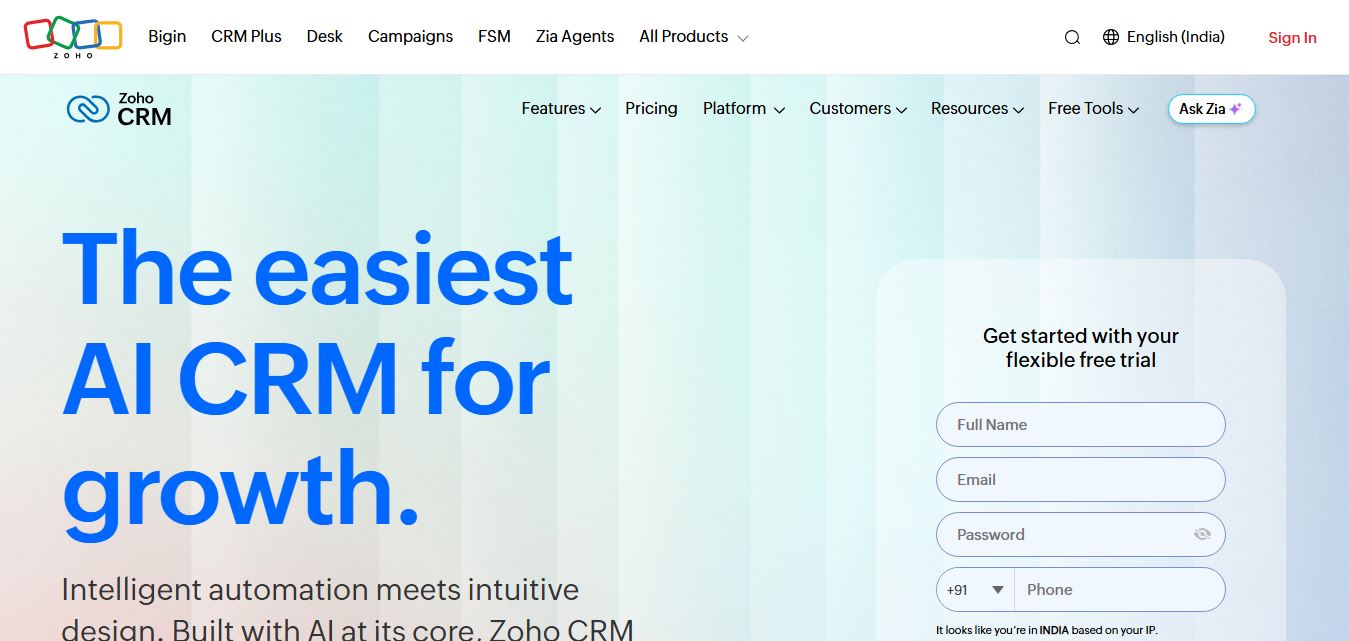
4.9Zoho CRM
Customer Support
Zoho CRM is an enterprise-grade, cost-effective customer relationship management platform that automates sales pipelines, lead scoring, and omnichannel customer interactions using Zia AI, visual process Blueprints, and drag-and-drop Canvas interface customization.
 4.8
4.8Freshdesk
Customer Support
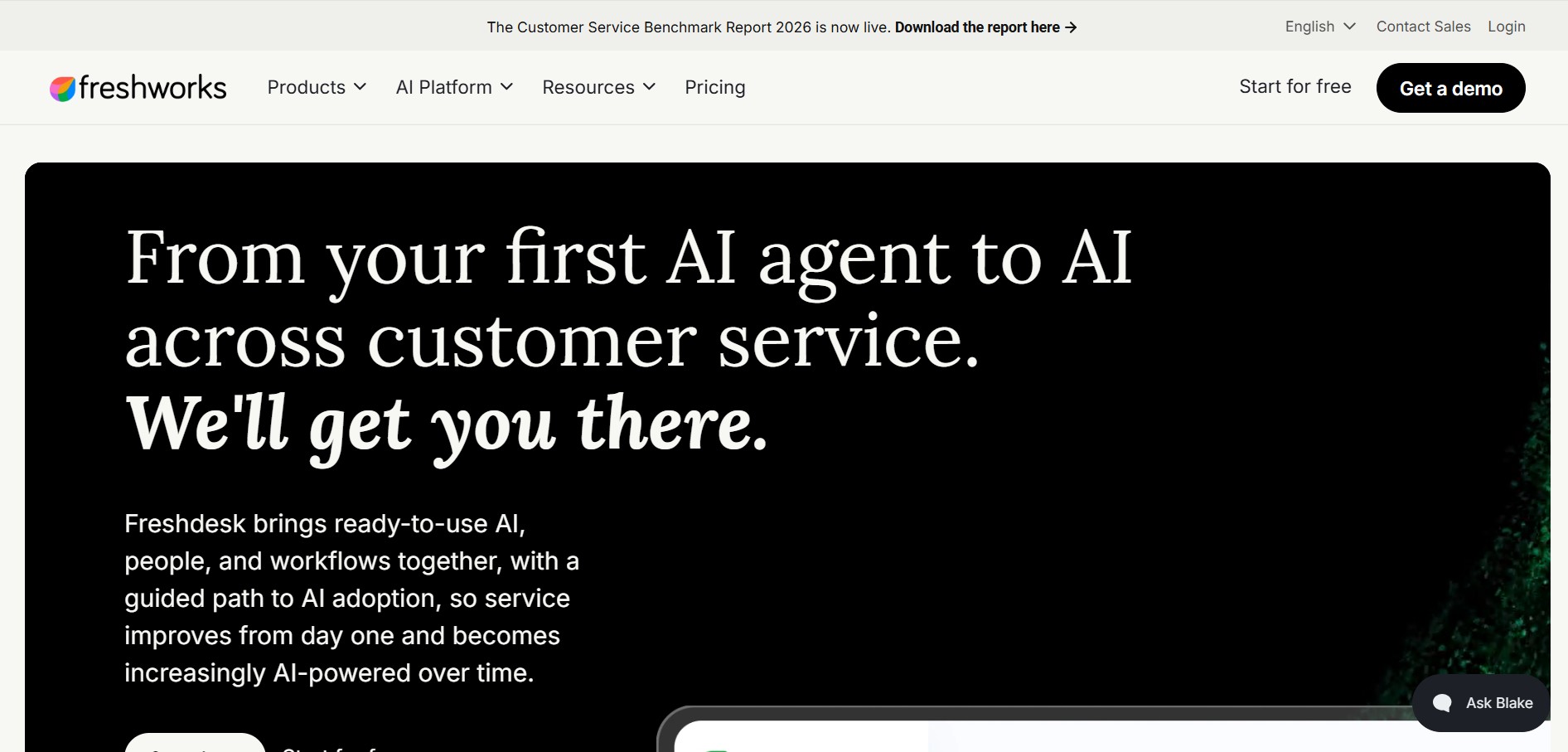
Freshdesk is a cloud-based customer support helpdesk and omnichannel ticketing platform by Freshworks that integrates Freddy AI to automate ticket triaging, power conversational AI agents, and assist human reps with predictive responses and workflow automations.
Intercom
Customer Support
Intercom is an AI-first customer service platform that combines human support workspaces, proactive product messaging, omnichannel ticketing, and the Fin AI Agent to resolve customer inquiries end-to-end with outcome-based pricing.
Typewise
Customer Support
Typewise is an enterprise AI customer service and autonomous agent platform powered by its AI operator Nova and deep text-prediction technology, enabling support teams to resolve inquiries end-to-end across email, chat, and WhatsApp with transparent pay-per-resolution pricing.
 4.8
4.8Kustomer
Customer Support
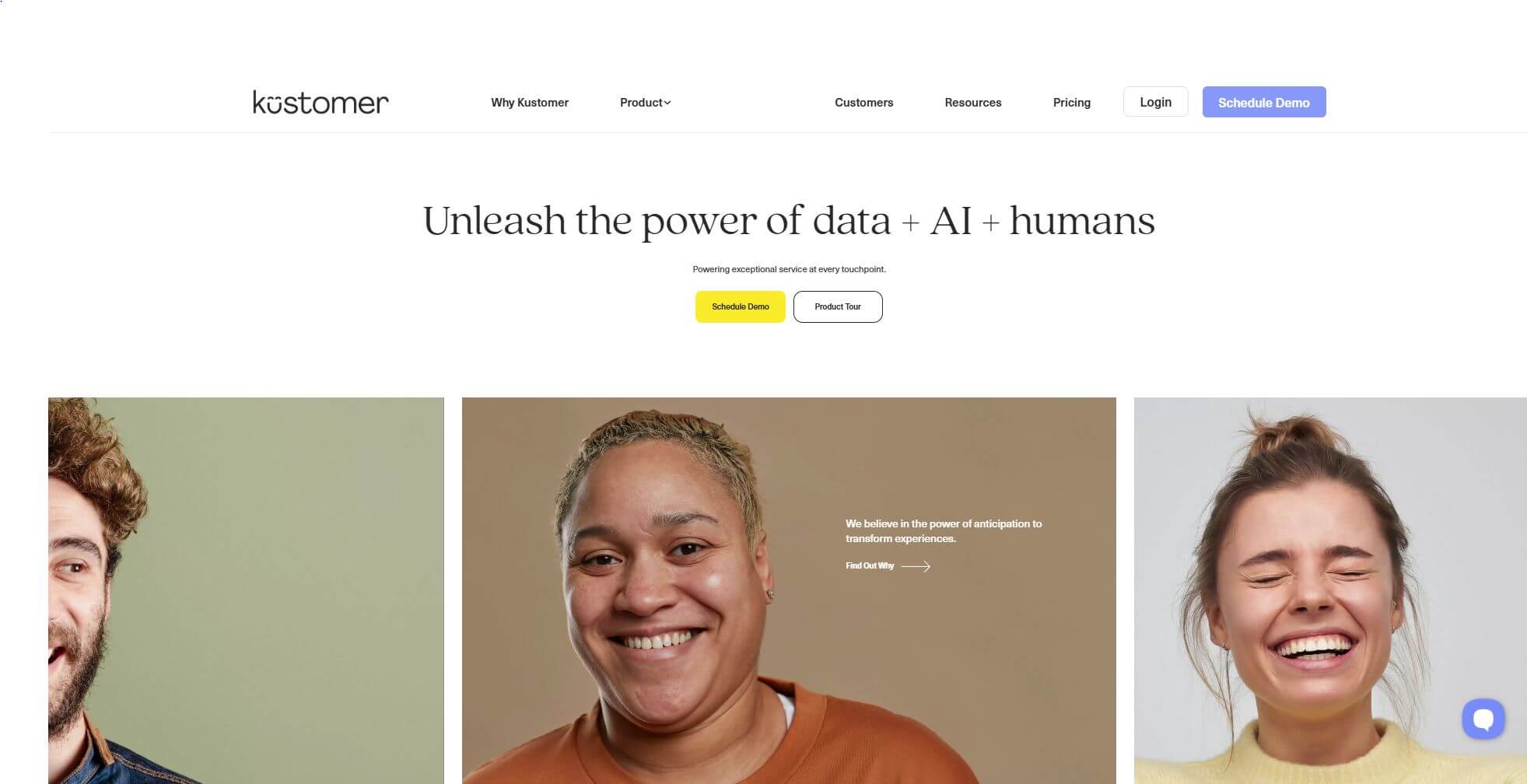
Kustomer is an AI-native customer service CRM and omnichannel support platform that replaces isolated ticket threads with a unified, real-time customer conversation timeline, powering autonomous AI agents (Concierge) and rep copilots (Envoy) with deterministic business logic and enterprise integrations.