
Qdrant
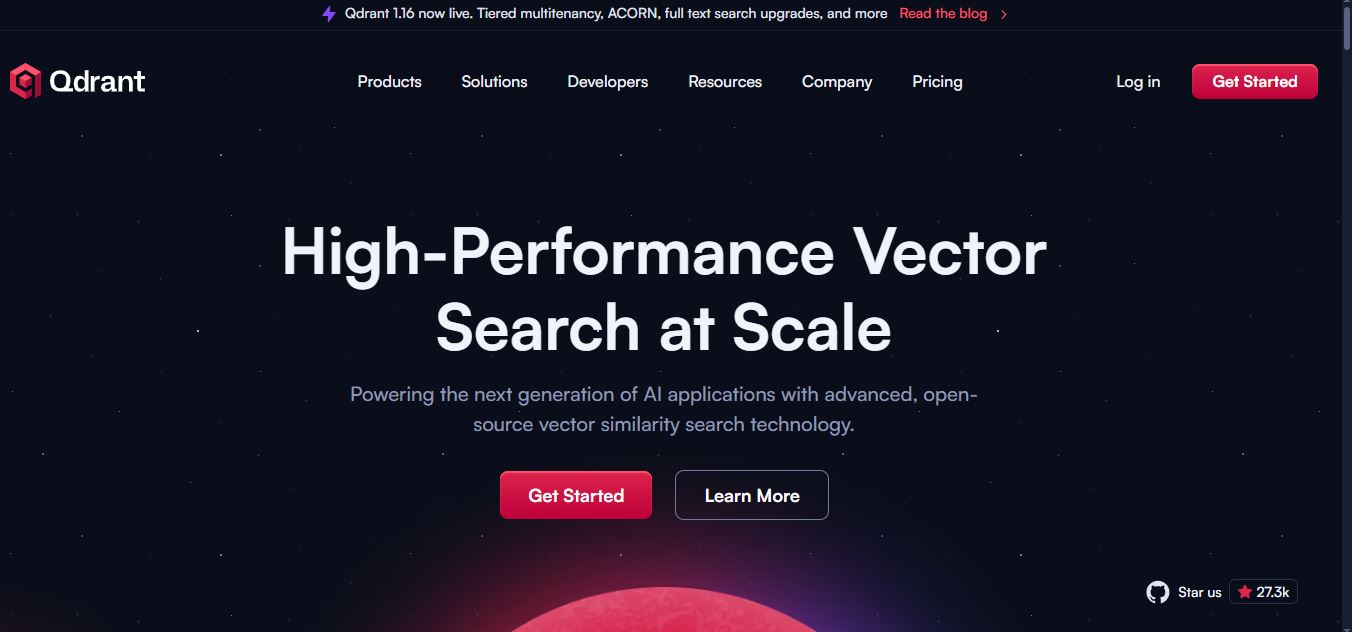
Qdrant is a vector search engine for building fast, scalable AI retrieval systems. It supports semantic search, RAG, recommendations, AI agents, hybrid dense-sparse retrieval, metadata filtering, reranking, and multimodal search. Developers can self-host Qdrant or use Qdrant Cloud for managed infrastructure, scaling, backups, monitoring, and enterprise deployment options for applications.
What is Qdrant?
Qdrant is a vector search engine designed to store, index, and retrieve high-dimensional vectors for AI applications. It helps developers build semantic search, recommendation systems, retrieval-augmented generation, and AI agents by combining vector similarity with metadata filtering. Qdrant can run as open-source software, managed Cloud, Hybrid Cloud, Private Cloud, or Edge deployments. This flexibility lets teams match deployment choices to development, security, performance, and data-residency requirements.
Qdrant reports 30k+ GitHub stars and 60k+ community members. Its engine is built in Rust and supports dense and sparse hybrid search, multivector retrieval, metadata filtering, real-time indexing, and reranking. Qdrant says quantization can reduce memory usage by up to 64x. Qdrant Cloud offers a free tier with 0.5 vCPU, 1 GB RAM, and 4 GB disk, while paid tiers provide scaling, backups, and higher availability. Examples include billions of reviews and images, 2M+ conversations, and 14M vectors with sub-second filtered responses.
- Platform Role: Vector Database & Similarity Search Engine
- Developer & Organization: Qdrant Solutions GmbH
- Cross-Platform Access: Open-source self-hosted binary/Docker container (Apache 2.0), Qdrant Cloud (Managed SaaS), Hybrid Cloud, and client SDKs (Python, JavaScript/TypeScript, Rust, Go, Java)
Use Cases:
- Retrieval-Augmented Generation (RAG) knowledge bases for LLMs and AI chatbots
- Long-term context memory storage for autonomous AI agents
- Semantic text search, visual image search, and audio similarity matching
- Personalized recommendation engines driven by user embeddings
- Anomalous behavior detection and dynamic clustering across high-dimensional datasets
Technology:
- Engineered in Rust for low-level memory control, concurrency, and performance
- Hierarchical Navigable Small World (HNSW) graph indexing for fast approximate nearest neighbor (ANN) retrieval
- Scalar Quantization (SQ) and Binary Quantization (BQ) compression techniques reducing memory footprints by up to 32x
- Custom payload indexers supporting strict boolean, numeric, keyword, and geospatial metadata filtering
Target Users:
- AI engineers and data scientists building RAG pipelines and vector-search applications
- DevOps and platform engineers requiring flexible deployment options (local, cloud, or hybrid)
- Enterprise software architects implementing privacy-focused, scalable AI memory infrastructure
Acquisition: Open-source installation via Docker/GitHub or managed cloud deployment at qdrant.tech.

What are the key features of Qdrant?
Qdrant's key platform features are
- Rich Payload Filtering: Filter vector search results using JSON metadata payloads without sacrificing retrieval precision or query speed.
- Binary & Scalar Quantization: Advanced vector compression methods that decrease RAM requirements significantly while maintaining high recall accuracy.
- Distributed & Cloud Architecture: Supports dynamic sharding, horizontal scaling, auto-healing, and zero-downtime cluster upgrades.
- Rust-Powered Efficiency: Ultra-fast execution with minimal overhead, delivering low p99 latencies even under concurrent read/write loads.
- Hybrid & Multi-Vector Search: Store multiple vector representations per object and combine dense embeddings with sparse lexical representations.
- Flexible Deployment Options: Deploy as a local Docker container, an embedded Rust library, a managed SaaS cluster, or a self-hosted enterprise setup.
How much does Qdrant cost?
Qdrant offers an open-source self-hosted edition, a free forever managed cloud tier, and scalable paid cloud plans.
Free Options:
- Open-Source (Apache 2.0 - $0): Free to download, run, and host on your own infrastructure with zero licensing fees.
- Qdrant Managed Cloud Free Tier ($0): Permanent free tier providing 1GB RAM, 0.5 vCPU, and 4GB disk storage (no credit card required).
Paid Tiers:
- Managed Cloud Standard Tier (Usage-Based): Dedicated resource clusters starting from ~$25-$30/month based on RAM, vCPU, and disk allocations. Zero per-query charges.
- Qdrant Managed Cloud Premium Tier (Custom Pricing): Includes 99.9% uptime SLA, Enterprise SSO, Private VPC Links, and 24/7 support.
- Qdrant Hybrid Cloud ($0.014 / hour base): Manage Qdrant clusters on your own cloud or on-premises hardware via Qdrant's central management plane.
Disclaimer: Managed Cloud cluster costs scale according to selected hardware specifications. Check qdrant.tech/pricing for current calculator metrics.
Who should use Qdrant?
Qdrant is designed for AI developers and enterprise engineering teams, including
- RAG & LLM Application Developers: Developers building generative AI systems that need accurate document context and fast similarity matching.
- Cost-Conscious Engineering Teams: Teams looking to lower vector search hardware costs using Binary Quantization and self-hosting.
- Privacy-Focused Organizations: Companies needing local, air-gapped, or hybrid cloud vector deployments for sensitive data.
What are the best alternatives to Qdrant?
Some of the strongest Qdrant alternatives include
- Pinecone
- Weaviate
- Milvus / Zilliz
- Chroma
- pgvector
What are the pros and cons of Qdrant?
What are the pros of Qdrant?
- Rust codebase delivers exceptional performance, memory efficiency, and stability
- Advanced quantization (Binary and Scalar) lowers RAM costs drastically
- Flexible deployment options across self-hosted Docker, Managed Cloud, and Hybrid Cloud setups
- No per-query charges on Managed Cloud plans
What are the cons of Qdrant?
- Self-hosting requires infrastructure monitoring and cluster management experience
- Quantization configurations require careful tuning to balance speed versus recall accuracy
- Smaller ecosystem of third-party plugins compared to legacy relational databases
Why should you choose Qdrant?
Many vector databases force a choice between high cloud subscription fees and complex self-managed infrastructure. Qdrant provides a middle ground: an open-source, Rust-engineered database that runs efficiently on small servers while scaling to billions of vectors. Its payload filtering and vector quantization reduce operational costs without sacrificing search precision.
How does Qdrant compare to competitors?
While Pinecone offers a managed serverless experience and Weaviate focuses on graph-like data structures, Qdrant stands out with its Rust performance, payload filtering, quantization capabilities, and predictable resource-based pricing.
| Feature / Platform | Qdrant | Pinecone | Weaviate | Milvus |
|---|---|---|---|---|
| Engine Architecture | Rust (High efficiency) | Proprietary Cloud | Go & C++ | C++ & Go |
| Self-Hosting Option | Yes (Open-source Apache 2.0) | No (Cloud Only) | Yes (Open-source BSD) | Yes (Open-source Apache 2.0) |
| Quantization Support | Binary & Scalar Quantization | Automated Cloud Indexing | Product & Scalar Quantization | Scalar & Product Quantization |
| Query Billing | $0 (Flat cluster pricing) | Metered Read Units | Metered / Flat Cloud Tiers | Metered (Zilliz Cloud) |
How do we rate Qdrant?
| Parameter | Rating (out of 5) |
|---|---|
| Search Speed & Latency | 4.9 |
| Memory Efficiency & Compression | 4.9 |
| Payload Filtering & Flexibility | 4.8 |
| Developer Experience & SDKs | 4.7 |
| Value for Money | 4.9 |
| Overall Score | 4.84 |
What is our review and verdict on Qdrant?
Qdrant is one of the most reliable and efficient vector databases available today. Its Rust foundation ensures high throughput with minimal resource overhead, and its vector quantization features drastically reduce hosting costs. Whether deployed locally via Docker or through Qdrant Cloud, it delivers fast similarity search for production AI systems.
Conclusion
Qdrant is a strong choice for developers building production-grade AI retrieval, especially when semantic search, RAG, recommendations, or agent memory require fast and flexible vector search. Its open-source engine, hybrid retrieval, filtering, multivector support, and deployment flexibility make it suitable from prototypes to enterprise workloads. The free Cloud tier also provides a practical way to test the technology before scaling.
FAQ
Is Qdrant open-source?
Yes, Qdrant is open-source and available for free under the Apache 2.0 license.
What programming languages does Qdrant support?
Qdrant supports REST and gRPC APIs, making it accessible from Python, JavaScript, Go, and other languages.
Can I deploy Qdrant on-premise?
Yes, Qdrant can be deployed on-premise, in the cloud, or as a managed service via Qdrant Cloud.
How does Qdrant differ from Pinecone?
Qdrant is open source and self-hosted, while Pinecone focuses on managed vector database services.
Does Qdrant support hybrid search?
Yes, Qdrant allows hybrid search by combining vector and metadata filtering for more accurate results.
User Reviews
No reviews yet for Qdrant.
Featured Tools
Featured AI tools from TechShark
Melody Genie
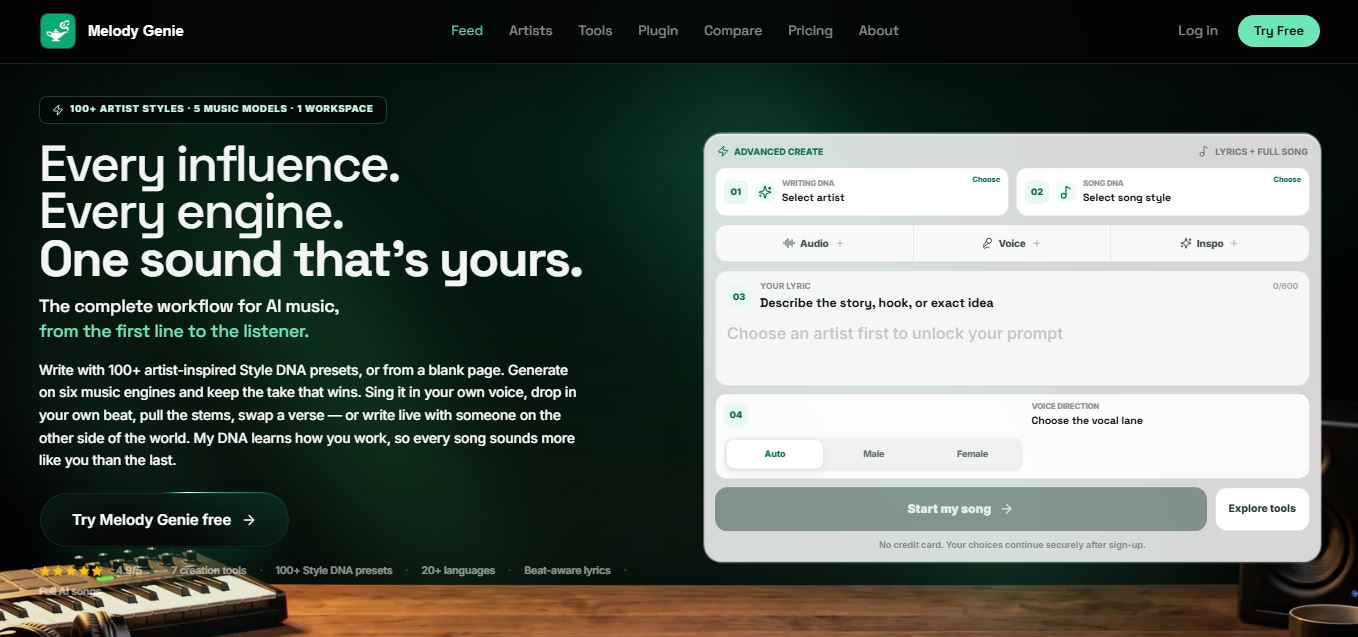
MelodyGenie is an AI-powered music generator that creates original songs from simple text prompts. Users can choose styles, moods, and genres, then instantly generate melodies and full tracks, making it easy for creators, marketers, and hobbyists to produce custom music without musical expertise.
Freemium
Kimi AI
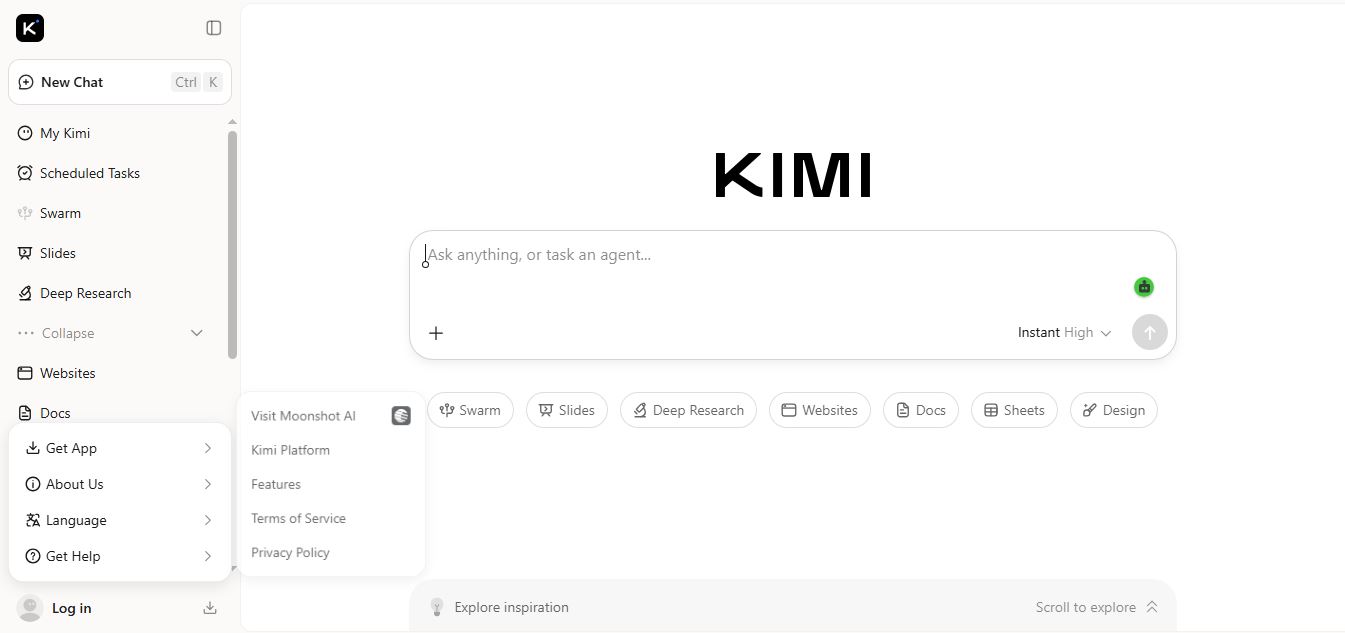
Kimi AI is an advanced AI assistant developed by Moonshot AI that helps you chat, research, write, code, and automate tasks in one place. It supports web search, file analysis, and multimodal inputs, and can even run autonomous “agent” workflows to complete complex tasks end-to-end.
Freemium
Fashion Diffusion AI
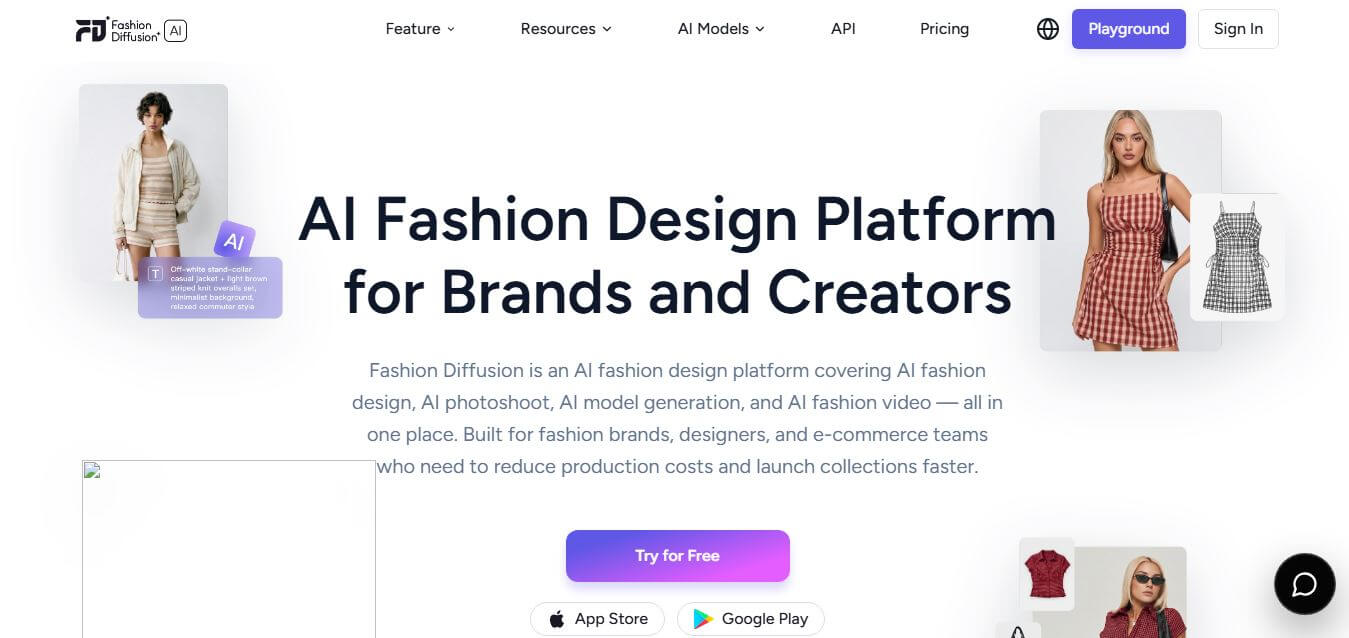
Fashion Diffusion is an AI-powered fashion design platform that helps brands and designers create clothing designs, virtual try-ons, AI models, product photos, and marketing visuals faster and cost-effectively.
Paid
Veo 4
Veo 4 AI is an AI video creation platform that generates dramatic videos from text, images, audio, and video prompts using realistic motion and synchronized sound.
Paid
Alternatives
Alternatives to Qdrant
The best Qdrant alternatives include Pinecone, Weaviate, Milvus, and Chroma. While Qdrant offers open-source self-hosting alongside a managed cloud with Rust performance and quantization, alternatives like Pinecone provide a fully managed serverless experience.
 4.8
4.8AiDash
Personal Assistant
AiDASH helps utilities and infrastructure organizations monitor assets, identify vegetation and climate-related risks, predict storm and wildfire impacts, and prioritize inspections. Its platform combines satellite imagery, AI models, weather, GIS, and historical operational data to provide actionable intelligence for improving reliability, reducing costs, and strengthening infrastructure resilience.
 4.8
4.8AutoDraw
Personal Assistant
AutoDraw is a free Google drawing tool that recognizes rough sketches and suggests polished illustrations. You can draw using a phone, tablet, or computer, select a matching suggestion, add colors and shapes, and create simple visual content quickly. It is useful for beginners, students, educators, presentations, invitations, and casual creative projects.
 4.8
4.8Inngest
Personal Assistant
Inngest helps developers build reliable workflows and AI agents by adding durable execution to application code. It handles retries, waits, saved step results, concurrency, scheduling, and execution traces, while allowing teams to keep existing infrastructure. It is designed for background jobs, long-running workflows, integrations, and multi-step automated processes.
 4.8
4.8Fellow
Personal Assistant
Fellow is an AI-powered meeting assistant and team management platform designed to streamline collaborative agendas, AI meeting transcriptions, summaries, action items, and 1-on-1 accountability structures.
 4.6
4.6Tarotoo
Personal Assistant
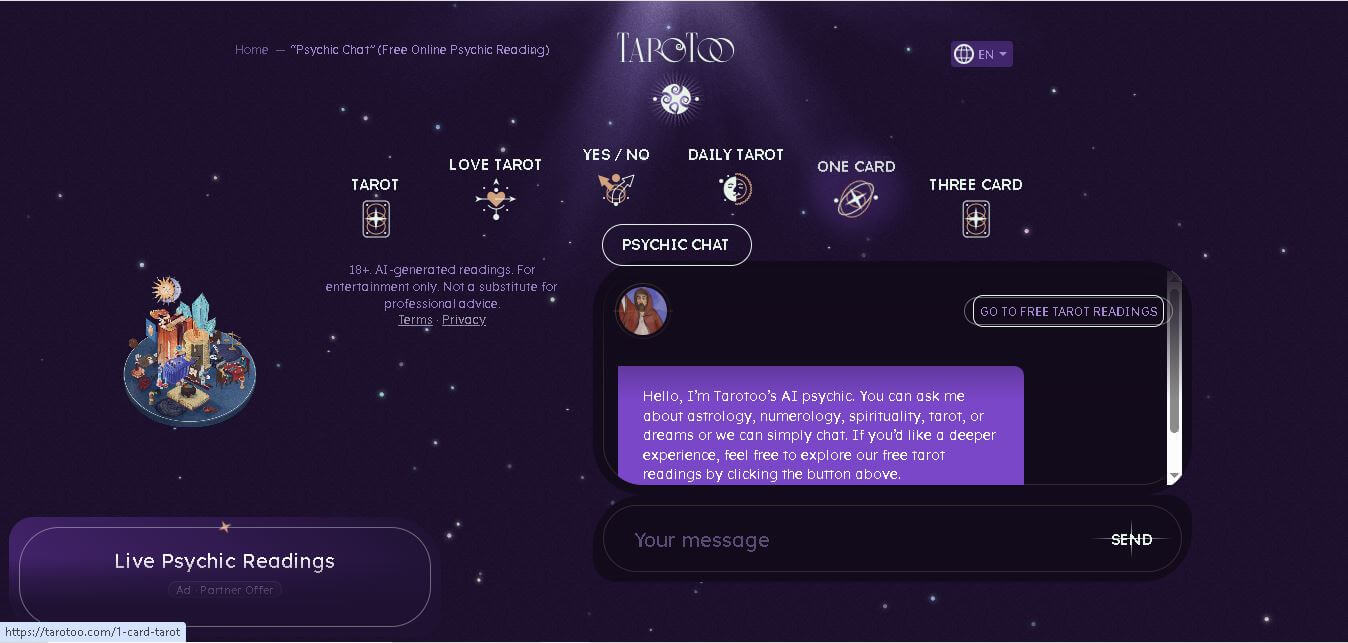
Tarotoo Psychic is an online spiritual guidance tool that helps users explore questions related to love, relationships, career, personal growth, astrology, numerology, and tarot symbolism. It offers personalized AI-generated conversations for self-reflection rather than predicting the future, making it suitable for anyone seeking thoughtful insights in a private, free, and accessible environment.
 4.9
4.9Luzia
Personal Assistant
Luzia is a free, mobile-first AI personal assistant designed to bring conversational AI, instant voice note transcription, document analysis, and daily task automation directly into WhatsApp, Telegram, iOS, and Android.
 4.5
4.5MaestroLabs
Email Assistant
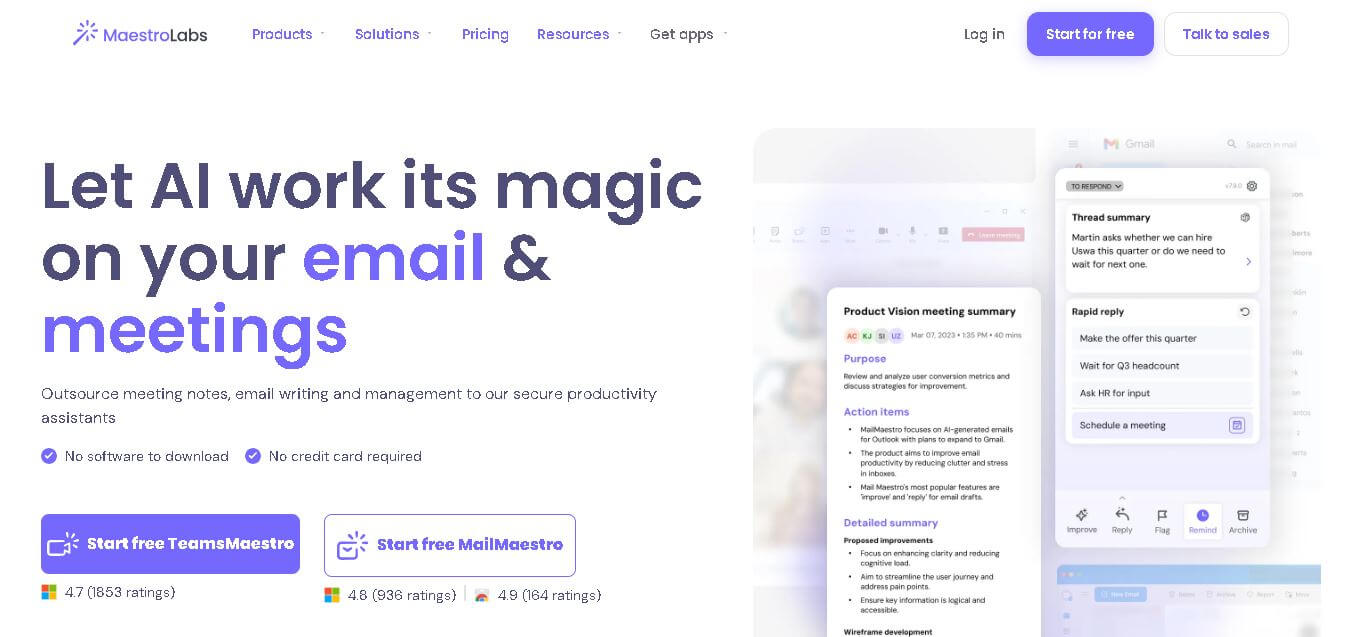
Maestro Labs is an AI-powered productivity platform that streamlines email writing, meeting notes, scheduling, and inbox management for Outlook, Gmail, and Microsoft Teams, helping professionals save valuable time.
 4.5
4.5Wellpin
Personal Assistant
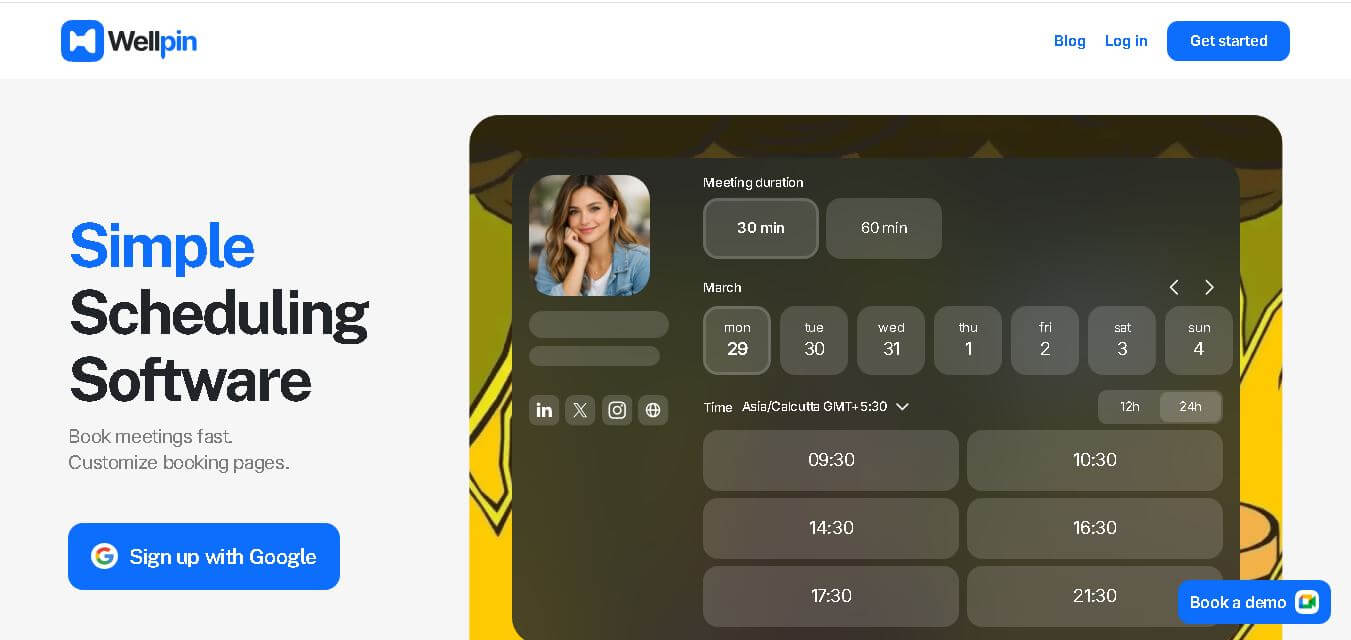
Wellpin is an AI-powered scheduling platform that simplifies appointment booking with smart calendar synchronization, automated reminders, customizable booking pages, and team scheduling for businesses, freelancers, and professionals.
 4.3
4.3Supermanage AI
HR
SuperManage AI is an AI-powered management assistant that helps teams prepare better meetings, analyze communication insights, and improve employee interactions using intelligent summaries and data-driven recommendations.