
Oak
Oak is an AI-powered identity and compliance platform that helps businesses verify users, manage KYC/AML processes, and prevent fraud through automated checks and risk monitoring. It combines document verification, biometrics, and real-time screening into one system.

What is Oak?
Oak is an AI-native identity operating system designed to help enterprises discover, manage, and secure every type of identity—human, machine, and AI agents—within a single unified platform. It builds a continuously updated “identity graph” that maps who or what has access to which systems, enabling real-time visibility, risk detection, and automated governance. Instead of using fragmented, rule-based identity tools, Oak uses AI to monitor behavior, enforce permissions, and fix risks instantly across cloud, SaaS, and on-prem environments. Built for large, complex organizations, it acts as a central control layer for identity security—helping teams move from manual audits to continuous, context-aware protection.
As autonomous AI agents, non-human service accounts, and microservices proliferate across enterprise environments, traditional quarterly identity access reviews (UARs) leave massive blind spots—showing what access was granted months ago rather than what active identities are doing right now. Built as “The AI-Native Identity Operating System Born Complete,” Oak replaces fragmented identity point solutions with a single live identity graph and unified data model. Covering human employees, service accounts, and autonomous AI agents, Oak pairs discovery with direct remediation and provides up to 500 hours of White Glove implementation support under customized enterprise licensing.
- Platform Model: AI-Native Identity Operating System, Real-Time IGA & Agentic Access Governance
- Identity Coverage: Human Users, Machine Identities (Service Accounts, API Keys) & Autonomous AI Agents
- Core Foundation: Oak Identity Intelligence Layer & Live Graph Data Model
Use Cases:
- Discovering and tracking autonomous AI agents (Claude Code, Cursor, auto-research bots) and mapping their effective permissions across cloud resources
- Eliminating orphaned and rogue machine identities, unrotated API keys, and lingering access from terminated employee accounts
- Replacing fragmented quarterly access certifications with continuous, intent-based and context-aware access governance
- Visualizing blast radius and toxic permission combinations across AWS, GCP, Azure, and SaaS applications in a single unified graph
- Executing direct, automated access revocations and entitlement right-sizing directly from the platform console
Technology:
- Real-time identity intelligence graph mapping entitlements, relationships, and actual usage activity across SaaS, Cloud, and on-premise silos
- Universal connector engine ("Connect Any") integrating with legacy enterprise directories, identity providers, and cloud IAM frameworks
- Autonomous remediation pipeline enforcing policy-based least privilege and immediate revoking of anomalous machine or agent permissions
Target Users:
- Chief Information Security Officers (CISOs) and enterprise security architects establishing visibility over non-human and AI identities
- Identity and Access Management (IAM) leads replacing complex, high-maintenance legacy IGA tools
- Cloud security engineers (SecOps) diagnosing privilege escalation paths and excessive cloud infrastructure permissions
- Governance, risk, and compliance (GRC) teams requiring audit-ready, continuous identity posture validation
Acquisition: Operates as an independent private enterprise identity technology corporation (Oak / oak.id)
Key features of Oak
Oak's key platform features are
- Single Live Identity Graph: Unifies every account, role, permission, and relationship into a singular data model, giving teams an authoritative source of truth across on-prem, cloud, and SaaS.
- Agentic Identity Governance: Built specifically to identify, monitor, and regulate autonomous AI agents, tracing who deployed them, what data they access, and what actions they can execute.
- Continuous Context & Intent: Moves beyond static rule lists by evaluating access rights against real-world intent, behavioral context, and actual system activity.
- Direct Actionable Remediation: Unlike passive visibility scanners that only highlight problems, Oak provides built-in action workflows to revoke toxic entitlements and right-size permissions instantly.
- Orphaned Account & Service Credential Cleanup: Automatically flags dormant service accounts, zombie credentials from departed staff, and shadow API tokens across cloud environments.
- Connect Any Architecture: Universal connector framework that hooks into identity providers (Okta, Entra ID), hyperscalers (AWS, Azure, GCP), and enterprise business systems.
- Oak White Gloves Services: Dedicated implementation engineering team providing up to 500 hours of hands-on architecture, migration, and custom connector building.
- Compliance Ready: Purpose-built to satisfy continuous audit mandates under SOC 2, ISO 27001, GDPR, and CCPA frameworks.
Oak Pricing
Oak operates on an enterprise subscription licensing model calibrated for mid-market and large enterprise environments, accompanied by custom onboarding programs.
Enterprise Licensing:
- Custom Enterprise Pricing: Annual subscription contracts sized around monitored identity volume (human users, non-human accounts, and AI agents) and integrated environment scale
- Full access to the Oak Identity Intelligence Layer, live graph analytics, and direct remediation workflows
- Connect Any Guarantee: All custom and standard connectors required by the customer are included in the platform scope
Oak White Glove Program:
- Up to 500 Hours of White Glove Implementation: Provided to qualified enterprise organizations to build, migrate, and customize identity programs alongside internal security teams
Disclaimer: Oak does not offer public self-serve credit-card tiers. For architectural demonstrations, proof-of-concept evaluations, and custom enterprise quotes, visit oak.id.
Who is using Oak?
Oak is used by forward-thinking enterprise security and IAM organizations, including
- AI-Forward Tech Enterprises: Governing swarms of autonomous AI coding agents, customer service bots, and automated data pipelines
- Financial Services & FinTechs: Eliminating excessive machine permissions and orphaned API tokens across distributed multi-cloud workloads
- Global Enterprises: Consolidating fragmented IAM directories, cloud access tools, and SaaS permissions into a unified live graph
- Healthcare & Regulated Organizations: Ensuring continuous least-privilege enforcement and rapid deprovisioning for HIPAA and GDPR compliance
Best Oak Alternatives
Some of the strongest Oak alternatives include
- SailPoint Identity Security
- Saviynt Enterprise Identity Cloud
- ConductorOne
- Oasis Security (Non-Human Identity Management)
- Astrix Security
- Okta Identity Governance (OIG)
Pros and Cons of Oak
Pros
- AI-native architecture built from day one to govern human, machine, and autonomous AI agent identities in one place
- Single unified graph model eliminates data silos and conflicting identity inventories
- Goes beyond passive risk detection by offering direct, active remediation capabilities
- White Glove commitment provides up to 500 engineering hours to accelerate enterprise deployment
- "Connect Any" approach ensures all enterprise connectors are delivered without hidden add-on fees
Cons
- Geared primarily toward mid-market and enterprise organizations rather than self-serve seed startups
- Requires engagement with sales and technical architects for initial platform onboarding
- A newer, category-defining entrant competing against legacy incumbents like SailPoint and Saviynt
Why Choose Oak?
Legacy IGA platforms were designed two decades ago to manage employee birthright access inside on-premises networks using static quarterly reviews. They were never architected to track machine tokens, cloud IAM roles, or autonomous AI agents operating at machine speed. Oak provides a modern identity operating system.
- Governs human, non-human, and AI agent identities from a single live graph
- Provides real-time visibility and active remediation instead of outdated quarterly compliance reports
- Adapts to new tools and agent frameworks through universal connector architecture
- Backs enterprise rollouts with dedicated White Glove engineering support
Oak vs. Competitors
The main difference between Oak, SailPoint, ConductorOne, and Oasis Security lies in native architectural completeness and agentic readiness. While SailPoint represents legacy periodic IGA, ConductorOne specializes in just-in-time access requests, and Oasis focuses exclusively on non-human service accounts, Oak delivers a comprehensive AI-native operating system that unifies humans, machines, and AI agents into a single live graph with built-in remediation.
| Feature / Tool | Oak (oak.id) | SailPoint | ConductorOne | Oasis Security |
|---|---|---|---|---|
| Core Focus | AI-Native Identity Operating System | Legacy Enterprise Identity Governance (IGA) | Modern Identity Governance & JIT Access | Non-Human Identity Management (NHI) |
| AI Agent Governance | Native (AI agents, humans & machines) | Add-on machine modules | Emerging access controls | Service accounts focus |
| Data Model | Singular live graph & data model | Relational periodic database | Event-driven cloud graph | Service account inventory |
| Remediation Capability | Direct, automated in-platform actions | Workflow ticketing & provisioning | Automated deprovisioning / JIT revoke | Posture guidance & policy alerts |
| Starting Price | Enterprise Custom / White Glove included | Enterprise Annual Quotes ($$$$) | Custom Annual Contracts | Enterprise Custom Quotes |
| Best For | Enterprises needing unified human, machine & AI governance | Legacy IT compliance audits & provisioning | Modern tech teams automating access requests | Security teams isolating non-human credentials |
How do we rate Oak?
| Parameter | Rating (out of 5) |
|---|---|
| AI Agent & Machine Identity Governance | 5.0 |
| Live Graph Architecture & Data Model | 4.9 |
| Actionable Remediation & Risk Resolution | 4.9 |
| Integration Breadth & White Glove Program | 4.8 |
| Value for Money (Enterprise Tier) | 4.8 |
| Overall Score | 4.88 |
Oak Review
Oak addresses a critical structural shift in modern enterprise cybersecurity: the rapid growth of non-human and autonomous AI agent identities that bypass traditional access controls. By replacing disconnected, rule-based quarterly reviews with a single live graph that discovers and evaluates permissions across human staff, service credentials, and AI workers in real time, Oak connects passive posture visibility with active security enforcement. Backed by extensive White Glove implementation services, Oak stands as one of the most complete and forward-looking identity operating systems available for modern enterprises.
Conclusion
Oak is a next-generation AI-native identity operating system designed to solve one of the biggest challenges in modern cybersecurity—managing identities across humans, machines, and AI agents in a single, unified system. Instead of relying on fragmented tools, it builds a live identity graph that continuously maps every identity, their permissions, and real-world behavior, giving organizations a real-time source of truth. Its biggest strength lies in end-to-end identity governance, combining discovery, risk analysis, access control, and remediation into one platform, while AI agents handle tasks like monitoring, policy enforcement, and lifecycle management automatically. Built for the AI era—where non-human identities outnumber humans—it replaces legacy IAM systems with a continuously updated control plane that adapts to dynamic environments.
FAQ
What is Oak?
Oak is an AI-native identity operating system that helps enterprises manage and secure all types of identities—humans, machines, and AI agents—from one unified platform.
How does Oak work?
Oak connects to your entire tech stack (cloud, SaaS, on-prem) and builds a live identity graph showing who has access to what and how it’s being used. It then uses AI to detect risks and fix issues in real time.
What problem does Oak solve?
Most companies use multiple identity tools that don’t talk to each other. Oak replaces this fragmented setup with a single control plane, giving complete visibility and control over identity access.
What can you do with Oak?
You can discover all identities, monitor access permissions, detect risks, remove unnecessary access, manage lifecycle changes, and enforce security policies across your organization.
How is Oak different from traditional IAM tools?
Legacy tools are rule-based and updated periodically. Oak is AI-driven and real-time, continuously analyzing identity behavior and automatically fixing risks instead of just reporting them.
Is Oak free to use?
Oak is primarily an enterprise product, so pricing is custom based on organization size, integrations, and usage. Some onboarding or services may be included for qualified companies.
Who should use Oak?
Oak is best for large companies, security teams, and IT leaders who need full visibility and control over identity access—especially in environments with AI agents and complex systems.
User Reviews
No reviews yet for Oak.
Featured Tools
Featured AI tools from TechShark
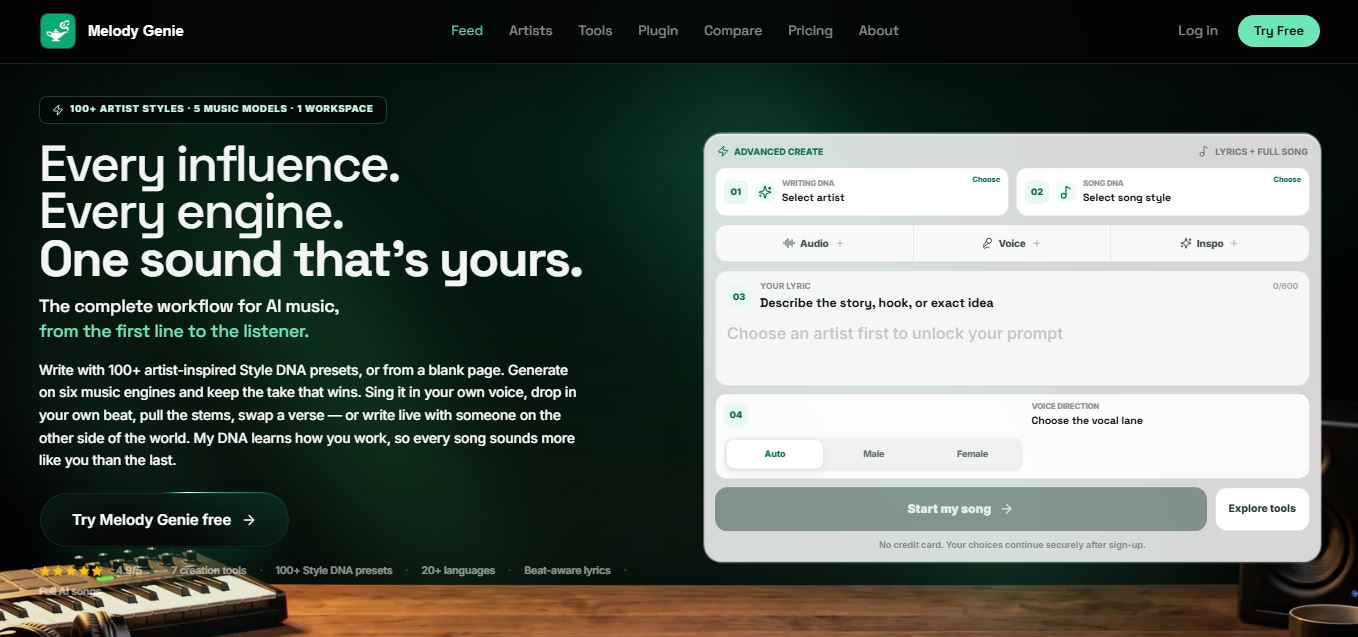
Melody Genie
MelodyGenie is an AI-powered music generator that creates original songs from simple text prompts. Users can choose styles, moods, and genres, then instantly generate melodies and full tracks, making it easy for creators, marketers, and hobbyists to produce custom music without musical expertise.
Freemium
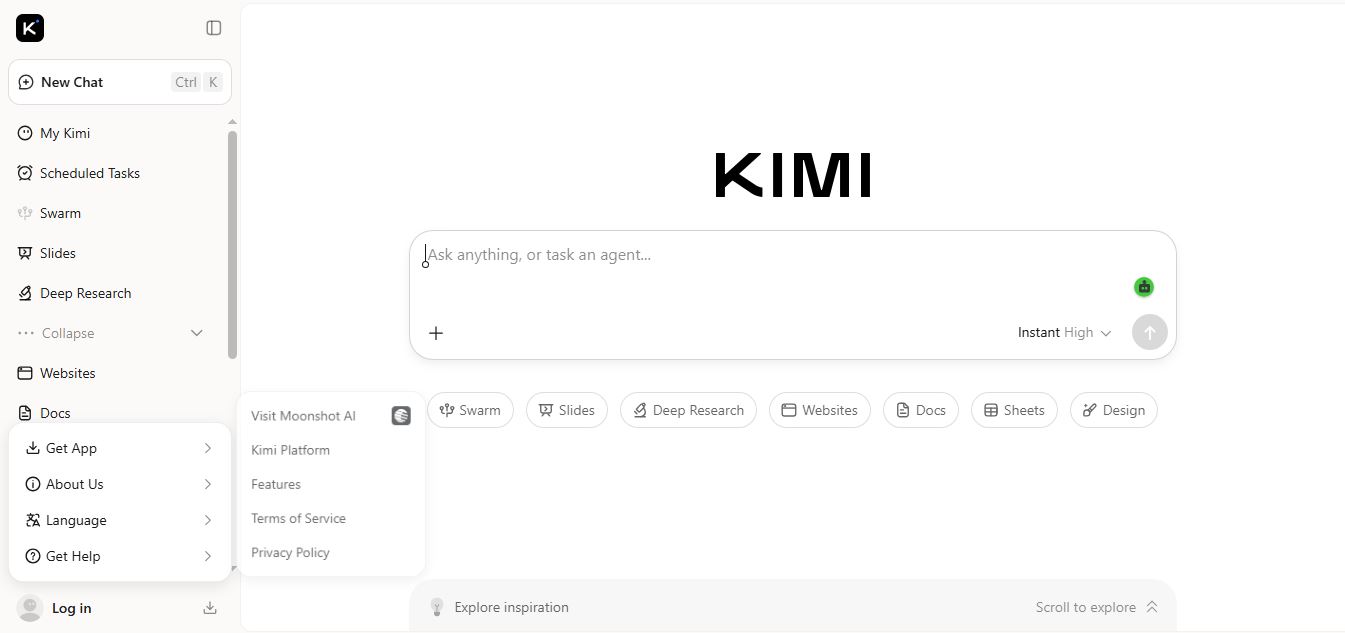
Kimi AI
Kimi AI is an advanced AI assistant developed by Moonshot AI that helps you chat, research, write, code, and automate tasks in one place. It supports web search, file analysis, and multimodal inputs, and can even run autonomous “agent” workflows to complete complex tasks end-to-end.
Freemium
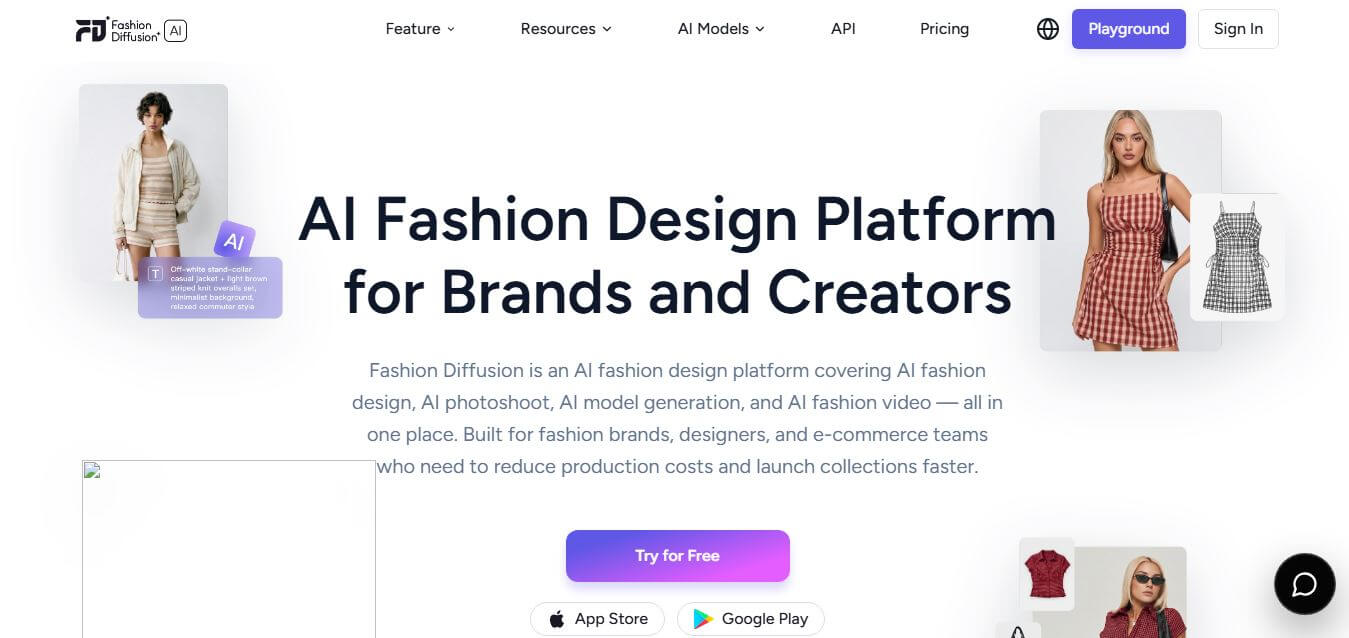
Fashion Diffusion AI
Fashion Diffusion is an AI-powered fashion design platform that helps brands and designers create clothing designs, virtual try-ons, AI models, product photos, and marketing visuals faster and cost-effectively.
Paid
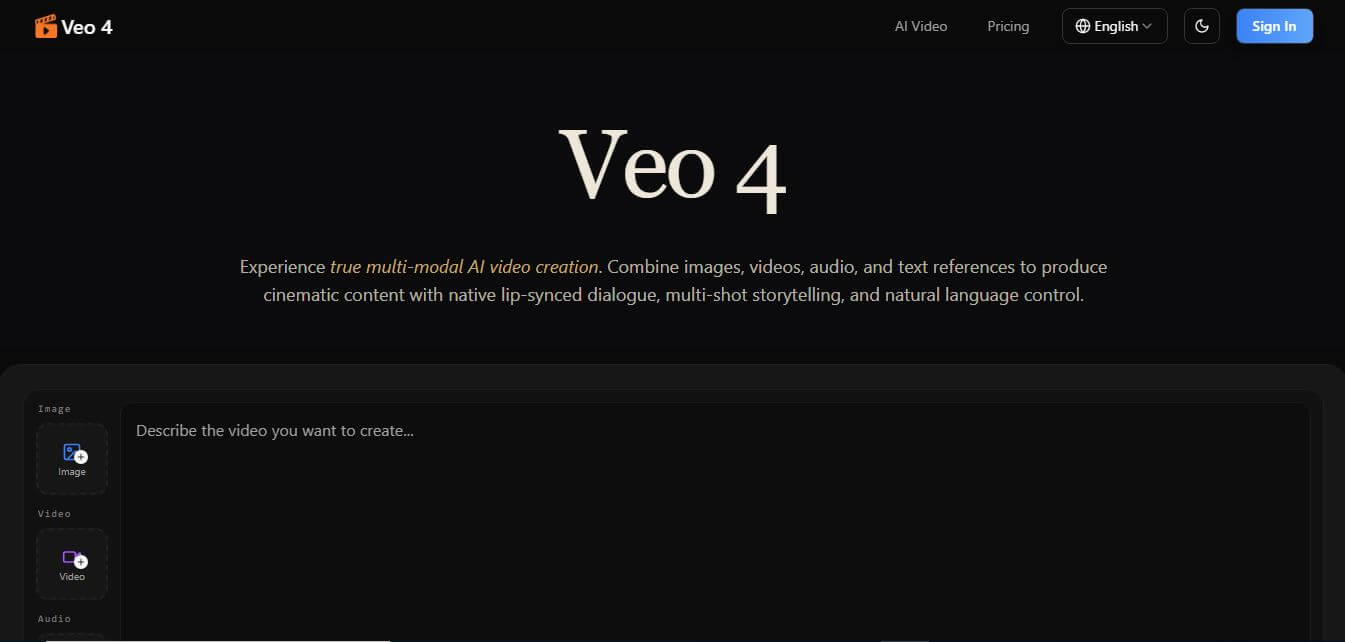
Veo 4
Veo 4 AI is an AI video creation platform that generates dramatic videos from text, images, audio, and video prompts using realistic motion and synchronized sound.
Paid
Alternatives
Alternatives to Oak
The best Oak alternatives include SailPoint Identity Security, Saviynt Enterprise Identity Cloud, ConductorOne, Oasis Security, Astrix Security, and Okta Identity Governance (OIG). These platforms provide identity governance, entitlement management, and access reviews. While Oak specializes in an AI-native operating system unifying human, machine, and autonomous AI agent identities into a singular live graph with direct in-platform remediation, legacy competitors like SailPoint focus on periodic compliance certifications, and Oasis specializes purely on non-human service accounts.
 4.9
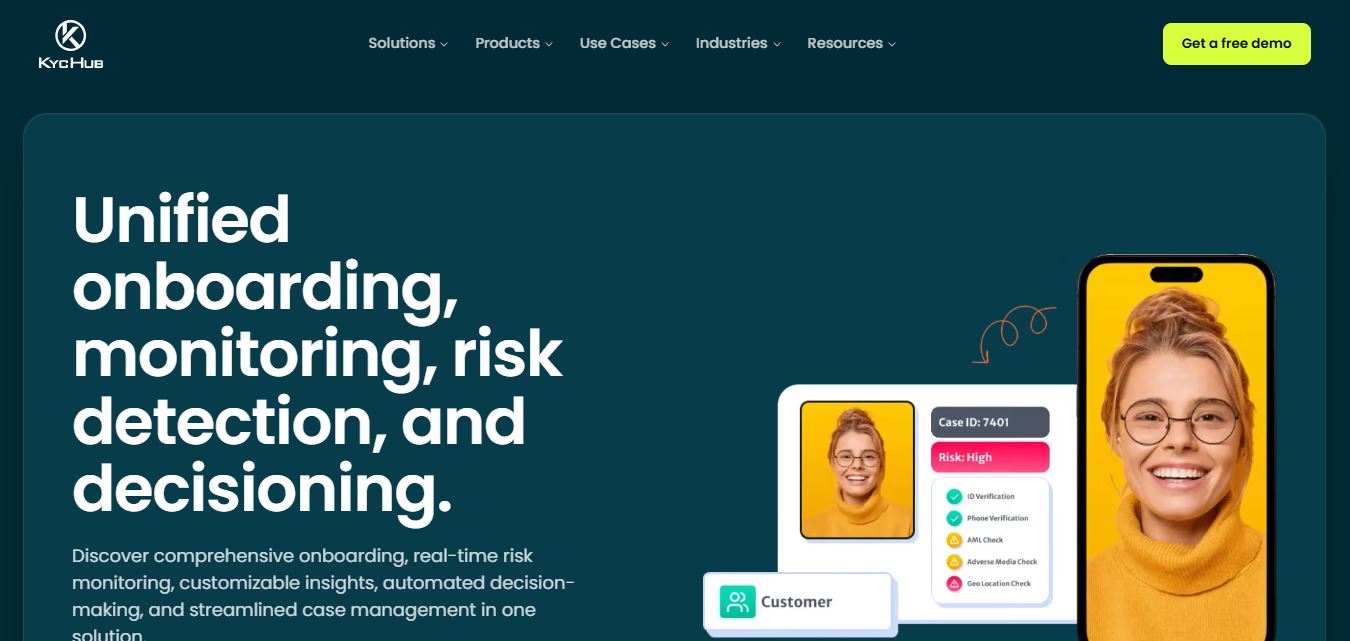
4.9KYC Hub
Identity Verification
KYC Hub is an AI-powered compliance and identity verification platform that helps businesses onboard customers, prevent fraud, and meet KYC, KYB, and AML requirements. It combines identity checks, risk scoring, transaction monitoring, and workflow automation into one system for faster, secure, and scalable compliance operations.
 4.9
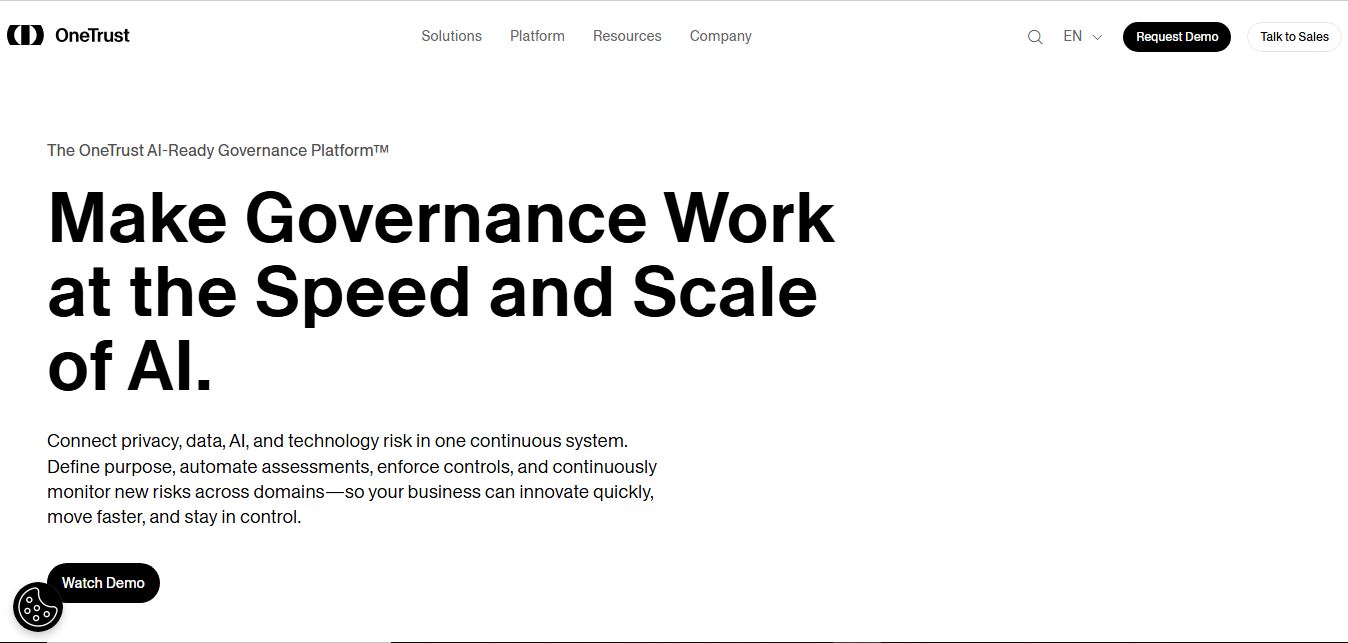
4.9OneTrust
Compliance
OneTrust is a privacy, security, and data governance platform that helps organizations manage compliance, assess risks, and control data usage. It provides tools for consent management, data mapping, and regulatory compliance, enabling businesses to meet global standards like GDPR and build trust with customers.
 4.6
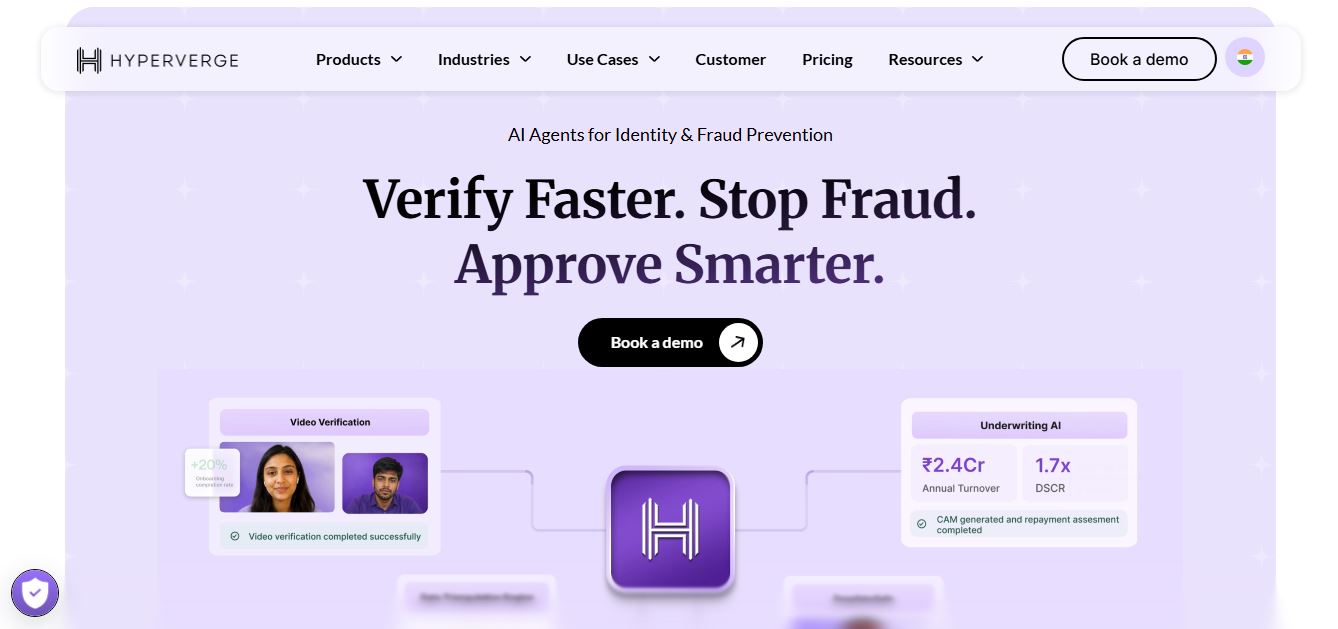
4.6HyperVerge
Compliance
HyperVerge is an AI-powered identity verification, Video KYC (V-CIP), and fraud prevention platform that automates customer onboarding for banks, NBFCs, and fintechs with real-time biometric liveness, Indian document OCR, and deepfake detection.
 4.8
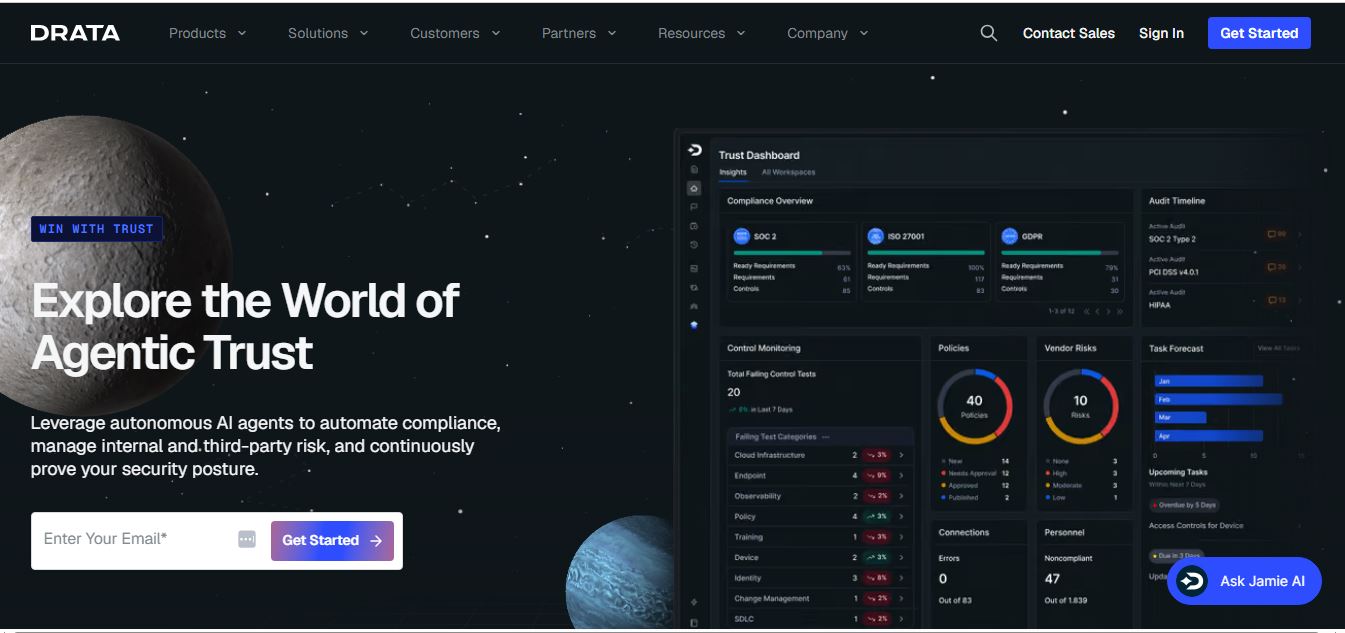
4.8Drata
Compliance
Drata is an enterprise security and compliance automation platform that continuously monitors cloud environments, automates evidence collection across 20+ frameworks (SOC 2, ISO 27001, HIPAA, GDPR), and streamlines audit readiness with API-driven integrations, automated risk assessments, and real-time Trust Centers.
 4.8
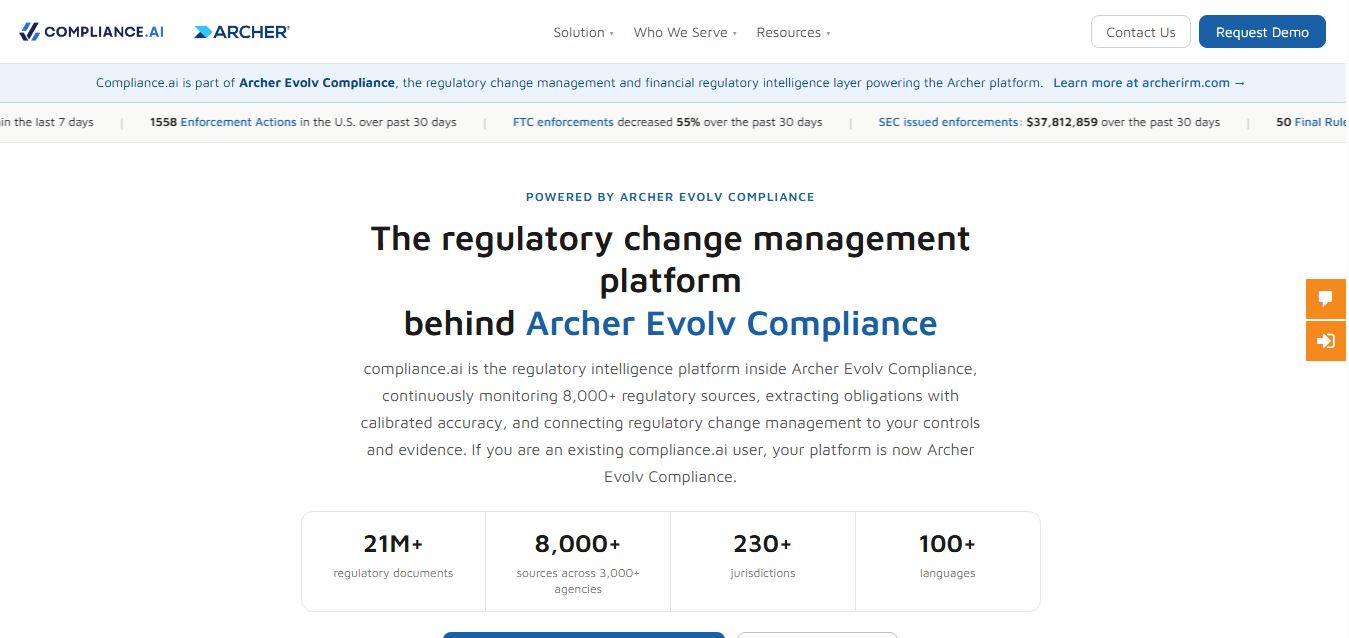
4.8Compliance AI
Compliance
Compliance AI is an AI-powered regulatory intelligence and change management platform, now part of Archer Evolv Compliance, that continuously monitors 8,000+ global regulatory sources, extracts compliance obligations, and maps regulatory changes directly to internal policies and controls.
 4.8
4.8Vanta
Compliance
Vanta is an AI-powered trust management and compliance automation platform that automates up to 90% of evidence collection across 35+ security and privacy frameworks (including SOC 2, ISO 27001, HIPAA, and GDPR) through continuous monitoring, vendor risk management, and live customer Trust Centers.
 4.8
4.8Identomat
Compliance
Identomat is an AI-powered digital identity verification, biometric liveness detection, and KYC/AML compliance platform that automates customer onboarding across 165+ countries with no-code workflow builders, iBeta Level 2 anti-spoofing, and flexible cloud or on-premises deployment.
 4.8
4.8Napier AI
Compliance
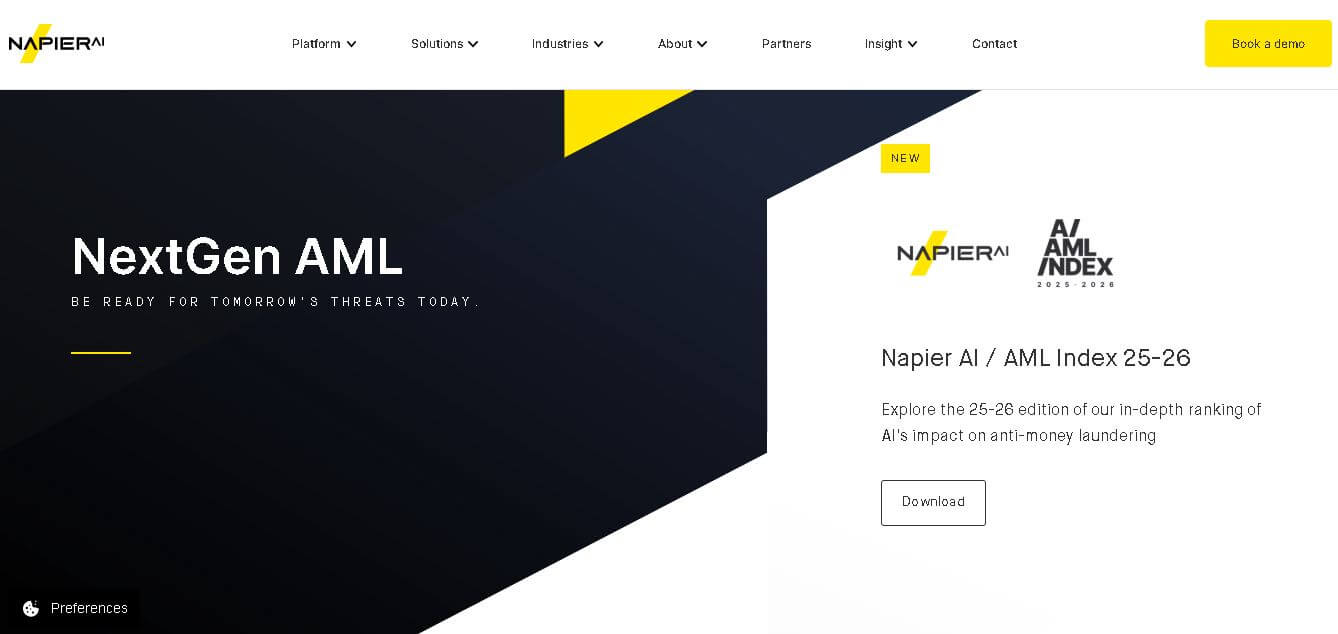
Napier AI is an enterprise Anti-Money Laundering (AML) and financial crime compliance platform powered by the Napier AI Continuum suite, delivering explainable AI-driven client screening, real-time transaction monitoring, perpetual client risk assessment, and regulatory-ready reporting.
 4.8
4.8Secureframe
Compliance
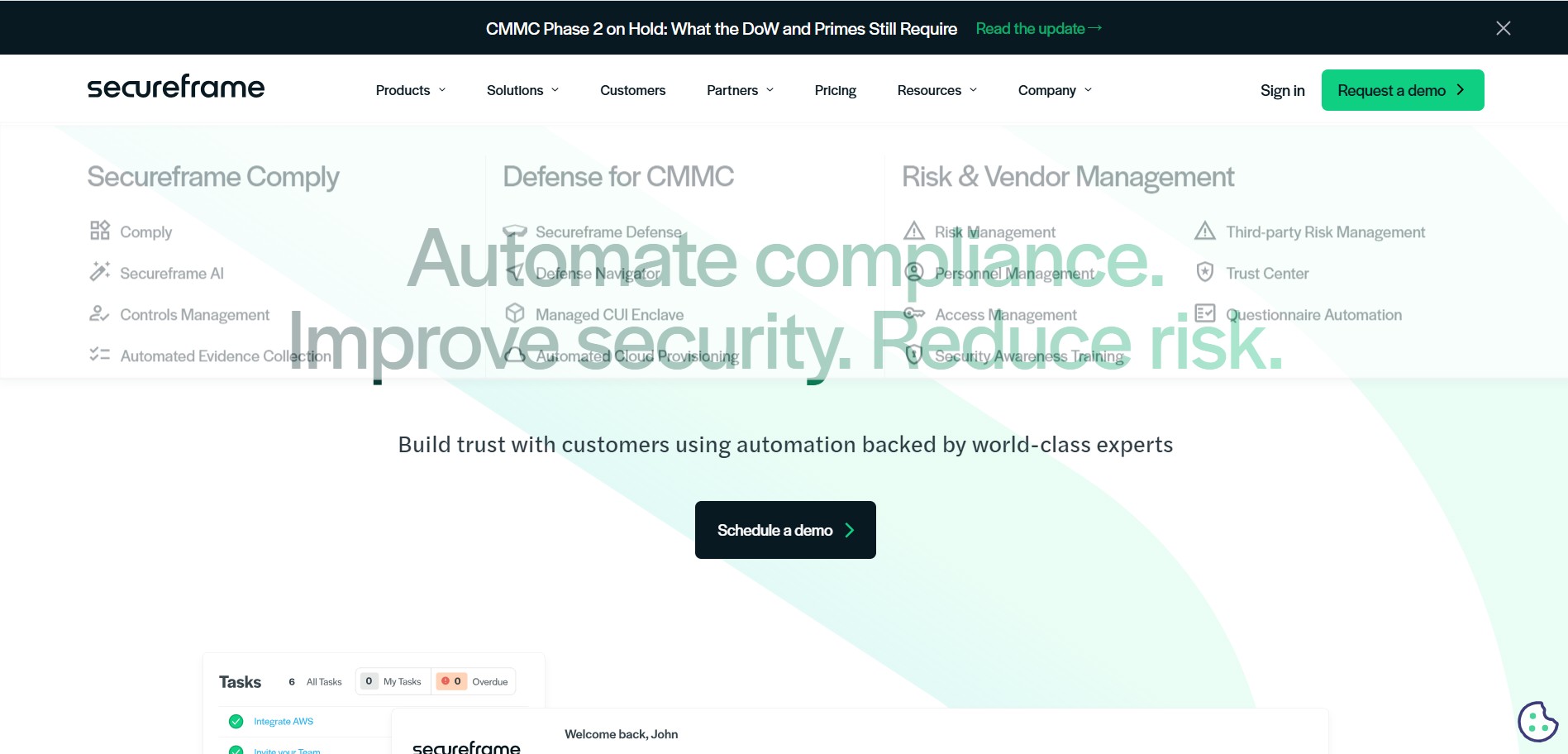
Secureframe is an AI-powered security and compliance platform that helps businesses get audit-ready and stay compliant with standards like SOC 2, ISO 27001, and HIPAA. It automates evidence collection, continuous monitoring, and risk management, reducing manual work and speeding up compliance processes.