
Hidden Door
Hidden Door is a social role-playing experience where players create characters, explore fictional worlds, and influence interactive stories through their decisions. Its narrative system adapts adventures around player actions, while collectible cards, modifiers, and collaborative gameplay add replayability. It is designed for fans of interactive fiction, role-playing, storytelling, and creative world exploration.

What is Hidden Door?
Hidden Door is an interactive role-playing game that lets players enter fictional worlds, create characters, and shape stories through their choices. It combines collaborative storytelling, game mechanics, and narrative AI to create adventures that can change from one playthrough to another. Players can explore settings such as Pride and Prejudice, The Call of Cthulhu, and The Wizard of Oz while collecting characters, locations, items, and modifiers that influence future stories.
Hidden Door was established in 2020 and focuses on interactive storytelling and social role-playing. Its experiences include recognizable worlds such as Pride and Prejudice, The Wizard of Oz, and The Call of Cthulhu. The platform supports collaborative adventures where player decisions influence narrative outcomes. Hidden Door has also developed creator-focused experiences and works with authors and intellectual-property holders to adapt fictional worlds. Its storytelling system combines narrative AI with structured game mechanics, including characters, locations, cards, modifiers, challenges, and dice-based outcomes.
- Platform Role: AI Storytelling Platform, Social Roleplaying Game & Narrative Worldbuilding Suite
- Developer & Organization: Hidden Door, Inc.
- Cross-Platform Access: Web Browser (zero-install on Chrome, Edge, Safari, and Firefox) and mobile web
Use Cases:
- Playing multiplayer or solo text-based roleplaying adventures guided by an adaptive AI narrator
- Designing and publishing custom playable worlds using characters, items, lore, and visual card assets
- Remixing tropes, modifiers, and narrative elements across different genres (e.g., mashing up horror elements with classic romance)
- Serving as a creative brainstorming and story-building tool for authors, game designers, and narrative writers
- Creating interactive fan fiction and community-driven narrative campaigns with shared world URLs
Technology:
- Proprietary Narrative AI engine combining natural language processing (NLP) with procedural game rule simulation
- Card-based deck mechanics representing characters, locations, items, and narrative modifiers
- Procedural dice rolls and stat checks to introduce stakes, tension, and critical failures/successes
- Human-drawn visual art pipeline ensuring ethical asset generation alongside customizable user media
Target Users:
- Fans of tabletop RPGs (D&D, Call of Cthulhu) looking for casual, AI-moderated story sessions
- Creative writers, novelists, and worldbuilders seeking to make their lore interactive for audiences
- Gamers and fan-fiction communities looking for social, choice-driven narrative adventures
- Content creators wanting to publish discoverable or unlisted custom story universes
Acquisition: Native cloud platform developed and operated by Hidden Door, Inc. (hiddendoor.co)

What are the key features of Hidden Door?
Hidden Door's key platform features are
- AI-Powered Narrator: Improvises in real time based on player inputs, generating branching scenarios while maintaining world lore and character tone.
- Card Deck System: Collect, swap, and equip narrative cards representing characters, items, places, and story modifiers to influence scenes.
- Cross-Genre Remixing: Earn unique story modifiers in one world (like horror or mystery) and apply them to completely different settings.
- Atlas World Creator: Tools for authors and players to build custom worlds with non-player characters (NPCs), atmospheric locations, and unlockable items.
- Social & Multiplayer Co-Op: Invite friends to join your story session, make collaborative choices, and influence the overall narrative arc.
- Lightweight Stat & Dice Mechanics: Combines freeform text entry with hidden stat checks and dice rolls for meaningful stakes.
- Artist-First Visuals: Integrates custom hand-drawn art libraries to keep character and world visuals expressive and cohesive.
How much does Hidden Door cost?
Hidden Door offers free community access alongside premium tier options for advanced world creation, expanded story decks, and creator tools.
Tier Breakdown:
- Free Tier ($0 / Free): Access to core storytelling modes, default playable story worlds, basic character decks, and public session play.
- Premium / Creator Tier: Unlocks advanced world-building tools (Atlas), expanded card collections, custom art uploads, and private/unlisted story publishing.
Disclaimer: Core narrative play is free, but specialized creator features, private world hosting, and expanded deck capacities may require subscription tiers.
Who should use Hidden Door?
Hidden Door is designed for gamers, writers, and creative communities, including
- Tabletop & RPG Enthusiasts: Players who want quick, narrative-heavy gaming sessions without requiring a human Game Master (GM).
- Authors & Worldbuilders: Writers looking to turn their published books or original lore into playable, interactive fan experiences.
- Collaborative Storytellers: Groups of friends seeking interactive online narrative games that blend text adventures with card mechanics.
What are the best alternatives to Hidden Door?
Some of the strongest Hidden Door alternatives include
- AI Dungeon
- NovelAI
- Character.ai
- Chai AI
- SillyTavern
- Inworld AI
What are the pros and cons of Hidden Door?
What are the pros of Hidden Door?
- Structured card and stat mechanics prevent chaotic narrative drift common in open-ended text AIs
- High replayability through collectible story cards, modifiers, and cross-genre remixing
- Ethical approach to visuals incorporating hand-drawn artwork and creator monetization tools
- Browser-native interface makes joining multiplayer narrative sessions instant and frictionless
What are the cons of Hidden Door?
- Card-based structure offers less total raw freedom than purely open sandbox tools like AI Dungeon
- Longer multi-scene narrative logic can occasionally require AI guidance or scene resets
- Custom world creation requires learning the card asset and modifier pipeline
Why should you choose Hidden Door?
Unlike traditional AI text sandboxes that lack boundaries or traditional RPGs that require extensive GM prep time, Hidden Door strikes a middle ground. By combining structured card deck mechanics, dice-roll stakes, and adaptive AI storytelling, it delivers a fun, collaborative sandbox where players and creators can safely build and explore infinite stories together.
How does Hidden Door compare to competitors?
The main distinction between Hidden Door, AI Dungeon, NovelAI, and Character.ai lies in gameplay structure and safety controls. While AI Dungeon provides an unrestricted freeform text sandbox and Character.ai focuses on 1-on-1 persona chat, Hidden Door emphasizes card-driven game mechanics, worldbuilder creator controls, and curated multiplayer storytelling.
| Feature / Platform | Hidden Door | AI Dungeon | NovelAI | Character.ai |
|---|---|---|---|---|
| Core Focus | Social RPG & Card-Based Narrative AI | Open Sandbox Text Adventure AI | AI Author Assistant & Story Generator | Conversational Character Chatbots |
| Gameplay Mechanics | Cards, Dice Rolls, Stats & AI Scenes | Pure Text Prompting & Actions | Prose Generation & Lorebook System | Freeform Dialogue & Chat Nodes |
| Multiplayer Support | Native Co-Op & Shared Story Sessions | Available in selective modes | Single-player focused | Group chats available |
| Worldbuilding Tools | Atlas World Creator & Collectible Cards | Custom Prompts & World Info | Deep Lorebooks & Model Fine-Tuning | Character Definitions & Prompts |
| Best For | Gamers and creators wanting structured AI roleplaying and card remixing | Players seeking an unstructured freeform text RPG sandbox | Authors seeking serious fiction writing support and narrative tools | Users looking to chat with specific AI character personalities |
How do we rate Hidden Door?
| Parameter | Rating (out of 5) |
|---|---|
| Narrative AI Adaptation & Flexibility | 4.7 |
| Card System & Gameplay Design | 4.8 |
| Social & Multiplayer Experience | 4.6 |
| Worldbuilding & Creator Tools | 4.7 |
| Value for Money & Accessibility | 4.5 |
| Overall Score | 4.66 |
What is our review and verdict on Hidden Door?
Hidden Door represents an innovative step forward for interactive storytelling. By combining AI narration with card-based mechanics and artist-curated visuals, it avoids the chaos of unconstrained text generators while preserving player agency. For writers looking to share interactive worlds and tabletop gamers seeking fast social sessions, Hidden Door delivers an engaging, highly replayable platform.
Conclusion
Hidden Door offers a distinctive way to experience fictional worlds through interactive role-playing, collaborative storytelling, and narrative AI. Instead of following one fixed storyline, players can create characters, make decisions, collect story elements, and explore different narrative possibilities. Its combination of familiar fictional settings and dynamic gameplay makes it especially interesting for fans of RPGs, fan fiction, and creative storytelling. For users seeking an engaging alternative to conventional AI chat experiences, Hidden Door provides a more structured and game-focused approach.
FAQ
What is Hidden Door used for?
Hidden Door is designed for interactive storytelling and role-playing. You can enter fictional worlds, create a character, make decisions, and experience stories that respond to your actions. It is particularly useful if you enjoy fan fiction, tabletop-style adventures, collaborative storytelling, or exploring familiar fictional settings in new ways.
How does Hidden Door work?
Hidden Door starts with a story world, character, and narrative setup. As you play, you make choices that influence what happens next. Its narrative system combines structured storytelling with dynamic generation, while cards, modifiers, characters, locations, and challenges add game-like progression. This makes each playthrough potentially different.
Can I create my own character in Hidden Door?
Yes. Character creation is an important part of the Hidden Door experience. You can develop characters that fit the story you want to experience and then use them while exploring different worlds. Recent updates have also introduced multiple character-creation approaches, including inspiration-based, randomized, and fully customized options.
What fictional worlds are available on Hidden Door?
Hidden Door has featured worlds including The Wizard of Oz, Pride and Prejudice, and The Call of Cthulhu. The platform also supports licensed and creator-developed worlds. Availability can change as new experiences are introduced, so the current Hidden Door world selection is the best place to check what you can play.
Is Hidden Door suitable for role-playing fans?
Yes. Hidden Door is particularly appealing if you enjoy tabletop RPGs but want a more accessible digital experience. Instead of relying entirely on a human game master, the system guides the narrative and responds to player decisions. You can create characters, face challenges, explore worlds, and influence the direction of your adventure.
Can multiple people play Hidden Door together?
Yes. Hidden Door is designed around social and collaborative role-playing. Players can experience adventures together while their decisions contribute to the developing story. This makes it different from a standard single-player chatbot because the experience is structured around shared storytelling, fictional worlds, characters, challenges, and collaborative exploration.
User Reviews
No reviews yet for Hidden Door.
Featured Tools
Featured AI tools from TechShark
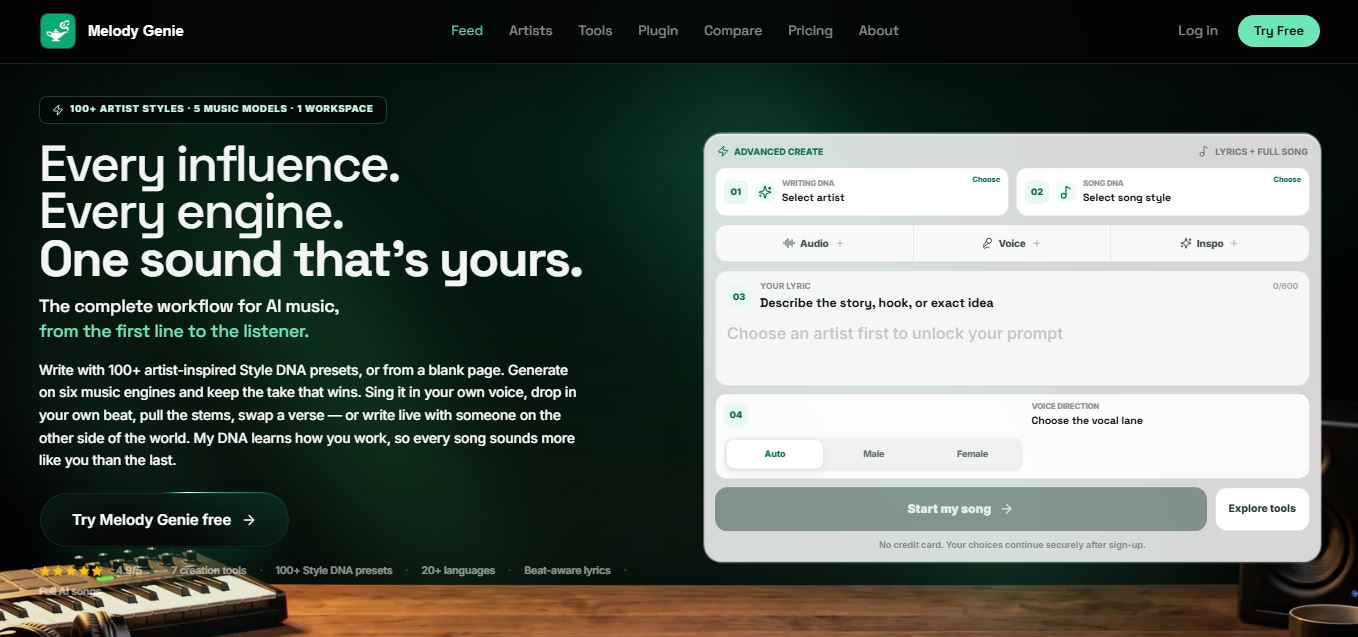
Melody Genie
MelodyGenie is an AI-powered music generator that creates original songs from simple text prompts. Users can choose styles, moods, and genres, then instantly generate melodies and full tracks, making it easy for creators, marketers, and hobbyists to produce custom music without musical expertise.
Freemium
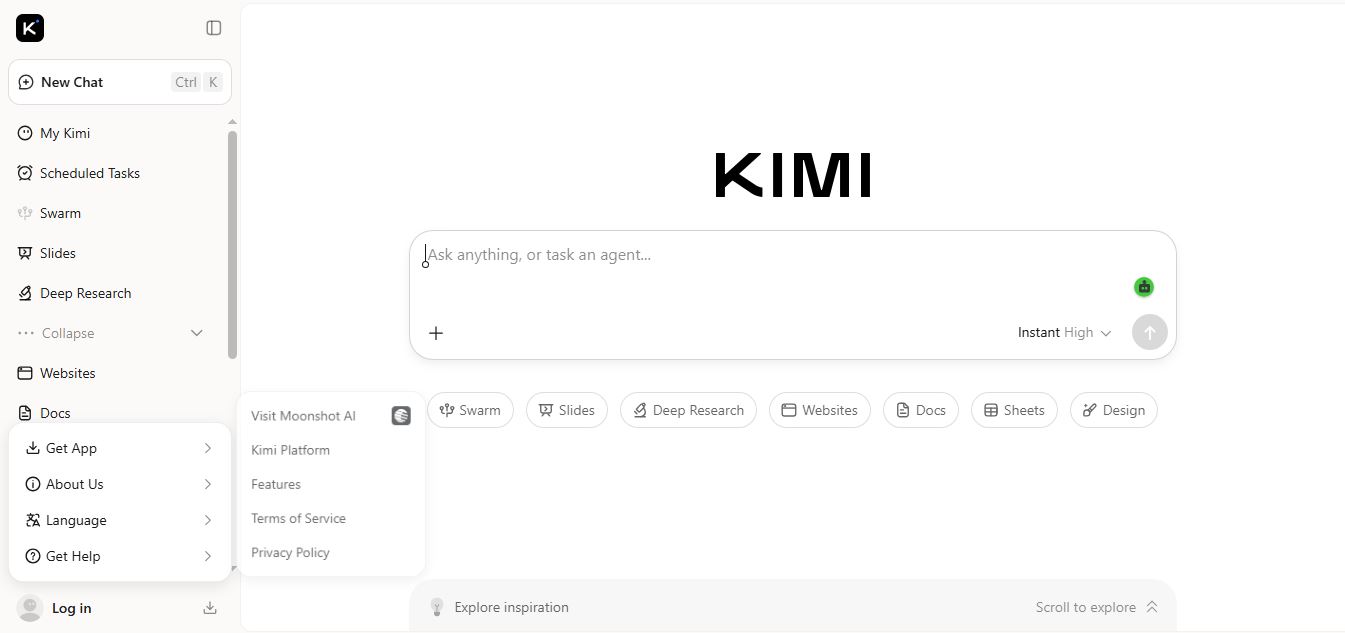
Kimi AI
Kimi AI is an advanced AI assistant developed by Moonshot AI that helps you chat, research, write, code, and automate tasks in one place. It supports web search, file analysis, and multimodal inputs, and can even run autonomous “agent” workflows to complete complex tasks end-to-end.
Freemium

Fashion Diffusion AI
Fashion Diffusion is an AI-powered fashion design platform that helps brands and designers create clothing designs, virtual try-ons, AI models, product photos, and marketing visuals faster and cost-effectively.
Paid
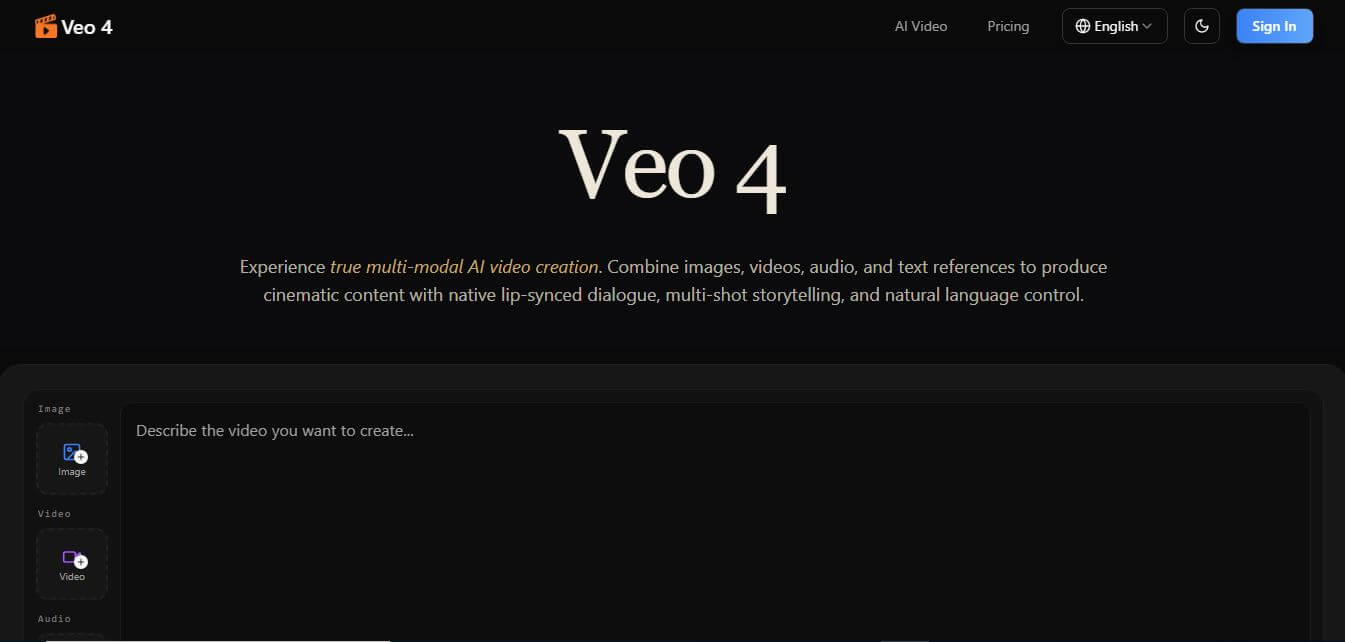
Veo 4
Veo 4 AI is an AI video creation platform that generates dramatic videos from text, images, audio, and video prompts using realistic motion and synchronized sound.
Paid
Alternatives
Alternatives to Hidden Door
The best Hidden Door alternatives include AI Dungeon, NovelAI, Character.ai, and Inworld AI. While Hidden Door provides a structured, card-driven social roleplaying experience with artist-backed visuals and worldbuilding tools, alternatives like AI Dungeon offer open-ended text adventure sandboxes, and NovelAI focuses on deep authoring and lorebook creation.
 4.8
4.8MGAI (Message Game AI)
Gaming
MGAI is an AI wingman for online dating conversations, helping users create better messages, ask engaging questions, develop date ideas, and move conversations forward. Created by dating expert Ice White, it also provides access to The Message Game book, Tinder Profile Checklist, community support, and live coaching through its membership.
AI or Human
Gaming
AI or Human is an interactive browser game that challenges you to identify whether images or text were created by AI or humans. You make your choice for each example, review your performance, and learn why recognizing synthetic media can be difficult. It works without requiring users to upload their own files or use technical detection software for everyday users.
LitRPG Adventures
Gaming
LitRPG Adventures is an AI-powered platform that helps gamers, writers, and creators generate detailed RPG content like character backstories, quests, and worlds. It offers multiple generators and a large content library, making it easy to build immersive tabletop or fantasy stories quickly.
SportBot AI
Gaming
SportBot AI is an advanced AI-powered sports analytics and value-detection platform designed to help sports enthusiasts and bettors understand probabilities, risk, and market inefficiencies. Rather than offering guaranteed tips, it aggregates real-time data across soccer, basketball, American football, hockey, and tennis, using machine learning algorithms to scan bookmaker odds and uncover statistical edges.
Noctie AI
Gaming
Noctie AI is an advanced, human-like AI chess trainer and virtual sparring partner designed to help players of all skill levels improve. Unlike traditional chess engines (such as Stockfish) that rely on brute-force calculation, Noctie is trained on over a billion human games to emulate human intuition, opening choices, and natural mistakes from beginner to super-GM level (~2800 Elo). It features real-time color-coded move evaluations, custom opening practice, and personalized puzzle generation based on your mistakes.
 4.7
4.7Hexagram
Gaming
Hexagram is an interactive development studio and technology platform that leverages artificial intelligence and cloud services to build dynamic, ever-evolving virtual worlds and cross-platform entertainment experiences. Known for pioneering immersive narrative campaigns, augmented reality (AR) activations, and responsive AI characters for major global brands.
RoFT
AI-Detection
RoFT (Real or Fake Text) is an interactive, gamified research project and web application that challenges users to test their ability to distinguish between human-written text and machine-generated content. Featuring diverse content categories like short stories, news articles, recipes, and speeches, the platform focuses on 'Boundary Detection' to help users identify the exact moment an artificial intelligence takes over writing.
AuxWorld
Gaming
AuxWorld is a prompt-to-world generative AI platform developed by Auxuman Inc. that allows users to create, explore, and remix fully interactive 3D multiplayer universes from simple text descriptions in under 30 seconds. Featuring drop-in multiplayer support, custom physics, procedural soundtracks, and a remix economy akin to GitHub forks, it enables anyone to build and share playable virtual spaces.
AI Game Master
Gaming
AI Game Master is an immersive, AI-powered text adventure and Dungeon RPG platform inspired by Dungeons & Dragons. Utilizing advanced generative language models, it acts as an infinite, dynamic Dungeon Master that reacts in real time to player choices, weaving branching storylines, combat encounters, and open-ended fantasy worlds entirely through text.