
DeepL for AI Agents
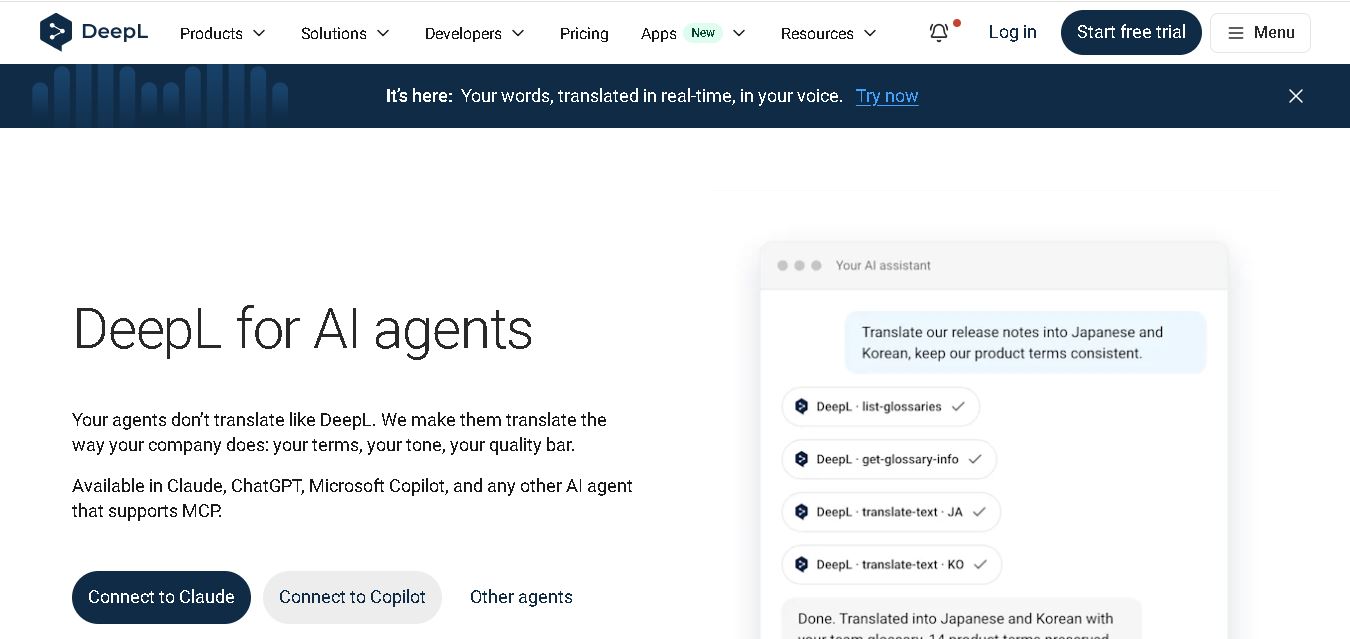
DeepL for AI Agents brings DeepL’s translation and language capabilities directly into AI assistants. Through MCP connectivity, users can translate text and documents, apply glossaries and style preferences, and maintain consistent terminology without leaving their existing AI workflow. It supports ChatGPT, Claude, Microsoft Copilot, and compatible agent environments.
What is DeepL for AI Agents?
DeepL for AI Agents is a language integration that lets AI assistants access DeepL translation, writing, and glossary capabilities directly within their workflows. It connects through the Model Context Protocol (MCP), allowing tools such as ChatGPT, Claude, and Microsoft Copilot to use DeepL without requiring users to switch applications. Users can apply company terminology, glossaries, tone, and style while translating text or documents, helping maintain consistent multilingual communication across AI-assisted workflows.
DeepL for AI Agents supports 3 major AI assistants directly—ChatGPT, Claude, and Microsoft Copilot—and works with any compatible MCP client. It offers 4 connection approaches: Remote MCP, DeepL CLI, Local MCP Server, and dedicated connectors. DeepL states that AI-agent usage is included within eligible subscriptions and does not require a separate connector fee. The service can use glossaries, style rules, document translation, and multilingual workflows while preserving document formatting.
- Platform Role: AI Integration Layer, Model Context Protocol (MCP) Translation Server & Enterprise Language AI Tool
- Developer & Organization: DeepL SE (Cologne, Germany)
- Cross-Platform Access: Anthropic Claude Connector, Microsoft Copilot Marketplace, Remote MCP Server, DeepL CLI, NPM Package (`deepl-mcp-server`), and Web API
Use Cases:
- Connecting autonomous coding and workspace agents to DeepL's translation API for zero-hallucination language processing
- Automating multi-lingual document translation directly inside Claude, ChatGPT, or Copilot while keeping original tables, headers, and formatting intact
- Enforcing company-specific glossaries and brand terminology across customer support and global marketing agent workflows
- Enabling developer tools and terminal agents (via CLI or local MCP) to localize code comments, documentation, and app resources on the fly
- Drafting consistent, real-time responses across multiple target languages simultaneously within customer service CRM agents
Technology:
- Native support for Model Context Protocol (MCP), allowing standard web connectors or local server orchestration
- Proprietary DeepL Neural Networks engineered specifically for linguistic accuracy, context recognition, and nuance
- Customization Hub synchronization allowing remote agents to query and apply predefined corporate glossaries and tone rules
- Enterprise security architecture ensuring input data is never used for model training and supporting Single Sign-On (SSO)
Target Users:
- Enterprise teams relying on Claude, Microsoft Copilot, or ChatGPT for internal operations and document drafting
- Software engineers and DevOps teams building agentic AI tools with CLI or MCP integration in Cursor and IDEs
- Localization leads and global marketing managers wanting deterministic terminology across all AI outputs
- Customer support teams operating multi-lingual service desks with AI auto-replies
Acquisition: Specialized integration product line developed and operated by DeepL SE, Cologne, Germany (deepl.com)
What are the key features of DeepL for AI Agents?
DeepL for AI Agents' key platform features are
- Model Context Protocol (MCP) Native: Connects effortlessly using a remote MCP URL (`https://mcp.deepl.com/v1/mcp`) or open-source local server.
- Zero-Key Account Authentication: Users sign in directly through their existing DeepL accounts—no individual API key management required.
- Automatic Terminology & Glossary Application: Agents query your DeepL account to apply approved corporate terms and tone rules automatically in chat prompts.
- Layout-Preserving Document Translation: Translates whole files (PDF, Word, PPT, Excel) via agents while keeping tables, headers, and visual layouts untouched.
- Certified Ecosystem Connectors: Pre-built, certified integrations available directly inside Anthropic Claude's connector directory and Microsoft Copilot Marketplace.
- CLI & Local MCP for Developers: Command-line execution via `deepl-mcp-server` for developer tools like Cursor, Continue, and terminal agents.
- Enterprise Data Protection: Fully compliant with strict European data privacy standards; texts processed by AI agents are never stored or used to train models.
How much does DeepL for AI Agents cost?
DeepL for AI Agents does not charge separate tool or connector fees. Usage is included within your existing DeepL subscription tier (including DeepL Free accounts).
Subscription Tiers:
- DeepL Free Account ($0 / mo): Includes basic MCP connection and translation features subject to standard free usage limits.
- DeepL Pro Starter & Advanced ($8.74 - $28.74/user/month): Includes unlimited text translation via agent integrations, glossary enforcement, and document translation allowance.
- DeepL for Enterprise (Custom Pricing): Unlocks centralized admin controls, SSO authentication, organizational agent permissions, unlimited document translation, and dedicated SLA support.
Disclaimer: The agent connector itself is free to use. Usage consumes quota from your connected DeepL seat or plan. Administrators retain full control to enable or disable agent access organization-wide.
Who should use DeepL for AI Agents?
DeepL for AI Agents is designed for modern teams leveraging generative AI tools, including
- Claude, ChatGPT & Copilot Power Users: Professionals who need exact multi-lingual translations without the tone variance or omissions common in standard LLMs.
- Software & AI Developers: Engineers building custom local or autonomous agents that need deterministic translation capabilities.
- Global Business Operations & Support: Cross-border teams requiring fast, formatted document translations and on-brand multi-language responses.
What are the best alternatives to DeepL for AI Agents?
Some of the strongest alternatives to DeepL for AI Agents include
- Native General LLM Translation
- Google Cloud Translation API / Vertex AI Connectors
- Amazon Translate API
- Lilt AI Translation Platform
- Phrase TMS (formerly Memsource) with AI Connectors
- Smartling Language AI Platform
What are the pros and cons of DeepL for AI Agents?
What are the pros of DeepL for AI Agents?
- Provides deterministic, production-grade translation instead of varying LLM outputs
- Eliminates token inflation by sending source text directly to specialized translation models rather than processing large LLM prompts
- Native open-standard MCP support makes setup as simple as pasting a URL or signing in
- Preserves complex document layouts (tables, images, slides) without manual reformatting
- Strict enterprise-grade security and GDPR compliance with zero data training policy
What are the cons of DeepL for AI Agents?
- Requires an AI host application that supports MCP or external connector protocols (e.g., Claude, Copilot)
- Advanced custom glossaries and large-volume document processing require paid DeepL Pro or Enterprise subscriptions
- Fewer direct native plugins in non-MCP legacy agent platforms without developer setup
Why should you choose DeepL for AI Agents?
While standard LLMs can draft text in many languages, their translations frequently suffer from inconsistency, high token cost, and hallucinated or dropped content when handling long documents. DeepL for AI Agents solves this by combining the conversational intelligence of your favorite AI assistants with DeepL's world-leading neural translation accuracy. By enforcing brand glossaries automatically and preserving complete document formatting, DeepL equips your AI agents with enterprise-grade language skills in seconds.
How does DeepL for AI Agents compare to general LLMs?
The main difference between using a general LLM alone and pairing it with DeepL lies in consistency, terminology control, document handling, and token efficiency. DeepL functions as a dedicated, specialized translation engine that standardizes output across every AI workspace.
| Feature / Metric | Agent Alone (LLM Only) | Agent with DeepL Integration |
|---|---|---|
| Translation Consistency | Varies with each prompt run | Deterministic, identical quality every time |
| Terminology Management | Must re-explain glossaries in system prompts | Automatically applies saved corporate glossaries |
| Document Layout Handling | Often drops formatting or truncates text | Full document translation with intact layouts |
| Cost Efficiency at Scale | High LLM token charges (input + output) | Included in subscription / cost per source character |
| Setup Protocol | Built-in context window | Model Context Protocol (MCP) or Native Connector |
How do we rate DeepL for AI Agents?
| Parameter | Rating (out of 5) |
|---|---|
| Translation Accuracy & Quality | 5.0 |
| Ease of Integration (MCP & Connectors) | 4.9 |
| Terminology & Glossary Management | 4.8 |
| Security, Privacy & GDPR Compliance | 5.0 |
| Value for Money | 4.8 |
| Overall Score | 4.90 |
What is our review and verdict on DeepL for AI Agents?
DeepL for AI Agents is a game-changer for enterprise language workflows. By bringing DeepL's industry-leading translation quality into agent frameworks via the open Model Context Protocol (MCP), it bridges the gap between general AI capability and exact, production-ready translation. For organizations operating across global markets, it eliminates the risks of hallucination and inconsistent terminology in AI outputs.
Conclusion
DeepL for AI Agents extends DeepL’s language capabilities into modern AI workflows through MCP connectivity. Instead of switching between an AI assistant and a translation service, users can request translations, document processing, and terminology-aware language tasks within supported environments. With support for ChatGPT, Claude, Microsoft Copilot, compatible agents, glossaries, and document formatting preservation, DeepL provides a practical language layer for multilingual AI-assisted work.
FAQ
What is DeepL for AI Agents used for?
DeepL for AI Agents helps you bring professional translation and language workflows directly into your preferred AI assistant. You can translate text, documents, and customer communications without switching applications. It can also apply your organization’s glossaries, terminology, tone, and style rules, making multilingual work more consistent across different AI-assisted business workflows.
Which AI assistants work with DeepL for AI Agents?
You can connect DeepL with ChatGPT, Claude, and Microsoft Copilot. DeepL also supports compatible AI agents and developer tools that can connect through remote MCP servers. This means you can use DeepL’s language capabilities within different AI environments instead of repeatedly copying content between your assistant and a separate translation application.
What is MCP in DeepL for AI Agents?
MCP stands for Model Context Protocol, an open standard that allows AI assistants to connect with external tools. DeepL’s MCP server gives compatible assistants access to translation, writing, and glossary capabilities. For you, this means your AI assistant can call DeepL when language processing is required, without building a custom integration.
Do I need an API key to connect DeepL through Remote MCP?
No. DeepL’s Remote MCP connection allows eligible users to sign in with their DeepL account rather than manually providing an API key. The official page states that this option is available for free, seat-based, and enterprise customers. This makes connecting DeepL to compatible AI assistants simpler for everyday users and organizations.
Can DeepL for AI Agents translate documents?
Yes. You can ask your connected AI assistant to translate documents using DeepL. The service is designed to preserve important document formatting, including tables, headers, and images. This can be particularly useful when you need multilingual business documents without manually transferring content between your AI assistant and a separate translation workflow.
Can I use my company glossary with DeepL AI Agents?
Yes. DeepL allows connected AI assistants to use your organization’s glossaries and terminology. You can ask the assistant to apply a specific glossary during translation, helping maintain consistent product names, technical terms, and preferred language. This is useful when your business needs the same terminology across multiple languages and AI-generated workflows.
User Reviews
No reviews yet for DeepL for AI Agents.
Featured Tools
Featured AI tools from TechShark
Melody Genie
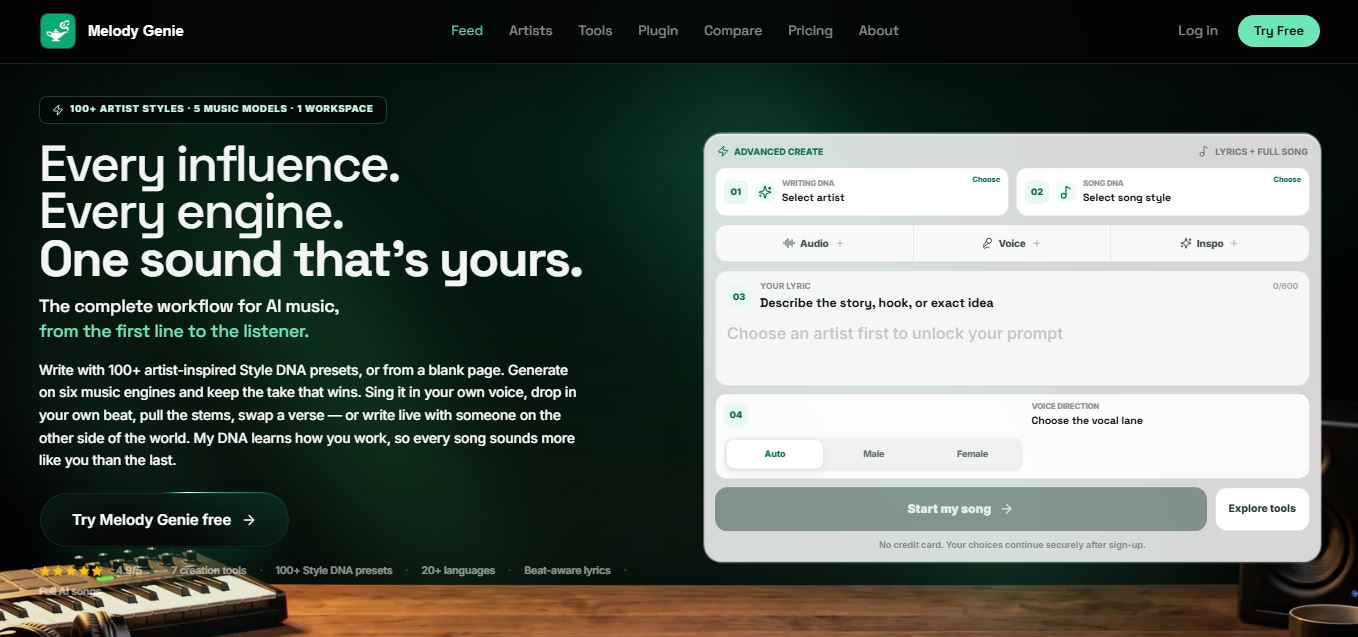
MelodyGenie is an AI-powered music generator that creates original songs from simple text prompts. Users can choose styles, moods, and genres, then instantly generate melodies and full tracks, making it easy for creators, marketers, and hobbyists to produce custom music without musical expertise.
Freemium
Kimi AI
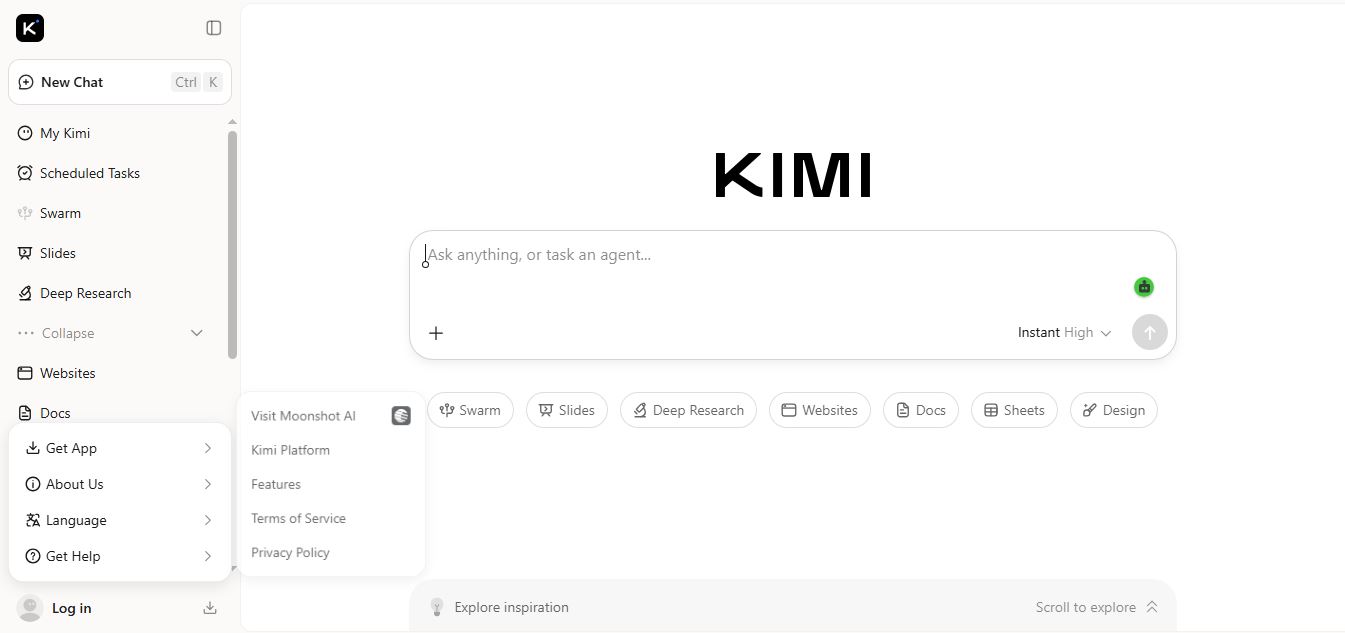
Kimi AI is an advanced AI assistant developed by Moonshot AI that helps you chat, research, write, code, and automate tasks in one place. It supports web search, file analysis, and multimodal inputs, and can even run autonomous “agent” workflows to complete complex tasks end-to-end.
Freemium
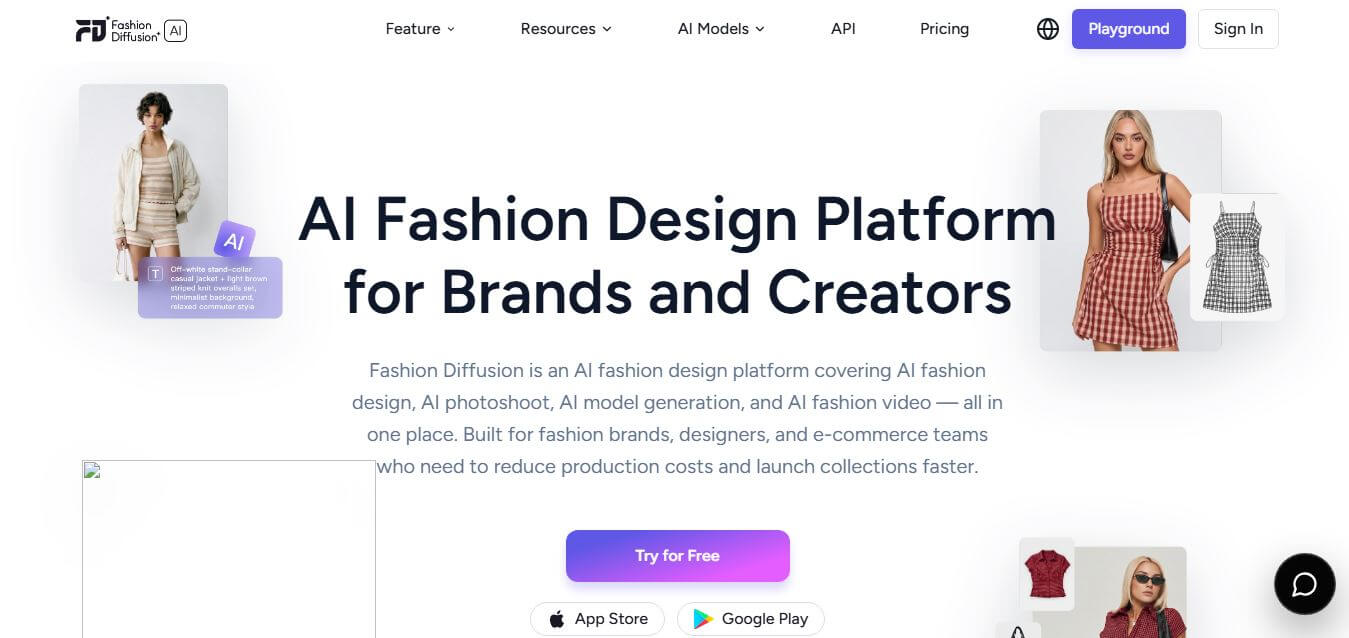
Fashion Diffusion AI
Fashion Diffusion is an AI-powered fashion design platform that helps brands and designers create clothing designs, virtual try-ons, AI models, product photos, and marketing visuals faster and cost-effectively.
Paid
Veo 4
Veo 4 AI is an AI video creation platform that generates dramatic videos from text, images, audio, and video prompts using realistic motion and synchronized sound.
Paid
Alternatives
Alternatives to DeepL for AI Agents
The best alternatives to DeepL for AI Agents include native general LLM prompts (such as Claude 3.5 or GPT-4o direct translation), Google Cloud Translation API, and Smartling Language AI. While DeepL for AI Agents provides deterministic translation, native glossaries, layout-preserving document processing, and zero token waste via the Model Context Protocol (MCP), general LLMs rely on prompt context and may vary in output consistency across runs.
 4.9
4.9Talkwalker
AI Agent
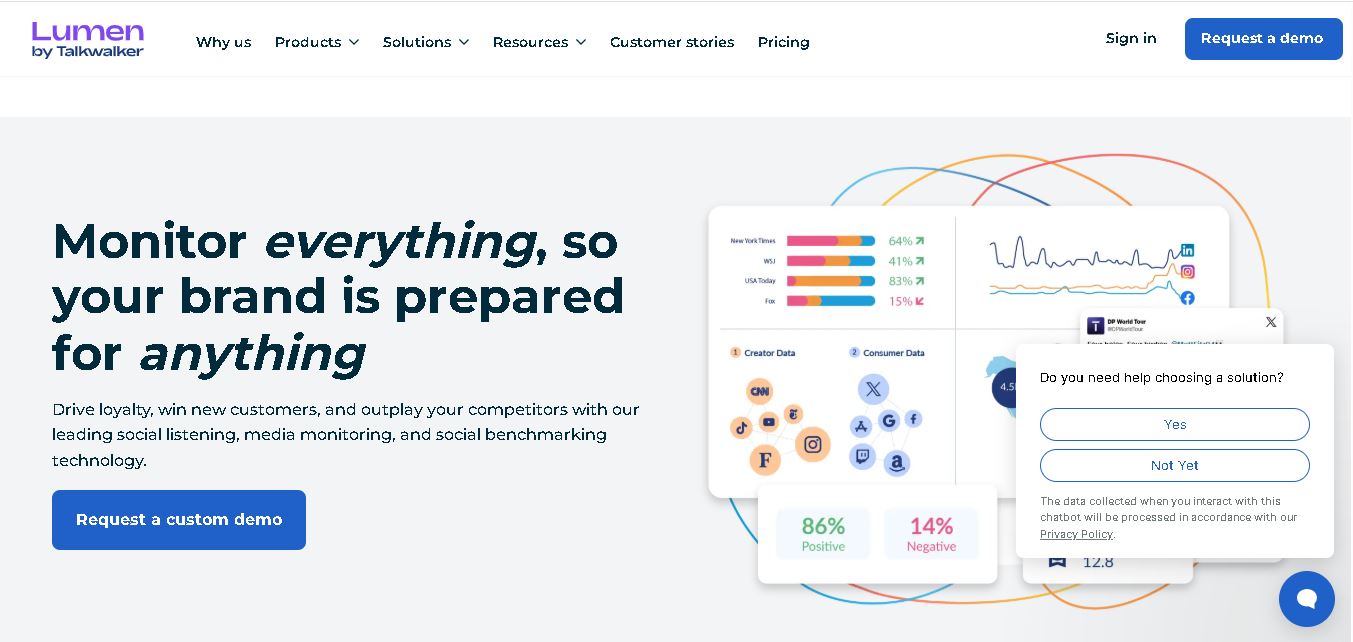
Talkwalker is a consumer intelligence and social listening solution that helps brands track online mentions, analyze audience sentiment, monitor competitors, and discover emerging trends. It combines social media analytics, media monitoring, customer feedback, and AI-powered insights to support marketing, public relations, reputation management, and data-driven business decisions across global markets.
 5.0
5.0AI4K12
AI Agent
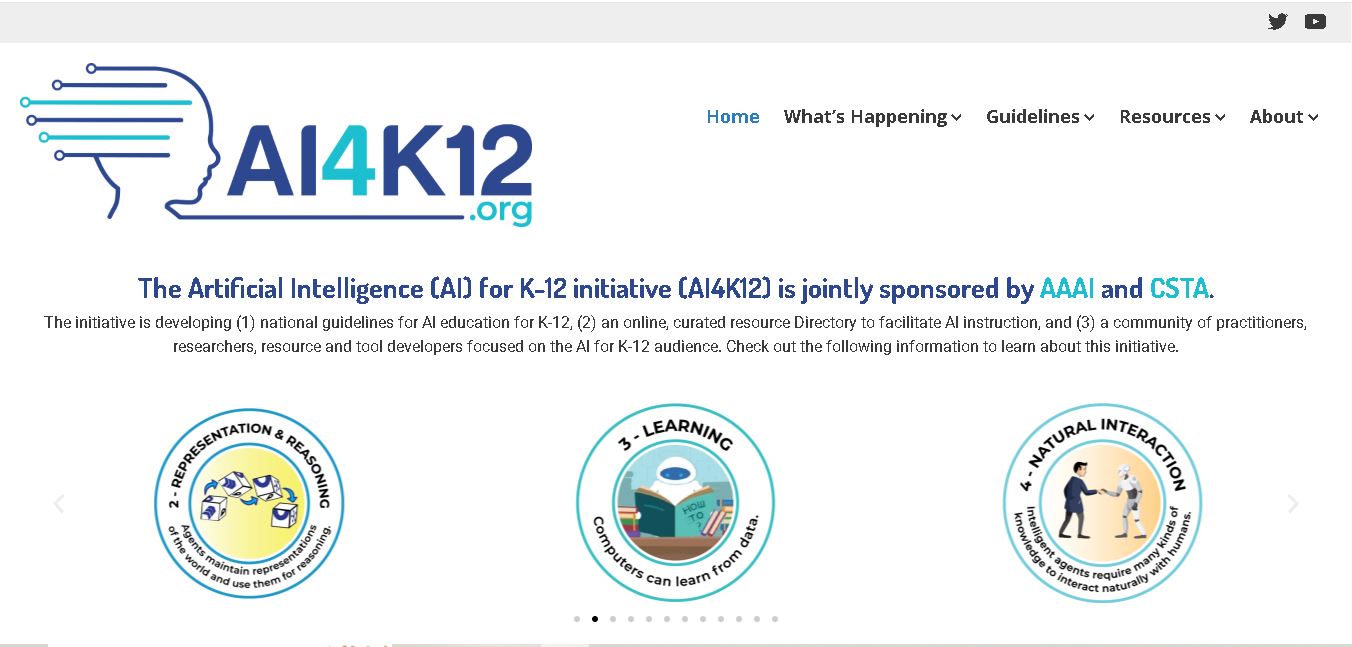
AI4K12 is an educational initiative focused on bringing artificial intelligence into K–12 classrooms. It provides grade-level learning guidelines, curated teaching resources, and the Five Big Ideas framework. Designed for educators and curriculum developers, AI4K12 supports age-appropriate AI instruction and helps students understand how intelligent technologies work and affect society.
Kommunicate
AI Agent
Kommunicate (kommunicate.io) is an AI-powered customer service automation and live chat platform that unites no-code generative AI agents, Kompose chatbot builder, seamless human escalation, voice AI, and omnichannel messaging across WhatsApp, web, and mobile apps.
Text
AI Agent
Text is an AI-powered customer service platform that combines live chat, help desk ticketing, AI agents, and workflow automation. It helps businesses manage customer conversations, automate repetitive support tasks, answer questions, engage website visitors, and turn customer interactions into sales opportunities through a unified communication workspace.
DocsBot AI
AI Agent
DocsBot AI is an AI chatbot and agent platform that turns websites, documents, knowledge bases, and support tickets into conversational assistants. Businesses can use it to automate customer support, answer questions, share internal knowledge, connect workflows, and provide information through website widgets and supported integrations.
SiteGPT AI
AI Agent
SiteGPT is an AI chatbot platform that helps businesses automate customer support using their website content, documents, and knowledge sources. It answers visitor questions, supports lead generation, and integrates into websites, allowing teams to handle repetitive inquiries, improve customer experiences, and provide assistance around the clock.
 4.7
4.7Halcyon
AI Agent
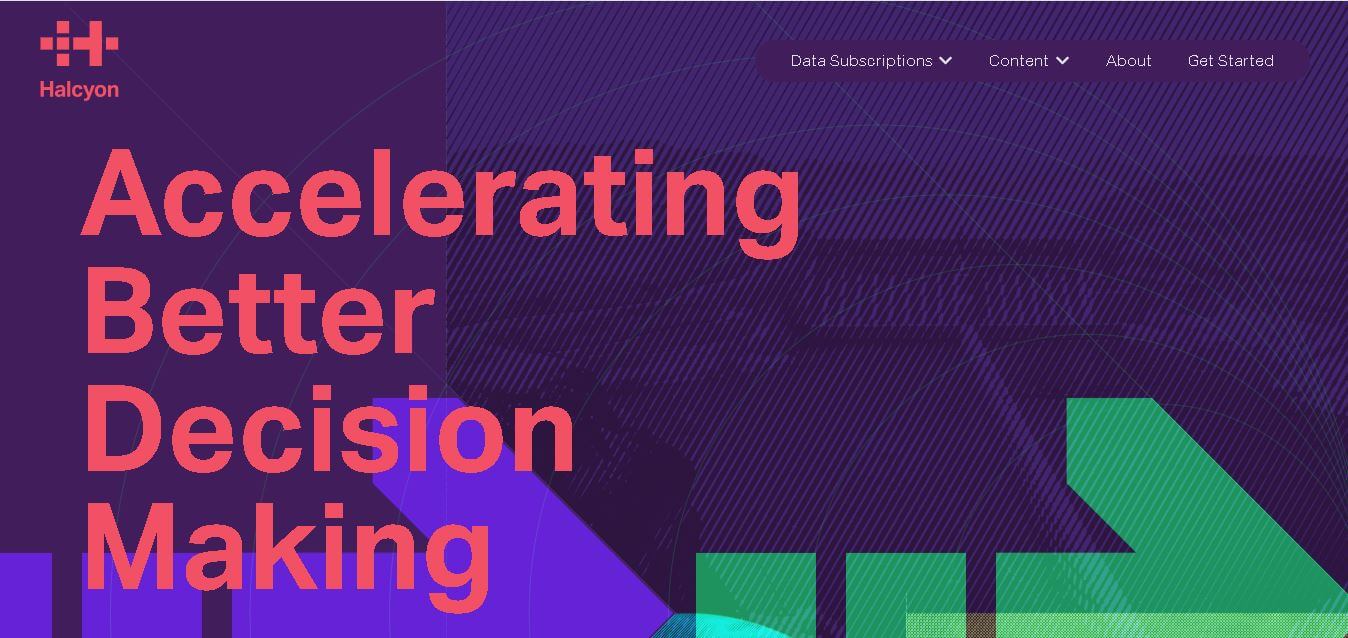
Halcyon is an AI energy intelligence platform that helps professionals search regulatory filings, analyze energy-market information, monitor developments, and access structured datasets. It combines document search, natural-language queries, AI-powered alerts, and specialized data subscriptions to turn fragmented energy information into actionable intelligence for research, monitoring, planning, and faster decision-making.
 4.5
4.5Enhancv
AI Agent
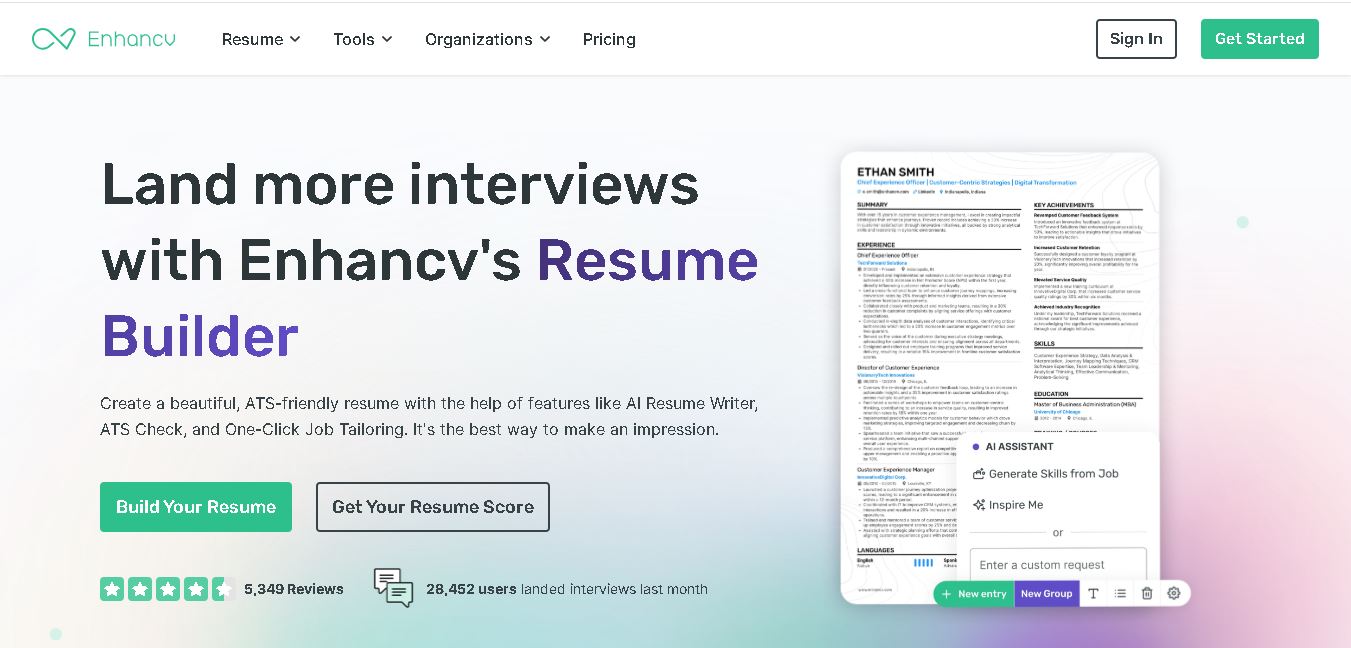
Enhancv helps job seekers build ATS-friendly resumes using customizable templates, AI writing assistance, resume checking, and job-specific tailoring. It also supports cover letters, application tracking, interview preparation, and resume translation. The platform is designed for candidates who want a polished application while keeping control over their experience, wording, and presentation.
 4.9
4.9Domo
AI Agent
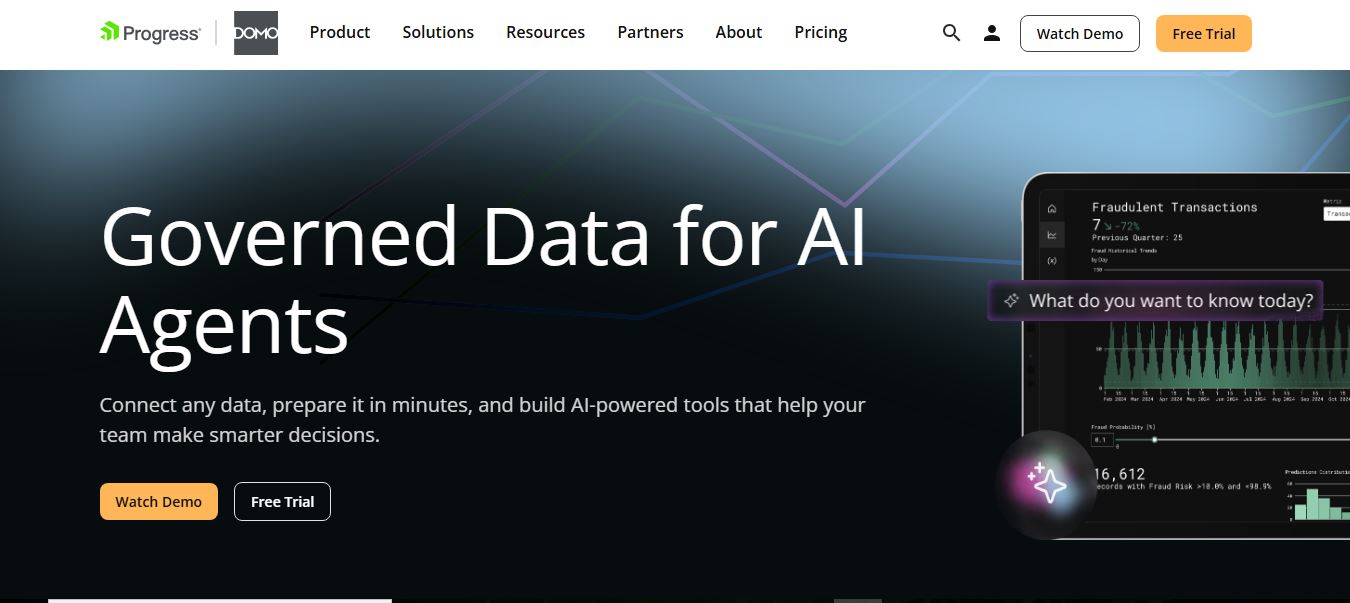
Domo is an AI-powered data and analytics platform that helps businesses connect, visualize, and act on data from multiple sources in one place. It combines dashboards, automation, and AI insights to turn raw data into decisions, enabling teams to monitor performance and drive better outcomes in real time.