
TrojAI
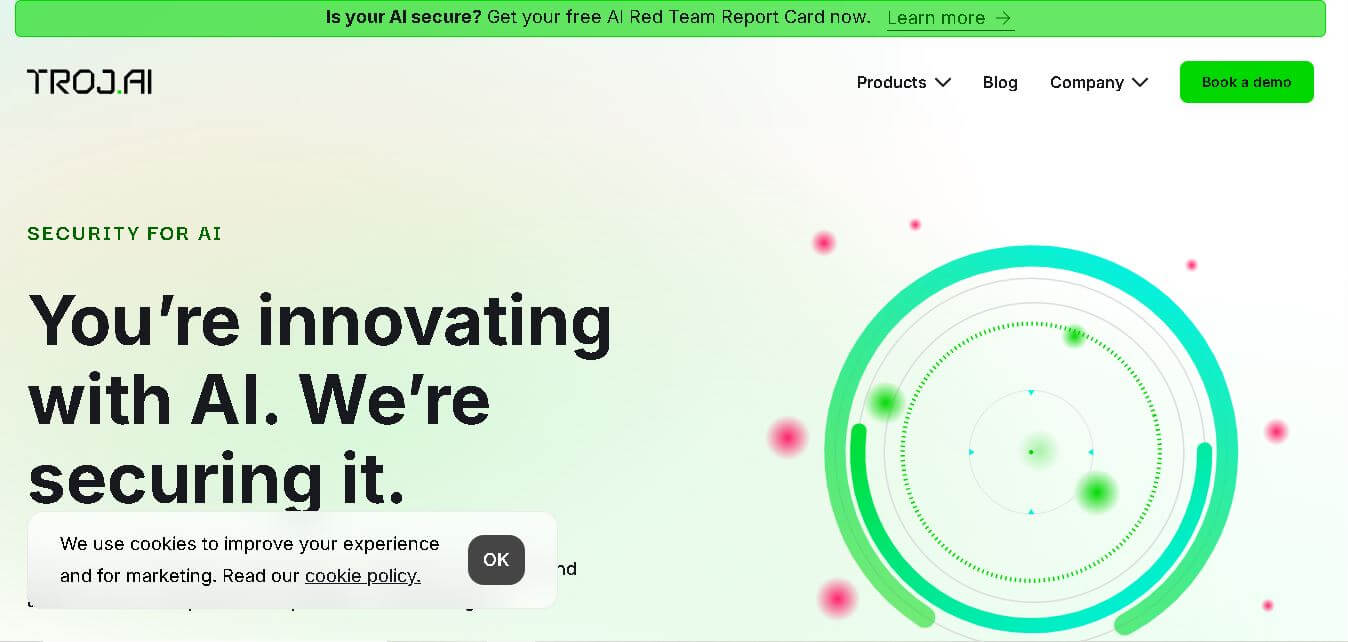
TrojAI is an enterprise AI security platform that helps organizations test, monitor, and protect AI models, applications, and agents. It combines automated red teaming, runtime AI firewall protection, security policies, and agentic telemetry to address prompt injection, data leakage, jailbreaks, toxic content, and tool abuse across the AI lifecycle.
What is TrojAI?
TrojAI is an enterprise AI security platform designed to assess, monitor, and protect AI models, applications, and agents across their lifecycle. It combines automated AI red teaming, runtime protection, policy enforcement, and agentic observability to address risks such as prompt injection, data leakage, jailbreaks, toxic content, and tool abuse. TrojAI supports security teams in identifying vulnerabilities before deployment and controlling AI threats during production use.
TrojAI provides security coverage across 2 main stages: build time and runtime. Its platform addresses 4 major threat areas highlighted on its website: adversarial attacks, data leakage, toxic content, and tool abuse. TrojAI’s earlier red-team materials also describe 150+ out-of-the-box security tests, while its current platform covers agent runtime protection, coding agents, AI red teaming, model guardrails, and Model Context Protocol security.
- Platform Role: Enterprise AI Security Platform, LLM Runtime Guardrail Engine & Agentic AI Firewall
- Developer & Organization: TrojAI Inc. (Saint John / Boston, NA)
- Cross-Platform Access: Web Management Dashboard, RESTful APIs, and inline proxy integrations compatible with enterprise AI gateways (e.g., TrueFoundry, Kong)
Use Cases:
- Detecting and blocking direct and indirect prompt injection attacks, jailbreaking attempts, and system prompt exfiltration in real time
- Preventing sensitive PII, proprietary source code, and trade secrets from leaking through AI model responses
- Neutralizing rogue Model Context Protocol (MCP) servers, unapproved tool usage, and agentic privilege escalation
- Conducting automated adversarial red teaming and vulnerability penetration testing on pre-production AI models
- Ensuring compliance with global AI governance standards and security frameworks like OWASP for LLMs
Technology:
- TrojAI Defend inline firewall architecture executing real-time inspection with ultra-low (~10 ms) latency impact
- Behavioral telemetry tracking every agent invocation, tool execution, and span context to detect anomalous actions
- Advanced NLP and machine learning classifier rulesets for detecting toxicity, hallucinations, and policy violations
- Enterprise cloud infrastructure backed by AES 256-bit encryption, TLS 1.3 data-in-transit protections, and SOC 2 compliance
Target Users:
- Chief Information Security Officers (CISOs) and SecOps teams enforcing governance on corporate AI initiatives
- AI Engineers and MLOps teams deploying agentic applications requiring low-latency protection guardrails
- Enterprise Risk & Compliance Officers managing OWASP alignment, EU AI Act readiness, and IP data controls
Acquisition: Enterprise SaaS security suite available via custom enterprise licensing and demo requests operated by TrojAI Inc. (troj.ai)

What are the key features of TrojAI?
TrojAI's key platform features are
- Adversarial Attack Prevention: Stops jailbreaks, direct prompt manipulations, and stealthy indirect prompt injections in real time.
- MCP & Tool Access Control: Discovers, monitors, and blocks unauthorized Model Context Protocol (MCP) servers and malicious tool tampering.
- Data Leakage Prevention (DLP): Scans model inputs and outputs for PII, confidential credentials, and proprietary intellectual property.
- Automated AI Red Teaming: Runs continuous, automated penetration tests to uncover vulnerabilities before models go live.
- Agentic Telemetry & Observability: Provides full visibility into every decision span, API invocation, and tool call made by autonomous agents.
- Custom Guardrail Rulesets: Allows security administrators to configure tailored moderation, toxicity, and domain-specific enterprise policies.
How much does TrojAI cost?
TrojAI operates on custom enterprise pricing based on application scale, API transaction traffic, and deployed security modules.
Pricing Structure:
- Enterprise Custom Plan: Annual subscription tailored to organizational footprint, covering runtime guardrails, red teaming modules, and API Gateway integrations.
- Proof-of-Concept / Pilot Tiers: Custom engagement trials available upon booking an enterprise sales demonstration.
Disclaimer: TrojAI is an enterprise-focused B2B security solution and does not offer a public self-serve retail checkout tier. Licensing is provided through direct enterprise consultation.
Who should use TrojAI?
TrojAI is designed for enterprise organizations deploying mission-critical AI, including
- Financial Institutions & Banks: Entities processing sensitive customer financial data through LLMs requiring strict DLP and audit readiness.
- Healthcare & Life Sciences: Organizations leveraging AI agents while enforcing HIPAA-aligned PII and data exfiltration controls.
- Enterprise SaaS & Software Companies: Product development teams integrating autonomous AI agents and third-party MCP tools.
What are the best alternatives to TrojAI?
Some of the strongest TrojAI alternatives include
- Robust Intelligence
- Lakera AI
- HiddenLayer
- Protect AI
- CalypsoAI
- NeMo Guardrails
What are the pros and cons of TrojAI?
What are the pros of TrojAI?
- Comprehensive protection covering both build-time red teaming and live runtime firewall guardrails
- Dedicated focus on agentic AI vulnerabilities, tool tampering, and MCP server management
- Ultra-low latency runtime engine (~10 ms) that prevents application performance bottlenecks
- Deep alignment with recognized frameworks like OWASP Top 10 for Large Language Models
What are the cons of TrojAI?
- Requires technical integration within existing AI gateways or pipeline proxies
- Opaque enterprise pricing requires direct interaction with sales teams
- Overkill for simple non-agentic applications with no external data connectivity
Why should you choose TrojAI?
Traditional application security (AppSec) tools scan code syntax rather than runtime behavior, leaving AI systems vulnerable to prompt injection, jailbreaks, and unsafe tool execution. TrojAI closes this critical gap by providing continuous observability and enforcement beyond the prompt layer. Designed specifically for the complexities of agentic AI, TrojAI protects sensitive corporate assets without impacting model response speeds.
How does TrojAI compare to competitors?
The primary distinction between TrojAI, Lakera, Robust Intelligence, and NVIDIA NeMo Guardrails lies in architectural scope and agentic focus. While Lakera focuses heavily on prompt inspection and NeMo offers open-source rule frameworks, TrojAI provides an end-to-end enterprise platform combining build-time penetration testing, runtime firewalling, and dedicated MCP tool security.
| Feature / Platform | TrojAI | Lakera Guard | Robust Intelligence | NeMo Guardrails |
|---|---|---|---|---|
| Core Focus | Agentic AI Security & MCP Protection | Real-Time Prompt Injection Defense | Model Validation & AI Risk Management | Open-Source Conversational Guardrails |
| Lifecycle Coverage | Build-Time Red Teaming + Runtime Firewall | Runtime API Inspection | Pre-Deployment Testing + Runtime | Runtime Application Layer |
| Agent Tooling & MCP Focus | High (monitors MCP servers & tool calls) | Moderate (Text & Prompt Focus) | Moderate (Data & Model Integrity) | Programmable Colang Rules |
| Deployment Latency | Ultra-Low (~10 ms inline impact) | Ultra-Low API Response | Low-Latency Firewall | Self-Hosted Latency Dependent |
| Best For | Enterprises deploying autonomous AI agents | Developers needing quick prompt filtering APIs | Organizations needing automated risk testing | Engineering teams building custom Python guardrails |
How do we rate TrojAI?
| Parameter | Rating (out of 5) |
|---|---|
| Threat Detection & Injection Defense | 4.9 |
| Agentic AI & Tool Monitoring | 4.8 |
| Build-Time Red Teaming & Testing | 4.7 |
| Latency & Runtime Performance | 4.8 |
| Enterprise Integration & Support | 4.6 |
| Overall Score | 4.76 |
What is our review and verdict on TrojAI?
TrojAI provides a vital layer of security for modern enterprises adopting agentic AI and LLM workflows. By combining build-time adversarial red teaming with an ultra-fast runtime firewall, it addresses vulnerabilities that traditional AppSec tools overlook. For organizations seeking robust data protection, MCP governance, and prompt injection defense, TrojAI is a top-tier security solution.
Conclusion
TrojAI focuses on securing AI systems from development through production by combining automated security testing with runtime protection. Its capabilities cover AI red teaming, agent security, model guardrails, data-leakage prevention, prompt-injection defense, and MCP protection. For enterprises deploying AI agents or applications connected to sensitive systems, TrojAI provides a security layer focused specifically on AI-related risks rather than relying only on traditional application or infrastructure security controls.
FAQ
What is TrojAI used for?
TrojAI is used for testing, securing, and validating AI and machine learning models against vulnerabilities and adversarial threats.
Does TrojAI support enterprise deployment?
Yes, it is designed for enterprise environments and integrates with existing AI development workflows.
Can TrojAI help with AI compliance?
Yes, it supports compliance and governance by identifying risks and helping align AI systems with regulatory standards.
Is TrojAI suitable for startups?
AI startups building production-grade models can benefit from its security testing and risk assessment features.
Why is AI security important?
AI security prevents data breaches, model manipulation, and adversarial attacks, ensuring reliable and trustworthy AI operations.
User Reviews
No reviews yet for TrojAI.
Featured Tools
Featured AI tools from TechShark

Melody Genie
MelodyGenie is an AI-powered music generator that creates original songs from simple text prompts. Users can choose styles, moods, and genres, then instantly generate melodies and full tracks, making it easy for creators, marketers, and hobbyists to produce custom music without musical expertise.
Freemium
Kimi AI
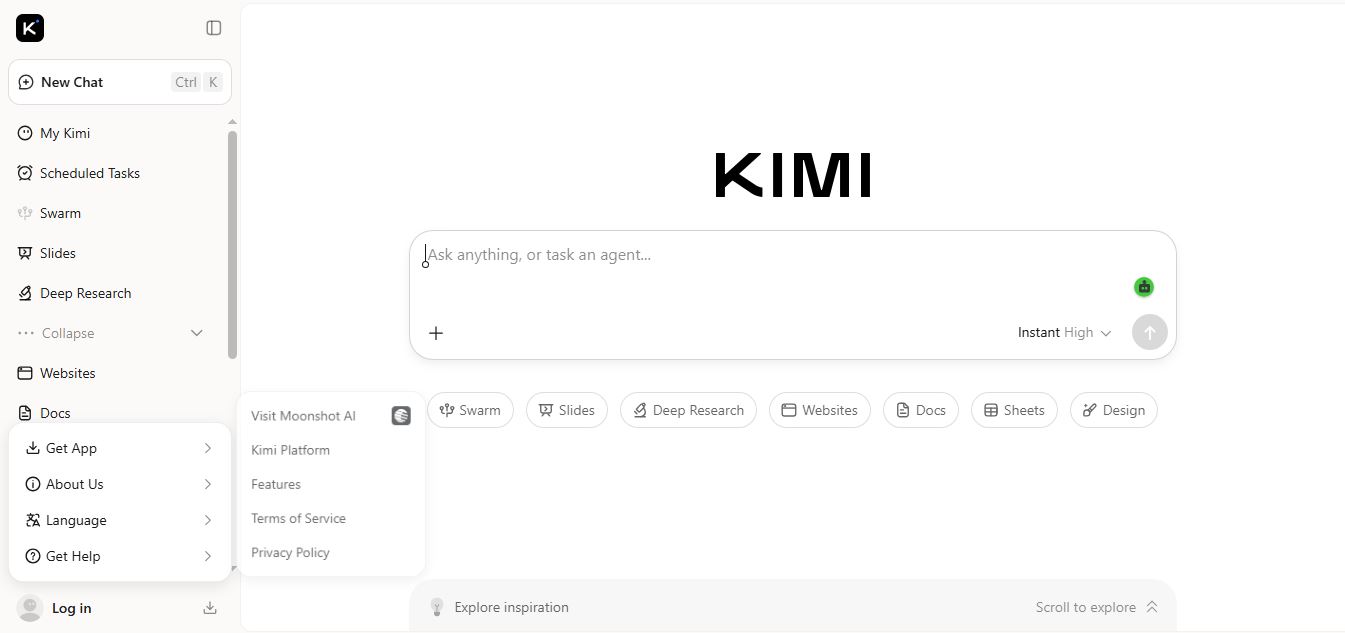
Kimi AI is an advanced AI assistant developed by Moonshot AI that helps you chat, research, write, code, and automate tasks in one place. It supports web search, file analysis, and multimodal inputs, and can even run autonomous “agent” workflows to complete complex tasks end-to-end.
Freemium
Fashion Diffusion AI
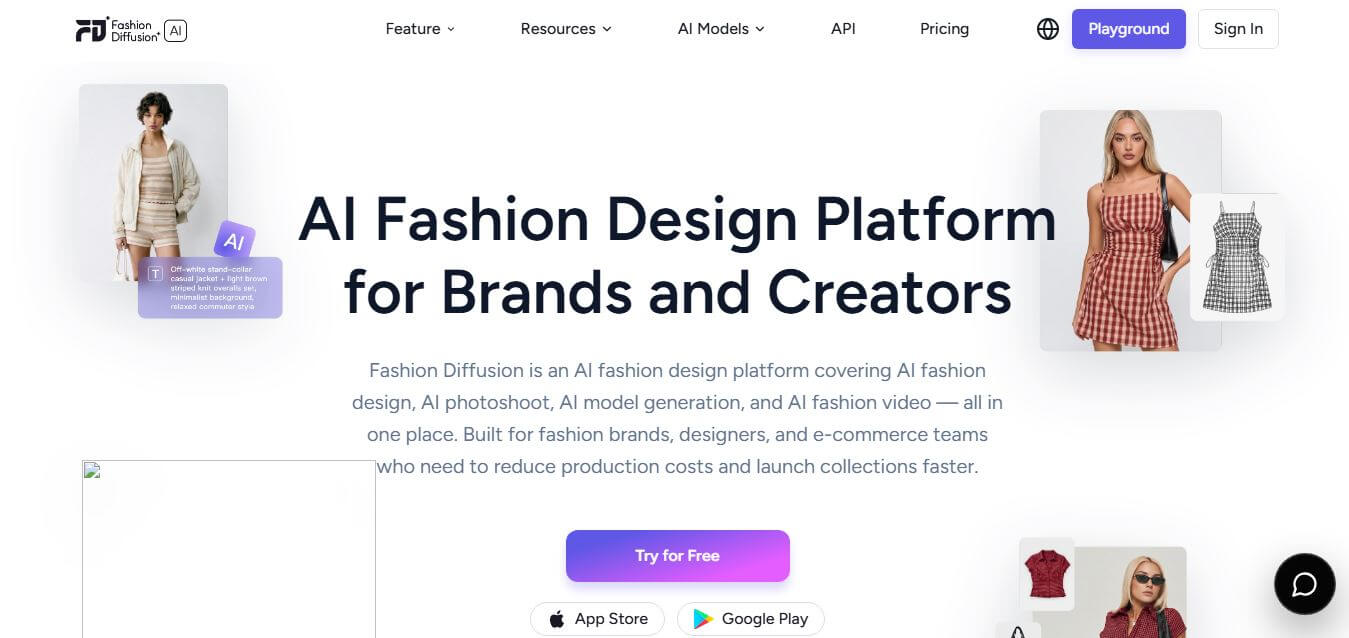
Fashion Diffusion is an AI-powered fashion design platform that helps brands and designers create clothing designs, virtual try-ons, AI models, product photos, and marketing visuals faster and cost-effectively.
Paid
Veo 4
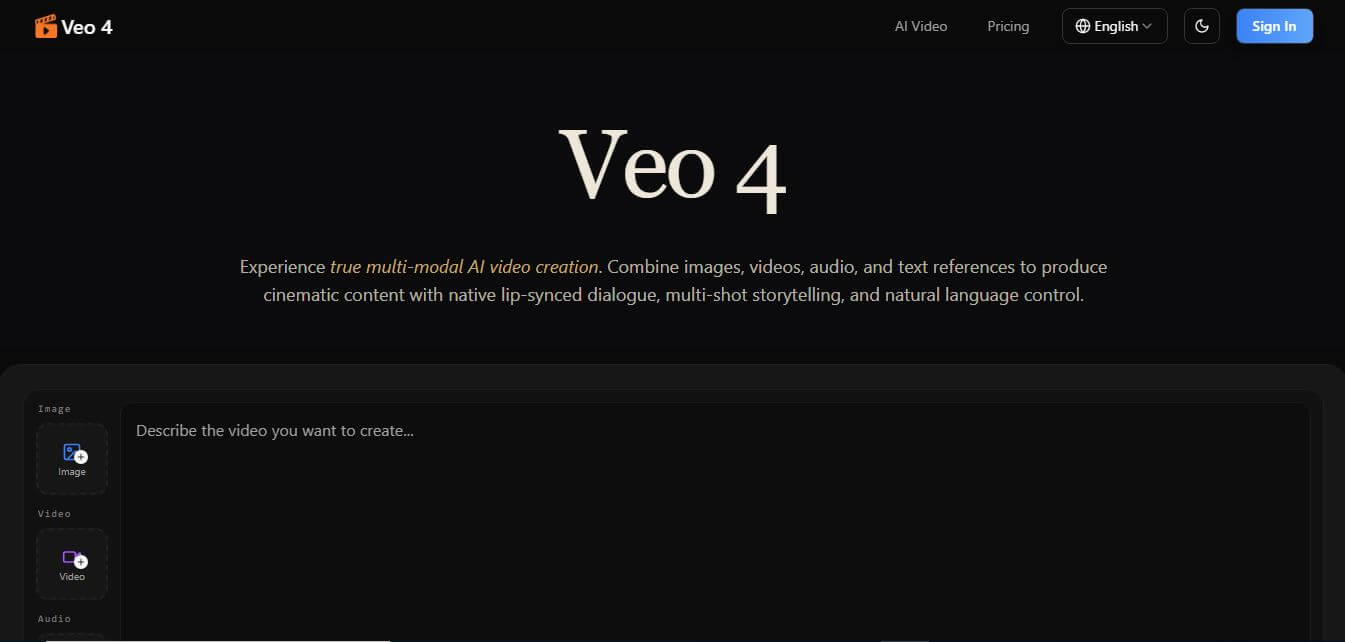
Veo 4 AI is an AI video creation platform that generates dramatic videos from text, images, audio, and video prompts using realistic motion and synchronized sound.
Paid
Alternatives
Alternatives to TrojAI
The best TrojAI alternatives include Lakera Guard, Robust Intelligence, Protect AI, and NVIDIA NeMo Guardrails. While TrojAI offers an end-to-end security platform with build-time red teaming, runtime firewalling, and specialized Model Context Protocol (MCP) tool monitoring, alternatives like Lakera Guard specialize primarily in real-time prompt injection detection APIs.
 4.9
4.9HashiCorp Vault
Security
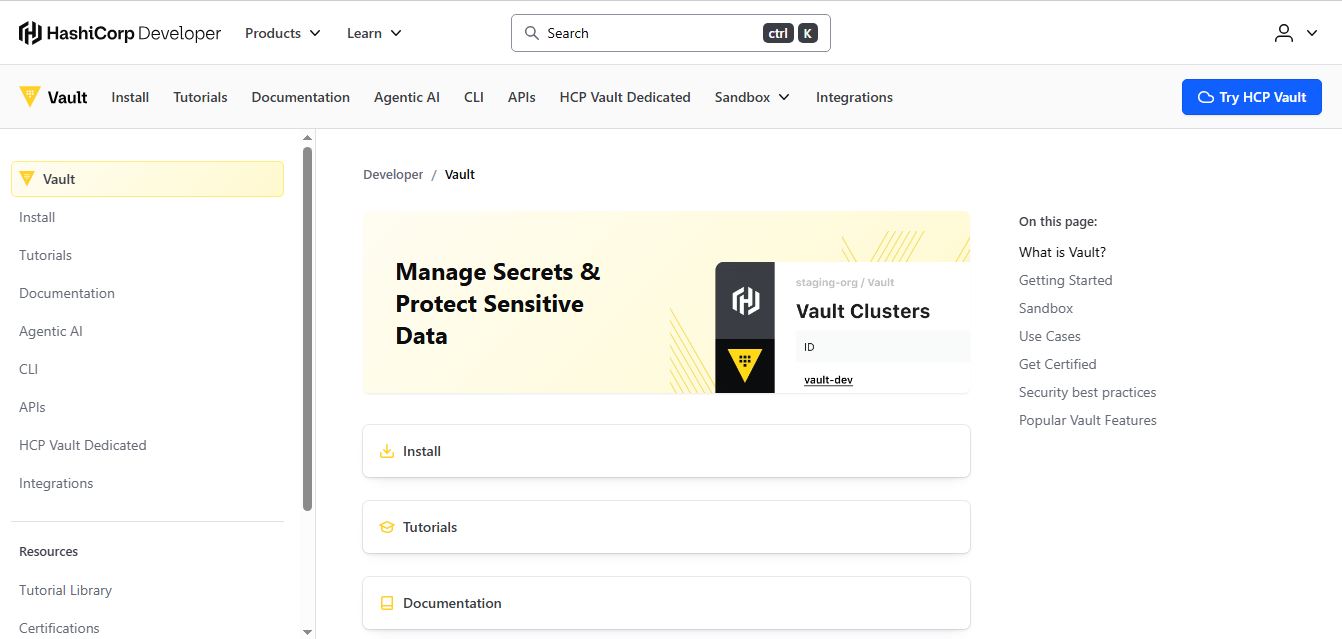
HashiCorp Vault is a secrets management platform that helps organizations securely store, access, and control sensitive data like API keys, tokens, and credentials. It provides encryption, identity-based access, and automated secrets rotation, enabling secure application deployment and compliance across cloud and on-prem environments.
 4.9
4.9Arista Networks
Security
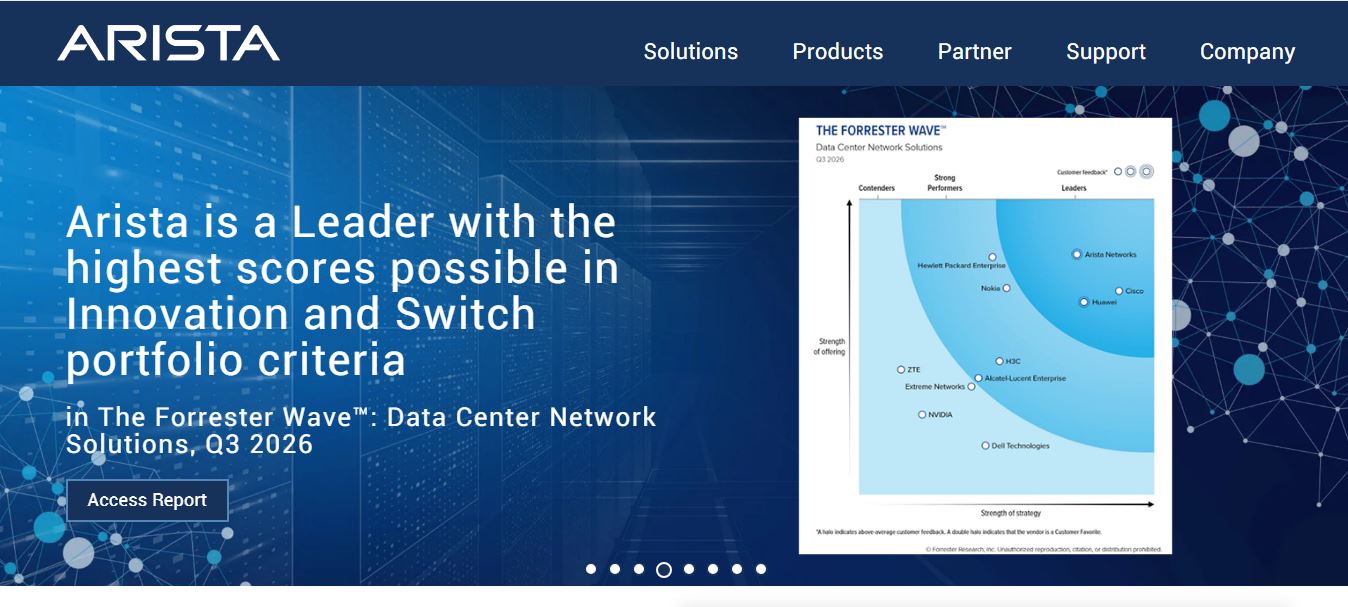
Arista Networks is an AI-driven cloud networking platform that helps businesses build high-performance, scalable networks across data centers, campuses, and cloud environments. It delivers automation, analytics, and security through a unified operating system, enabling reliable connectivity and efficient data flow for modern, large-scale digital infrastructure.
 4.9
4.9Mimecast
Security
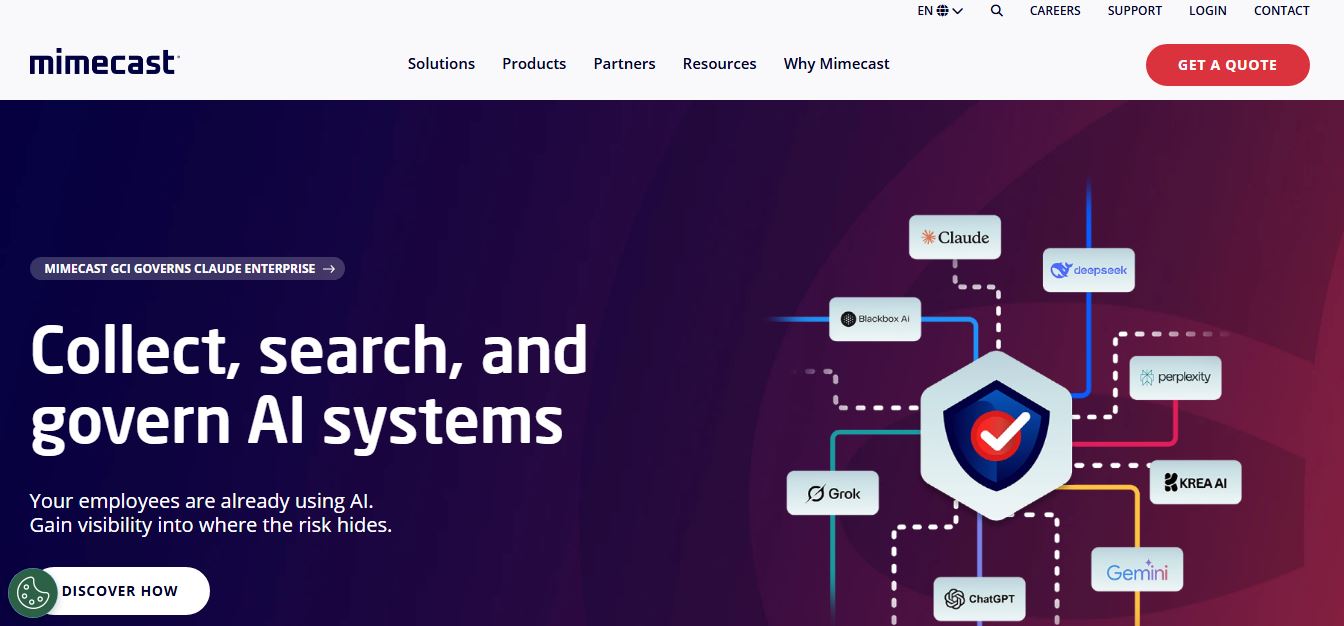
Mimecast is an AI-powered email and collaboration security platform that helps businesses prevent phishing, ransomware, and data leaks. It combines threat detection, data protection, and employee awareness tools into one system, enabling organizations to reduce human risk, ensure compliance, and maintain secure, uninterrupted communication.
 4.9
4.9Cato Networks
Security
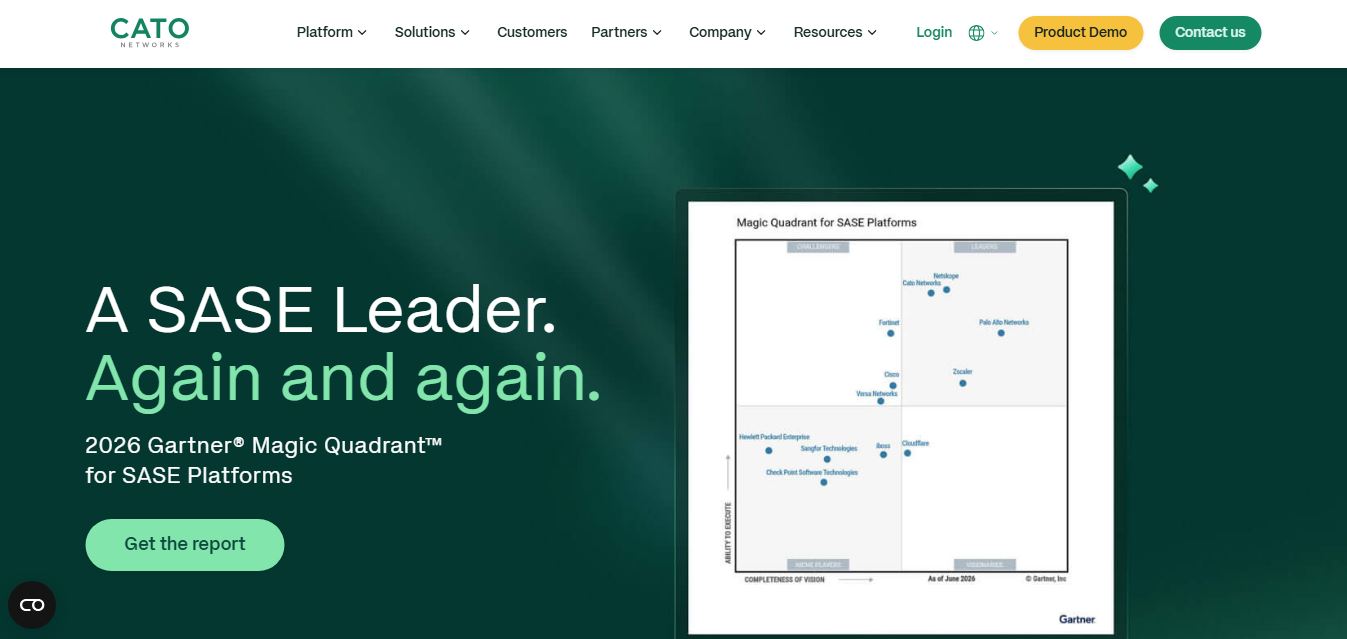
Cato Networks is an AI-powered SASE platform that combines networking and security into a single cloud service. It connects users, apps, and data globally while enforcing zero-trust access, simplifying infrastructure, reducing risk, and delivering secure, high-performance connectivity across distributed and cloud-first business environments.
 4.9
4.9Microsoft Defender for Endpoint
Security
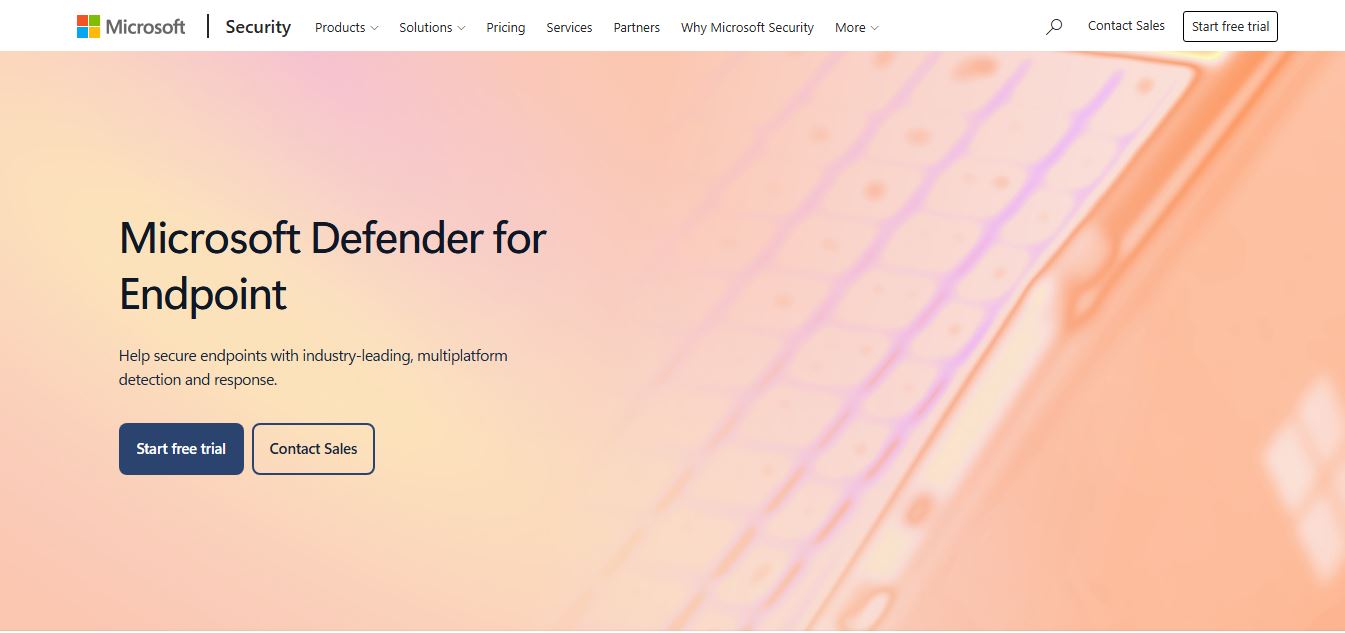
Microsoft Defender for Endpoint is an AI-powered endpoint security platform that helps businesses prevent, detect, and respond to cyber threats across devices like laptops, servers, and mobile systems. It combines antivirus, threat intelligence, and automated response to stop attacks, reduce risk, and provide full visibility across environments.
 4.9
4.9Securiti AI
Security
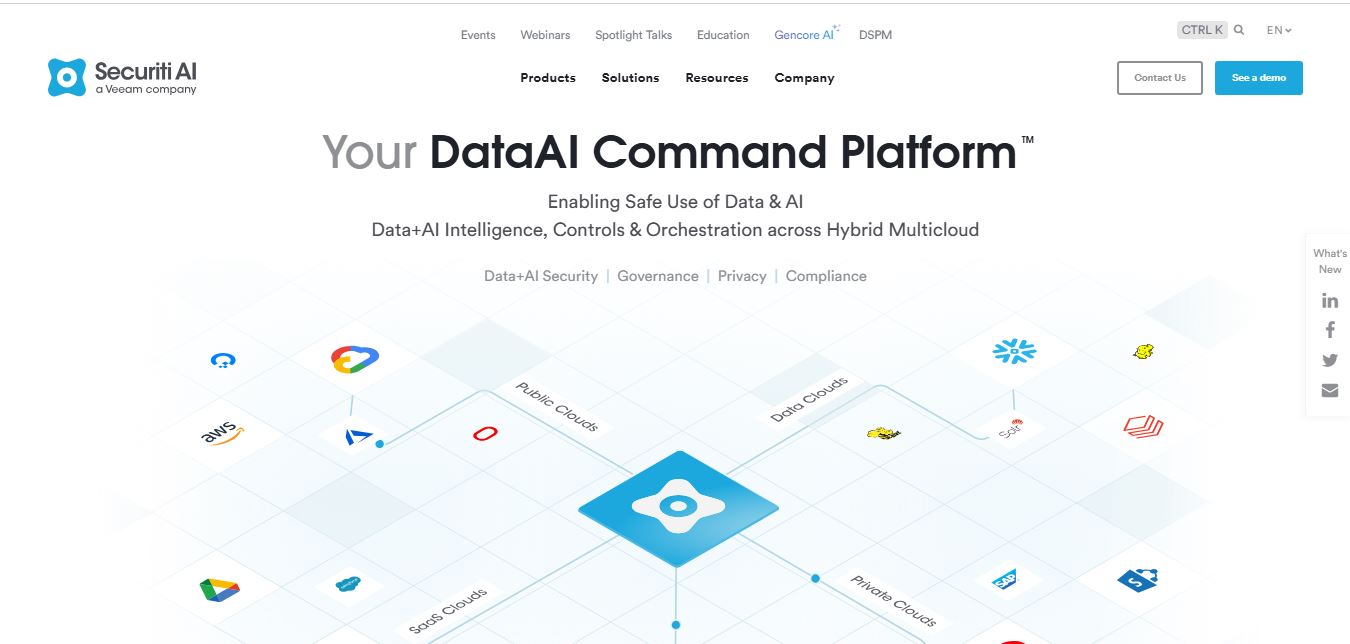
Securiti is an AI-powered data security, privacy, and governance platform that helps organizations discover, manage, and protect sensitive data across systems. It enables compliance with regulations like GDPR and CCPA, automates data workflows, and provides unified control over data access, risk, and usage.
 4.9
4.9Relyance AI
Security
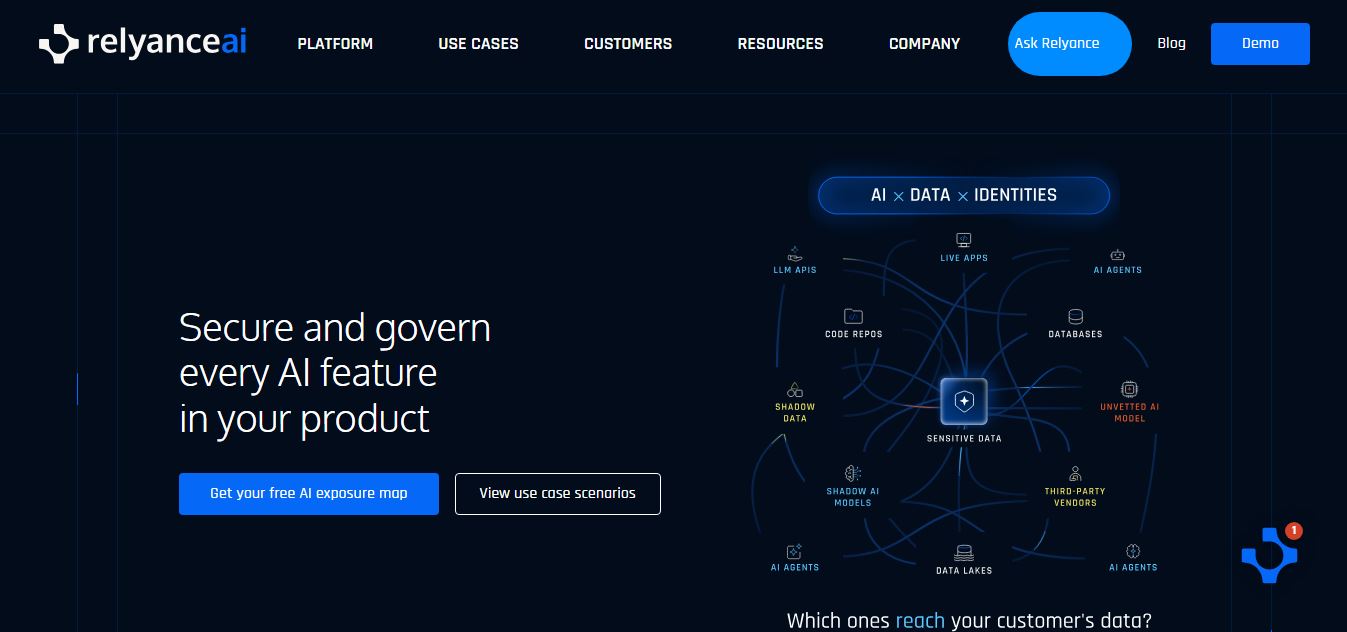
Relyance AI is a data governance and privacy platform that helps businesses manage data usage, ensure compliance, and reduce risk. It uses AI to map data flows, monitor how data is used, and enforce policies, making it easier to stay compliant with regulations like GDPR and CCPA.
 4.9
4.9GitHub Advanced Security
Security
GitHub Advanced Security is a security solution built into GitHub that helps developers find and fix vulnerabilities in their code. It offers features like code scanning, secret scanning, and dependency alerts, enabling teams to identify risks early and secure applications throughout the development lifecycle.
 4.8
4.8HiddenLayer
Security
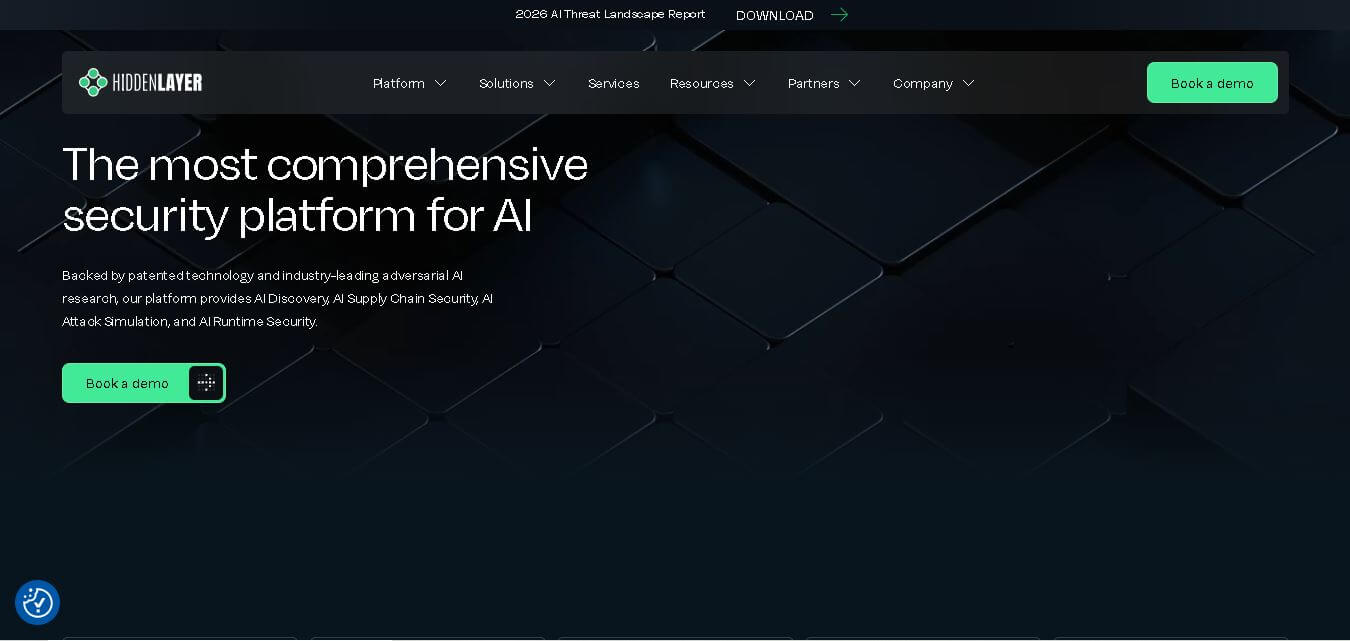
HiddenLayer provides purpose-built security for organizations deploying generative, predictive, and agentic AI. Its platform helps security teams discover AI assets, inspect models for malware and vulnerabilities, continuously simulate attacks, and detect runtime threats. It integrates with existing security and MLOps environments while protecting sensitive models, prompts, data, and intellectual property.