Google Stitch
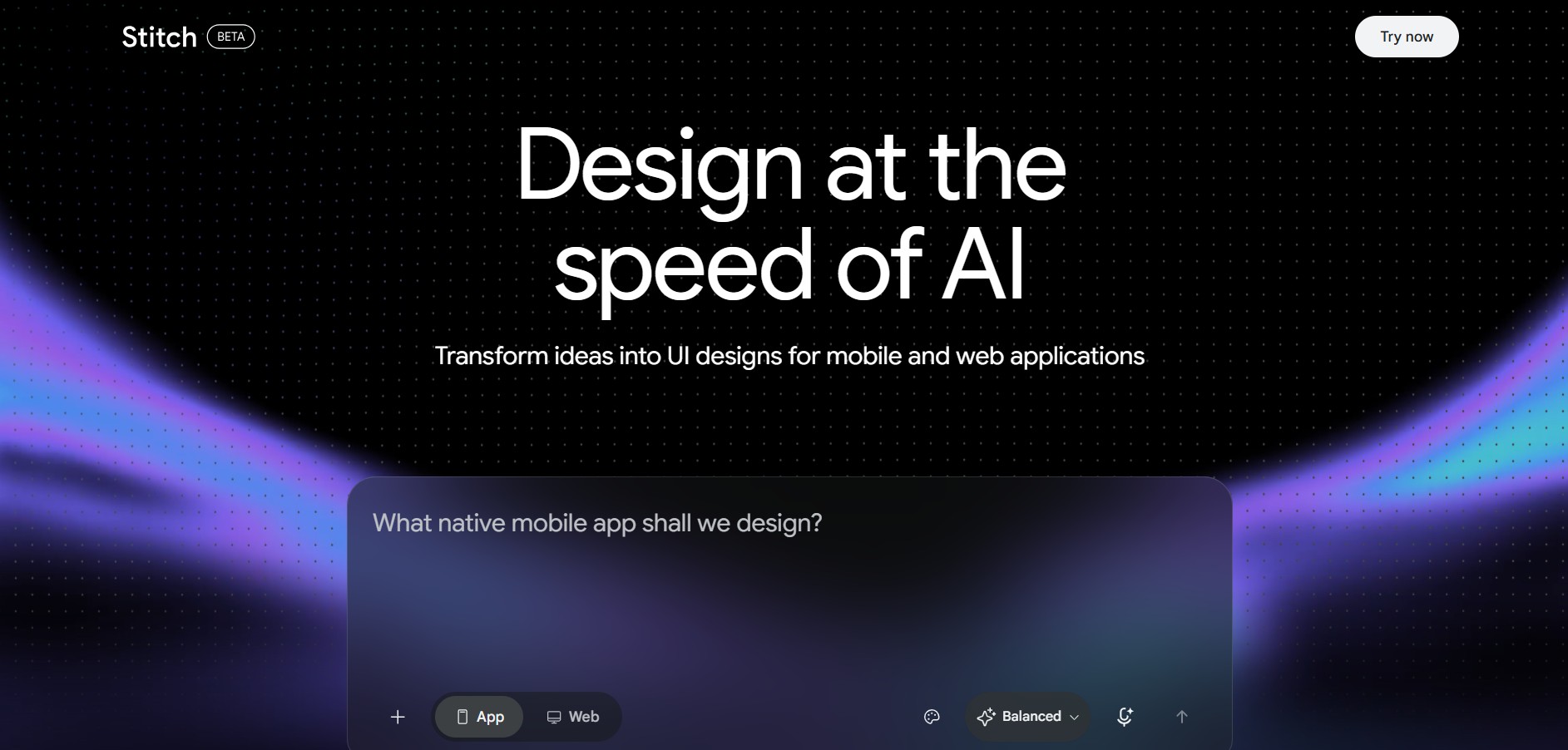
Google Stitch is an AI-powered UI design and prototyping workspace developed by Google Labs that converts natural language prompts, voice commands, website URLs, and paper wireframe sketches into responsive app interfaces, design systems, and developer-ready front-end code.
What is Google Stitch?
Google Stitch is an AI-driven UI design and prototyping platform built by Google Labs. Powered by Google's Gemini multimodal models, Stitch enables designers, developers, and product teams to generate responsive app interfaces, extract design systems, and export clean front-end code directly from text prompts, voice inputs, or URL references.
Google Stitch allows product managers, UI/UX designers, and developers to transform ideas, voice descriptions, and wireframe sketches into multi-screen interactive prototypes and cross-framework code in minutes.
- Platform Role: AI UI/UX Design Engine & Prototyping Canvas
- Core Capabilities: Text/Voice-to-UI Generation, URL Design System Extraction, Sketch-to-Interface Interpretation, Multi-Screen Flow Generation, Interactive Prototyping, Cross-Framework Code Export
- Deployment: Cloud Web Application (stitch.withgoogle.com), Model Context Protocol (MCP) Integration for IDEs, and Figma Plugin Export
Use Cases:
- Extracting design systems (colors, typography, spacing tokens) from existing website URLs to generate brand-aligned mobile or web screens
- Converting paper sketches, whiteboard wireframes, or reference screenshots into editable digital UI flows
- Generating multi-screen interactive user paths (up to 5 interconnected screens simultaneously) with consistent typography and component styles
- Exporting generated UI designs directly into production-ready front-end code (HTML/CSS, React, Vue.js, Angular, Flutter, SwiftUI) or Figma layers
Technology:
- Gemini Multimodal Engine: Utilizes Gemini 3.0 Flash for rapid layout iterations and Gemini 3.0 Pro for complex visual analysis and high-fidelity rendering
- Automated Design System Tokenizer: Automatically extracts and maintains spacing grids, color palettes, and typography scales across multi-page screen flows
- Model Context Protocol (MCP): Direct developer integration enabling IDEs like Cursor and Antigravity to pull UI components and layout metadata directly into codebase workflows
Target Users:
- Product managers and founders building rapid proof-of-concept prototypes and MVP user flows
- UI/UX designers exploring visual directions, testing layout variants, and transferring mockups directly to Figma
- Front-end developers needing production-ready UI components across multiple web and mobile frameworks
Acquisition: Web application via Google Labs (stitch.withgoogle.com)
What are the key features of Google Stitch?
Google Stitch's key platform features are
- Multimodal Generation: Generate UI mockups using text prompts, voice input, paper wireframes, or uploaded reference images.
- URL Design System Extraction: Input any website URL to automatically extract design tokens—typography, spacing, and color schemes—and generate new screens matching that visual identity.
- Multi-Screen Flow & Infinite Canvas: Generate multi-page interconnected user journeys simultaneously while maintaining strict design consistency.
- Interactive Prototyping: Link buttons and navigation elements into clickable, interactive prototypes directly inside the canvas.
- Multi-Framework Code & Figma Export: Export designs directly as editable auto-layout layers in Figma, or download production-ready code in React, Tailwind CSS, Vue, Angular, Flutter, and SwiftUI.
How much does Google Stitch cost?
Google Stitch is offered for free as part of Google Labs, utilizing a monthly credit quota system with no paid tier required.
Pricing Overview:
- Free (Google Labs Tier): Free access with a standard Google account. Includes 350 standard generations per month (powered by Gemini Flash) and 200 pro/experimental generations per month (powered by Gemini Pro).
Disclaimer: Usage limits and experimental feature access are managed directly under Google Labs policies. Visit stitch.withgoogle.com for current account details.
Who should use Google Stitch?
Google Stitch is tailored for digital product creators, including
- Product Teams & PMs: Validating user flows and presenting interactive app prototypes without waiting on lengthy design cycles.
- UX/UI Designers: Bootstrapping layout explorations, extracting design systems from live sites, and pushing layouts straight to Figma.
- Front-End Developers: Converting visual designs into clean, responsive React, Flutter, or SwiftUI code with built-in MCP integration.
What are the best alternatives to Google Stitch?
Some of the top alternatives to Google Stitch include
- Galileo AI
- v0 by Vercel
- Lovable
- Uizard
- UX Pilot
- Figma AI
What are the pros and cons of Google Stitch?
What are the pros of Google Stitch?
- Fast generation performance backed by Google's Gemini 3.0 Flash and Pro models
- Multimodal input flexibility supporting text prompts, voice, paper sketches, and URL brand extractions
- Robust export capability covering Figma and multiple front-end code frameworks (React, Flutter, Vue, SwiftUI)
What are the cons of Google Stitch?
- Monthly generation limits (350 standard / 200 pro) with no paid upgrade path available currently
- Focuses strictly on mobile and web UI/UX, not intended for general graphic design or presentation decks
Why should you choose Google Stitch?
Google Stitch bridges the gap between conceptual design and development. By using Gemini AI models to analyze text prompts, voice requests, paper wireframes, and existing web URLs, Stitch turns early ideas into interactive prototypes and exportable code across platforms in minutes.
- Generate multi-screen app UIs instantly from voice, sketches, or plain language prompts
- Extract design systems directly from URLs to maintain visual brand identity across new screens
- Export seamlessly to Figma layers or clean front-end code across React, Flutter, and SwiftUI
How do we rate Google Stitch?
| Parameter | Rating (out of 5) |
|---|---|
| UI Generation Speed & Precision | 4.8 |
| Multimodal & URL Input Capabilities | 4.9 |
| Figma & Code Export Flexibility | 4.8 |
| Ease of Use | 4.9 |
| Value for Money | 5.0 |
| Overall Score | 4.88 |
What is our review and verdict on Google Stitch?
Google Stitch is an industry-leading AI design engine for fast prototyping and UI generation. Its combination of URL design system extraction, multimodal prompt handling, interactive multi-screen flows, and broad code exports makes it an essential tool for developers and product designers.
What is the final conclusion on Google Stitch?
Whether you need to extract a design system from a live website, turn paper sketches into interactive app flows, or generate Flutter and React components, Google Stitch delivers a powerful AI UI design workspace.
FAQ
What is Google Stitch?
Google Stitch is an AI-powered design canvas from Google Labs that helps users create high-fidelity interfaces for websites and mobile applications. Instead of designing every screen manually, users can describe their idea in natural language and use AI to generate and refine the interface.
How does Google Stitch create UI designs?
Stitch can turn natural-language descriptions into complete UI designs with layouts, components, typography, and visual styling. Users can also provide images, sketches, screenshots, or other design references as context for generating the interface.
Can Google Stitch create multiple screens and interactive prototypes?
Yes. Stitch can connect individual screens into interactive prototypes so users can preview application flows and test how different screens work together. Its newer canvas also supports exploring and iterating across multiple design ideas within the same project.
Can I use voice commands in Google Stitch?
Yes. Stitch includes voice-based interaction that allows users to describe design changes or ask the AI agent to explore different directions. For example, users can request alternative layouts, menu options, or visual variations while working directly on the canvas.
Can Google Stitch convert designs into code?
Yes. Stitch is designed to connect the UI design process with development by generating frontend code from the created designs. Google also provides integrations and export options that allow designs to move into developer tools such as Google AI Studio and Antigravity.
Can Google Stitch work with Figma and existing design systems?
Stitch supports workflows that move generated designs into Figma for further editing and collaboration. It also supports design-system workflows through URL-based design-system extraction and the DESIGN.md format, allowing design rules to be reused across projects and compatible development tools.
Is Google Stitch free to use?
Google presents Stitch as an experimental Google Labs product and makes it available through the Stitch website. Its availability and features can change as Google continues to develop the service, so users should check the current Stitch interface for the latest access and usage conditions.
User Reviews
No reviews yet for Google Stitch.
Featured Tools
Featured AI tools from TechShark
Melody Genie
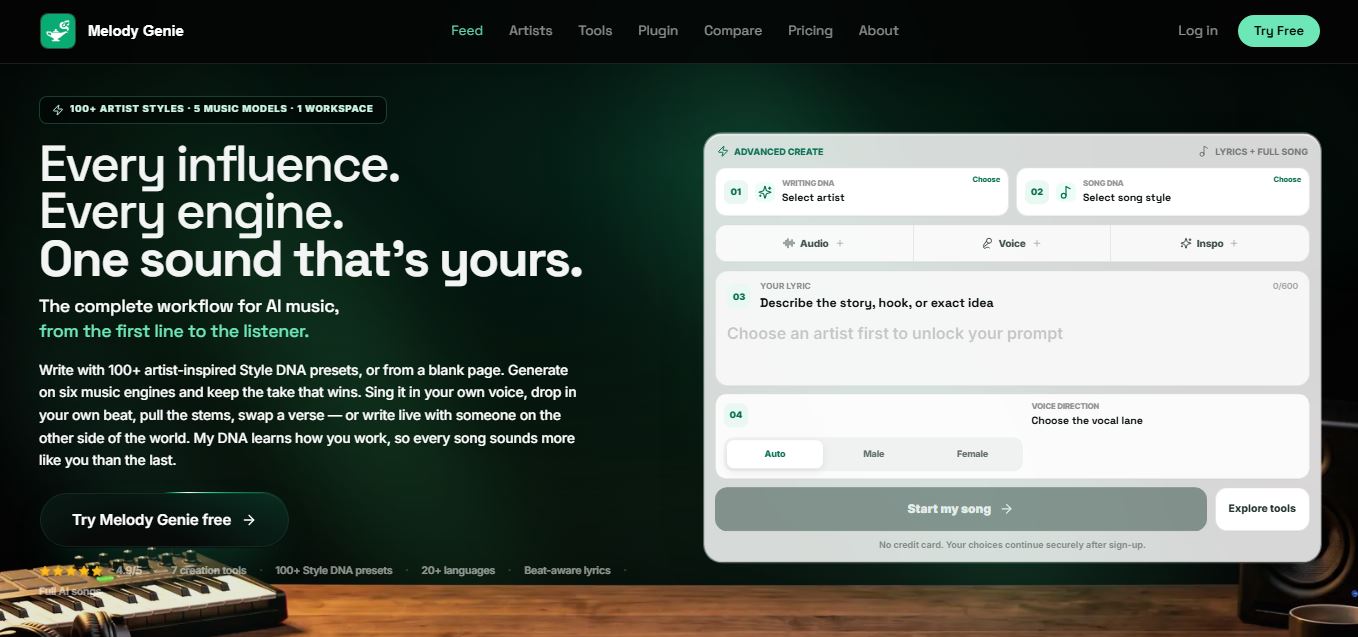
MelodyGenie is an AI-powered music generator that creates original songs from simple text prompts. Users can choose styles, moods, and genres, then instantly generate melodies and full tracks, making it easy for creators, marketers, and hobbyists to produce custom music without musical expertise.
Freemium
Kimi AI
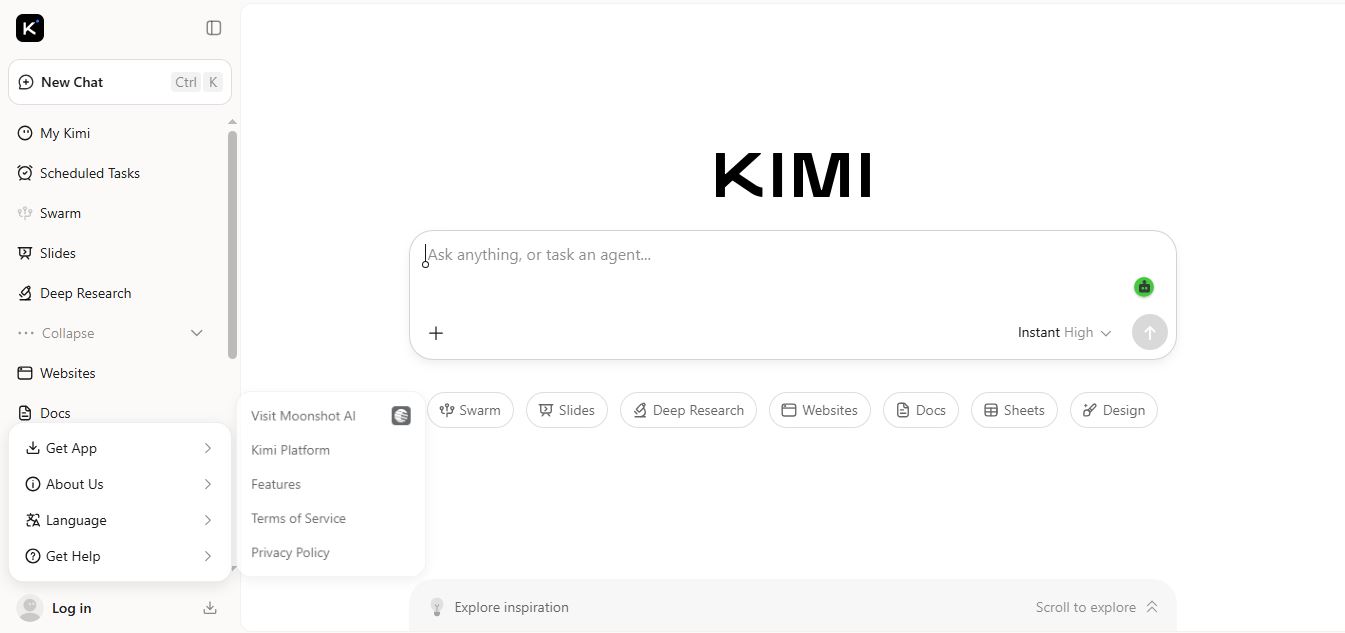
Kimi AI is an advanced AI assistant developed by Moonshot AI that helps you chat, research, write, code, and automate tasks in one place. It supports web search, file analysis, and multimodal inputs, and can even run autonomous “agent” workflows to complete complex tasks end-to-end.
Freemium
Fashion Diffusion AI
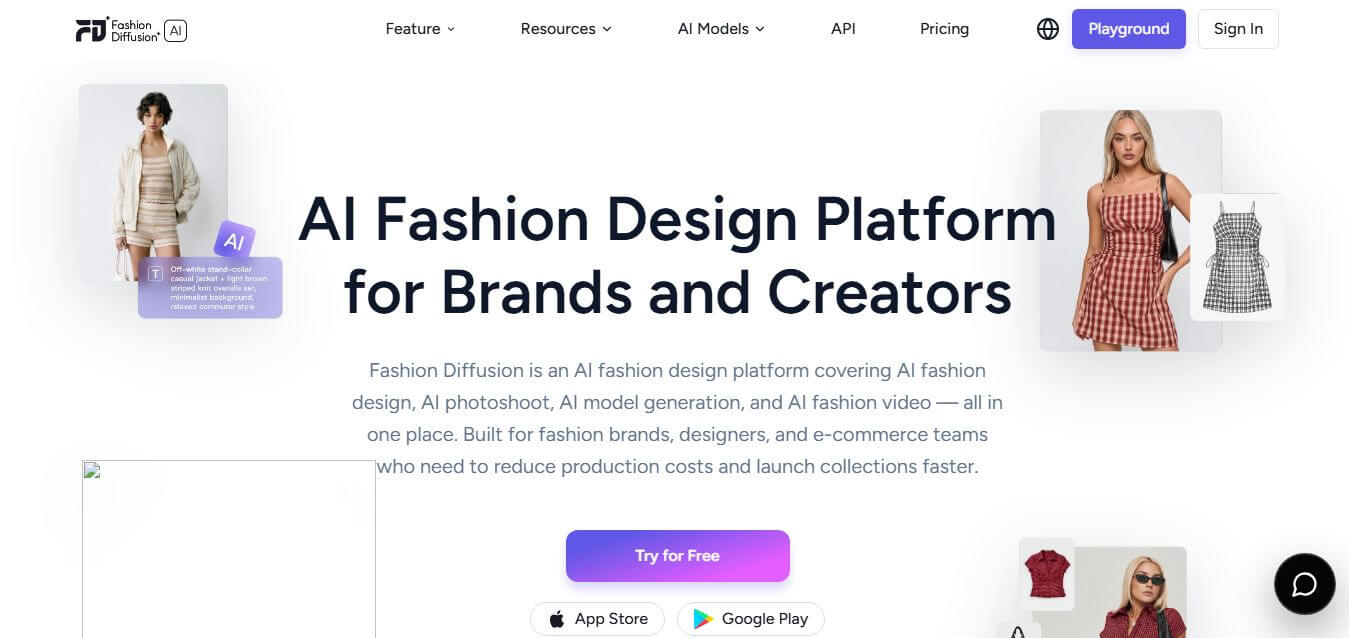
Fashion Diffusion is an AI-powered fashion design platform that helps brands and designers create clothing designs, virtual try-ons, AI models, product photos, and marketing visuals faster and cost-effectively.
Paid
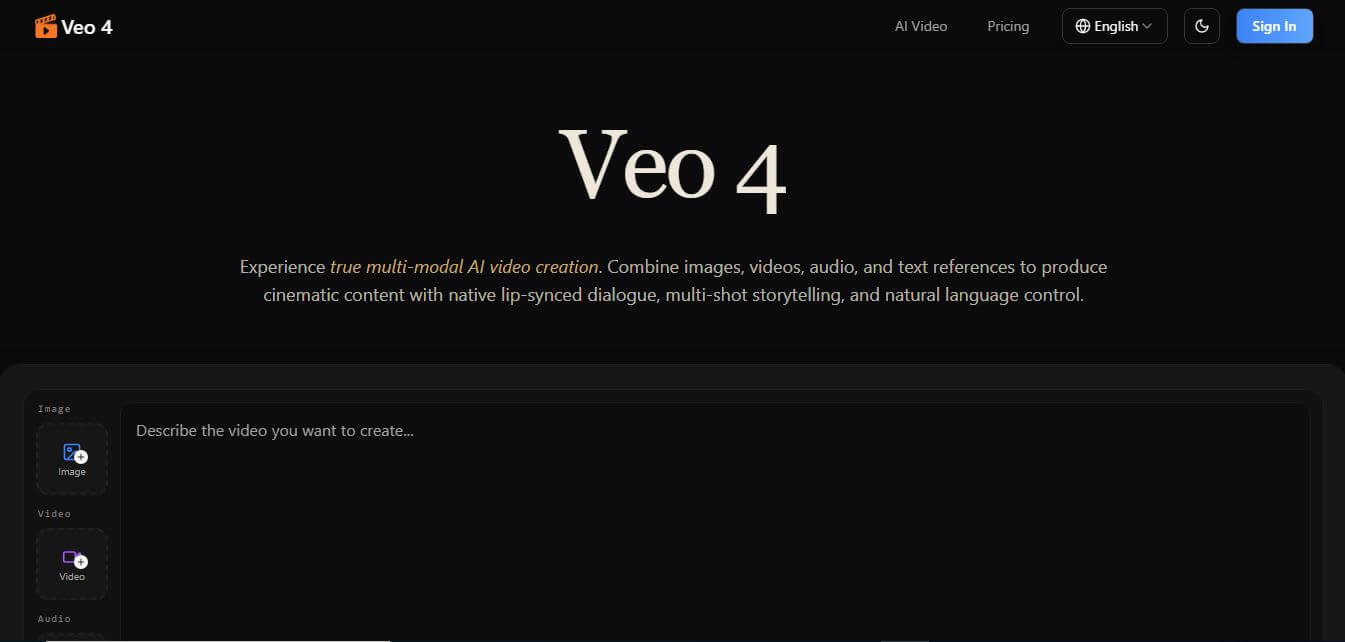
Veo 4
Veo 4 AI is an AI video creation platform that generates dramatic videos from text, images, audio, and video prompts using realistic motion and synchronized sound.
Paid
Alternatives
Alternatives to Google Stitch
Top alternatives to Google Stitch include Galileo AI, v0 by Vercel, Lovable, Uizard, and Figma AI. While v0 focuses strictly on Web React components, Google Stitch stands out with its direct URL design system extraction, multimodal voice and sketch inputs, and cross-framework support for Flutter, SwiftUI, and React.
Voice Dream Reader
AI Agent
Voice Dream Reader (voicedream.com) is an industry-leading text-to-speech (TTS) and accessibility app for iOS and macOS that converts PDFs, web pages, EPUBs, and documents into natural audio with customized typography, highlighting, and dyslexia-friendly controls.
 4.5
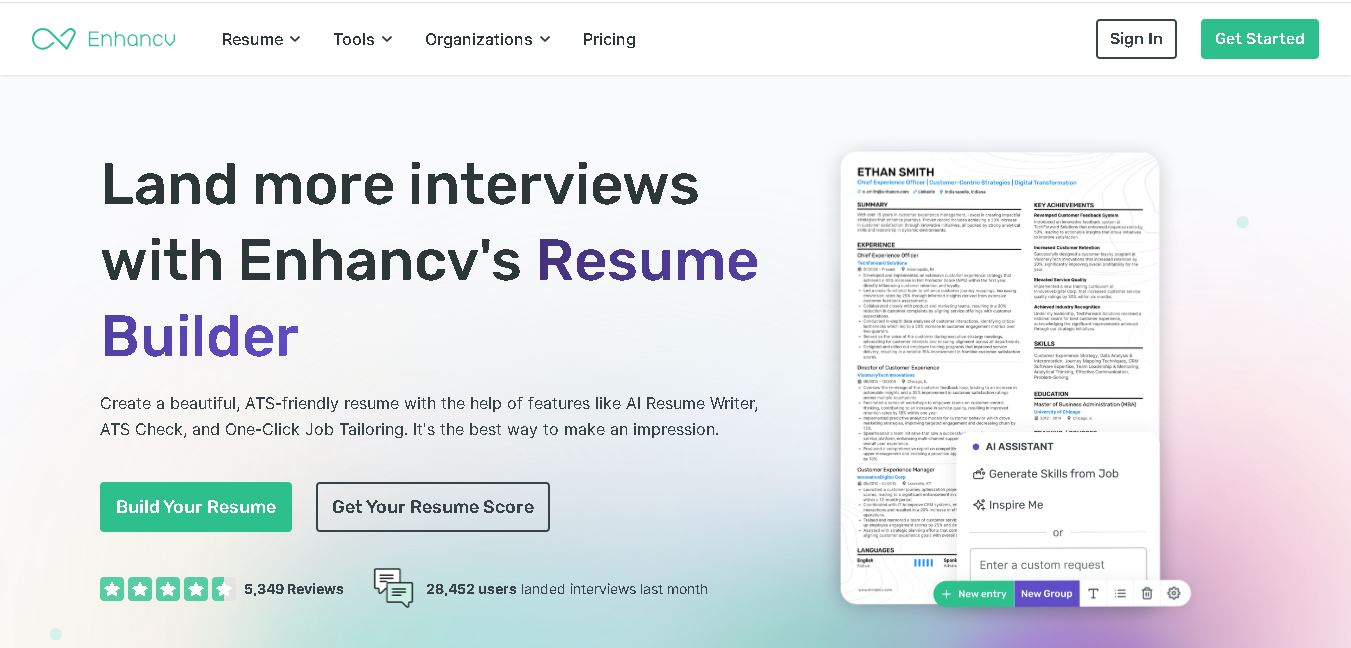
Enhancv
AI Agent
Enhancv helps job seekers build ATS-friendly resumes using customizable templates, AI writing assistance, resume checking, and job-specific tailoring. It also supports cover letters, application tracking, interview preparation, and resume translation. The platform is designed for candidates who want a polished application while keeping control over their experience, wording, and presentation.
 4.9
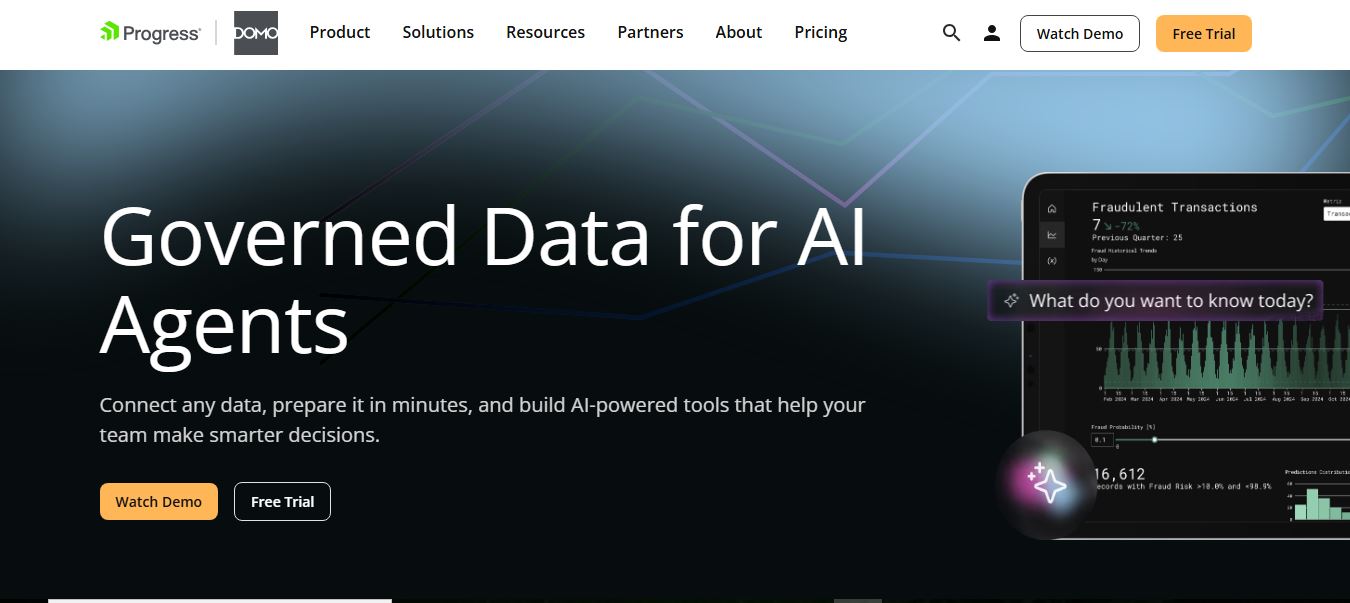
Domo
AI Agent
Domo is an AI-powered data and analytics platform that helps businesses connect, visualize, and act on data from multiple sources in one place. It combines dashboards, automation, and AI insights to turn raw data into decisions, enabling teams to monitor performance and drive better outcomes in real time.
 4.9
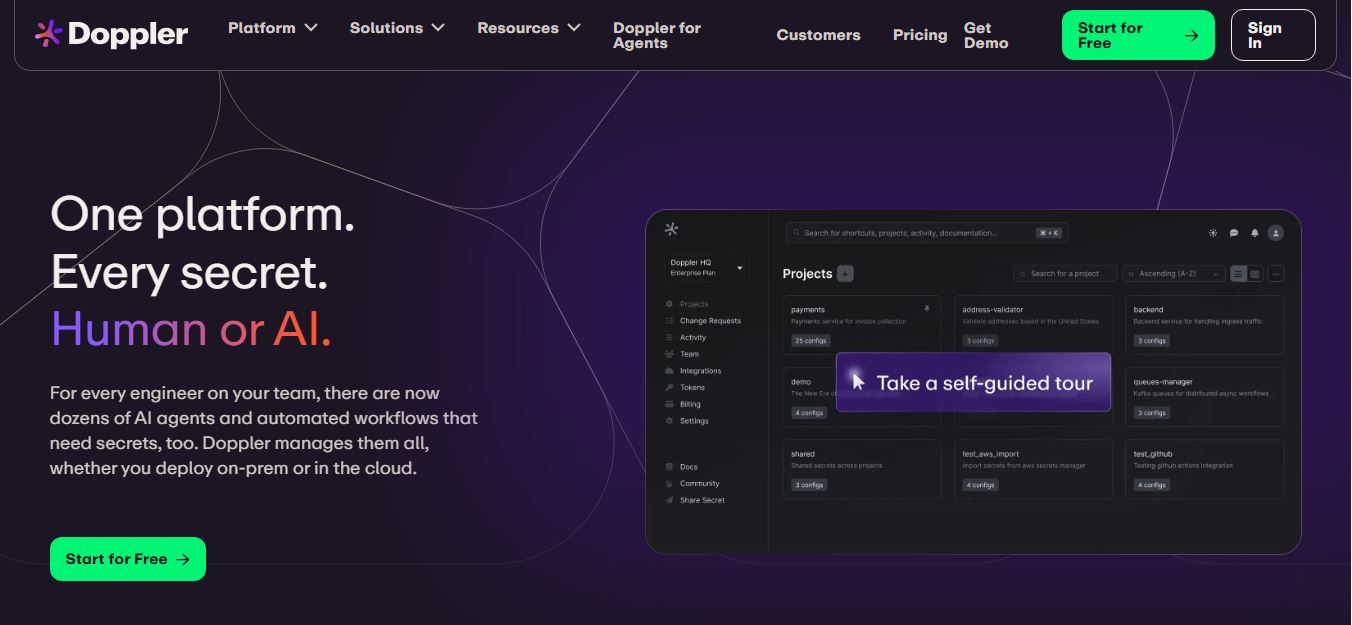
Doppler
AI Agent
Doppler is a secrets management platform that helps developers and teams securely store, manage, and sync sensitive data like API keys, tokens, and credentials across apps and environments. It centralizes secrets, automates access control, and ensures secure, consistent configuration for applications and AI agents.
 4.8
Genspark
AI Agent
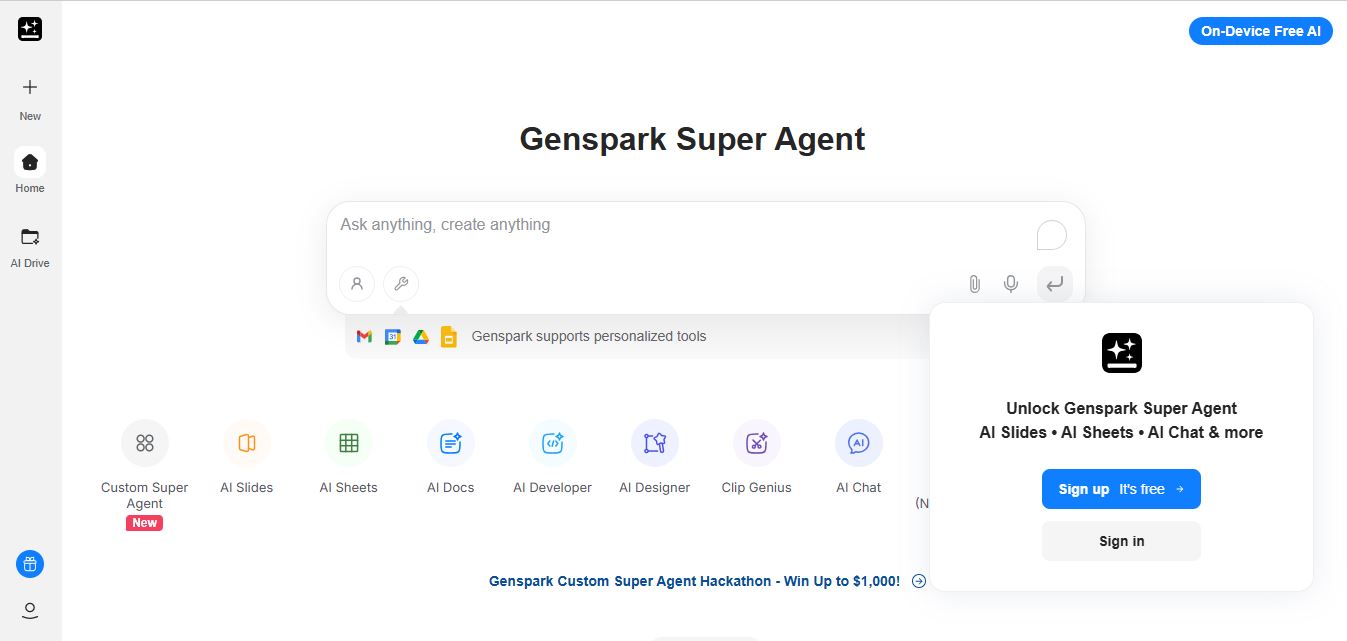
Genspark is an AI-powered all-in-one workspace built around autonomous agents that can research, write, analyze data, and create content from a single prompt. Its “Super Agent” plans and executes tasks across tools, delivering complete outputs like presentations, reports, code, and media automatically.
 4.9
Teachable Machine
AI Agent
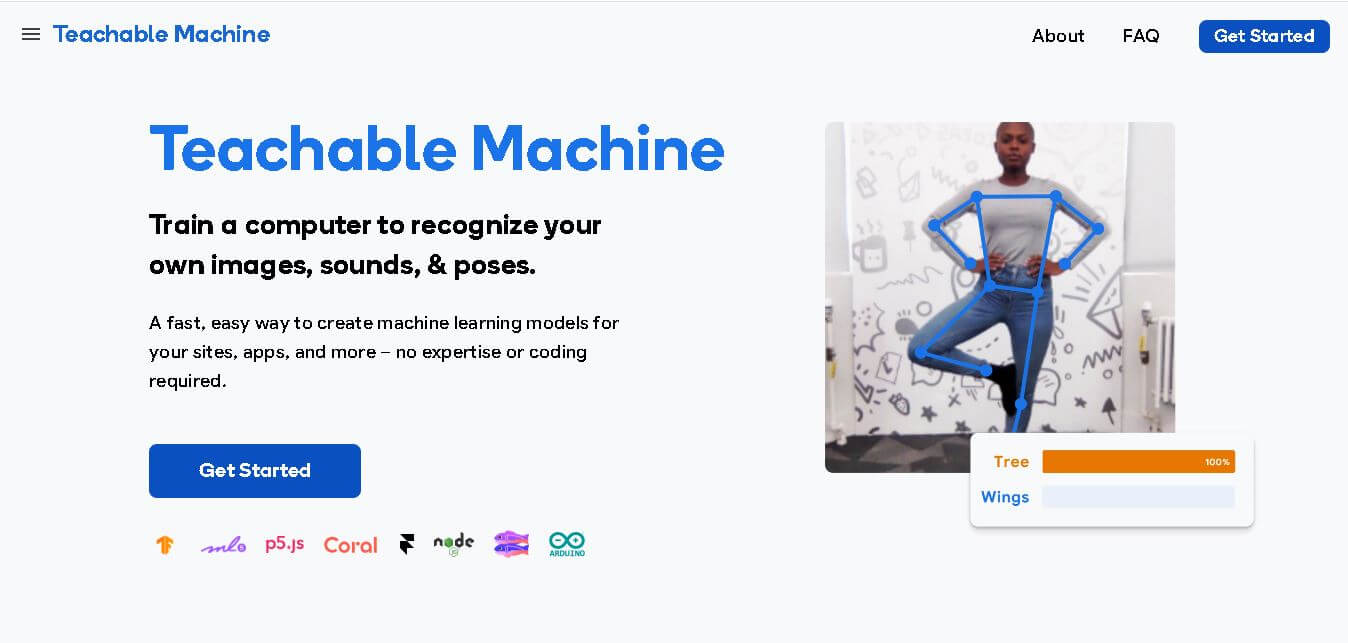
Teachable Machine is Google's browser-based tool for creating custom machine learning models without coding. You can train models to classify images, sounds, and poses using your own examples. After testing your model, you can export it for websites, apps, games, educational experiments, and physical computing projects powered by compatible machine learning technologies.
 4.7
Encharge AI
AI Agent
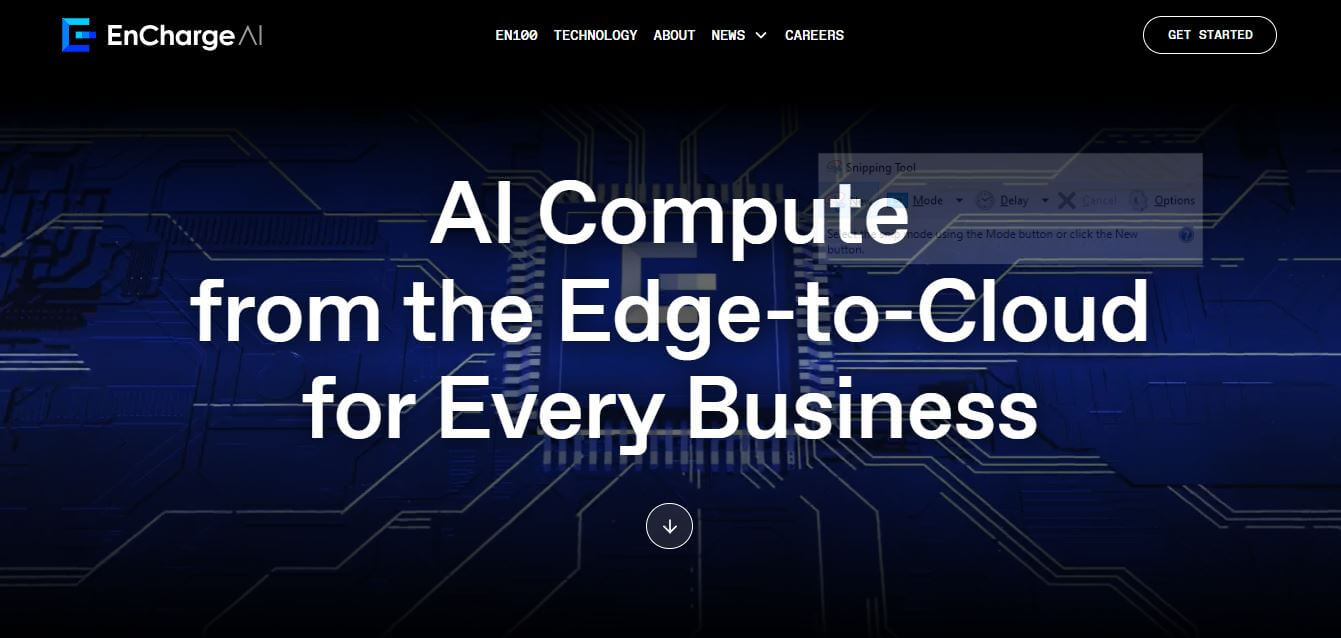
EnCharge AI develops advanced AI computing hardware and software based on charge-based analog in-memory computing. Its technology is designed to improve AI inference efficiency while reducing power consumption, data movement, computing costs, and environmental impact. The company targets edge-to-cloud deployments, including on-device AI, robotics, automotive systems, industrial applications, and local computing.
RHVoice
AI Agent
RHVoice (rhvoice.org) is an open-source, multilingual speech synthesizer and text-to-speech engine designed to provide high-quality, lightweight voice output for screen readers, mobile devices, and accessibility tools.
 4.8
PenguinBot AI
AI Agent
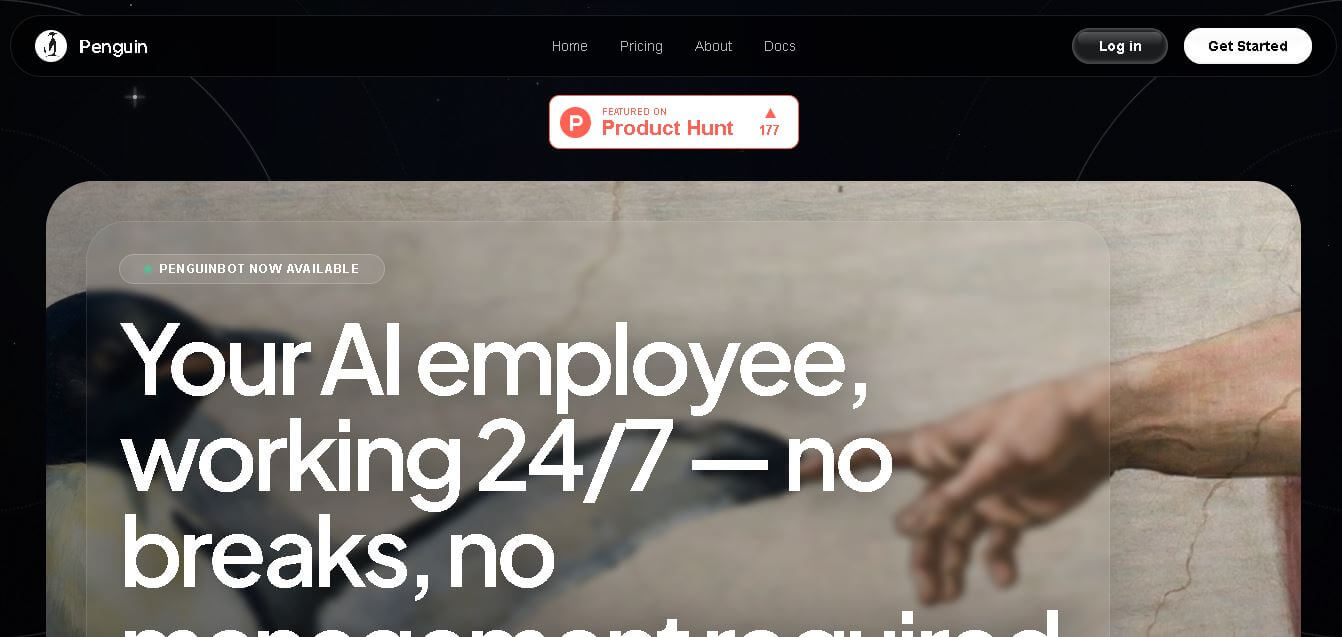
PenguinBot is an AI-powered “digital employee” that turns simple instructions into completed tasks like managing emails, scheduling, and running workflows automatically. It works across multiple channels and apps, planning and executing tasks in the background—focusing on getting real work done, not just generating responses.