
Agnost
Agnost is an open-source, self-hosted Platform-as-a-Service (PaaS) designed to simplify containerized application deployment, microservice management, and infrastructure orchestration across any cloud or bare-metal server.
What is Agnost?
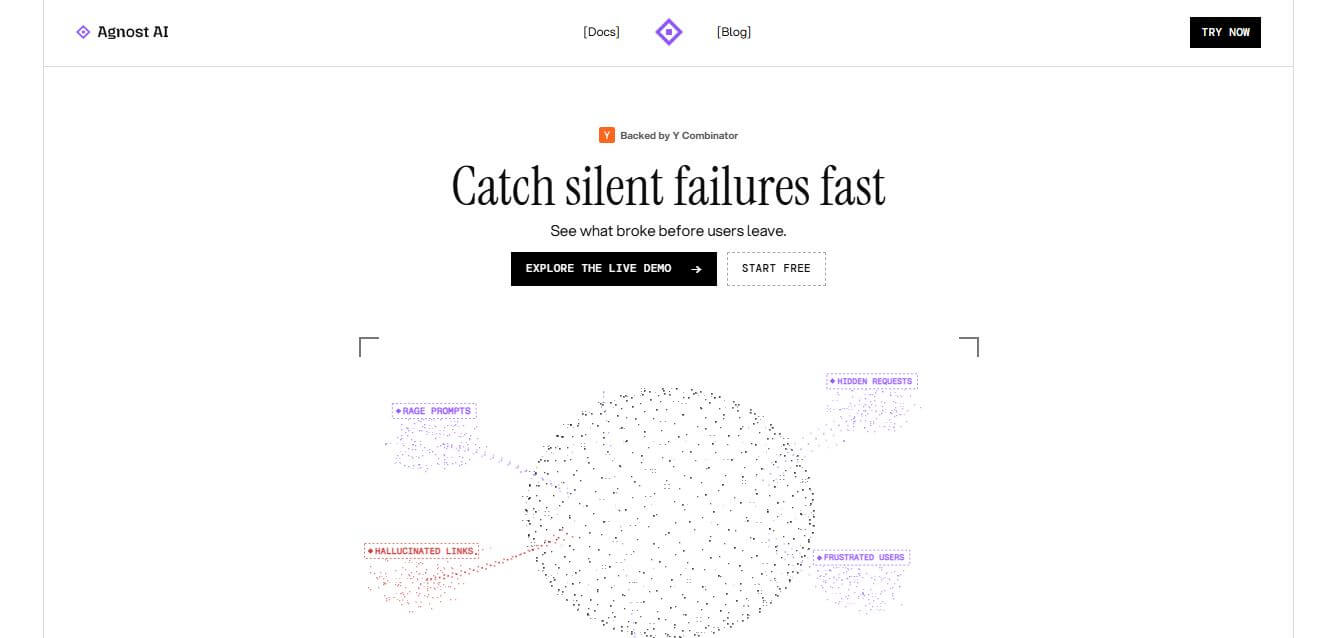
Agnost AI is a modern analytics platform built specifically for AI agents and conversational systems. It helps businesses understand what users actually want by analyzing every interaction between users and AI. Instead of focusing only on technical metrics like latency or errors, Agnost AI uncovers user intent, sentiment, and frustration patterns in real time. This allows teams to identify hidden issues, improve performance, and build smarter, more reliable AI agents. With easy integration and actionable insights, it turns raw conversation data into meaningful improvements that directly enhance user experience and product quality.
Engineered for multi-cloud agility, Agnost simplifies cloud-native infrastructure, giving teams full control over their application lifecycle, deployments, and databases on self-managed servers.
- Core Focus: Self-Hosted PaaS, Kubernetes Automation, Container Management, Multi-Cloud Deployment
- License: Open Source
- Use Cases:
- Deploying dockerized applications across AWS, GCP, DigitalOcean, or Hetzner
- Automating GitHub/GitLab repository deployments with automatic CI/CD builds
- Provisioning managed databases (PostgreSQL, MySQL, Redis) on self-hosted servers
- Eliminating expensive PaaS cloud hosting bills by running workloads on raw infrastructure
- Technology:
- Under-the-hood Kubernetes orchestration with dynamic ingress routing
- Automated Let's Encrypt SSL management and reverse proxy configuration
- Unified GUI dashboard for real-time logs, metrics, and secret variable management
- Target Users:
- DevOps engineers streamlining multi-cloud container orchestration
- Startup founders seeking Heroku/Railway convenience on low-cost servers
- Software agencies managing multiple client deployments under one central dashboard
- Ecosystem: Integrates natively with Docker, Kubernetes, GitHub, GitLab, and major cloud providers including DigitalOcean, Hetzner, AWS, GCP, and Azure.
Key features of Agnost
Agnost's key features are
- Cloud-Agnostic Engine: Deploy seamlessly across any cloud vendor or private bare-metal server.
- Zero-Config Kubernetes: Automatically configures clusters, ingress controllers, and load balancers.
- Automated CI/CD: Triggers builds, preview deployments, and production releases on git push.
- Database & Worker Provisioning: One-click setup for managed databases, cron jobs, and background workers.
- Centralized Telemetry: Real-time container metrics, application logs, and environment variable controls.
Agnost Pricing
Agnost is an open-source platform, allowing developers to host and run it on their own servers for free.
Community / Self-Hosted:
- $0 (Free & Open Source)
- Full access to platform capabilities, unlimited apps, clusters, and self-managed servers
Enterprise Support:
- Custom pricing
- Dedicated SLA, custom integration support, security compliance auditing, and managed setup
Is Agnost Worth It?
Agnost is exceptionally valuable for development teams and businesses looking to reduce cloud hosting costs significantly while maintaining modern DevOps standards and zero cloud lock-in.
Real-World Use Cases
- SaaS Hosting: Hosting full-stack web platforms with automated scaling and database management.
- Preview Environments: Creating temporary staging environments for GitHub pull requests automatically.
- Multi-Cloud Operations: Running workloads in parallel across Hetzner for compute and AWS for backup.
Who is using Agnost?
Agnost is designed for
- Backend Developers: Engineers wanting automated deployments without maintaining complex YAML manifests
- DevOps Teams: Teams managing internal developer platforms (IDP) across heterogeneous cloud infrastructure
- Indie Hackers: Creators reducing cloud infrastructure overhead while scaling applications
Best Agnost Alternatives
Some of the top alternatives include
- Coolify
- Dokku
- Porter
- Render
- Railway
Pros and Cons of Agnost
Pros
- 100% open-source with complete server and data sovereignty
- Abstracts Kubernetes complexity into a clean, modern web interface
- Eliminates expensive PaaS markup charges from managed providers
- Supports multi-cloud and hybrid cloud infrastructure architectures
Cons
- Requires basic knowledge of server provisioning and domain setup
- Smaller community ecosystem compared to older tools like Dokku
Why Choose Agnost?
It bridges the gap between simple managed PaaS platforms and full-scale enterprise Kubernetes clusters, providing high developer velocity without cloud lock-in.
How Agnost Works
- 1. Connect Infrastructure: Link your cloud provider accounts or private SSH servers.
- 2. Connect Repository: Grant access to your GitHub or GitLab repositories.
- 3. Configure Service: Select build settings, environment variables, and attached databases.
- 4. Deploy & Monitor: Push code to trigger automated builds, routing, and live telemetry tracking.
Agnost vs. Competitors
| Feature | Agnost | Coolify | Porter |
|---|---|---|---|
| Primary Focus | Multi-Cloud Kubernetes PaaS | Single-Server Self-Hosted PaaS | Managed Cloud Kubernetes PaaS |
| Open Source | Yes | Yes | Open Core |
| Multi-Cluster Management | Yes | Limited | Yes |
| Starting Price | Free (Self-Hosted) | Free (Self-Hosted) | $0/mo (Cloud usage fees apply) |
How do we rate Agnost?
| Parameter | Rating (out of 5) |
|---|---|
| Ease of Use | 4.7 |
| Output Quality & Reliability | 4.8 |
| Security & Sovereignty | 4.9 |
| Value for Money | 5.0 |
| Integration Capability | 4.7 |
| Overall Score | 4.82 |
Agnost Review
Agnost AI stands out as a highly focused and practical platform for teams building AI agents and conversational systems. What makes it different from traditional analytics tools is its strong emphasis on understanding user intent rather than just tracking surface-level metrics. Instead of only showing errors or performance issues, it dives deeper into conversations to reveal why users are struggling, where confusion happens, and how the AI can improve.
The platform offers a clean and intuitive interface, making it accessible even for non-technical users such as product managers or marketers. Its ability to analyze conversations in real time is a major advantage, allowing teams to quickly identify where users are getting confused, frustrated, or dropping off. These insights can then be used to refine prompts, improve responses, and optimize AI workflows.
Another strong point is its actionable reporting. Instead of overwhelming users with raw data, it highlights meaningful patterns and suggests areas for improvement. However, to fully benefit from Agnost AI, teams need to actively use these insights and continuously iterate on their AI systems.
Conclusion
Agnost AI goes beyond traditional monitoring tools by focusing on the real user experience behind AI interactions. It not only highlights where agents fail but also explains why those failures happen and how to fix them. By continuously analyzing conversations and surfacing actionable insights, it enables teams to build self-improving AI systems. Whether you are scaling a chatbot or refining an advanced AI agent, Agnost AI provides the clarity and direction needed to deliver better outcomes. Ultimately, it helps transform AI from a static system into a continuously evolving and user-focused solution.
FAQ
What makes Agnost AI different from regular analytics tools?
Agnost AI goes beyond technical metrics like latency or success rates. It focuses on user intent and sentiment, meaning it tells you what users actually wanted and how they felt during the interaction. This helps you understand real problems, not just system performance.
What is Agnost AI?
Agnost AI is a product analytics tool for AI agents and chatbots. Instead of just showing technical logs, it actually tells you what your users wanted, where they got frustrated, and why your AI failed.
How does Agnost AI improve my AI agent?
Agnost AI analyzes every conversation and highlights patterns like repeated questions, failed responses, or frustration points. It then suggests fixes—and in some cases even helps generate improvements—so your AI becomes smarter with real user data over time.
Do I need to change my existing AI system to use Agnost AI?
No, you don’t need to rebuild anything. Agnost AI integrates with your existing setup using SDKs or OpenTelemetry. You simply connect your agent’s data, and it starts analyzing conversations almost instantly.
Can Agnost AI detect failures in AI responses?
Yes, and this is one of its biggest strengths. Agnost AI detects “silent failures”—cases where the AI technically responds but still gives a wrong or useless answer. It shows exactly where and why those failures happen.
Is Agnost AI useful for startups or only large companies?
It’s useful for both. Startups can use it to quickly improve early-stage AI products, while larger companies can analyze massive volumes of conversations and optimize performance at scale. It even offers a free plan for smaller use cases.
User Reviews
No reviews yet for Agnost.
Featured Tools
Featured AI tools from TechShark
Melody Genie
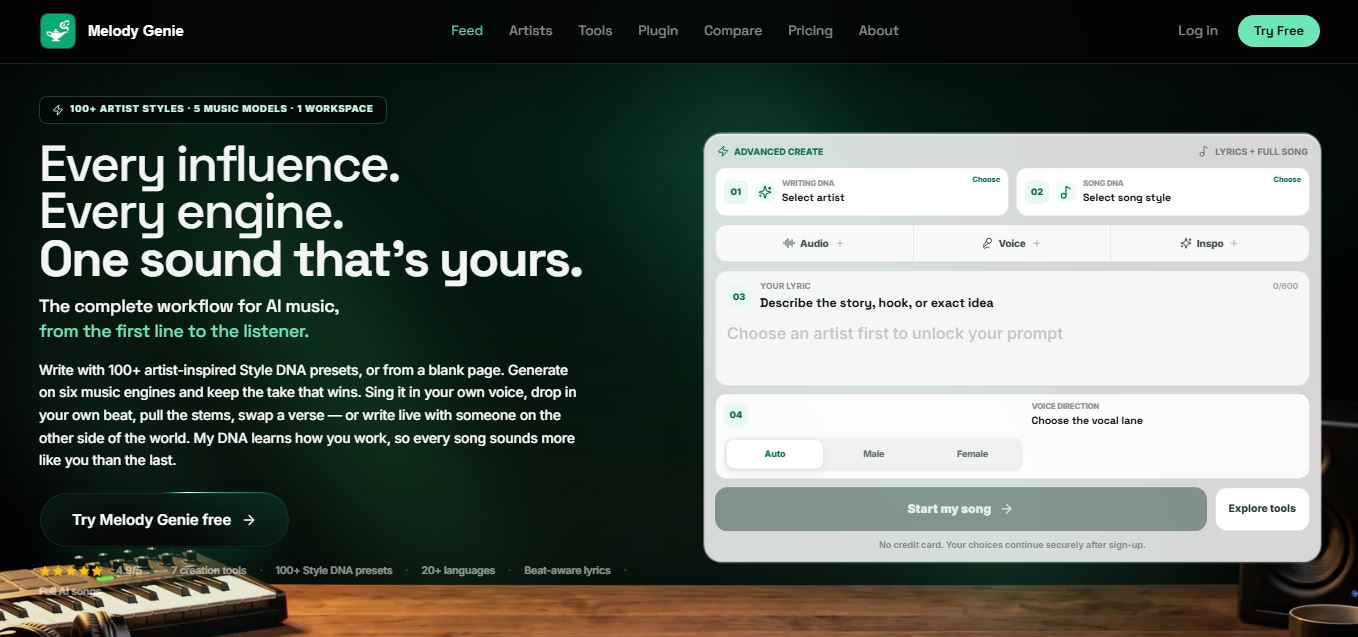
MelodyGenie is an AI-powered music generator that creates original songs from simple text prompts. Users can choose styles, moods, and genres, then instantly generate melodies and full tracks, making it easy for creators, marketers, and hobbyists to produce custom music without musical expertise.
Freemium
Kimi AI
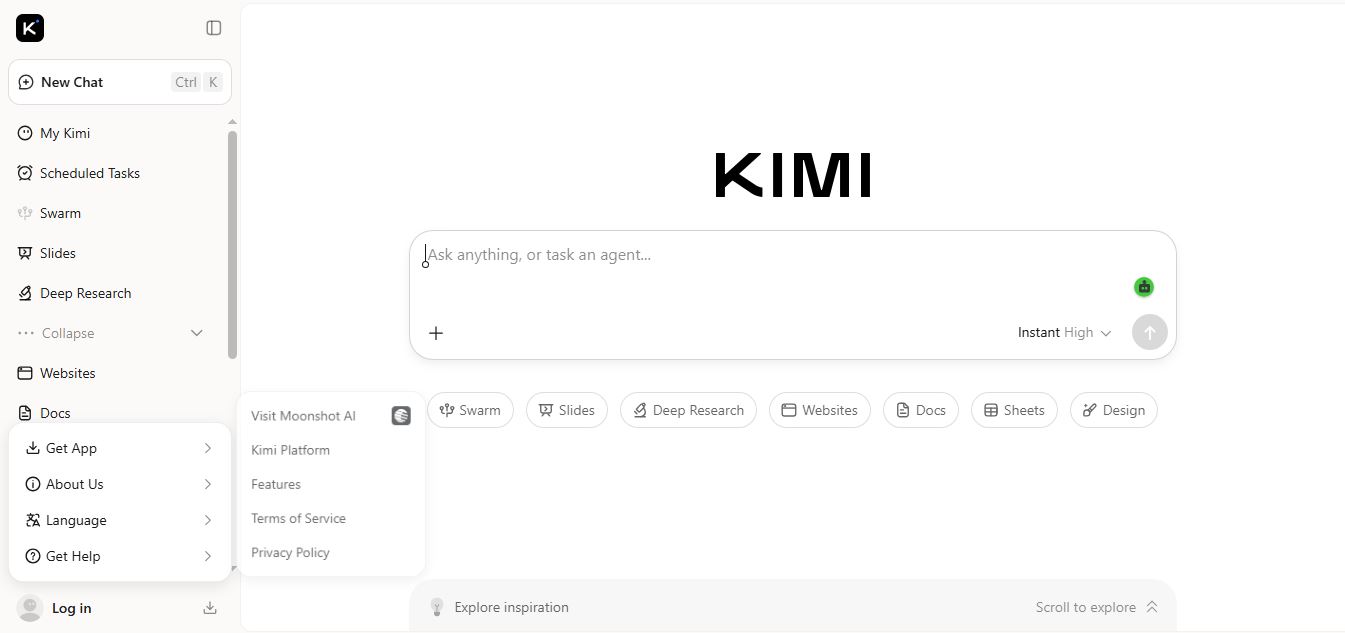
Kimi AI is an advanced AI assistant developed by Moonshot AI that helps you chat, research, write, code, and automate tasks in one place. It supports web search, file analysis, and multimodal inputs, and can even run autonomous “agent” workflows to complete complex tasks end-to-end.
Freemium
Fashion Diffusion AI
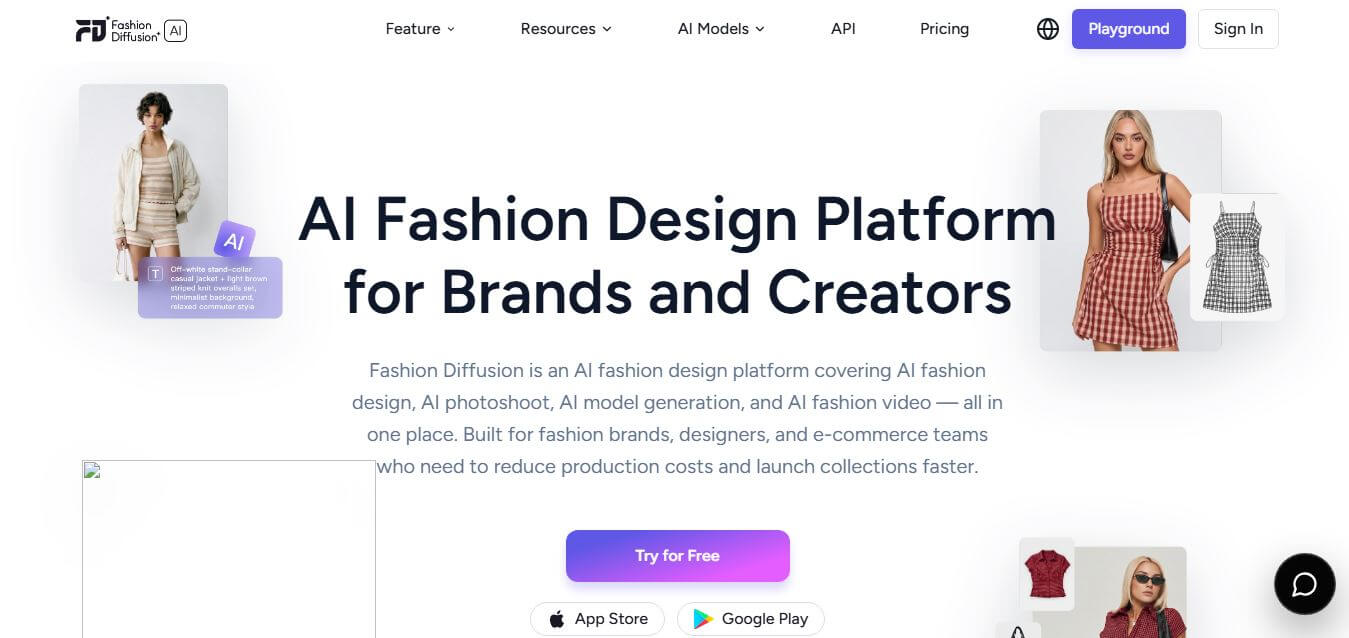
Fashion Diffusion is an AI-powered fashion design platform that helps brands and designers create clothing designs, virtual try-ons, AI models, product photos, and marketing visuals faster and cost-effectively.
Paid
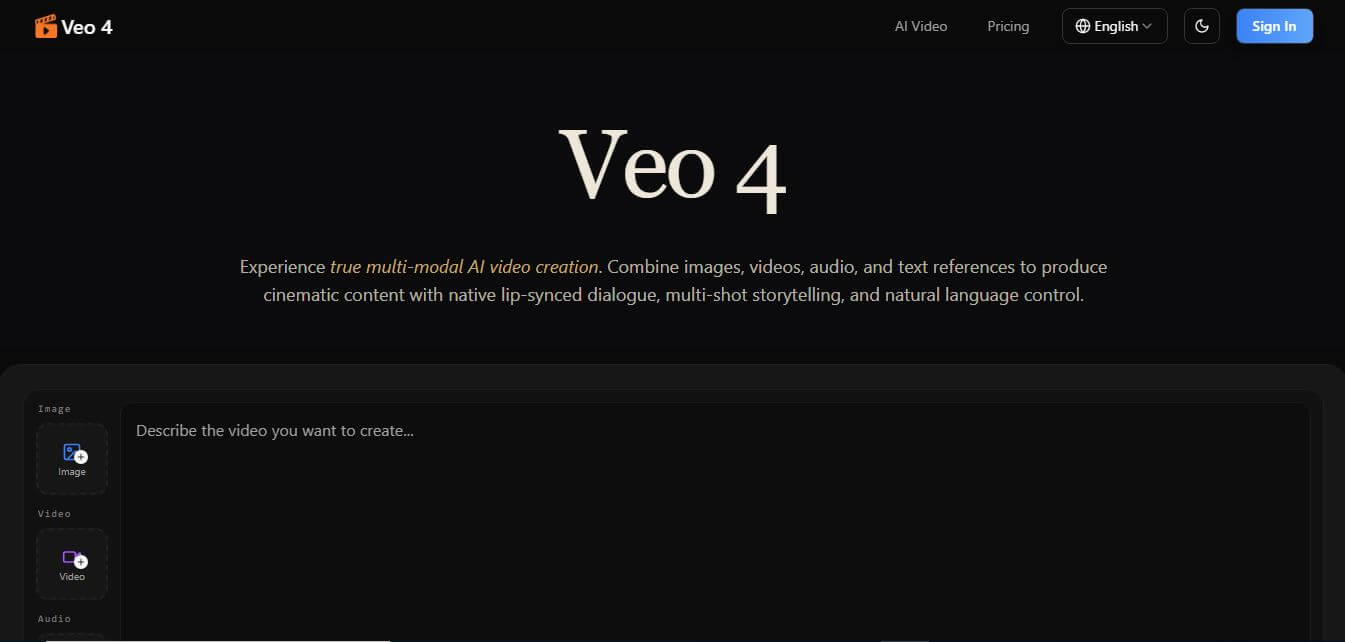
Veo 4
Veo 4 AI is an AI video creation platform that generates dramatic videos from text, images, audio, and video prompts using realistic motion and synchronized sound.
Paid
Alternatives
Alternatives to Agnost
Top Agnost alternatives include Coolify, Dokku, Porter, Render, and Railway. Coolify and Dokku provide open-source self-hosted deployment, while Render and Railway offer managed PaaS solutions.
 4.7
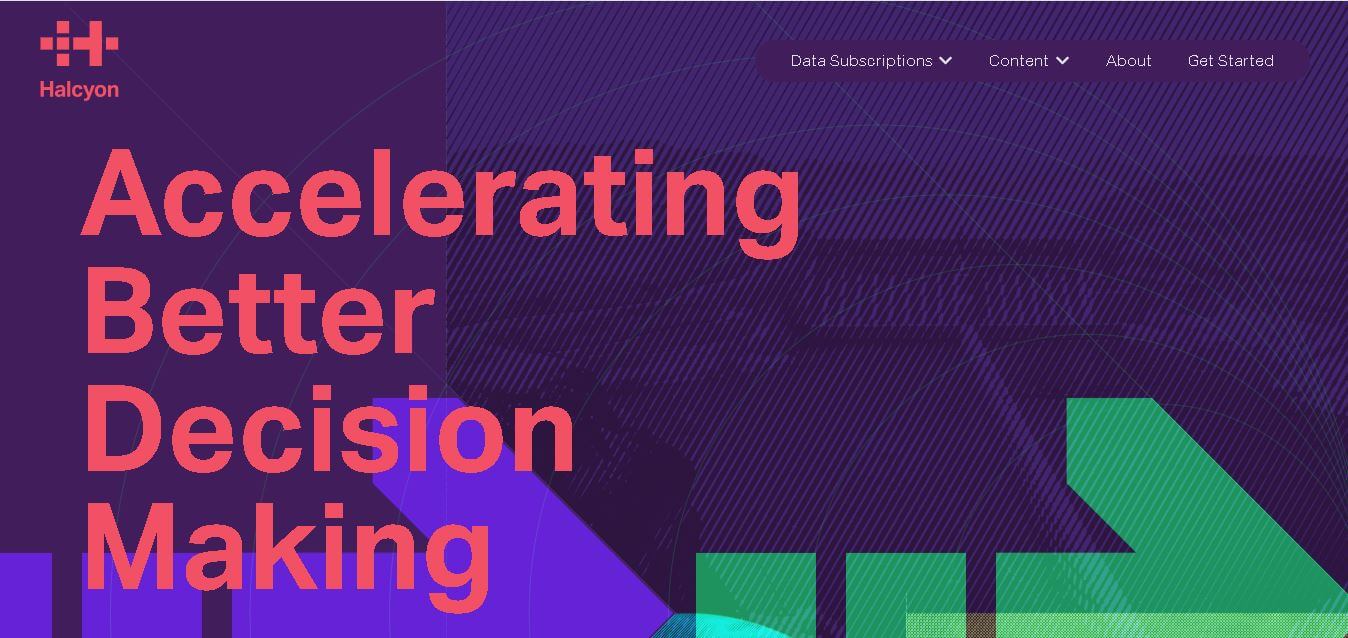
4.7Halcyon
AI Agent
Halcyon is an AI energy intelligence platform that helps professionals search regulatory filings, analyze energy-market information, monitor developments, and access structured datasets. It combines document search, natural-language queries, AI-powered alerts, and specialized data subscriptions to turn fragmented energy information into actionable intelligence for research, monitoring, planning, and faster decision-making.
 4.5
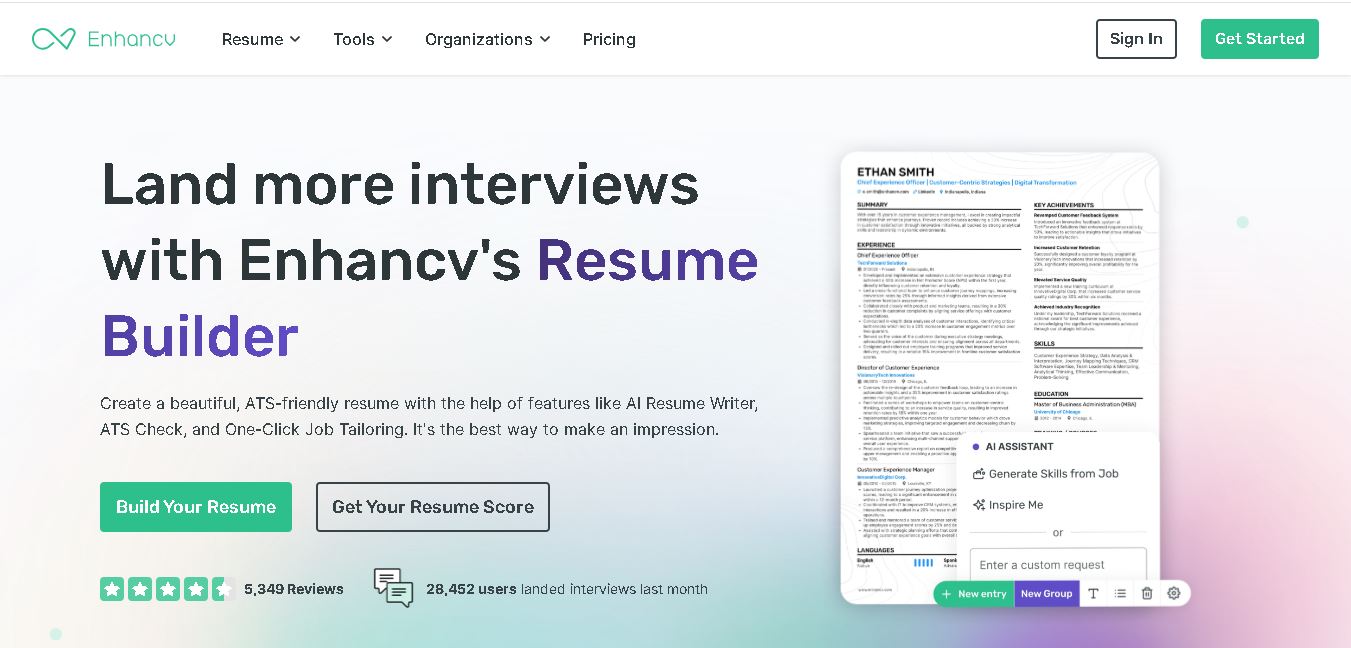
4.5Enhancv
AI Agent
Enhancv helps job seekers build ATS-friendly resumes using customizable templates, AI writing assistance, resume checking, and job-specific tailoring. It also supports cover letters, application tracking, interview preparation, and resume translation. The platform is designed for candidates who want a polished application while keeping control over their experience, wording, and presentation.
 4.9
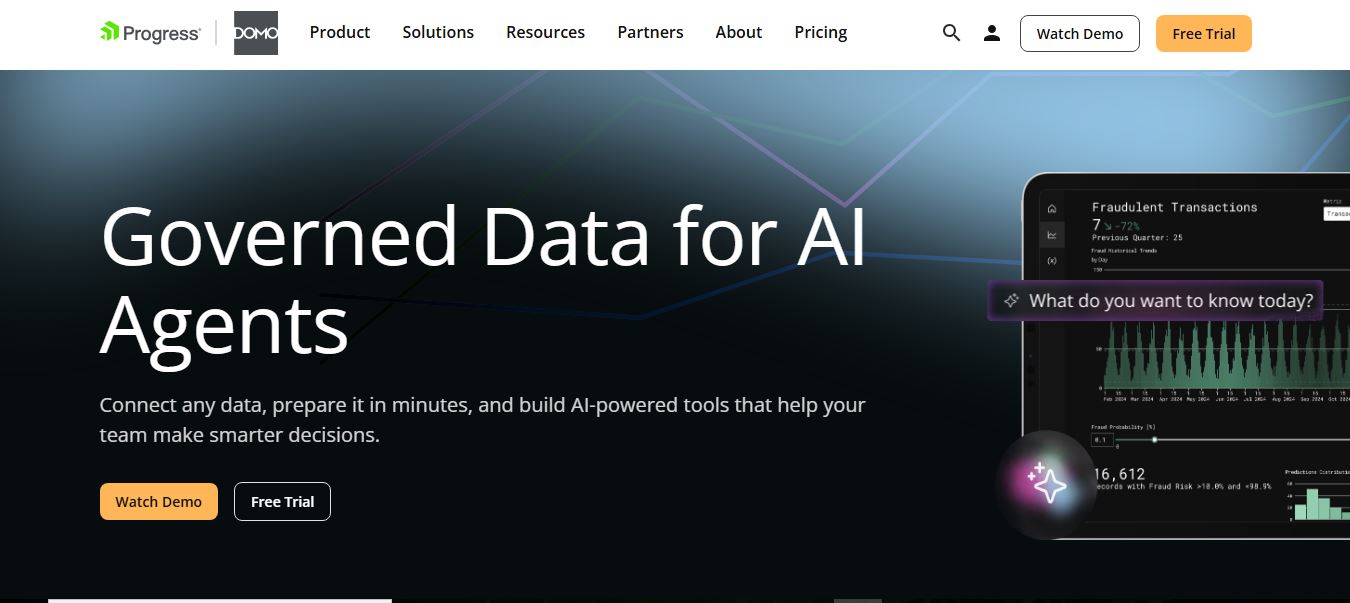
4.9Domo
AI Agent
Domo is an AI-powered data and analytics platform that helps businesses connect, visualize, and act on data from multiple sources in one place. It combines dashboards, automation, and AI insights to turn raw data into decisions, enabling teams to monitor performance and drive better outcomes in real time.
 4.9
4.9Doppler
AI Agent
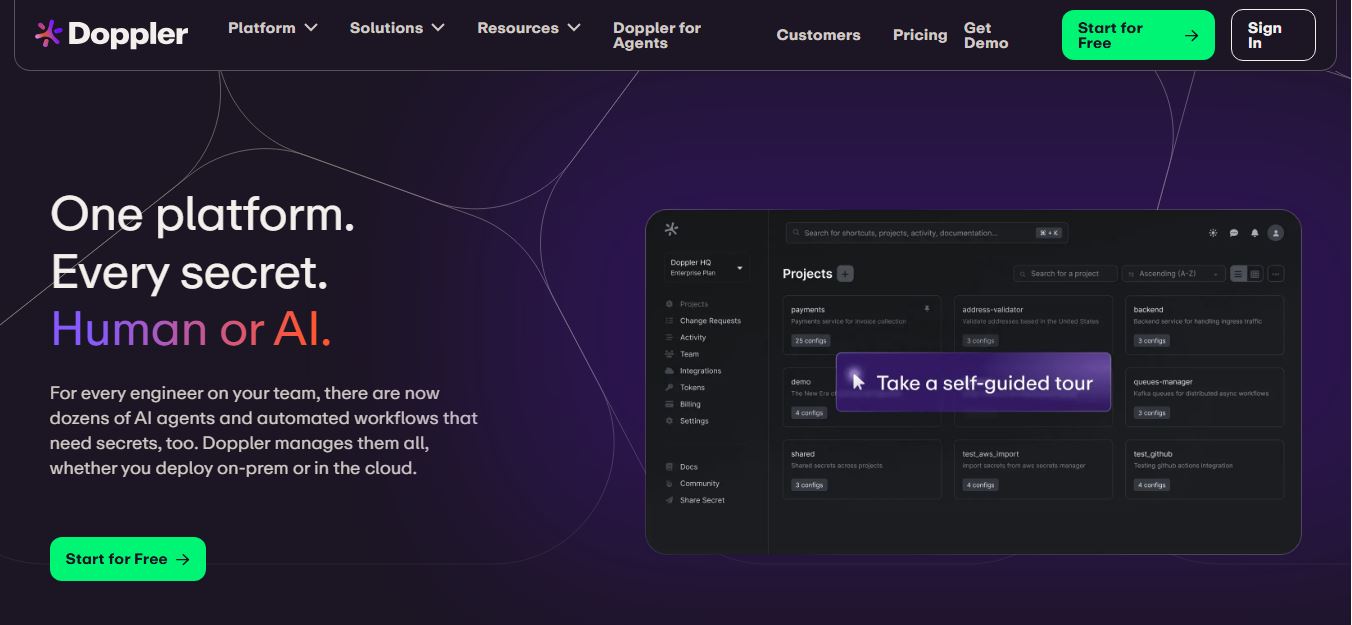
Doppler is a secrets management platform that helps developers and teams securely store, manage, and sync sensitive data like API keys, tokens, and credentials across apps and environments. It centralizes secrets, automates access control, and ensures secure, consistent configuration for applications and AI agents.
 4.8
4.8Genspark
AI Agent
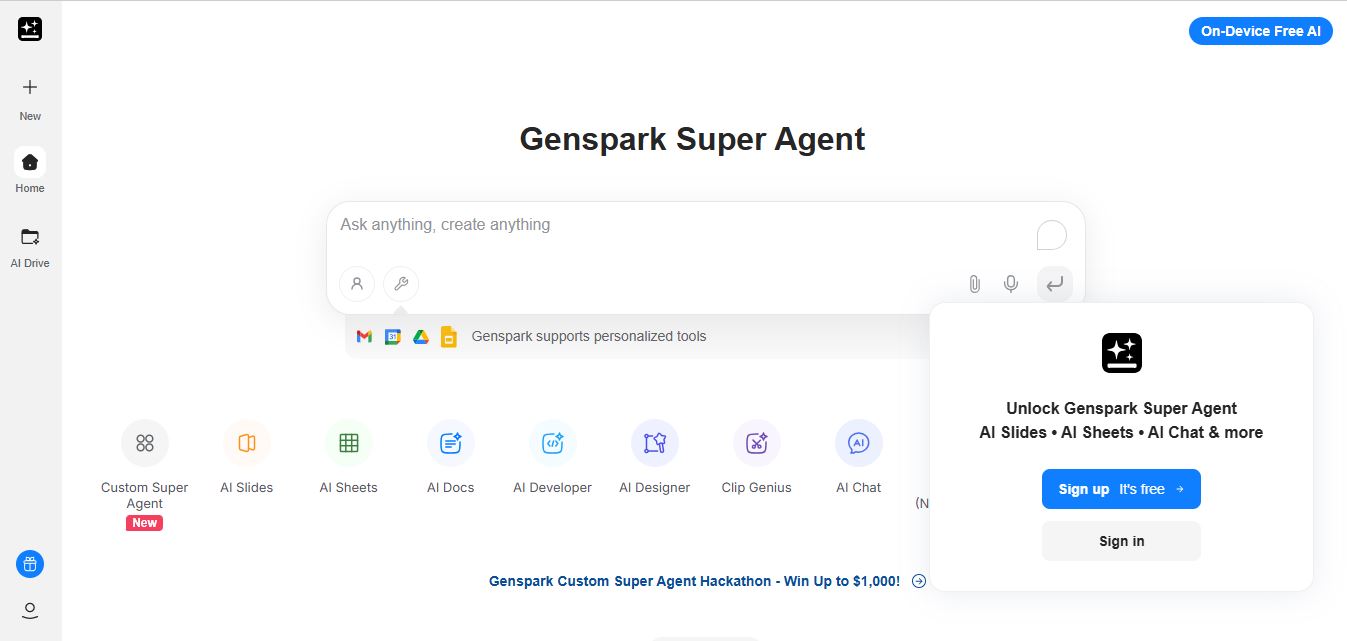
Genspark is an AI-powered all-in-one workspace built around autonomous agents that can research, write, analyze data, and create content from a single prompt. Its “Super Agent” plans and executes tasks across tools, delivering complete outputs like presentations, reports, code, and media automatically.
 4.9
4.9Teachable Machine
AI Agent
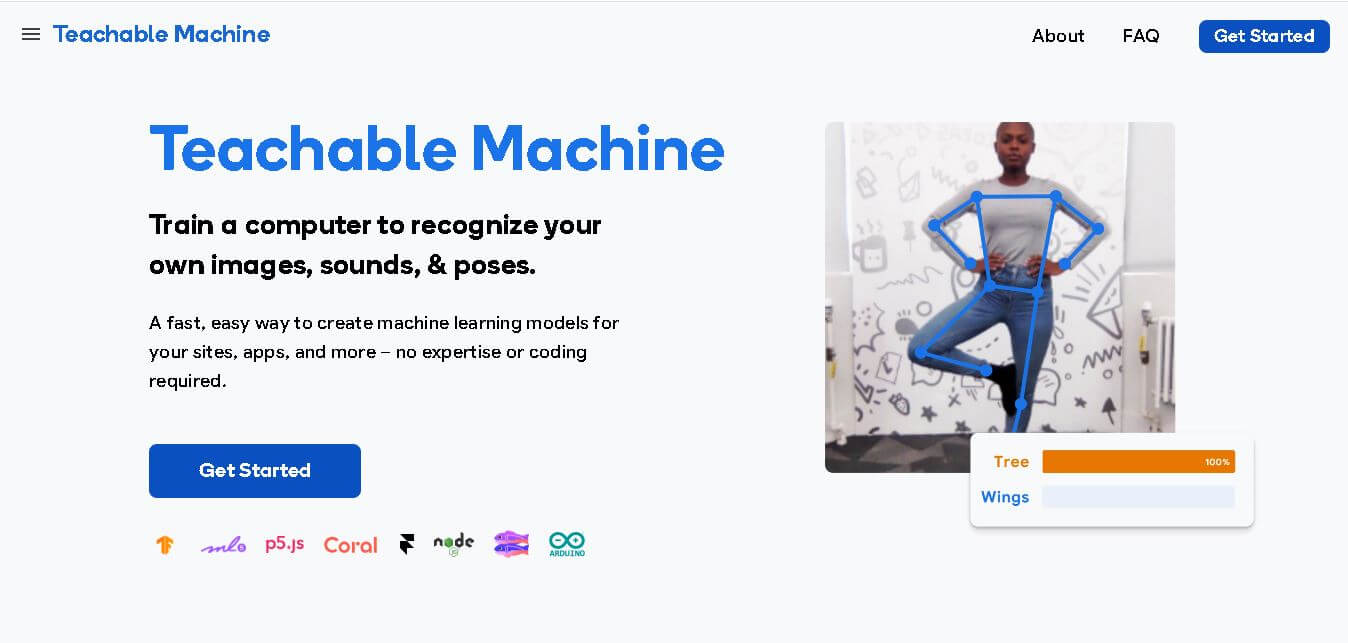
Teachable Machine is Google's browser-based tool for creating custom machine learning models without coding. You can train models to classify images, sounds, and poses using your own examples. After testing your model, you can export it for websites, apps, games, educational experiments, and physical computing projects powered by compatible machine learning technologies.
 4.7
4.7Encharge AI
AI Agent
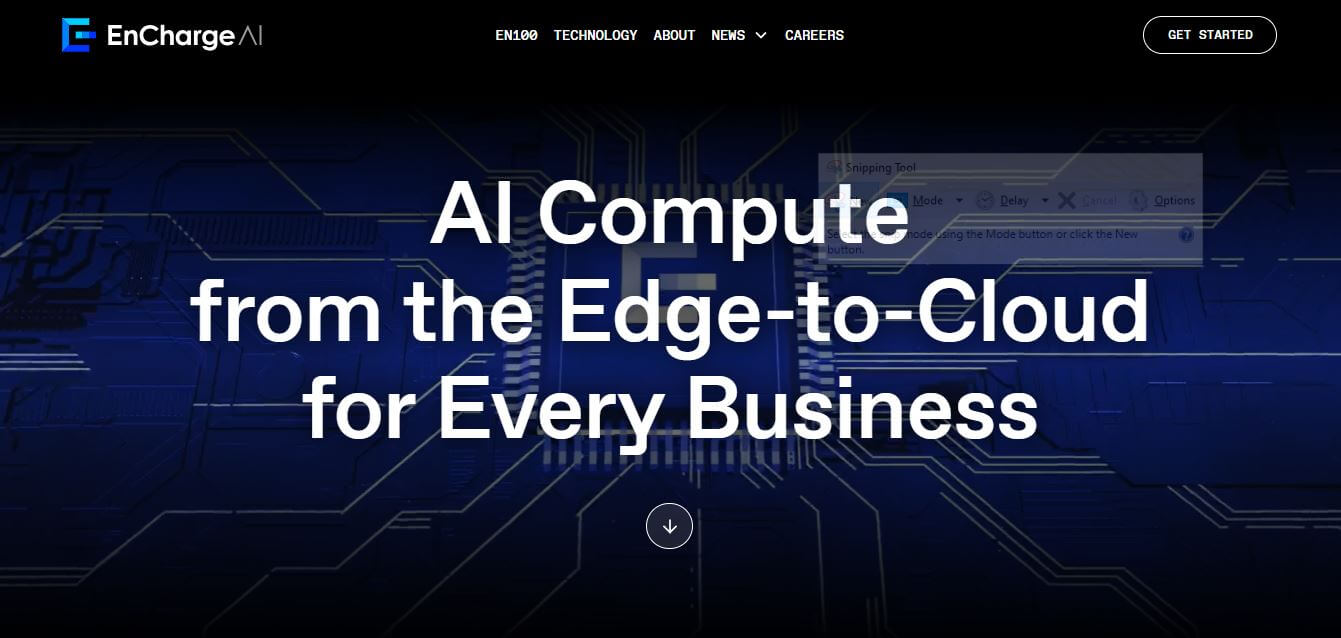
EnCharge AI develops advanced AI computing hardware and software based on charge-based analog in-memory computing. Its technology is designed to improve AI inference efficiency while reducing power consumption, data movement, computing costs, and environmental impact. The company targets edge-to-cloud deployments, including on-device AI, robotics, automotive systems, industrial applications, and local computing.
RHVoice
AI Agent
RHVoice (rhvoice.org) is an open-source, multilingual speech synthesizer and text-to-speech engine designed to provide high-quality, lightweight voice output for screen readers, mobile devices, and accessibility tools.
 4.8
4.8PenguinBot AI
AI Agent
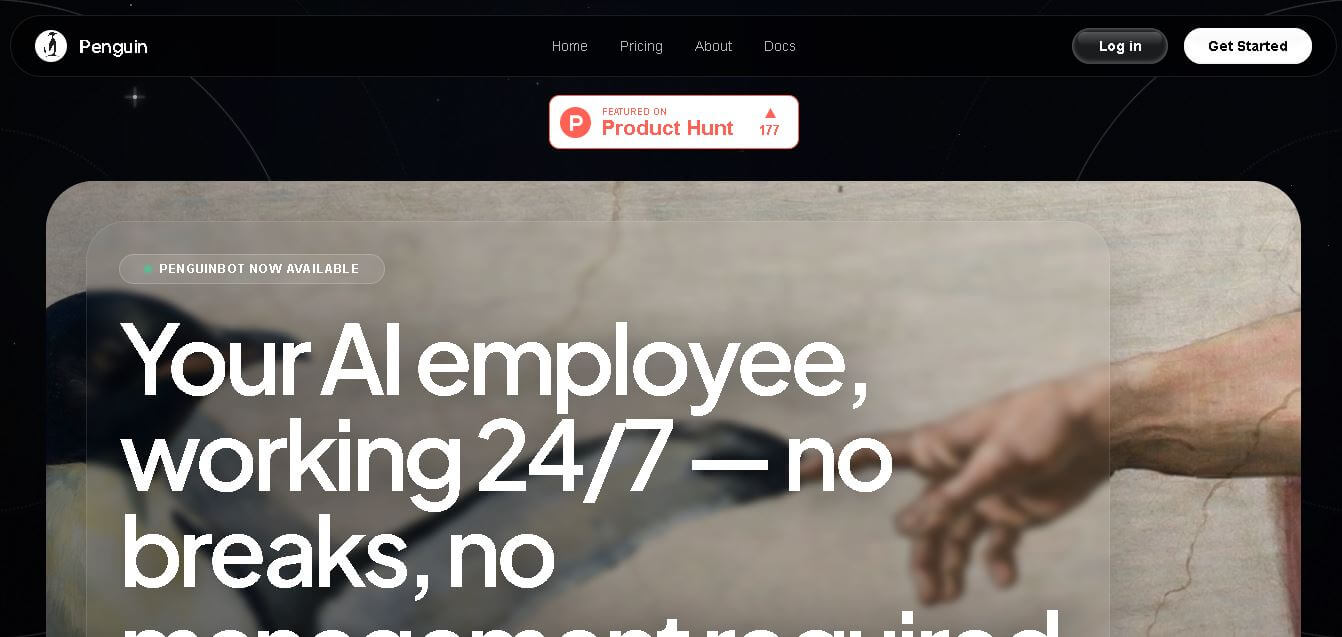
PenguinBot is an AI-powered “digital employee” that turns simple instructions into completed tasks like managing emails, scheduling, and running workflows automatically. It works across multiple channels and apps, planning and executing tasks in the background—focusing on getting real work done, not just generating responses.